TLP:CLEAR · Disclosure is not limited.
RSF escalates siege tactics against El Obeid while SAF recaptures strategic Kurmuk
Time window: Last 7 days · Audience: General analyst · Type: Situation report · DTG: 2026-07-09 22:12Z · Overall confidence: MEDIUM
BLUF
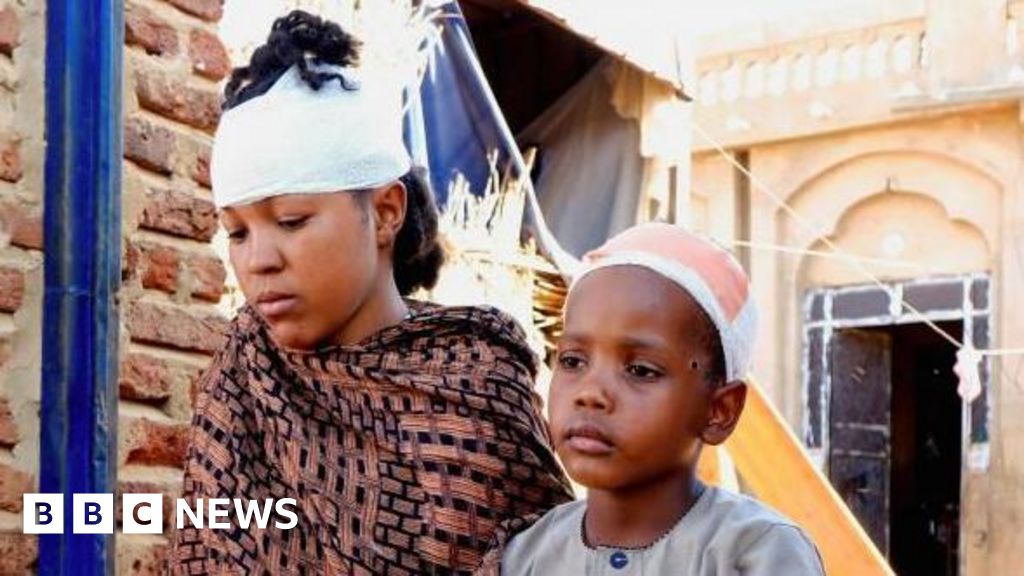
The Rapid Support Forces escalated drone strikes against El Obeid, killing at least 45 civilians in June while encircling the city from three directions, replicating El Fasher siege tactics. The Sudanese Armed Forces recaptured Kurmuk on 8 July 2026, securing critical supply lines but failing to break the RSF's tightening grip on El Obeid's northern corridor. The UN warns up to 500,000 civilians face imminent risk as humanitarian conditions deteriorate with fuel shortages and displaced populations exceeding 11,000 in two weeks.
Executive summary
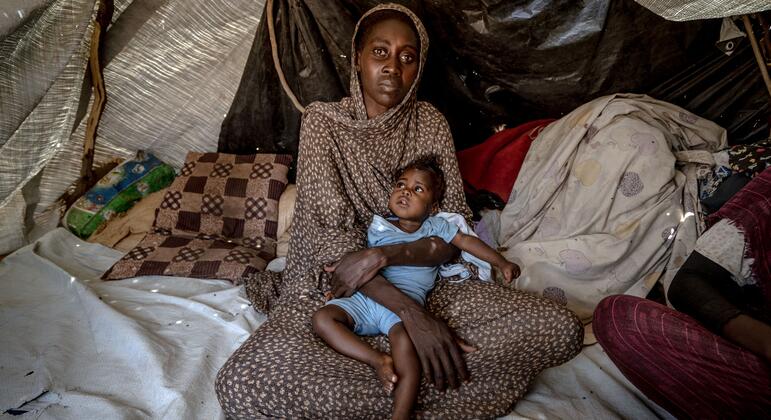
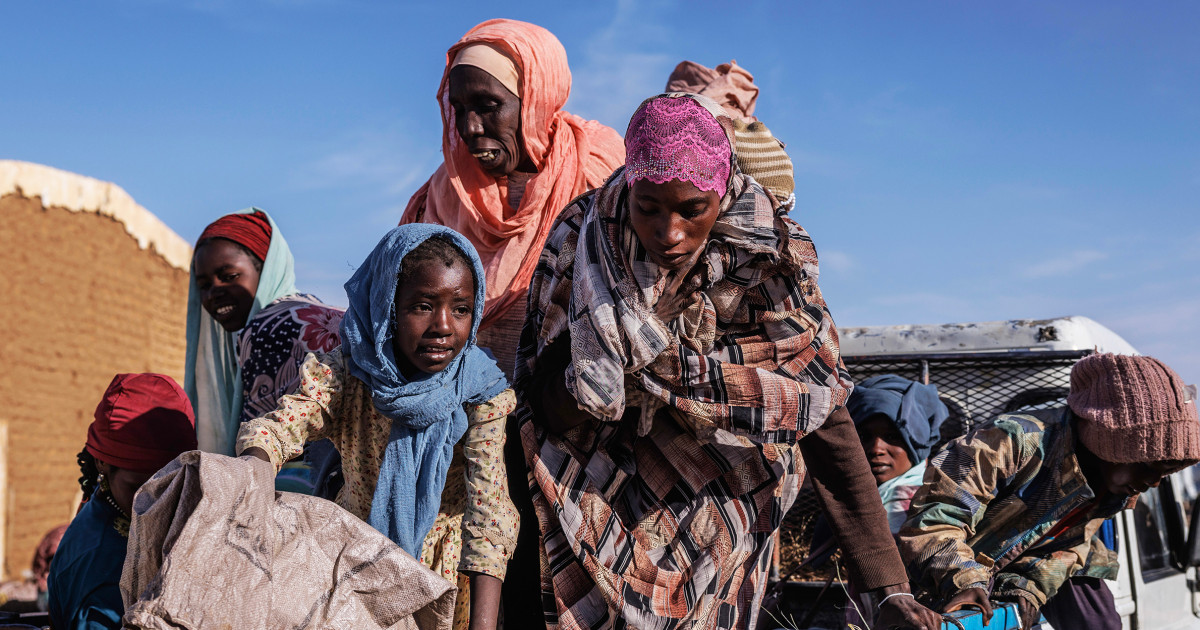
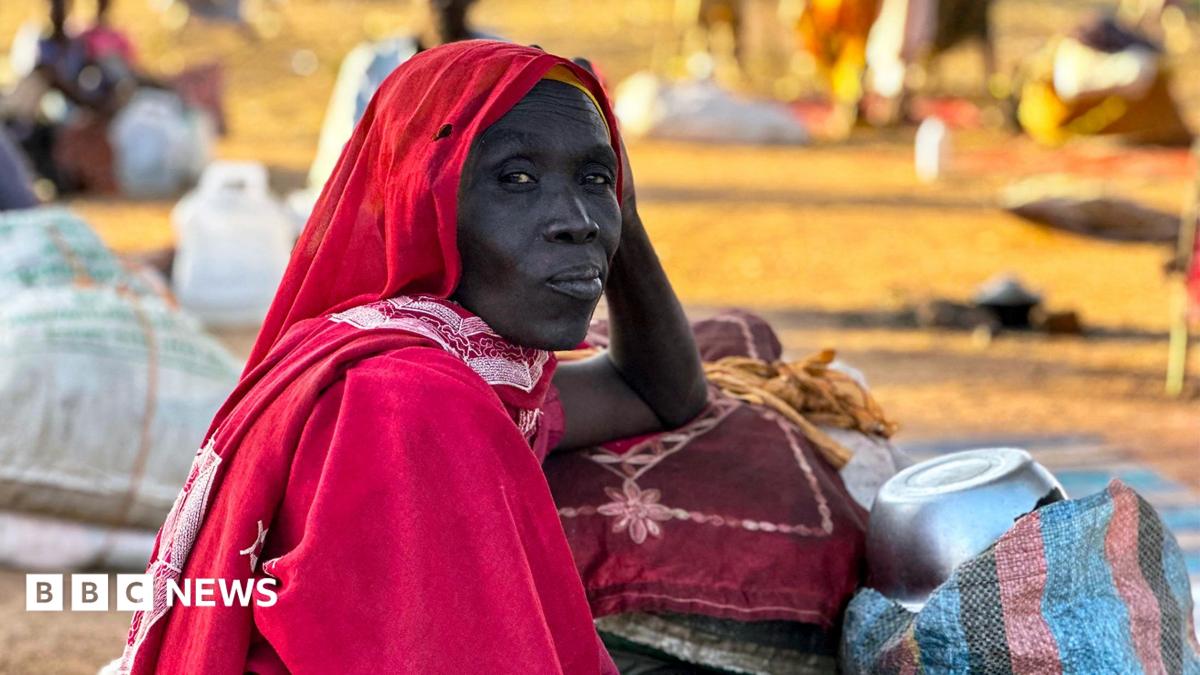
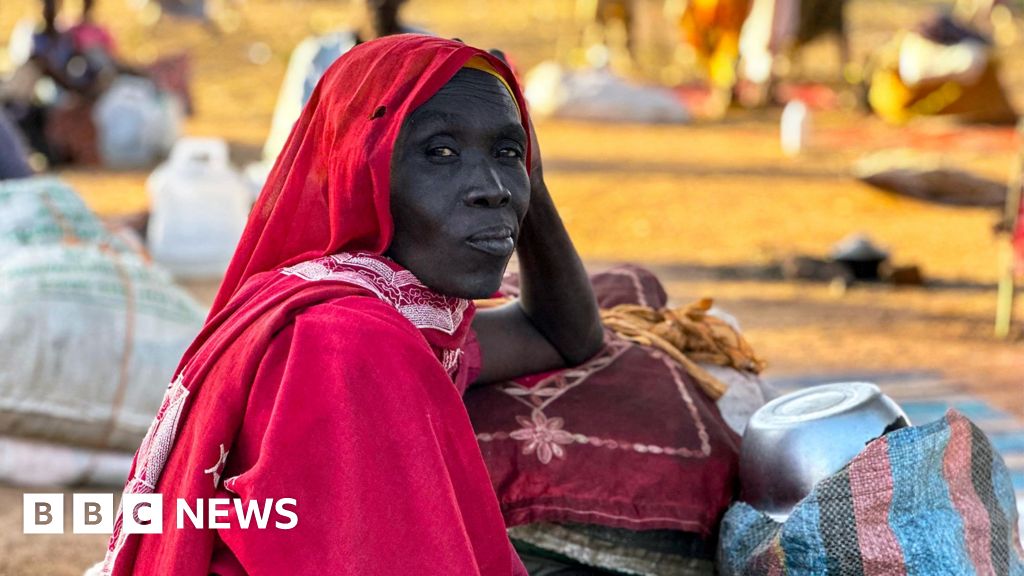
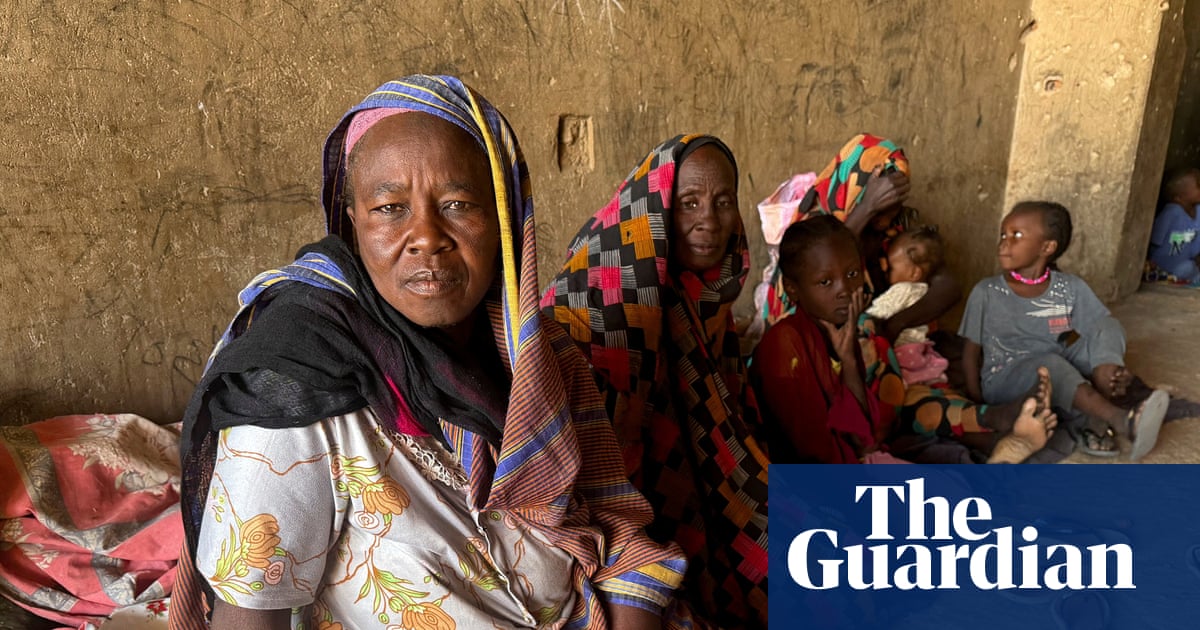
The Sudanese Armed Forces successfully regained control of Kurmuk on 8 July 2026, inflicting casualties and seizing equipment from the Rapid Support Forces. Simultaneously, the RSF intensified siege operations against El Obeid in North Kordofan, conducting 15 verified drone strikes between 6-28 June that killed at least 45 civilians including students. Civilians have suffered under siege-like conditions for 18 months, with recent displacement exceeding 11,000 people in two weeks including over 5,500 children. The RSF now encircles El Obeid from the north, west, and south while intensifying attacks on electrical infrastructure and markets, raising fears of atrocities similar to those seen in El Fasher last year where over 6,000 civilians perished.
Change from previous assessment
Compared to the prior brief issued on 8 July 2026, we have shifted from assessing an 'imminent assault' against El Obeid toward observing active siege operations already in progress, with 15 drone strikes verified in June killing at least 45 civilians. The recapture of Kurmuk by the SAF on 8 July represents a new military development that provides tactical advantages but does not immediately address the RSF's encirclement of El Obeid from three directions. Confidence in the humanitarian crisis assessment has decreased slightly due to contradictory casualty reporting, though displacement figures now include specific numbers of children among the 11,000 newly displaced persons. We have added new judgments regarding the concrete evidence linking RSF leadership to war crimes following the ICC's breakthrough announcement.
Key judgments
- The Rapid Support Forces very likely replicated El Fasher siege tactics against El Obeid between 6-28 June 2026, killing at least 45 civilians in 15 drone strikes while the Sudanese Armed Forces maintained control of the city following an 18-month siege. (Confidence: high · REPORTED)
- I&W: RSF forces storm central El Obeid administrative buildings (0-14 days)
- I&W: UN declares famine conditions in El Obeid (14-30 days)
- The Sudanese Armed Forces almost certainly recaptured the strategic town of Kurmuk from the Rapid Support Forces on 8 July 2026, inflicting casualties and seizing military assets to secure vital supply lines toward Blue Nile State. (Confidence: high · REPORTED)
- I&W: SAF establishes permanent military outpost in Kurmuk (7-21 days)
- I&W: RSF attempts counteroffensive to retake Kurmuk (0-14 days)
- The United Nations high commissioner very likely considers the situation in El Obeid to present imminent risk of large-scale atrocities mirroring El Fasher's trajectory, with up to 500,000 civilians at risk should violence intensify. (Confidence: medium · ASSESSED)
- I&W: UN declares protection of civilians mission failure in El Obeid (7-14 days)
- I&W: RSF blocks all humanitarian aid convoys to El Obeid (0-10 days)
- El Obeid faces very likely fuel shortages and economic collapse as drone strikes target supply routes, with merchants increasing prices up to 300 percent amid dwindling supplies. (Confidence: medium · ASSESSED)
- I&W: El Obeid hospitals report complete fuel depletion (7-21 days)
- I&W: Black market fuel prices exceed 400 percent of pre-strike levels (14-30 days)
- The International Criminal Court has medium confidence that it possesses concrete evidence linking Rapid Support Forces leadership to war crimes and crimes against humanity in Darfur, including systematic attacks on civilians in al-Geneina and al-Fashir. (Confidence: medium · REPORTED)
- I&W: ICC issues public arrest warrants for RSF leadership (30-90 days)
- I&W: UAE officials summoned to ICC for questioning (14-60 days)
Outlook & scenarios
El Obeid assault replicates El Fasher tragedy (35%)
The RSF completes encirclement of El Obeid and launches ground assault within three weeks, employing door-to-door executions and mass rape tactics witnessed in El Fasher. Over 5,000 civilians perish in direct attacks while famine conditions spread as humanitarian access collapses completely. International intervention remains limited to verbal condemnations as geopolitical divisions prevent effective action.
Kurmuk success triggers SAF counteroffensive (25%)
The recapture of Kurmuk enables the SAF to establish secure supply lines and mount a coordinated counteroffensive that breaks the RSF siege of El Obeid within six weeks. SAF advances toward West Darfur create conditions for localized ceasefires, allowing limited humanitarian access. However, sporadic violence continues across North Kordofan as both sides consolidate territorial gains.
Stalemate persists with escalating humanitarian crisis (30%)
Military operations reach equilibrium with RSF maintaining siege pressure around El Obeid while the SAF secures territory around Kurmuk. Civilian casualties continue from drone strikes at current rates while displacement exceeds 20,000 in North Kordofan. Fuel and medicine shortages trigger epidemic outbreaks, pushing 5 million people to the brink of famine without triggering sufficient international response.
Breakthrough in ICC investigation prompts leadership changes (10%)
The International Criminal Court's breakthrough evidence prompts internal power struggles within the RSF, leading to factional splits and leadership changes within 45 days. Key commanders defect with intelligence on war crimes networks, enabling targeted sanctions and military pressure that disrupts RSF operations against civilian populations. International support for the SAF increases as diplomatic isolation of RSF deepens.
Recommendations
- Coordinate urgent UN Security Council session to establish protected humanitarian corridor to El Obeid before RSF completes siege
- Deploy real-time satellite monitoring of RSF positions surrounding El Obeid to verify encirclement patterns and anticipate assault timing
- Accelerate processing of ICC evidence packages to facilitate potential arrest warrants against RSF leadership within one month
- Mobilise regional partners to pressure UAE officials implicated in RSF support networks through targeted financial sanctions
- Establish emergency fuel airlift to El Obeid hospitals using World Food Programme aircraft to prevent medical system collapse
Confidence & uncertainty
Overall confidence remains medium as most key developments regarding military operations around El Obeid and Kurmuk rest on multiple corroborated major media sources and UN reports. However, assessments regarding humanitarian impact face single-source limitations for certain metrics, particularly in calculating precise casualty figures across conflicting reports. The evidence of ICC investigation progress comes from only two major media outlets reporting similar statements from the same ICC official, while geopolitical dynamics regarding external support for RSF remain contested across diplomatic channels. Contradictions between casualty reports from June drone strikes (ranging from 20 to 45 deaths) and differences in describing El Obeid's encirclement pattern have necessitated lower confidence in specific tactical assessments.
Alternative analysis (red cell)
Available evidence confirms drone strikes caused civilian casualties during El Obeid's siege and indicates fuel shortages with rising prices, but does not establish tactical replication of El Fasher operations or economic collapse. The ICC's public assertions of 'concrete' and 'strong' evidence suggest high confidence in RSF leadership culpability, contradicting the medium-confidence assessment.
Intelligence gaps
- [EEI 1.1 · UNCOVERED] Observed concentrations and movement of armed units (size estimates, unit identifiers if visible) within X km of named towns/roads/airfields (e.g., El Fasher, Geneina, Nyala, Khartoum neighborhoods) including timestamps and direction of movement. Recommended collection: imagery/satellite
- [EEI 1.2 · UNCOVERED] Changes in employment of heavy weapons and systems: documented use or emplacement of artillery, multiple-launch rocket systems, tanks, combat helicopters, and airstrikes at specific coordinates and times. Recommended collection: open-source/media
- [EEI 1.3 · UNCOVERED] Reports or intercepts of orders, operational directives or public statements from RSF/SAF commanders indicating planned offensives, ceasefire acceptance/rejection, defensive postures or orders to withdraw from named locations. Recommended collection: signals/communications intercepts
- [EEI 1.4 · UNCOVERED] Status of critical infrastructure and lines of communication: control or denial of named bridges, main highways (identify route numbers), airfields, fuel depots and telecommunication hubs and any reported sabotage/blockage incidents. Recommended collection: human intelligence/field reporting
- [EEI 2.1 · UNCOVERED] Counts and locations of newly displaced persons arriving at formal sites, informal camps, border crossings or collective centers (daily/weekly arrivals, site coordinates), including demographics (women, children, elderly) where available. Recommended collection: humanitarian/UN OCHA reports
- [EEI 2.2 · UNCOVERED] Access impediments to humanitarian assistance: reported attacks on, blockages of, or denial of passage for named humanitarian convoys (dates, GPS locations, responsible actor if known) and closure status of specific routes. Recommended collection: human intelligence/field reporting
- [EEI 2.3 · UNCOVERED] Functional status of medical infrastructure in named locations: number of operational hospitals/clinics, reported shortages of key medicines/blood, and hospital casualty/occupancy figures for the last 72 hours. Recommended collection: medical/health cluster reporting
- [EEI 3.1 · UNCOVERED] Detection of flights, ships or overland convoys delivering military materiel or foreign personnel to named airfields, ports or border crossings (flight/IMO numbers, manifests if available, timestamps, route origin/destination). Recommended collection: air-traffic / maritime / border customs
- [EEI 3.2 · UNCOVERED] Imagery or on-the-ground confirmation of foreign military personnel or private military contractor bases/forward operating elements at specified coordinates or compounds, including vehicle/weapon types observed. Recommended collection: imagery/satellite
- [EEI 3.3 · UNCOVERED] Financial and sanctions-relevant indicators: atypical large transfers, use of designated front companies, or shipments routed through third states linked to procurement of weapons or fuel for RSF or SAF (transaction dates, parties, amounts where obtainable). Recommended collection: financial intelligence
Cited sources
[1] BBC · Sudan conflict: El-Obeid under constant drone strikes blamed on RSF (A) · sha256:9f751004164a [2] miragenews.com · UN Investigators Warn: El Obeid Must Not Be Next Crime Scene (A) · sha256:993f57760aa0 [3] source.ly · Why el-Obeid matters as Sudan’s war enters a new phase (B) · sha256:863a6c8344bf [4] Al Jazeera · الجيش السوداني يسيطر على مدينة الكرمك بولاية النيل الأزرق (A) · sha256:e44aa1dda154 [5] New York Post · UN probe says mass killings, rapes, abductions, starvation by Sudan force amount to genocide (B) · sha256:0899a26f9ffd [6] source.ly · ‘The situation is terrible’: aid workers on life in Sudanese city pummelled by drone strikes (A) · sha256:b02556f49068 [7] BBC · Sudan war: ICC tells BBC of breakthrough in war crimes investigation (A) · sha256:cdd25f451cbc [8] NBC News · Breakthrough made in Sudan investigation, International Criminal Court official says (A) · sha256:18e0e73af9fa [9] BBC · Sudan war: ICC tells BBC of breakthrough in war crimes investigation (A) · sha256:bf93e7e78fc6
Source content hashes were computed at collection time; the cited text is preserved unmodified for the life of this product.
Red cell review: PARTIAL DISSENT
TLP:CLEAR