TLP:CLEAR · Disclosure is not limited.
Russia: Hawk Pressure for Escalation amid Ukraine’s 26 June Drone Barrage
Time window: Last 7 days · Audience: General analyst · Type: Situation report · DTG: 2026-06-27 00:15Z · Overall confidence: MEDIUM
BLUF
Russian hardliners are publicly urging escalation, including extreme measures, amid Ukraine’s heaviest drone strikes across at least 12 Russian regions and Crimea. The Kremlin is signalling concern over escalation yet is reported to be resisting abandoning talks with the United States.
Executive summary
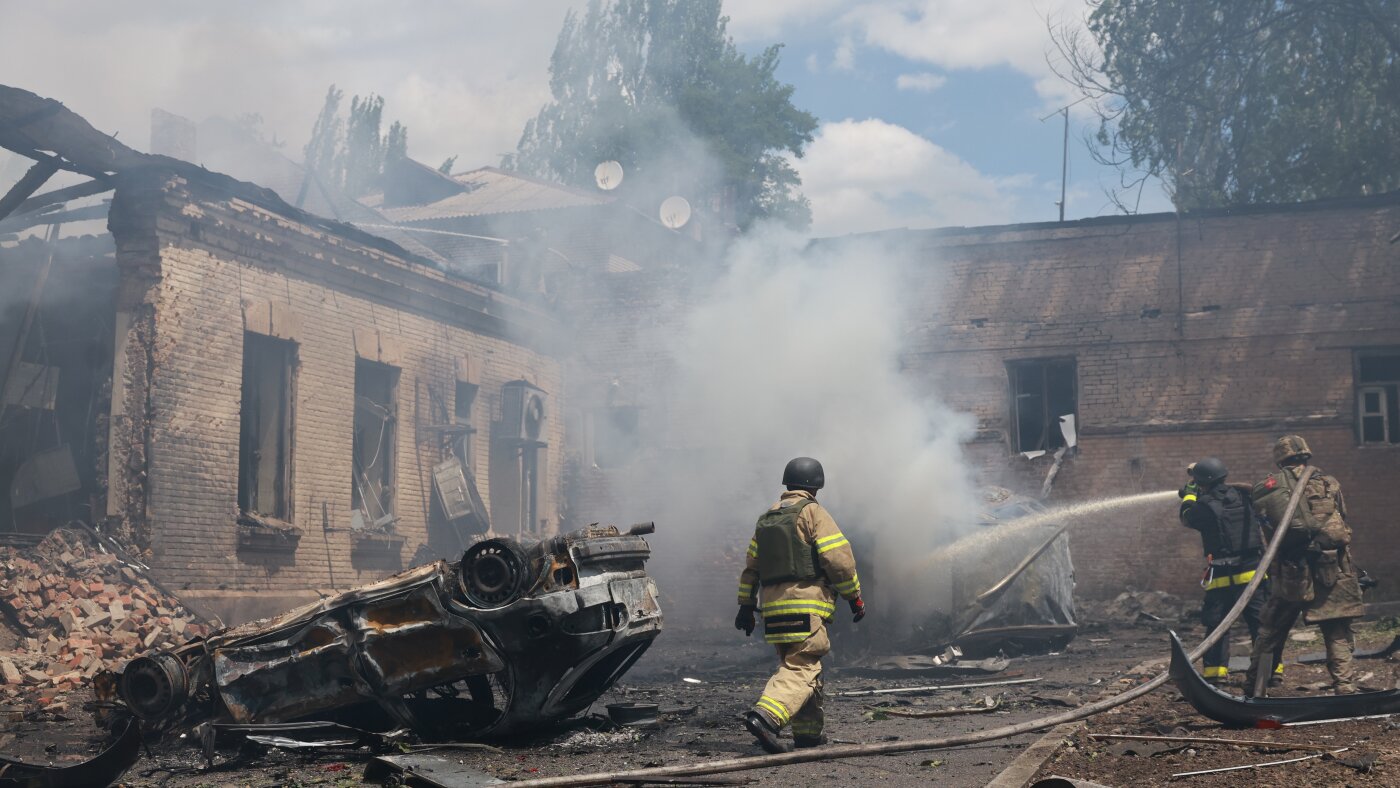
Ukraine launched one of its heaviest drone assaults on 26 June, striking at least 12 Russian regions and Crimea and hitting naval and air-defence targets around Kerch. Moscow authorities reported at least 47 inbound drones downed near the capital, while Russia’s defence ministry and state outlets issued divergent nationwide interception figures. Russian hardliners have called for abandoning diplomacy, with some advocating nuclear use, but reporting indicates the Kremlin is resisting such demands while voicing concern about escalation. Russian-installed authorities in Crimea suspended civilian fuel sales and announced emergency measures. Despite the rhetoric, Ukraine reported no Russian force build-up along its borders as of 26 June.
Key judgments
- Russian hardliners are likely to intensify public demands for escalation, including abandoning diplomacy, amid Ukraine’s 26 June multi‑region drone attacks and concentrated strikes on Crimea, with prominent nationalists even advocating nuclear use. (Confidence: medium · ASSESSED)
- I&W: Renewed statements by named hardliners, including Konstantin Malofeyev or similar figures, explicitly citing the 26 June strikes to argue for harsher retaliation or abandoning talks. (0-14 days)
- I&W: Submission or promotion in the State Duma of proposals expanding rules of engagement or endorsing escalatory thresholds tied to recent Ukrainian strikes. (1-3 months)
- The Kremlin is likely to maintain a restrained public posture, resisting calls to abandon negotiations with the United States while acknowledging the risks of escalation. (Confidence: medium · REPORTED)
- I&W: Official Kremlin statements reaffirming existing communication channels with Washington alongside language cautioning against uncontrolled escalation. (0-14 days)
- I&W: Announcement suspending or terminating U.S. dialogue formats or talks. (0-14 days)
- Ukrainian forces are very likely sustaining a deep‑strike campaign against Russian territory, including naval and air‑defence targets in Kerch, and will attempt to build on the 26 June multi‑region drone attack in the near term. (Confidence: medium · ASSESSED)
- I&W: Follow‑on Ukrainian long‑range strikes against refineries, naval vessels, or air‑defence systems in Crimea or deep inside Russia. (0-14 days)
- I&W: Ukrainian leadership signalling continuation of the SBU‑led 40‑day influence operation. (0-14 days)
- Russia likely lacks the manning depth to support a rapid, large‑scale escalation despite ongoing force‑expansion announcements, as analysts assess at least ten new divisions have been formed on paper but remain understrength and face staffing shortfalls. (Confidence: medium · ASSESSED)
- I&W: Open‑source reporting that newly formed divisions are deploying below doctrinal staffing levels or remain reliant on ad‑hoc recruitment drives. (1-3 months)
- I&W: Credible evidence of divisions reaching doctrinal manning and fielding, or a formally announced new mobilisation that materially fills ranks. (1-3 months)
- Official counts of drones used and intercepted on 26 June are inconsistent, indicating fog of war and narrative management around the attacks. (Confidence: medium · REPORTED)
- I&W: Further divergent drone interception tallies from the defence ministry and regional leaders without harmonised updates. (0-14 days)
- I&W: Consolidated national reporting with third‑party corroboration aligning the figures. (1-3 months)
- Despite escalatory rhetoric, Ukraine reports no detectable Russian force build‑up along the border as of 26 June. (Confidence: medium · REPORTED)
- I&W: Open‑source or official Ukrainian reporting of new Russian unit concentrations, equipment staging, or rail movements toward border sectors. (0-14 days)
- I&W: Continued absence of new Russian grouping activity in routine Ukrainian border assessments. (0-14 days)
Outlook & scenarios
Managed response with continued diplomatic signalling (50%)
Moscow sustains air and missile strikes within the current pattern, keeps channels with Washington open, and uses state media to modulate hawkish calls while voicing concern about escalation. The Kremlin’s posture remains calibrated, even as regional leaders publicise drone downings and disruption. This aligns with reported Kremlin resistance to abandoning U.S. talks and the government’s stated concern over escalation.
Calibrated conventional escalation (35%)
Russian forces increase the scale and frequency of conventional strikes, including additional Iskander‑M launches and large drone salvos against Ukrainian cities and infrastructure, seeking to deter further deep strikes. Civilian casualties in places such as Kharkiv recur, and authorities highlight interceptions and claimed kill counts. This builds on recent missile and drone activity and public casualty reporting.
Hardline swing and mobilisation steps (25%)
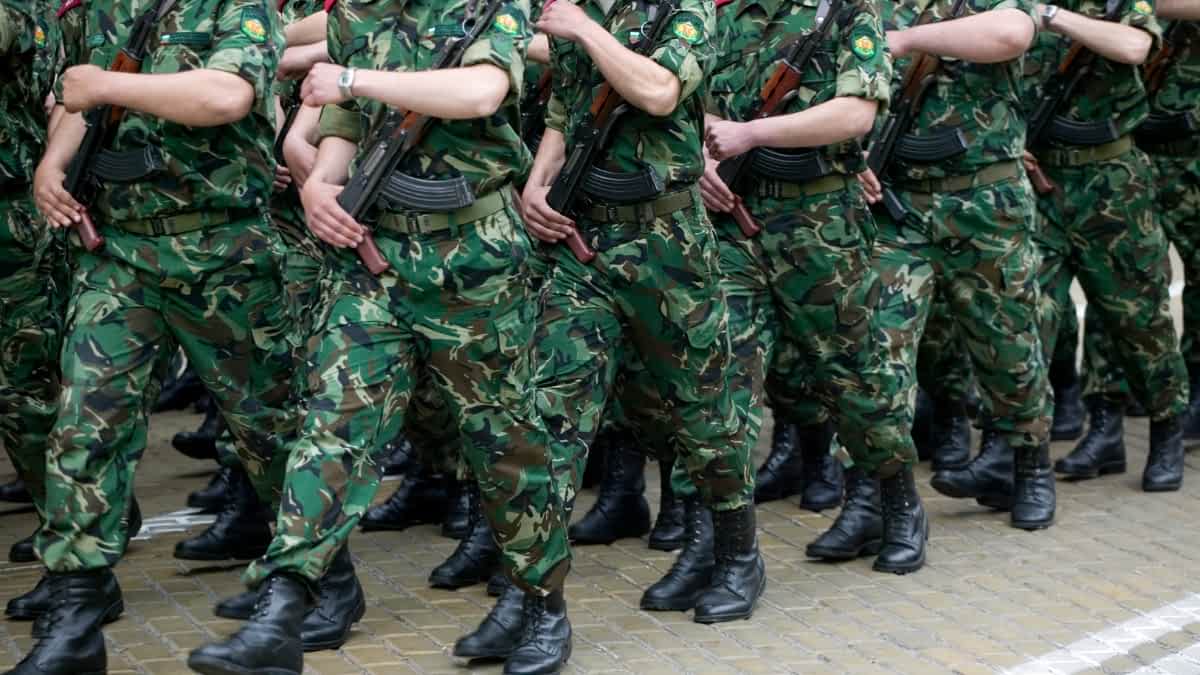
Hawk narratives gain traction, prompting tougher rhetoric, possible curbs on diplomacy, and renewed consideration of mobilisation measures after political milestones. Defence leaders amplify force‑expansion messaging, including unit reorganisation such as converting the 810th marine brigade to a division, despite lingering manning gaps. Public discussion of nuclear use remains rhetorical.
Recommendations
- Establish continuous OSINT monitoring of prominent Russian hawk ecosystems for explicit post‑26 June calls to escalate or abandon diplomacy, including references to nuclear options. Capture speaker identity, outlet, and any policy asks to quantify momentum.
- Task collection to validate or refute reported Russian border build‑ups, focusing on rail, road, and unit staging patterns along Ukrainian and Belarusian sectors flagged by Kyiv’s intelligence assessments.
- Track Russian manpower indicators: monitor legal and policy measures concerning foreigners serving in the Russian army and any renewed media signalling on mobilisation to infer pressure on force generation.
- Maintain a structured dataset logging official drone‑attack and interception counts by issuer, time, and location to identify patterns of divergence and probable narrative management around events like 26 June.
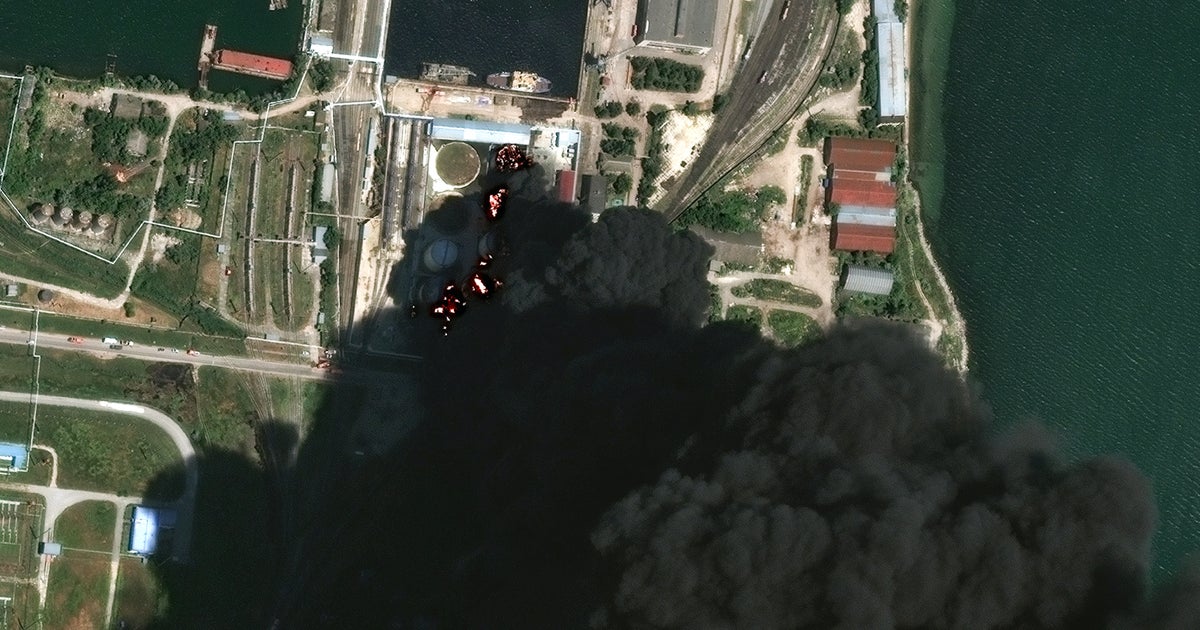
- Exploit NASA FIRMS thermal anomaly data to cross‑check reported strikes and fires at named facilities in Russia and Crimea following Ukrainian long‑range attacks. Prioritise sites mentioned in open reporting for rapid geolocation checks.
- Monitor unit‑formation and reorganisation claims, including the reported plan to convert the 810th marine brigade into a division and the status of newly formed divisions, for signs of genuine readiness improvements versus nominal expansion.
- Track Ukrainian long‑range campaign signalling, including leadership statements about intensifying strikes and the SBU’s 40‑day influence operation timeline, to anticipate Russian retaliatory cycles.
Confidence & uncertainty
Overall confidence is medium. The brief rests on multiple high‑reliability major‑media and official claims that corroborate heavy Ukrainian drone activity on 26 June, SBU strikes around Kerch, competing Russian drone‑interception tallies, hawkish calls to escalate, and Kremlin signalling on talks. Some elements draw on earlier, well‑sourced reporting of hawk pressure that we assess remains relevant, but the temporal gap lowers confidence. Divergent Russian figures on drone interceptions and casualty reporting also introduce uncertainty. Force‑structure assessments rely on analyst reporting that is consistent but indirect, meriting a medium confidence level. If we had more contemporaneous, multi‑source confirmation of current hawk pressure and Russian force manning, confidence could be higher.
Alternative analysis (red cell)
The underlying evidence is uneven: claims of intensified hardliner pressure and a sustained Ukrainian deep‑strike campaign are supported by limited or single‑origin reporting and isolated statements (see 1b92294e; 44dcd604; de4d623a; 7f211066). Conversely, Kremlin restraint (c854b447) and reports of no Russian buildup (25da4feb; 230b1010) rest on sparse, non‑independent signals that do not preclude covert shifts. A more cautious estimate is that hardliner rhetoric will increase but may remain constrained to fringe actors for now; Kyiv likely demonstrated capability to strike deep on 26 June, but evidence for a sustained campaign or Russia’s inability to mobilize remains inconclusive without independent ISR and multi‑source confirmation.
Cited sources
[1] HuffPost · Russian Hawks Urge Putin To Escalate War, Drop U.S. Talks As Ukraine Strikes Deep (B) · sha256:dca0f9c154e3 [2] CBS News · Ukraine launches huge drone attack on Russia and occupied Crimea as it seeks to force Putin "to end the war" (A) · sha256:8ee46a2cfbaa [3] wxxinews.org · Ukraine unleashes one of its heaviest drone bombardments, as Russia strikes Ukraine (A) · sha256:92abf5cab8bd [4] nypost.com · Russia reports one of the biggest Ukrainian drone attacks on its soil and annexed Crimea (B) · sha256:c0d980b546b9 [5] NPR · Ukraine unleashes one of its heaviest drone bombardments, as Russia strikes Ukraine (A) · sha256:a19502a1c66c [6] zaks.ru · ��������� ������ ������� ������� ������ ������ (D) · sha256:41ac40aca553 [7] The Moscow Times · Russian Army Downs Nearly 700 Ukrainian Drones Overnight - The Moscow Times (B) · sha256:64d8af7abb2d [8] cursorinfo.co.il · РФ заявила о масштабном наращивании армии, но есть нюанс (B) · sha256:cd69a43e0137 [9] 19fortyfive.com · Target Moscow: The Ukraine War Has Come Right to Putin's Doorstep (B) · sha256:fb1b405876e5
Source content hashes were computed at collection time; the cited text is preserved unmodified for the life of this product.
Red cell review: PARTIAL DISSENT
TLP:CLEAR