TLP:CLEAR · Disclosure is not limited.
Russia-Ukraine: Deep-strike escalation and largely static front, 12-19 June 2026
Time window: Last 7 days · Audience: General analyst · Type: Situation report · DTG: 2026-06-19 07:16Z · Overall confidence: MEDIUM
BLUF
Ukraine very likely executed its largest drone strike of the war against the Moscow region on 18 June, while Russia very likely maintained a high-tempo long-range strike campaign against Ukraine. The ground line is likely largely unchanged, with the fiercest fighting around Pokrovsk and Huliaipole and an elevated risk of further Russian mass reprisals.
Executive summary
Open-source reporting indicates a sharp escalation in reciprocal deep strikes: Ukraine very likely hit the Moscow Oil Refinery and briefly shut all four Moscow airports on 18 June, with at least 17 people wounded in Moscow Oblast. Russia very likely continued high-tempo missile and drone attacks that injured civilians in Zaporizhzhia, caused power outages in Dnipropetrovsk, Donetsk, Zaporizhzhia and Kharkiv, and inflicted economic losses in Kyiv. Along the front, the fiercest fighting remains near Pokrovsk and Huliaipole and Russian forces attempted advances, but Ukrainian defenders likely held in many sectors. Claims of major territorial changes around Lyman and Kramatorsk are unverified. Ukraine’s interdiction campaign against Russian logistics, including strikes in Crimea and public statements tying logistics hits to reduced Russian assaults, is likely shaping the operational tempo. UK-led assistance is likely to sustain Ukraine’s drone and air-defence posture through 2026.
Change from previous assessment
Compared with the 18 June brief, this update adds high-confidence reporting that 18 June saw Ukraine’s largest drone attack of the war against the Moscow region with refinery damage and airport shutdowns, and includes additional impacts from Russian long-range strikes, including injuries in Zaporizhzhia and power outages across four oblasts. Our assessment that the ground line remains largely unchanged is retained but flagged with low confidence given unverified claims of major gains near Lyman and Kramatorsk. We raise the assessed risk of further Russian mass reprisals in the near term. Initial assessment of this topic’s interdiction effects is strengthened by public statements linking logistics strikes to a reported reduction in Russian assaults.
Key judgments
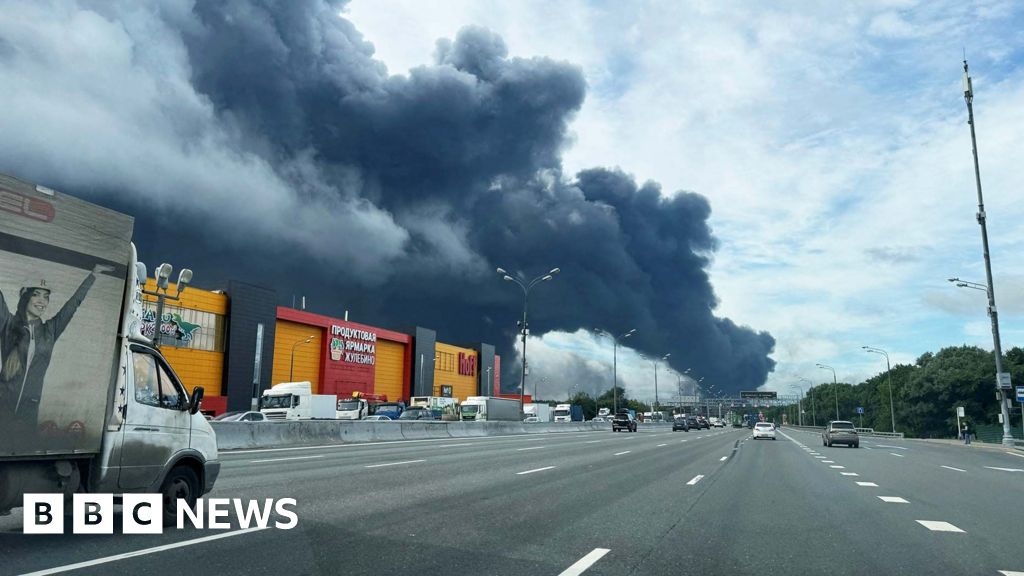
- Ukraine very likely conducted its largest drone strike of the war against the Moscow region on 18 June, hitting the Moscow Oil Refinery, briefly shutting all four Moscow airports, and wounding at least 17 people in Moscow Oblast. (Confidence: high · REPORTED)
- I&W: Additional geolocated imagery showing new damage at the Moscow Oil Refinery or other refineries around Moscow (0-14 days)
- I&W: Repeated NOTAMs or airport authority notices of temporary closures at Sheremetyevo, Domodedovo, Vnukovo or Zhukovsky (0-14 days)
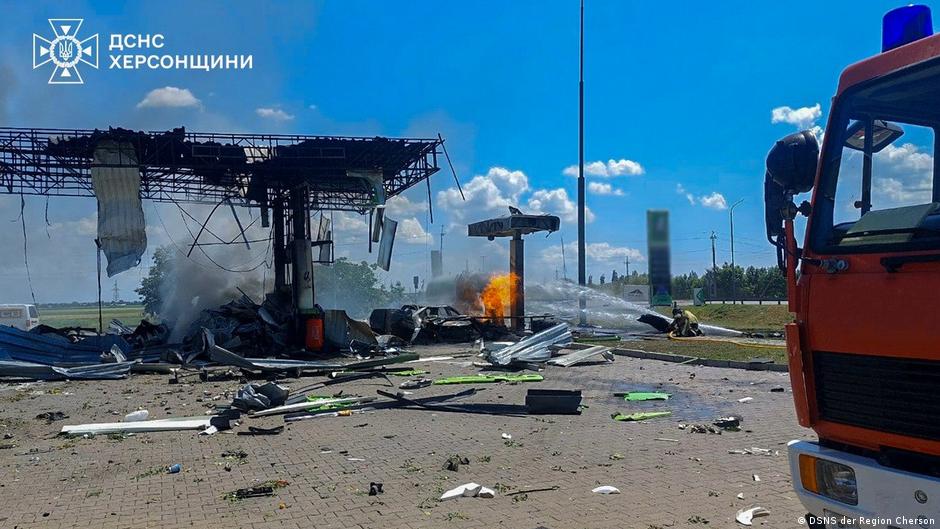
- Russia very likely sustained a high-tempo long-range strike campaign against Ukraine in recent days, employing missiles and over 100 drones, with Ukrainian air defence reporting 114 drones shot down or suppressed; impacts included civilian injuries in Zaporizhzhia, regional power outages in four oblasts, and economic losses in Kyiv. (Confidence: high · REPORTED)
- I&W: Official oblast reports of continued grid outages or repair works in Dnipropetrovsk, Donetsk, Zaporizhzhia and Kharkiv (0-14 days)
- I&W: Daily strike tallies including large drone salvos paired with air-defence engagement claims above 100 intercepts (0-14 days)
- The front line is likely largely unchanged during 12-19 June, with the fiercest fighting around Pokrovsk and Huliaipole and Russian attempts to advance being contained in many sectors; social-media claims of major gains near Lyman and a beginning encirclement of Kramatorsk remain uncorroborated. (Confidence: low · ASSESSED)
- I&W: Geolocated evidence from either side confirming control changes along the Pokrovsk or Huliaipole axes (0-14 days)
- I&W: Verified capture announcements or encirclement evidence around Lyman or Kramatorsk (0-14 days)
- Ukraine likely intensified a deliberate interdiction campaign against Russian logistics in the deep rear and occupied Crimea, which Ukrainian officials assess is reducing Russian assault rates and progressively isolating Crimea. (Confidence: medium · ASSESSED)
- I&W: Additional strikes disabling bridges, rail lines or depots in northern Crimea with documented traffic disruption (0-14 days)
- I&W: Sustained reporting of reduced Russian assault counts consistent with interdiction effects (0-14 days)
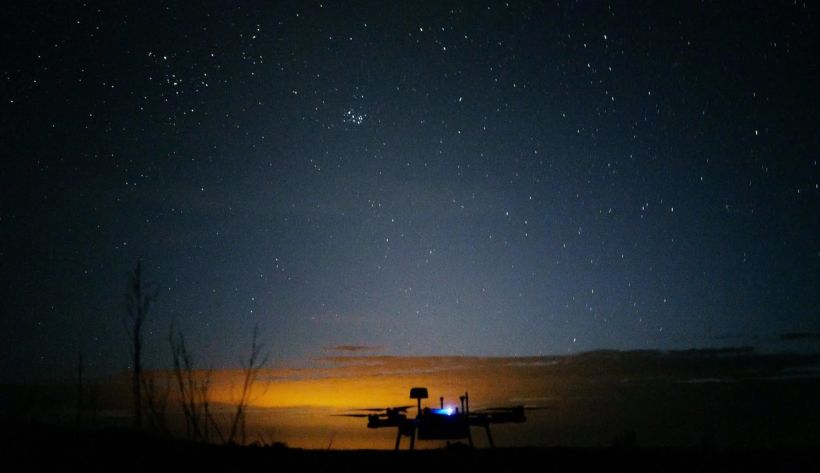
- Western assistance, led by the UK, is likely to sustain and improve Ukraine’s drone and air-defence capacity through 2026, including deliveries of drones and more than 350 air-defence missiles and radars and enhanced multinational coordination. (Confidence: medium · ASSESSED)
- I&W: Public delivery updates from the UK on drone consignments or air-defence munitions (1-3 months)
- I&W: Formal confirmation of the UK assuming command of the Multinational Force for Ukraine Headquarters (0-3 months)
- Following Ukraine’s 18 June strike on the Moscow region, Russia is likely to pursue further large-scale retaliatory strikes, consistent with prior public warnings of mass attacks. (Confidence: medium · ASSESSED)
- I&W: Announcement or execution of massed missile and drone salvos against multiple Ukrainian cities within short intervals (0-14 days)
- I&W: De-escalatory official messaging paired with a measurable reduction in strike tempo (0-14 days)
Outlook & scenarios
Strike-for-strike equilibrium, static ground line (60%)
Reciprocal deep strikes persist at a high tempo, with intermittent airport disruptions around Moscow and continued Russian salvos against Ukrainian cities and energy nodes. The ground line around Pokrovsk and Huliaipole holds with only tactical shifts, and claims of larger encirclements remain unverified.
Russian mass reprisals and localised ground pressure (40%)
Moscow responds to the 18 June attack with massed missile and drone barrages that increase damage to Ukraine’s grid and complicate air-defence stock management. Russian forces apply local pressure near Pokrovsk but achieve only incremental gains.
Ukrainian interdiction effects accumulate (30%)
Sustained Ukrainian strikes on Russian logistics, including in Crimea, further reduce Russian assault rates and complicate rear supply. Ukrainian defenders stabilise and consolidate positions, with selective counterattacks restoring limited tactical ground.
Low-probability wildcard: Verified breakthrough in Donetsk sector (15%)
Claims of large-scale gains around Lyman or Kramatorsk are confirmed with geolocated evidence, producing an operational wobble that forces rapid redeployments and alters the tempo along adjacent sectors.
Recommendations
- Prioritise geolocation and control-line verification on the Pokrovsk and Huliaipole axes; maintain a curated set of before-and-after imagery to detect genuine line changes versus recycled or mislabelled content.
- Task systematic collection of Russian NOTAMs, airport disruption notices and local governor statements to track frequency, duration and geographic spread of Moscow-region closures following drone activity.
- Build a rolling crosswalk of Russian salvo size versus Ukrainian air-defence engagement claims, linked to reported impacts on civilians, grid outages and repair timelines in Dnipropetrovsk, Donetsk, Zaporizhzhia and Kharkiv.
- Expand monitoring of Ukrainian interdiction against Crimean and southern logistics: catalogue bridge, rail and depot strikes with traffic-flow indicators to assess cumulative isolation effects.
- Track delivery signals for UK-backed drone and air-defence packages and the UK’s assumption of MNF-U command; map announced deliveries against observed defensive performance in subsequent salvos.
- Flag and triage major territorial-claim narratives from social media around Lyman and Kramatorsk; require geolocated, time-stamped corroboration before updating assessed control lines.
Confidence & uncertainty
Confidence is high for the reciprocal deep-strike picture in the 18 June window, supported by multiple independent reports on refinery damage, Moscow airport shutdowns, injuries in Moscow Oblast, Russian salvo size and Ukrainian air-defence activity. Confidence is lower on ground-line movement due to sparse corroborated battlefield evidence and the presence of single-source social-media claims of large gains around Lyman and Kramatorsk. Assessments on interdiction effects and future strike risks rest on medium-confidence official and media reporting, with plausible causal links but limited independent quantification.
Alternative analysis (red cell)
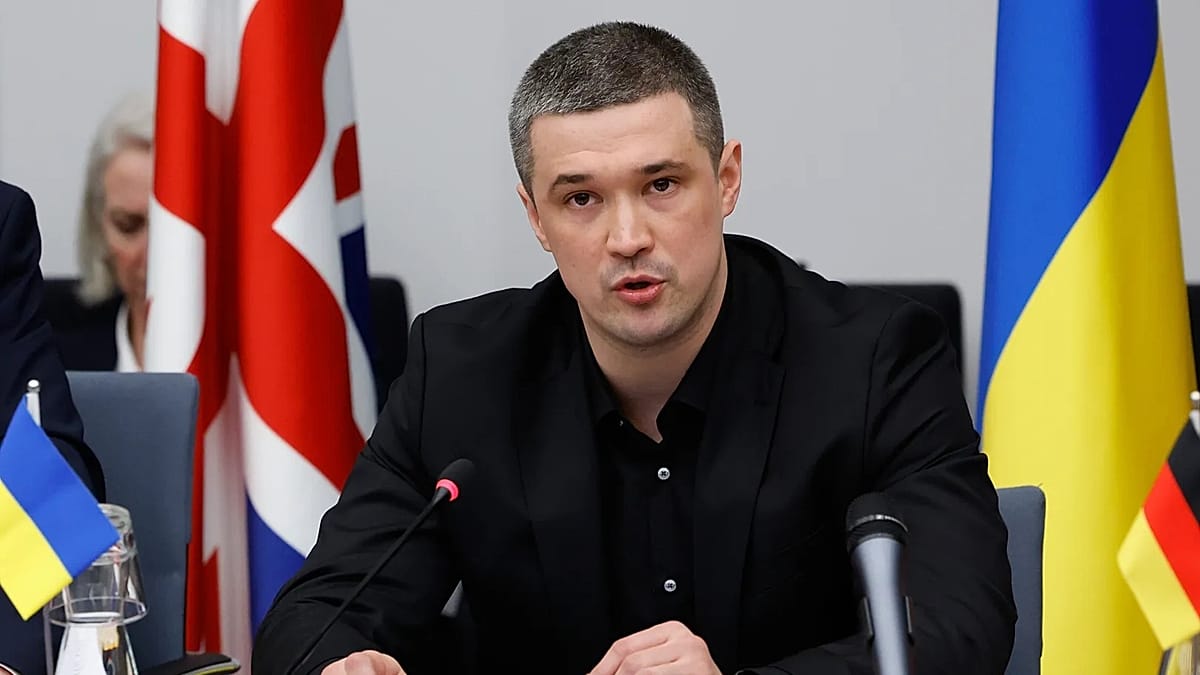
Several judgments rely disproportionately on single-source clusters (notably a21f4eee/23ac1bc1) and on political statements (Fedorov, Lavrov) rather than independent operational indicators. Alternative, defensible readings include: the Moscow-region incident could be misattributed or accidental; localized frontline gains reported on social media (Lyman/Kramatorsk) could reflect real tactical changes; and announced Western assistance does not equal confirmed deliveries or immediate operational effect. Robust ISR, forensic evidence, logistics manifests, and interoperable verification would materially change these assessments.
Intelligence gaps
- [EEI 1.1 · UNCOVERED] Geotagged UAV/satellite imagery showing abandoned defensive positions or newly occupied settlements. Recommended collection: overhead imagery
- [EEI 1.2 · UNCOVERED] Confirmed movement of frontline ambulance evacuation routes beyond previous coordinates. Recommended collection: SIGINT/medical logistics
- [EEI 2.1 · UNCOVERED] Concentration of assault battalions (≥3 mechanized companies) within 15km of contact line. Recommended collection: SIGINT/UAV
- [EEI 2.2 · UNCOVERED] Unusual artillery stockpile buildup at forward depots exceeding 30-day consumption rates. Recommended collection: overhead imagery/logistics
- [EEI 3.1 · PARTIAL] Bridge structural damage assessments at 5 key Dnieper River crossings via multispectral imaging. Recommended collection: overhead imagery
- [EEI 3.2 · UNCOVERED] Rail traffic volume changes at Kryvyi Rih and Pokrovsk rail hubs compared to 7-day baseline. Recommended collection: commercial freight data
Cited sources
[1] forbes.com · Thursday, June 18. Russia’s War On Ukraine: News And Information From Ukraine (A) · sha256:a87d642f6913 [2] The Gaze · Moscow Refineries UNDER NIGHT DRONE ATTACK as roads to Crimea ARE DESTROYED (B) · sha256:d9f420441060 [3] BBC · Moscow residents complain of black rain after largest Ukrainian attack hits oil refinery (A) · sha256:c71ad8db7497 [4] dw.com · ВС России атаковали дроном скорую помощь в Херсоне (A) · sha256:9793e4c447af [5] Freedom · На южном фронте резко уменьшилось количество российских штурмов из-за ударов ВСУ по логистике — карта войны за 18 июня (ВИДЕО) - Freedom (B) · sha256:0d02ab87b3bc [6] Front Jem · Dobropillia Offensive eskaliert⚔️Lyman 80% eingenommen🔥Kramatorsk Einkreisung beginnt🎯 Ukraine krieg (E) · sha256:92349f9578e4 [7] kyivindependent.com · 'Hell is beginning' — Ukraine could isolate occupied Crimea as drone strikes disrupt logistics, Fedorov says (B) · sha256:0672fd3fbf3a [8] euronews.com · Crimea will turn into an island, Ukraine’s defence minister says (B) · sha256:a96384b4ce25 [9] gov.uk · £750 million package to provide Ukraine with 150,000 drones and boost air defence (A) · sha256:88862617e26d
Source content hashes were computed at collection time; the cited text is preserved unmodified for the life of this product.
Red cell review: PARTIAL DISSENT
TLP:CLEAR