TLP:CLEAR · Disclosure is not limited.
Russia-Ukraine front line, 7-14 June 2026: high strike tempo, Ukrainian deep strikes, contested Kostyantynivka
Time window: Last 7 days · Audience: General analyst · Type: Situation report · DTG: 2026-06-14 07:12Z · Overall confidence: MEDIUM
BLUF
Russian long-range strike activity stayed high into mid-June while Ukraine hit oil and port targets in Krasnodar Krai and Volgograd on 11-13 June. The Kostyantynivka axis remains contested, with Russian gains inside the town and Ukrainian counteractions nearby; civilian harm persisted in Dnipropetrovsk.
Executive summary
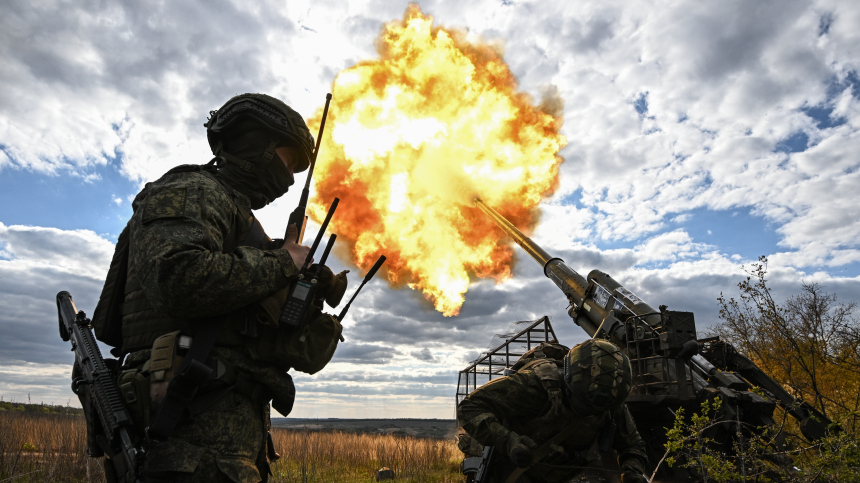
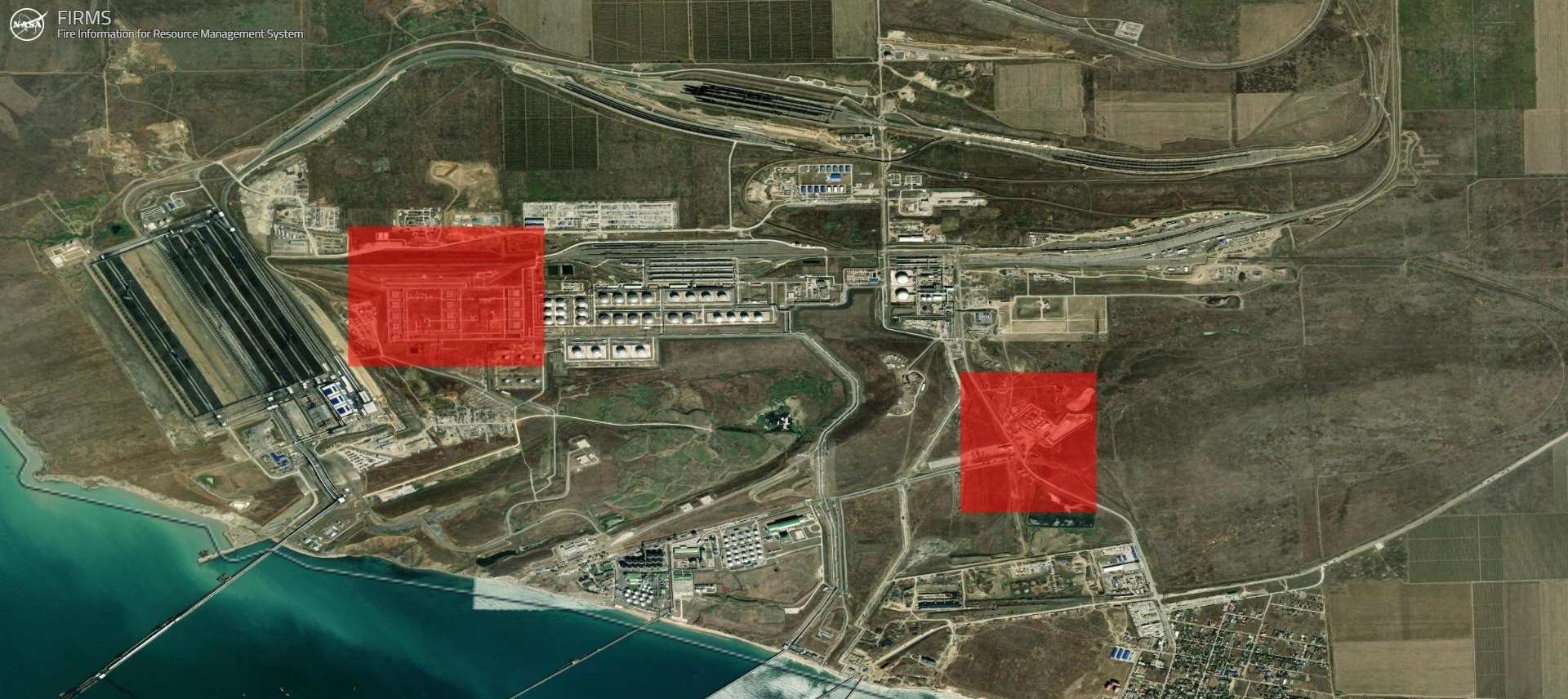
Russian forces kept up a very high rate of long‑range attacks, including the war’s largest ballistic and hypersonic salvo on 1-2 June and over 2,400 drones and 77 missiles between 1-9 June, followed by a fresh 117‑drone wave reported overnight during this period. Ukraine sustained deep strikes against Russian oil and port infrastructure 11-13 June, hitting Tamanneftegaz near Temryuk and an oil facility near Kotovo in Volgograd, with fires reported and at least one fatality. Fighting around Kostyantynivka is fluid: Russian elements appear to be making gains and claim partial control, while Ukrainian forces mount fierce resistance and have recent advances in the broader Kostyantynivka, Druzhkivka area. Civilian harm and disruption continued in Dnipropetrovsk region, with more than 20 strikes across three districts and nine people injured. Satellite thermal detections in Ukraine during 13-14 June are consistent with ongoing kinetic activity but do not themselves show cause.
Change from previous assessment
Since the 13 June brief, new reporting identifies fresh Russian mass UAV activity and a Ukrainian deep‑strike wave against Russian oil and port sites on 11-13 June, plus a more contested picture around Kostyantynivka with concurrent Russian gains and Ukrainian push‑backs. Satellite detections indicate ongoing heat events in the last 48 hours. Confidence on the front‑line control assessment has been adjusted downward due to conflicting accounts. Initial assessment of IRBM use is added as a low‑probability wildcard.
Key judgments
- Russian forces very likely maintained a high long‑range strike tempo into mid‑June, including the war’s largest ballistic and hypersonic salvo on 1-2 June, over 2,400 drones and 77 missiles between 1-9 June, and a further 117‑drone wave reported overnight this week; satellite thermal detections in Ukraine on 13-14 June are consistent with continued strike activity. (Confidence: high · ASSESSED)
- I&W: Ukrainian Air Force nightly reports show multiple 100+ drone launch nights within a single week. (0-14 days)
- I&W: A sustained seven‑day period with no large drone or missile salvos reported across Ukraine. (0-14 days)
- Ukraine likely sustained a coordinated deep‑strike campaign against Russian oil and port infrastructure on 11-13 June, hitting the Tamanneftegaz terminal near Temryuk, a sea terminal in Krasnodar Krai, and an oil processing and pumping facility near Kotovo in Volgograd region, triggering major fires and causing at least one death and three injuries; earlier strikes had already suspended processing at Lukoil’s Volgograd refinery. (Confidence: medium · ASSESSED)
- I&W: Additional geolocated fires or outage notices at Temryuk or adjacent Tamanneftegaz facilities and follow‑on damage reports near Kotovo. (0-14 days)
- I&W: Rapid restoration statements and normalised loading activity at Temryuk terminals visible in open AIS and port updates. (0-14 days)
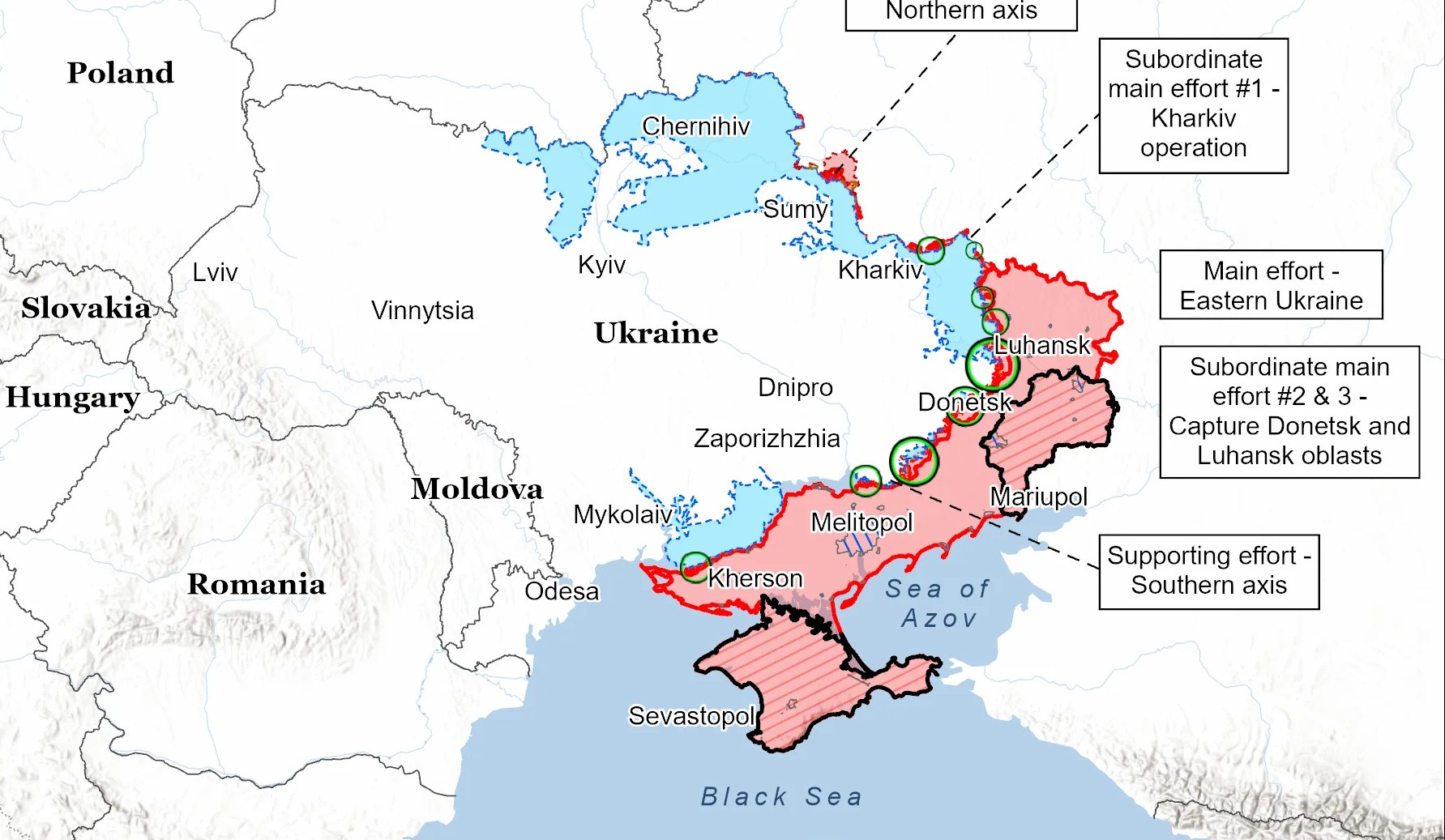
- Control of Kostyantynivka is contested: it is likely that Russian forces are making local gains inside the town and claim partial control and presence in multiple locations, while Ukrainian forces continue to resist and have recently advanced in the wider Kostyantynivka, Druzhkivka tactical area. (Confidence: medium · ASSESSED)
- I&W: Verified geolocated imagery of Russian units operating near the Svyato‑Sretensky Cathedral and other central landmarks in Kostyantynivka. (0-14 days)
- I&W: Ukrainian geolocated footage or official reporting showing cleared Russian positions and re‑established defensive lines inside the town. (0-14 days)
- Civilian harm and disruption remained elevated this week: Russian attacks struck three districts of Dnipropetrovsk region more than 20 times and injured nine people, consistent with nationwide attacks between 1-9 June that killed 98 civilians and injured over 680. (Confidence: high · REPORTED)
- I&W: Local authorities in Dnipropetrovsk report a decrease to fewer than five strike incidents per week. (0-14 days)
- I&W: Hospital casualty intakes in Dnipropetrovsk surge following renewed large salvos. (0-14 days)
Outlook & scenarios
Sustained reciprocal deep‑strike campaign (60%)
Russia keeps up frequent drone and missile launches while Ukraine continues hitting fuel and port infrastructure in Krasnodar Krai and Volgograd. Expect intermittent fires, temporary shutdowns at targeted facilities, and periodic mass‑launch nights over Ukraine.
Russian consolidation in Kostyantynivka (40%)
Russian forces convert local gains into firmer control of southern and central sectors of Kostyantynivka, pushing Ukrainian defences back and increasing pressure along the axis toward the Kramatorsk agglomeration.
Ukrainian stabilisation around Kostyantynivka, Druzhkivka (35%)
Ukrainian counteractions hold or retake contested blocks in Kostyantynivka while improving positions in the wider Kostyantynivka, Druzhkivka area, blunting Russian momentum and limiting further tactical gains.
Wildcard: Russian IRBM use escalates strike profile (20%)
Russian forces employ an Oreshnik intermediate‑range ballistic missile within days, raising the destructive potential of strikes and testing Ukrainian and partner air defence planning.
Recommendations
- Prioritise daily aggregation of Russian strike tallies with a simple dashboard that charts missile and UAV launch numbers, impact locations and casualty reports; use satellite thermal detections as a cross‑check for large fire events and outliers.
- Task geolocation teams to validate control claims in Kostyantynivka using identifiable landmarks such as the Svyato‑Sretensky Cathedral and municipal facilities; maintain a running block‑level control map for rapid updates.
- Stand up a targeted collection track on Russian fuel logistics in Krasnodar Krai and Volgograd: monitor reported fires, refinery and terminal status, and AIS patterns at Temryuk and adjacent terminals to spot operational slowdowns.
- Maintain a rolling incident log for Dnipropetrovsk region capturing strike type, frequency and casualty data to flag any break from the current elevated harm pattern and to support anticipatory warning for local partners.
Confidence & uncertainty
Overall confidence is medium. Reporting on strike tempo and associated casualties rests on high‑reliability official statements, with supportive satellite detections for recent days. The deep‑strike activity against Russian oil and port infrastructure is corroborated by multiple major‑media and official Ukrainian statements, though detailed damage and duration of disruption remain uncertain. The tactical picture in Kostyantynivka is less clear due to competing claims from Russian media and independent assessments, so assessments there carry lower confidence and rely on additional visual corroboration.
Alternative analysis (red cell)
Reporting on very high strike volumes, an asserted coordinated Ukrainian deep‑strike campaign into Russian infrastructure, and firm Russian consolidation in Kostyantynivka rests substantially on lower‑admiralty and single‑origin tactical reports with some internal contradictions (see tradecraft_lint_findings: contradiction_unaddressed and contradictions entries). It is therefore plausible that strike counts and casualty totals are overstated or misattributed, that the Russian‑side infrastructure incidents were discrete rather than a single coordinated campaign, and that control of Kostyantynivka remains highly fluid rather than reflecting clear Russian consolidation. Additional multi‑sensor imagery, independent forensic attribution, and multiple corroborating human sources would materially change confidence in these judgments.
Intelligence gaps
- [EEI 1.1 · UNCOVERED] Geotagged UAV/satellite imagery showing abandoned defensive positions or newly occupied settlements. Recommended collection: overhead imagery
- [EEI 1.2 · PARTIAL] Confirmed movement of frontline ambulance evacuation routes beyond previous coordinates. Recommended collection: SIGINT/medical logistics
- [EEI 2.1 · UNCOVERED] Concentration of assault battalions (≥3 mechanized companies) within 15km of contact line. Recommended collection: SIGINT/UAV
- [EEI 2.2 · UNCOVERED] Unusual artillery stockpile buildup at forward depots exceeding 30-day consumption rates. Recommended collection: overhead imagery/logistics
- [EEI 3.1 · UNCOVERED] Bridge structural damage assessments at 5 key Dnieper River crossings via multispectral imaging. Recommended collection: overhead imagery
- [EEI 3.2 · UNCOVERED] Rail traffic volume changes at Kryvyi Rih and Pokrovsk rail hubs compared to 7-day baseline. Recommended collection: commercial freight data
Cited sources
[1] UK Government · Russia is not serious about peace and its war against Ukraine is increasingly unsustainable: UK statement to the OSCE (A) · sha256:34a36ee5785c [2] Institute for the Study of War (ISW) · ISW Russian Offensive Campaign Assessment, June 12, 2026 (B) · sha256:4cfb9483d4aa [3] NASA · NASA FIRMS thermal detections — Ukraine (2d) (A) · sha256:d0aa909a4e6a [4] gcaptain.com · Ukraine Drone Strikes Sparks Fire At Russian Port (A) · sha256:4f1dfffaf9fa [5] CBS News · Ukrainian drone attack kills 1, injures 3 in southern Russia and triggers fire at sea terminal (A) · sha256:0bfeafbcb0d5 [6] kyivpost.com · Ukrainian Drones Strike Strategic Krasnodar Marine Terminals (B) · sha256:f82a918186ab [7] 5-tv.ru · Занимаем укрытие за укрытием: как идут бои в Константиновке (B) · sha256:2556aca1c4cd
Source content hashes were computed at collection time; the cited text is preserved unmodified for the life of this product.
Red cell review: PARTIAL DISSENT
TLP:CLEAR