TLP:CLEAR · Disclosure is not limited.
Russia-Ukraine Front Line: Ballistic Pressure on Cities, Ukrainian Deep Strikes Squeeze Russian Fuel and Crimea Links
Time window: Last 7 days · Audience: General analyst · Type: Situation report · DTG: 2026-07-09 07:13Z · Overall confidence: MEDIUM
BLUF
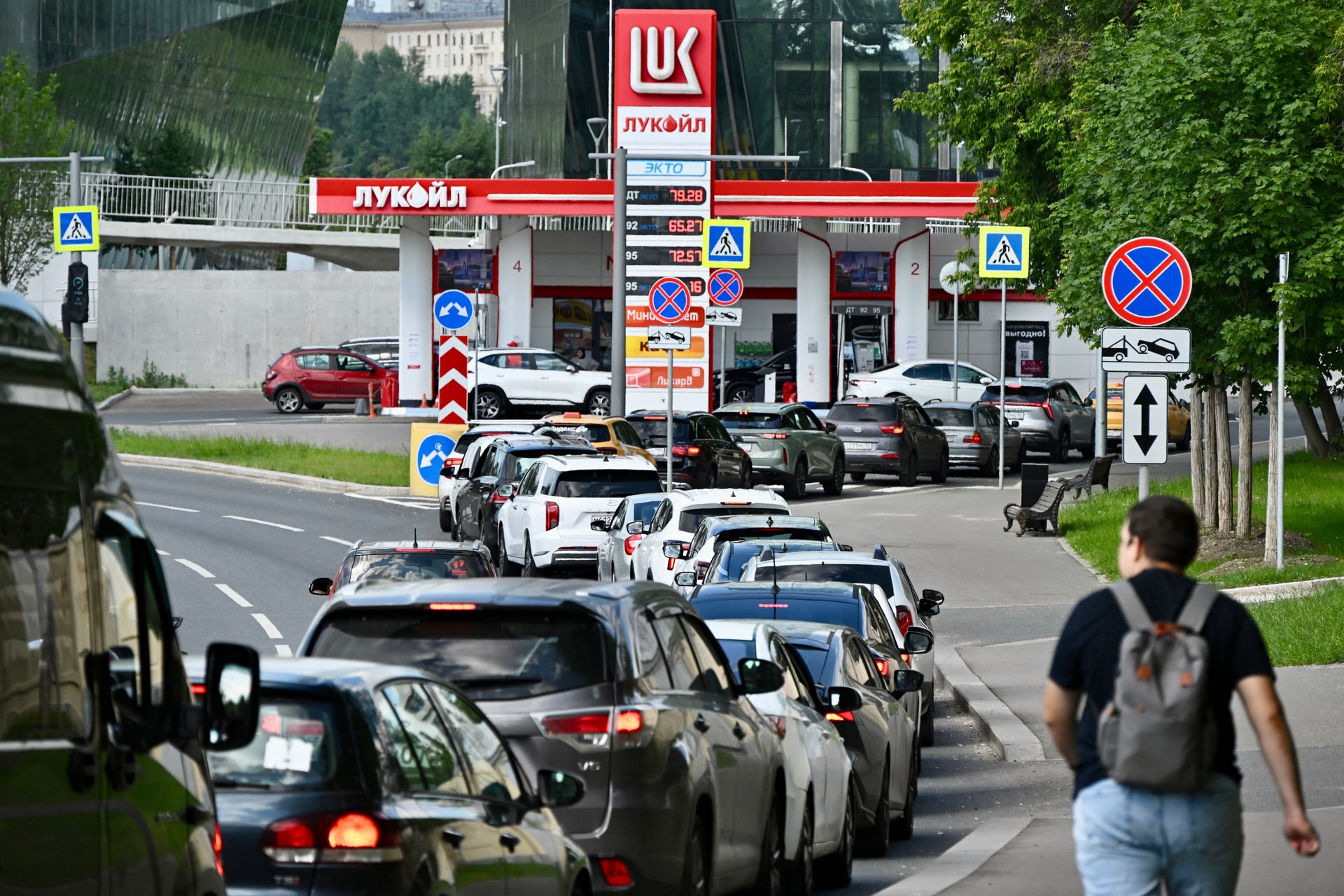
Russia is very likely sustaining large ballistic and drone strikes against Kyiv as Ukraine likely faces a serious interceptor shortfall, while Ukraine has almost certainly intensified deep-strike operations on Russian refineries and shadow-fleet logistics, exacerbating fuel shortages across Russia and occupied Crimea. Expect continued urban harm in Ukraine and persistent stress on Russian military logistics in the near term.
Executive summary
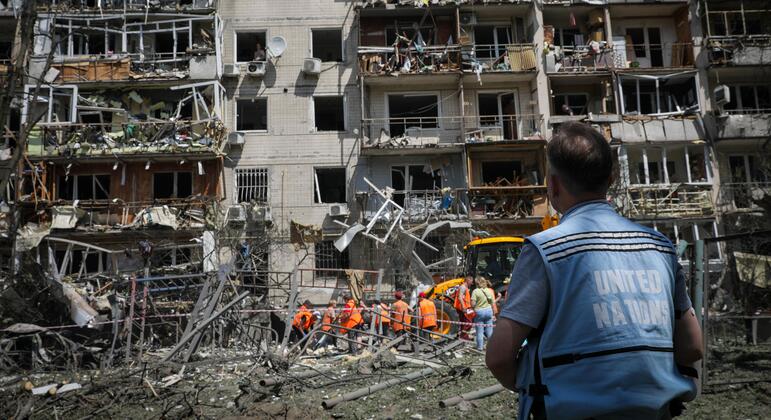
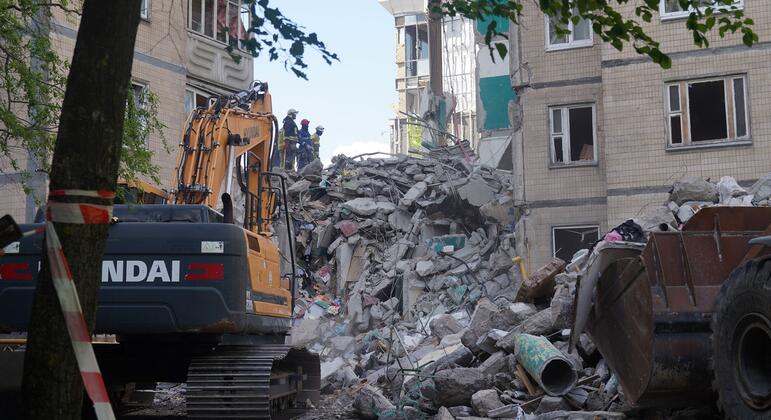
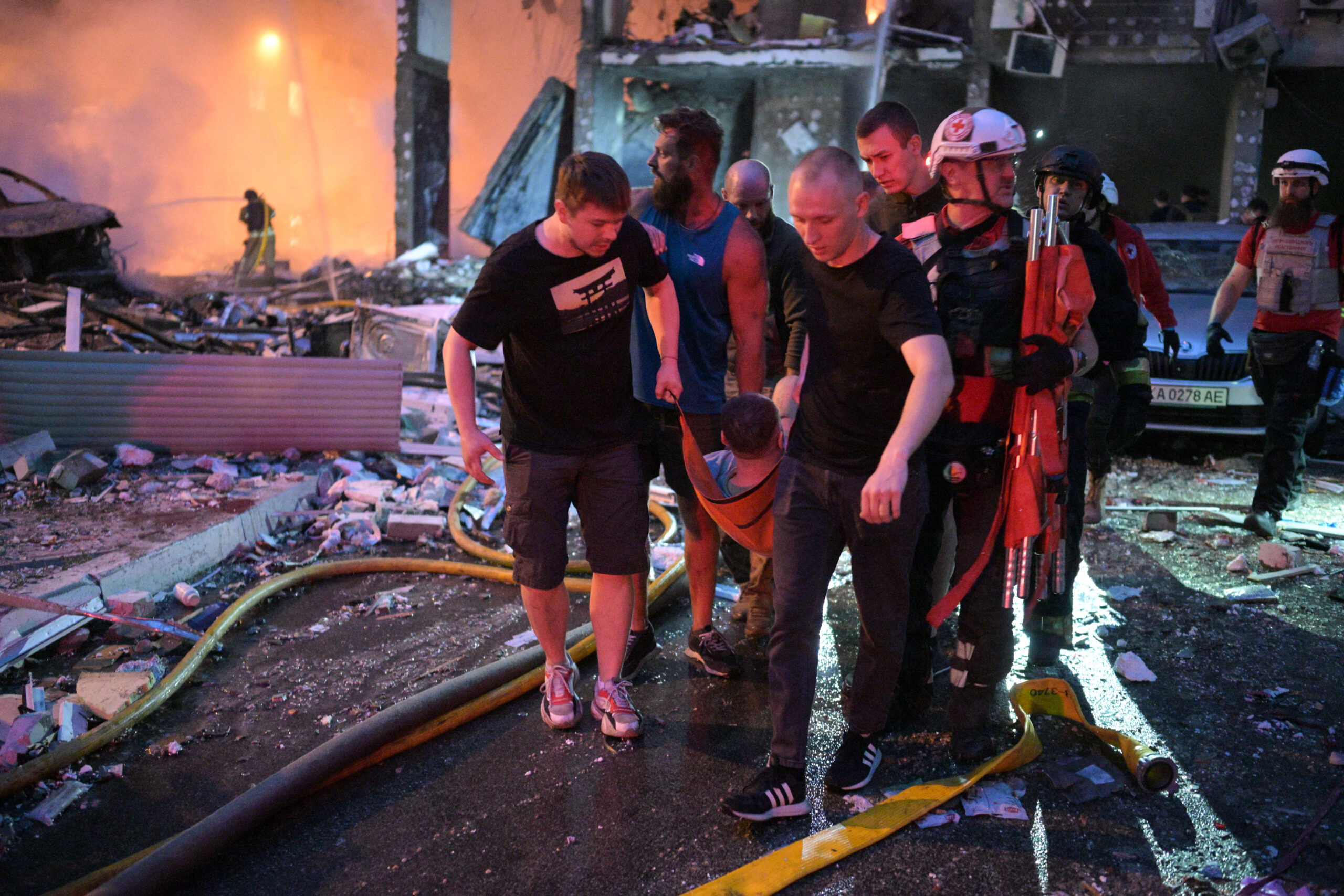
Reporting indicates Russia launched a major strike on Kyiv around 6 July that caused substantial civilian casualties, amid Ukrainian statements of acute interceptor shortages and think-tank assessments that Russia is accelerating ballistic use. In parallel, Ukraine has sustained a high-tempo deep-strike campaign against Russian refineries and shadow-fleet tankers, including the 6 July Omsk refinery strike and mid-to-late June attacks on major facilities, with corroborating signals of fuel queues, rationing, and official acknowledgement inside Russia and in occupied Crimea. The ground picture remains fluid, with Russia’s capture claim of Kostiantynivka disputed by Ukraine. NASA recorded 28 thermal anomalies in Ukraine over the past two days, consistent with ongoing strike activity, while UN officials report elevated civilian casualty rates and persistent civilian hazards from mines and drones.
Change from previous assessment
Initial assessment of this topic for this run. Relative to the prior brief’s focus on Ukraine’s refinery-strike effects and interceptor shortages, new reporting here incorporates the 6 July Omsk refinery strike, conflicting but higher casualty ranges for the Kyiv attack, NASA thermal anomaly data for 7-9 July, and contested control claims at Kostiantynivka. Confidence remains constrained by discrepancies in casualty and vessel-strike counts.
Key judgments
- Russia very likely conducted a large-scale missile-and-drone strike on Kyiv on 6 July, causing at least 14 and possibly up to 28 fatalities and around 100 injuries. (Confidence: medium · REPORTED)
- I&W: Ukrainian authorities publish consolidated casualty figures for the 6 July Kyiv strike aligning with UN reporting. (0-14 days)
- I&W: No nationwide air-raid alerts for ballistic launches targeting Kyiv for two consecutive weeks. (0-14 days)
- Ukraine likely faces a serious near-term gap in ballistic missile air defence, while Russia is very likely increasing ballistic employment through 2026. (Confidence: medium · ASSESSED)
- I&W: Ukrainian Air Force reports low intercept rates against new Russian ballistic salvos in official updates. (0-14 days)
- I&W: Public confirmation of new Patriot PAC-3 interceptor deliveries to Ukraine or increased reported ballistic intercept percentages over successive attacks. (1-3 months)
- Ukraine has almost certainly sustained a high-tempo deep-strike campaign against Russian oil infrastructure and shadow-fleet logistics, contributing to fuel shortages and rationing in Russia and occupied Crimea. (Confidence: high · ASSESSED)
- I&W: Independent geolocated imagery confirms additional Ukrainian strikes on Russian refineries or fuel depots beyond the Urals. (0-14 days)
- I&W: Russian regional authorities report sustained normalisation of fuel availability and lift rationing measures across multiple regions. (1-3 months)
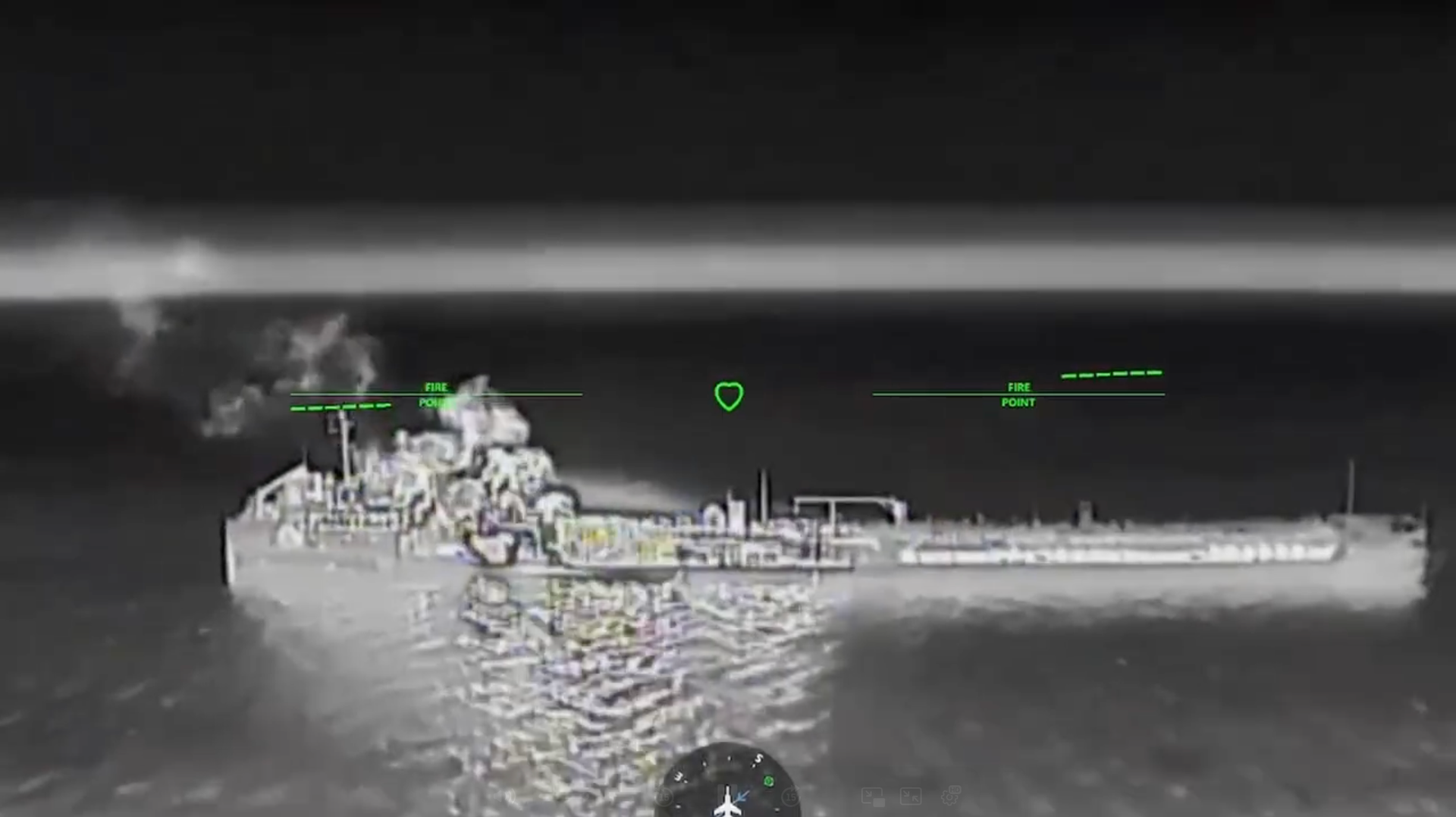
- Ukraine likely targeted multiple Russian shadow-fleet tankers near the Kerch area and in the Sea of Azov in early July, though the number of vessels hit remains disputed. (Confidence: medium · REPORTED)
- I&W: High-resolution satellite imagery shows damaged or disabled tankers at or near Kerch and in the Sea of Azov matching reported dates. (0-14 days)
- I&W: Russian maritime authorities release verifiable imagery of the named tankers operating normally without damage. (0-14 days)
- Control of Kostiantynivka remains contested, with Russia’s claim of capture disputed by Ukrainian officials. (Confidence: medium · REPORTED)
- I&W: Geolocated footage places Russian units in central Kostiantynivka administrative areas and Ukrainian channels acknowledge loss of control. (0-14 days)
- I&W: Geolocated Ukrainian footage from central Kostiantynivka and official statements affirming continued control. (0-14 days)
- Civilian harm in Ukraine remains elevated in July, with UN officials reporting an average of around 170 civilian casualties per day and persistent hazards from air-raid alerts, landmines, and unexploded drones. (Confidence: high · REPORTED)
- I&W: UN human rights monitoring issues the next update reflecting similar or higher daily civilian casualty averages. (1-3 months)
- I&W: Documented decline in daily civilian casualty averages below 100 over a sustained one-week period. (0-2 months)
- NASA recorded 28 thermal anomalies in Ukraine over 7-9 July, consistent with ongoing fires or strikes, though the signatures alone do not establish cause. (Confidence: high · REPORTED)
- I&W: Thermal anomaly counts remain above 20 in rolling 48-hour windows on NASA FIRMS over the next week. (0-14 days)
- I&W: Thermal anomaly counts fall to single digits across multiple consecutive 48-hour windows. (0-14 days)
Outlook & scenarios
Sustained Russian ballistic pressure on Kyiv and major cities (60%)
Russia continues frequent ballistic and drone salvos against Kyiv and other urban centres, exploiting Ukraine’s interceptor gap. Casualty figures remain high and interception rates remain low until new interceptors arrive.
Ukrainian deep strikes further degrade Russian fuel supply and Crimea logistics (50%)
Ukraine maintains or increases long-range drone strikes on refineries and shadow-fleet logistics, compounding fuel queues and rationing in Russia and occupied Crimea and complicating Russian front-line sustainment.
Protracted contest around Kostiantynivka (40%)
Control of Kostiantynivka remains disputed, with positional fighting and limited daily changes of control blocks rather than decisive manoeuvre. Both sides trade claims without conclusive geolocated proof.
Low-probability but high-impact: Rapid interceptor influx narrows Ukraine’s air-defence gap (20%)
A surge of PAC-3 interceptors reaches Ukraine and intercept rates rise markedly, reducing Russian ballistic strike effectiveness and urban casualty rates over several attack cycles.
Recommendations
- Prioritise collection on Ukrainian ballistic intercept rates and confirmed PAC-3 deliveries, tracking official Ukrainian statements and procurement efforts for interceptors financed via EU mechanisms.
- Exploit commercial satellite imagery and maritime AIS to verify reported Ukrainian strikes on shadow-fleet tankers near Kerch and in the Sea of Azov and to assess repair timelines at struck refineries.
- Maintain a daily watch on NASA FIRMS thermal anomalies over Ukraine and geolocate clusters against known military or industrial sites to cue further collection, bearing in mind anomalies indicate heat, not attribution.
- Catalogue Russian regional announcements on fuel supply, rationing, and service-station availability to quantify logistic strain and link to recent refinery strike locations.
- Cross-validate Kyiv strike casualty figures across UN reporting and Ukrainian government releases to refine the estimate range and inform civilian-protection planning.
Confidence & uncertainty
Overall confidence is medium. Multiple independent and credible sources corroborate the Kyiv strike, Ukraine’s interceptor shortfall, and the tempo of Ukrainian deep strikes on Russian refineries, with reinforcing indicators of fuel stress in Russia and Crimea. However, casualty figures for Kyiv vary across reports, counts of tankers allegedly struck differ, and thermal anomaly data indicate heat without attribution. Some assessments integrate reported facts from different sources, which adds analytic value but also uncertainty.
Alternative analysis (red cell)
Reporting indicates increased strike activity and humanitarian impacts, but central analytic claims overstate certainty on attribution, operational scale, or causation. Kyiv casualty tallies and attribution are inconsistent across sources, and the linkage between refinery/ship strikes and systemic fuel shortages is plausible but not yet conclusively demonstrated given contradictory strike-location and vessel‑count reports.
Intelligence gaps
- [EEI 1.1 · UNCOVERED] Geotagged UAV/satellite imagery showing abandoned defensive positions or newly occupied settlements. Recommended collection: overhead imagery
- [EEI 1.2 · UNCOVERED] Confirmed movement of frontline ambulance evacuation routes beyond previous coordinates. Recommended collection: SIGINT/medical logistics
- [EEI 2.1 · UNCOVERED] Concentration of assault battalions (≥3 mechanized companies) within 15km of contact line. Recommended collection: SIGINT/UAV
- [EEI 2.2 · UNCOVERED] Unusual artillery stockpile buildup at forward depots exceeding 30-day consumption rates. Recommended collection: overhead imagery/logistics
- [EEI 3.1 · UNCOVERED] Bridge structural damage assessments at 5 key Dnieper River crossings via multispectral imaging. Recommended collection: overhead imagery
- [EEI 3.2 · UNCOVERED] Rail traffic volume changes at Kryvyi Rih and Pokrovsk rail hubs compared to 7-day baseline. Recommended collection: commercial freight data
Cited sources
[1] Yahoo News · Tuesday, July 7. Russia’s War On Ukraine: News And Information From Ukraine (A) · sha256:2a82e16d0b77 [2] United Nations · Ukraine: Latest Russian assault leaves at least 14 dead in Kyiv (A) · sha256:ab8a178495a8 [3] UK Government · Russia cannot rebrand its illegal war of aggression as counter-terrorism: UK statement to the OSCE (A) · sha256:2360cbea0696 [4] Atlantic Council · Putin escalates ballistic missile attacks as Patriot shortages leave Ukraine defenseless (C) · sha256:d95dcea6fdc2 [5] kyivindependent.com · As Ukrainian drone strikes cripple Russia’s fuel supply, Moscow faces 'one crisis after another' (B) · sha256:e8888eeed072 [6] kyivindependent.com · 'Moscow will fall' — Another 9 Russian shadow fleet tankers hit in Azov Sea, Ukraine's 'Madyar' says (B) · sha256:caf6eb142662 [7] marinelink.com · Ukraine Attacks a Dozen Russian Shadow Fleet Tankers Over Two Days (B) · sha256:48137f20f08a [8] UN News · Civilian dangers multiply as drones transform Ukraine’s battlefield (A) · sha256:f4bef05f0028 [9] NASA · NASA FIRMS thermal detections — Ukraine (2d) (A) · sha256:83c4aa3f2697
Source content hashes were computed at collection time; the cited text is preserved unmodified for the life of this product.
Red cell review: PARTIAL DISSENT
TLP:CLEAR