TLP:CLEAR · Disclosure is not limited.
Russia-Ukraine Front Line: Contested Positions and Intensifying Strike Campaigns
Time window: Last 7 days · Audience: General analyst · Type: Situation report · DTG: 2026-09-23 07:07Z · Overall confidence: HIGH
BLUF
The front remains contested, with Ukraine reporting a local gain at Serednie while Russian forces claim wider advances towards Oskil, Krymky and Studenok. Russia is very likely to sustain drone and missile attacks against Ukrainian energy, transport and civilian infrastructure, while Ukraine is likely to continue deep strikes against Russian refineries and logistics. A reciprocal energy ceasefire is very unlikely to hold through 21 October 2026.
Executive summary
During the reporting period, Ukraine reported that the 66th Separate Mechanized Brigade retook Serednie and pushed Russian forces across the Nitrius River. Russian and Ukrainian accounts remain sharply opposed on the wider territorial balance, preventing a confident assessment of any operational breakthrough. Russia continued strikes across Kyiv, Zaporizhzhia, Dnipro, Kherson and other locations, while reporting indicates increased use of jet-powered drones and repeated attacks on Ukrainian energy infrastructure. Ukraine struck Russian oil and military infrastructure, including the Moscow and Yaroslavl refineries, and continued intermediate-range attacks against logistics in occupied Luhansk Oblast. Ukraine's Patriot interceptor stocks remain constrained, although the US has approved a $2.68 billion air-defence sale and Germany has agreed to provide 600 Patriot missiles in 2027 and 2028.
Change from previous assessment
Since the 22 September 2026 brief, the assessment of Ukrainian gains north of Lyman has been narrowed from a broader operational success to a better-supported local gain at Serednie, with the wider territorial picture now treated as explicitly contested. Confidence in continued Russian strikes has increased from medium to high because the reporting now includes the 15 and 16 September drone waves, jet-powered drones, repeated energy attacks and a warning of a new massive attack. The assessment of Ukraine's deep-strike campaign has been strengthened by the reported halt of crude processing at the Moscow refinery and confirmed damage at Yaroslavl. A new judgement has been added on Ukraine's near-term Patriot constraints, while the energy ceasefire judgement remains very unlikely but at medium confidence because Ukraine continues to state that it is ready for a reciprocal pause.
Key judgments
- Ukraine's 66th Separate Mechanized Brigade likely achieved a local tactical gain by retaking Serednie and pushing Russian forces across the Nitrius River on 18 September, but the wider balance around northern Donetsk and the Lyman direction remains contested. Russian Ministry of Defense claims of gains towards Oskil, Krymky and Studenok conflict with ISW's much smaller assessment of Russian territorial gains and its assessment of substantial Ukrainian gains. (Confidence: medium · ASSESSED)
- I&W: Confirm: subsequent geolocated imagery or repeated official reporting places Serednie under Ukrainian control while recording Russian attacks towards Oskil, Krymky or Studenok. (0-14 days)
- I&W: Break: credible battlefield reporting shows Russian forces controlling Serednie and advancing through the Lyman direction. (0-14 days)
- Russia is very likely to continue high-volume drone and missile attacks against Ukrainian energy, transport and civilian infrastructure over the next two weeks. The reported pattern includes about 200 drones launched on 15 September, 80 drones launched overnight on 16 September, attacks on Kyiv, Boyarka, Lozova, Zaporizhzhia, Dnipro and Kherson, and repeated strikes against energy and heating infrastructure. Russia has also begun deploying large quantities of faster jet-powered drones in waves of attacks. (Confidence: high · ASSESSED)
- I&W: Confirm: Russian forces launch another reported drone or missile wave against Kyiv, Ukrainian energy or heating facilities, or transport and port infrastructure. (0-14 days)
- I&W: Break: no reported Russian drone or missile attack affects Ukrainian energy, transport or civilian infrastructure for 14 consecutive days. (0-14 days)
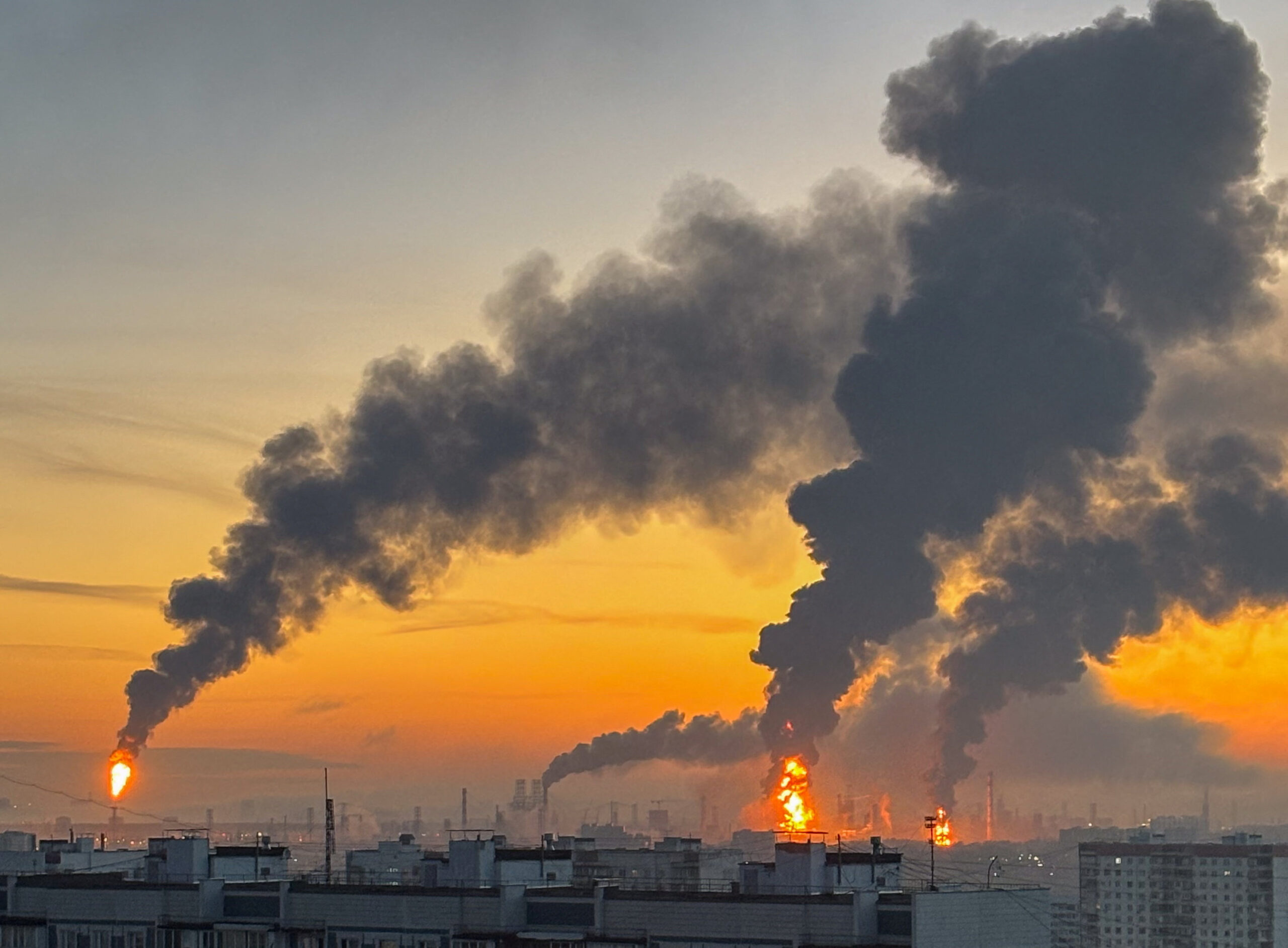
- Ukraine is likely to continue deep strikes against Russian refineries, military facilities and logistics hubs over the next month. On 20 September, a Ukrainian drone attack reportedly halted crude processing at the Moscow oil refinery, which processed about 230,000 barrels per day in 2024. Russian authorities also confirmed damage and a fire at the Yaroslavl refinery, while Ukrainian forces report disruption of Russian logistics up to 120 kilometres from the frontline in occupied Luhansk Oblast. (Confidence: high · ASSESSED)
- I&W: Confirm: Ukrainian forces conduct another deep strike that damages or halts operations at a named Russian refinery, logistics hub or military airfield. (0-14 days)
- I&W: Break: Ukrainian authorities report no further deep strikes against Russian energy, logistics or military infrastructure for one month. (1 month)
- A reciprocal energy ceasefire is very unlikely to hold through 21 October 2026. Ukraine has publicly offered to stop strikes on Russian energy facilities if Russia stops targeting Ukraine's energy system, but reporting states that strikes resumed almost immediately after Donald Trump said the two sides had agreed to halt such attacks. Russia's repeated attacks on Ukrainian energy infrastructure and Ukraine's strikes on the Moscow refinery provide no evidence of an operational pause. (Confidence: medium · ASSESSED)
- I&W: Confirm: Russia and Ukraine publish matching ceasefire terms and reporting records seven consecutive days without strikes on energy facilities. (0-14 days)
- I&W: Break: a Russian strike hits Ukrainian power, heating or electricity infrastructure, or a Ukrainian strike damages a Russian refinery after a declared pause. (0-14 days)
- Ukraine is likely to face continued near-term air-defence constraints against Russian ballistic missiles. Ukrainian Patriot interceptor stocks have reportedly fallen dangerously low, while Zelenskyy has requested additional Patriot missiles. The US has approved a $2.68 billion air-defence equipment sale, but Germany's agreement to provide 600 Patriot missiles applies to 2027 and 2028, leaving the immediate balance uncertain. (Confidence: medium · ASSESSED)
- I&W: Confirm: Ukrainian or partner reporting continues to describe Patriot interceptor shortages while Russia launches large drone or missile waves. (0-14 days)
- I&W: Break: official delivery reporting shows that additional Patriot interceptors have arrived in sufficient quantity to restore a credible defence against Russian ballistic missiles. (1-3 months)
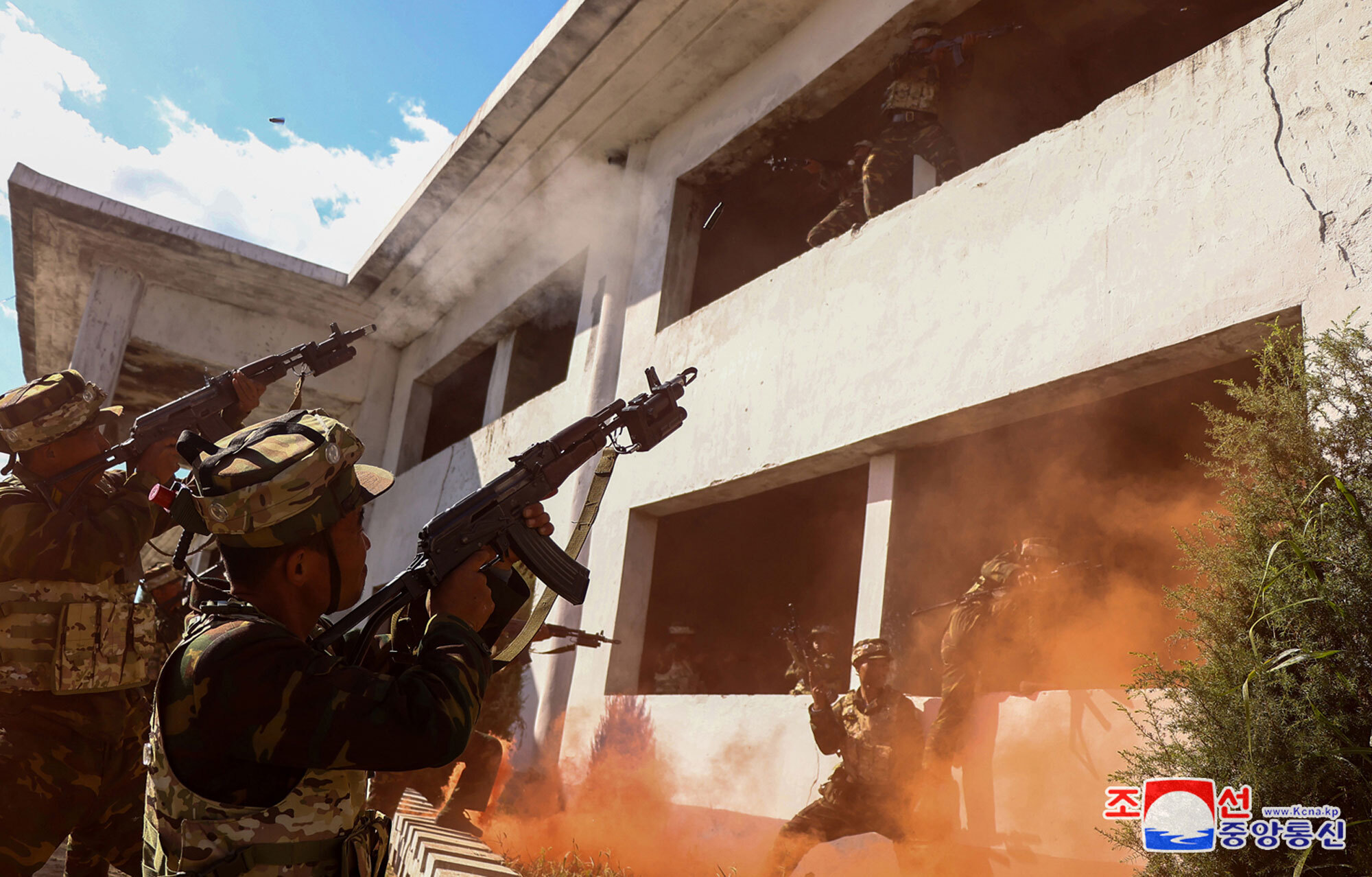
- North Korean military support is likely to remain a force-generation factor for Russia. Reporting links more than 10,000 North Korean soldiers to training for combat with Russia, while satellite imagery shows upgrades at KPA Training Base No. 60 near Pyongyang and at an urban combat facility in Unsan County. Ukraine has also raised concern about thousands more North Korean troops being sent to assist Russia. (Confidence: medium · ASSESSED)
- I&W: Confirm: further satellite imagery shows expanded training activity at KPA Training Base No. 60 or the Unsan County facility, or reporting identifies another North Korean troop deployment to Russia. (1-3 months)
- I&W: Break: official reporting establishes that no additional North Korean personnel are being prepared or deployed for operations with Russia. (1-3 months)
Outlook & scenarios
Attritional combat and reciprocal strikes, most likely (70%)
Ukraine retains its local position at Serednie while Russia continues pressure in the Lyman direction without achieving a decisive breakthrough. Russia sustains drone and missile attacks against Ukrainian energy and civilian infrastructure, and Ukraine continues strikes against Russian refineries and logistics. The energy ceasefire proposal fails to produce a durable pause.
Russian local advance around Lyman (35%)
Russian battlefield claims begin to align with subsequent control reporting, allowing Russian forces to consolidate gains towards Oskil, Krymky and Studenok. Ukraine conducts counterattacks and deep strikes against Russian supply lines, limiting the advance to local gains rather than an operational breakthrough.
Ukrainian deep-strike disruption (30%)
Ukraine expands strikes against Russian refineries, airfields and logistics hubs, producing further interruptions to fuel processing or supply movement. Russia responds with larger drone and missile waves against Ukrainian energy and transport infrastructure, while the ground front remains contested.
Very unlikely, high-impact winter energy shock (15%)
Russian attacks penetrate Ukrainian electricity and heating infrastructure while Patriot interceptor stocks remain constrained. The result is widespread disruption affecting civilian services and transport, with Ukraine responding through deeper strikes against Russian energy facilities and both sides abandoning any remaining energy ceasefire initiative.
Recommendations
- Maintain a daily two-track map of Serednie, the Lyman direction, Oskil, Krymky and Studenok. Separate Ukrainian and Russian claims from confirmed territorial control, and do not use competing square-kilometre totals without reconciling their accounting methods.
- Prioritise collection on Russian launch patterns, including the scale and speed of jet-powered drone waves, attacks on Ukrainian energy and heating facilities, and strikes affecting Kyiv, Boyarka, Lozova, Zaporizhzhia, Dnipro and Kherson.
- Track the operational effects of Ukrainian deep strikes by monitoring the Moscow and Yaroslavl refineries, Russian military airfields, and logistics routes in occupied Luhansk Oblast. Record confirmed damage separately from party claims.
- Monitor Patriot interceptor availability and delivery timelines. Distinguish the immediate effect of the US air-defence sale from Germany's later 2027 and 2028 commitment, and assess whether either changes Ukraine's ability to defend against ballistic missiles.
- Treat public energy ceasefire statements as unconfirmed until Russia and Ukraine issue matching terms and reporting shows sustained compliance. Record each subsequent strike on an energy facility as a direct test of the arrangement.
- Maintain a collection requirement on North Korean personnel and training activity linked to Russia, including imagery of KPA Training Base No. 60 and the Unsan County facility, as well as reporting on additional troop deployments.
Confidence & uncertainty
Overall confidence is high for the broad assessment that the war remains active, the front is contested, and Russia and Ukraine are sustaining reciprocal long-range strikes. The judgement draws on corroboration from official government reporting, the United Nations, ISW, major media and local reporting, including direct confirmation of damage at the Yaroslavl refinery and repeated reporting of attacks across Ukraine. Confidence is lower on exact territorial control, Russian and Ukrainian square-kilometre claims, the durability of any energy ceasefire and the timing of air-defence deliveries.
Intelligence gaps
- [EEI 1.1 · PARTIAL] Geotagged UAV/satellite imagery showing abandoned defensive positions or newly occupied settlements. Recommended collection: overhead imagery
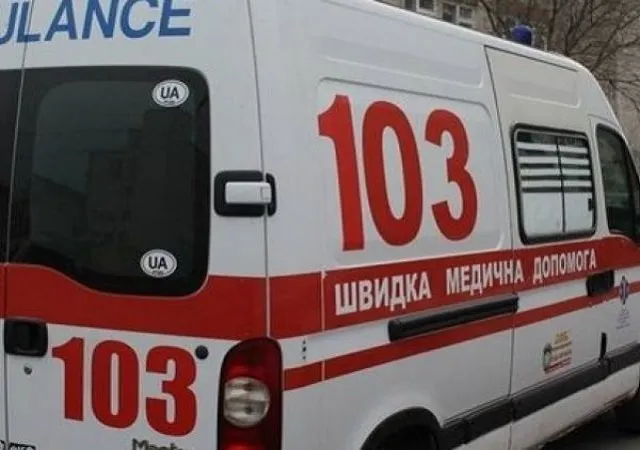
- [EEI 1.2 · UNCOVERED] Confirmed movement of frontline ambulance evacuation routes beyond previous coordinates. Recommended collection: SIGINT/medical logistics
- [EEI 2.1 · UNCOVERED] Concentration of assault battalions (≥3 mechanized companies) within 15km of contact line. Recommended collection: SIGINT/UAV
- [EEI 2.2 · UNCOVERED] Unusual artillery stockpile buildup at forward depots exceeding 30-day consumption rates. Recommended collection: overhead imagery/logistics
- [EEI 3.1 · UNCOVERED] Bridge structural damage assessments at 5 key Dnieper River crossings via multispectral imaging. Recommended collection: overhead imagery
- [EEI 3.2 · UNCOVERED] Rail traffic volume changes at Kryvyi Rih and Pokrovsk rail hubs compared to 7-day baseline. Recommended collection: commercial freight data
Cited sources
[1] Shafaq News · Shafaq News.Russia, Ukraine trade strikes as frontline fighting persists (D) · Fri Sep 18 2026 07:30:17 GMT+0000 (Coordinated Universal Time) · sha256:24b9d068873a [2] Institute for the Study of War (ISW) · Russian Offensive Campaign Assessment, September 19, 2026 (B) · Sun Sep 20 2026 02:17:05 GMT+0000 (Coordinated Universal Time) · sha256:41686abcdb73 [3] Al Jazeera · Zelenskyy says Ukraine ready for energy truce with Russia after Trump talks (A) · Wed Sep 23 2026 01:20:39 GMT+0000 (Coordinated Universal Time) · sha256:af9bf2a91641 [4] Institute for the Study of War (ISW) · Russian Offensive Campaign Assessment, September 16, 2026 (B) · Thu Sep 17 2026 02:10:14 GMT+0000 (Coordinated Universal Time) · sha256:697a97a70235 [5] Atlantic Council · Ukrainians are braced for a brutal winter. Are the Russians also ready? (C) · Tue Sep 22 2026 20:49:09 GMT+0000 (Coordinated Universal Time) · sha256:11ac128d310e [6] UK Government (GOV.UK) · UN Human Rights Council 63: UK Statement for the Interactive Dialogue on Ukraine (A) · Tue Sep 22 2026 10:11:56 GMT+0000 (Coordinated Universal Time) · sha256:c003775857f3 [7] ua.news · Three civilians were wounded in the Kherson region as a result of shelling by the Russian Federation (F) · Mon Sep 21 2026 22:11:39 GMT+0000 (Coordinated Universal Time) · sha256:205207de0740 [8] NK News / NK Pro (Korea Risk Group) · North Korea upgrading urban combat training facilities, satellite imagery shows | NK PRO (B) · Wed Sep 16 2026 07:19:40 GMT+0000 (Coordinated Universal Time) · sha256:23e18f25fe2f
Source content hashes were computed at collection time; the cited text is preserved unmodified for the life of this product.
TLP:CLEAR