TLP:CLEAR · Disclosure is not limited.
Russia-Ukraine front line: continued fighting and infrastructure strikes
Time window: Last 7 days · Audience: General analyst · Type: Situation report · DTG: 2026-11-18 07:18Z · Overall confidence: HIGH
BLUF
Reporting through 18 November shows continued fighting but does not establish a Russian front-wide breakthrough. The clearest operational change is the collapse of the Kerch Bridge road span after attacks on 16-17 November; the extent of rail disruption remains disputed, while Russian strikes also damaged Kyiv crossings and an energy facility in Odesa.
Executive summary
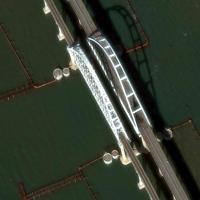
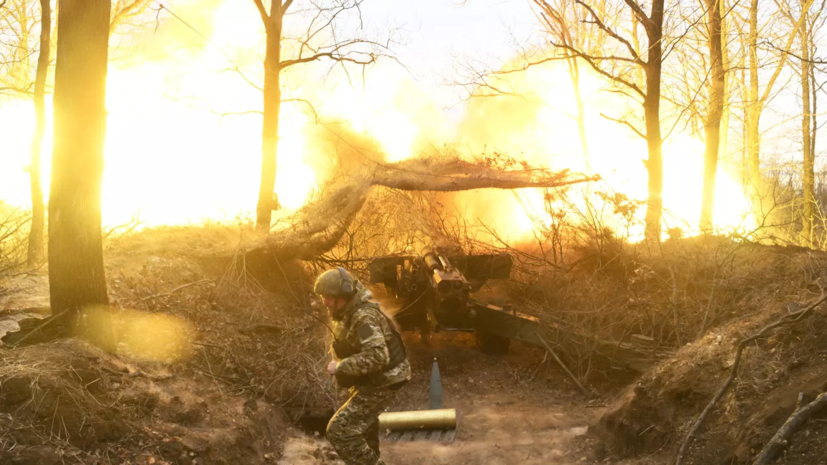
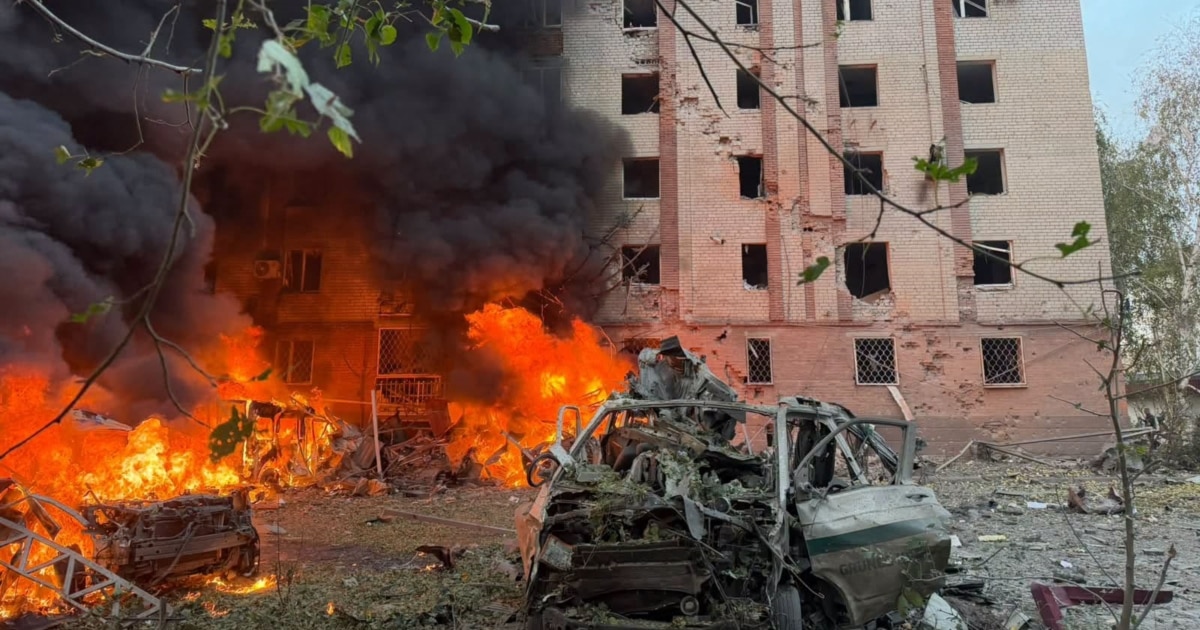
Ukraine's General Staff reported Russian attacks near Lyman, Sloviansk, Kramatorsk and Pokrovsk on 17 November, while describing the situation around Kupiansk as quiet. Russia's Defence Ministry said the 6th Guards Combined Arms Army's Sever grouping used Giatsint-B artillery against Ukrainian drone-control points in Kharkiv Oblast, a claim not independently corroborated in the available reporting. Ukraine's attack on the Kerch Bridge collapsed its road span; reports differ on rail service. Russian strikes hit Kyiv's Northern and Southern bridges and an energy facility in Odesa, where a reported 41,000 households lost electricity. On 17 November the UK announced £240 million in air-defence support, including more than 1,000 short-range missiles and launchers and over a dozen radars, with deliveries due to begin in mid-December. The UK, Sweden and Ukraine also signed a Letter of Intent on the principle of providing Gripen aircraft. Vladimir Putin and Xi Jinping met in Shenzhen on 18 November; Donald Trump was due to join them on 19 November and said Ukraine would be among the discussion topics.
Change from previous assessment
Since the 17 November brief, confidence in the Kerch Bridge road-span collapse has risen from medium to high: the new reporting describes a collapsed arch and road span, while the rail-service picture remains contested. The front-line assessment remains that reporting does not establish a Russian front-wide breakthrough; confidence in that judgement is now low because the current supplied front-line reporting is limited and includes claims with weak independent corroboration. This brief adds detail on the 16-17 November strikes on Kyiv's Northern and Southern bridges, the reported Odesa energy outage, the UK's £240 million air-defence package and the Gripen Letter of Intent. It also incorporates the Putin-Xi meeting and the scheduled 19 November Shenzhen meeting involving Donald Trump.
Key judgments
- A Russian front-wide breakthrough in the next 14 days is unlikely. Ukraine's General Staff reported attacks near Lyman, Sloviansk, Kramatorsk and Pokrovsk, but said the situation around Kupiansk was quiet. Russia's Defence Ministry, in reporting carried by RT, said the 6th Guards Combined Arms Army's Sever grouping used Giatsint-B artillery against Ukrainian drone-control points in Kharkiv Oblast. Independent open-source analysts assess that Russia made little progress in 2026 while Ukraine regained territory through local counteroffensives, but the supplied reporting does not independently verify broad changes in control. Confidence is low: the daily front-line account comes from a party to the war, the Kharkiv report is carried by a low-reliability outlet, and the broader assessment lacks supporting front-line detail. (Confidence: low · ASSESSED)
- I&W: Confirm: Ukraine's General Staff continues to report attacks in the named Lyman, Sloviansk, Kramatorsk or Pokrovsk sectors, without verified Russian control of multiple new settlements. (0-14 days)
- I&W: Break: independently geolocated imagery or corroborated reporting confirms Russian control of multiple settlements or sustained advances on two or more front-line axes. (0-14 days)
- Ukraine very likely destroyed the Kerch Bridge road span in the attacks of 16-17 November. Major-media reporting and released imagery show the road arch collapsed, and Ukraine's military said the roadway was out of action. The railway picture is less clear: Russia's Federal Agency for Railway Transport said trains had fully resumed, while another report described only partial rail resumption. Confidence is high for the road-span collapse because visual reporting and multiple accounts corroborate it; confidence in the railway's operating status is lower because reports conflict. (Confidence: high · REPORTED)
- I&W: Confirm: Russian authorities continue to suspend road traffic across the Kerch Bridge, or published imagery shows the road span remains unusable. (0-14 days)
- I&W: Break: official traffic notices and verifiable imagery confirm that ordinary road vehicles can again cross the damaged span. (1-3 months)
- Russian forces are likely to continue striking Ukrainian transport and energy infrastructure over the next 14 days. Reporting describes strikes on Kyiv's Northern and Southern bridges and an energy facility in Odesa that left 41,000 households without electricity. The forecast rests on a short period of reported activity, so confidence is medium rather than high; the incidents are reported by major media, with local officials supplying some impact details. (Confidence: medium · ASSESSED)
- I&W: Confirm: another reported Russian strike hits a named bridge, port or energy facility in Kyiv, Odesa or Izmail, with damage or service disruption confirmed by local authorities or imagery. (0-14 days)
- I&W: Break: no further reported strikes hit Ukrainian transport or energy infrastructure during the period and Kyiv's damaged crossings remain open to traffic. (0-14 days)
- A ceasefire agreement within the next 30 days is unlikely. The US-mediated Abu Dhabi talks reportedly produced only an agreement on a prisoner exchange; Donald Trump said he would discuss Ukraine at the 19 November meeting with Vladimir Putin and Xi Jinping in Shenzhen. The available reporting describes public statements and the meeting agenda, not negotiating terms. Confidence is low because the account of the Abu Dhabi outcome is limited and there is no direct reporting on a draft ceasefire arrangement. (Confidence: low · ASSESSED)
- I&W: Break: the Shenzhen meeting or subsequent talks produce a publicly confirmed ceasefire text or a dated mechanism for pausing fighting along the current line of contact. (0-30 days)
- I&W: Confirm: the meeting concludes without an announced Ukraine ceasefire mechanism and no such mechanism is reported in subsequent talks. (0-30 days)
Outlook & scenarios
Continued local fighting and infrastructure strikes (65%)
The most likely near-term course is continued Russian attacks in the reported Donetsk sectors, with further strikes against Ukrainian transport or energy sites. The available reporting points to sustained pressure but does not establish a front-wide breakthrough.
Localised front-line changes (30%)
Fighting around Kharkiv Oblast and the named Donetsk sectors produces local changes in control, while both sides make claims that are difficult to verify. Such shifts would not by themselves establish an operational collapse or a decisive change across the front.
Kerch Strait shipping disruption (10%)
A low-probability, high-impact outcome is that debris from the collapsed bridge arch blocks the deep-water passage in the Kerch Strait. A local channel has made this claim, but the available reporting does not independently confirm a blockage. If confirmed, larger vessel access to Sea of Azov ports including Mariupol and Berdyansk would face disruption.
Unexpected diplomatic pause (10%)
The Shenzhen meeting produces an unexpected Ukraine-specific ceasefire mechanism or a follow-on negotiating process. This would be a high-impact departure from the reported Abu Dhabi outcome, which yielded only a prisoner-exchange agreement.
Recommendations
- Track Kerch Bridge road and rail status separately. Compare official Russian service notices with Ukrainian reporting and verifiable imagery; monitor vessel transits through the strait and any reported access constraints for Mariupol and Berdyansk.
- Require geolocated evidence before changing the front-line control assessment. Track daily reports for Lyman, Sloviansk, Kramatorsk, Pokrovsk, Kupiansk and Kharkiv Oblast, and keep Ukrainian, Russian and independent assessments distinct.
- Maintain a dated record of Kyiv bridge closures and reopenings, metro service and heating and water disruption. Record Odesa electricity impacts separately from the strike report and verify whether the reported 41,000-household outage is resolved.
- Monitor whether the UK's announced air-defence systems begin delivery from mid-December, and distinguish announced quantities from deliveries received. Track whether the Gripen Letter of Intent develops into a defined agreement and delivery timetable.
- After the 19 November Shenzhen meeting, distinguish public agenda statements from any confirmed Ukraine negotiation outcome. Do not treat a summit or follow-on meeting alone as evidence of a ceasefire process.
Confidence & uncertainty
Overall confidence is high for the core event picture. Major-media reporting and visual material support the Kerch Bridge road-span collapse, while reporting from Kyiv and local officials describes damage and service disruption from Russian strikes. Confidence is lower for front-line control, the Kerch railway's operating status and diplomatic prospects: some front-line claims come from parties to the war, railway reports conflict, and the available diplomatic reporting does not include negotiating terms.
Alternative analysis (red cell)
The supplied reporting does not establish a reliable basis for ruling out a near-term operational breakthrough, and the infrastructure-strike forecast may be extrapolating from a short, possibly clustered sequence of incidents. Diplomatic activity, including the Abu Dhabi prisoner-exchange outcome and the planned trilateral discussion, leaves the probability of a ceasefire indeterminate rather than clearly unlikely. Overall, the evidence supports caution about all three assessments rather than strong directional conclusions.
Intelligence gaps
- [EEI 1.1 · UNCOVERED] Geotagged UAV/satellite imagery showing abandoned defensive positions or newly occupied settlements. Recommended collection: overhead imagery
- [EEI 1.2 · UNCOVERED] Confirmed movement of frontline ambulance evacuation routes beyond previous coordinates. Recommended collection: SIGINT/medical logistics
- [EEI 2.1 · UNCOVERED] Concentration of assault battalions (≥3 mechanized companies) within 15km of contact line. Recommended collection: SIGINT/UAV
- [EEI 2.2 · UNCOVERED] Unusual artillery stockpile buildup at forward depots exceeding 30-day consumption rates. Recommended collection: overhead imagery/logistics
- [EEI 3.1 · PARTIAL] Bridge structural damage assessments at 5 key Dnieper River crossings via multispectral imaging. Recommended collection: overhead imagery
- [EEI 3.2 · UNCOVERED] Rail traffic volume changes at Kryvyi Rih and Pokrovsk rail hubs compared to 7-day baseline. Recommended collection: commercial freight data
Red cell review: PARTIAL DISSENT
TLP:CLEAR