TLP:CLEAR · Disclosure is not limited.
Russia-Ukraine Front Line: Heavy Strikes and Polish Airspace Incursion
Time window: Last 7 days · Audience: General analyst · Type: Situation report · DTG: 2026-11-21 07:11Z · Overall confidence: HIGH
BLUF
The front remains active, with no corroborated Russian breakthrough in the supplied reporting. The most immediate escalation concern is Poland’s report that a Russian Kh-101 entered its airspace during the 20 November attack on Ukraine; the missile’s reported impact location differs across accounts, and Russian intent is not established.
Executive summary
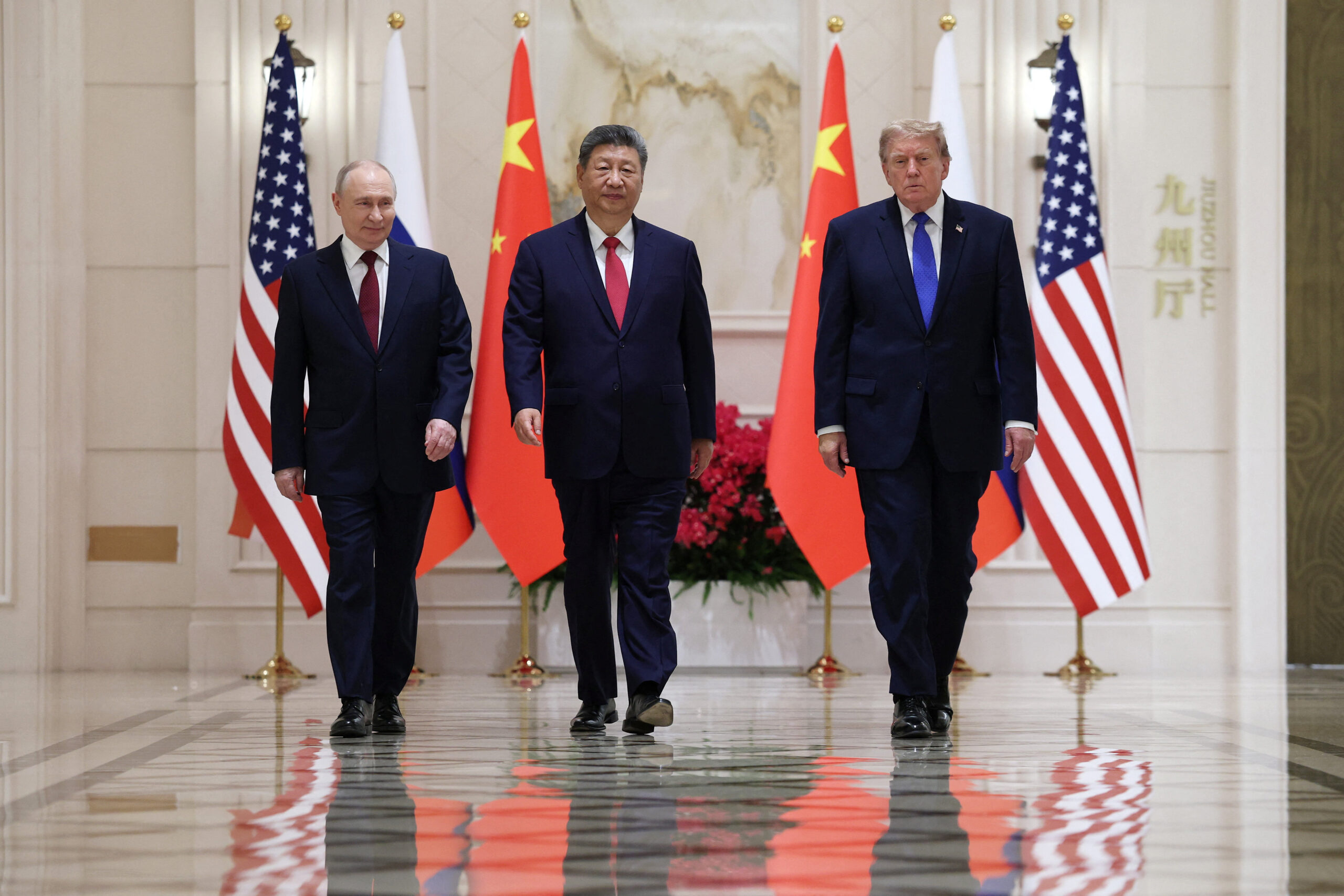
Reporting from 14 to 21 November describes continued Russian attacks around Pokrovsk and Kostiantynivka, alongside a large Russian missile-and-drone attack on Ukraine on 20 November. Poland reported that a Russian missile crossed its airspace during that attack and struck near Nowy Lipowiec, while another report gives a different impact location. Ukraine also claimed strikes on the road and rail sections of the Kerch Bridge, but accounts differ on the timing, damage and weapons used. The 19 November meeting between Xi Jinping, Vladimir Putin and Donald Trump produced a peace declaration with no Ukraine-specific terms. Negotiations remain constrained by competing positions on European security and postwar guarantees.
Change from previous assessment
Initial assessment update from the 20 November brief. This update adds the reported 20 November large-scale Russian attack on Ukraine and the Polish airspace incursion as immediate risks, and adds the 19 November Shenzhen meeting, which produced no reported Ukraine-specific terms. Front-line reporting now gives a 20 November engagement count and sector-level attack details, but still does not establish a breakthrough. Kerch Bridge reporting adds a sequence of road and rail strikes while leaving damage and weapon attribution contested.
Key judgments
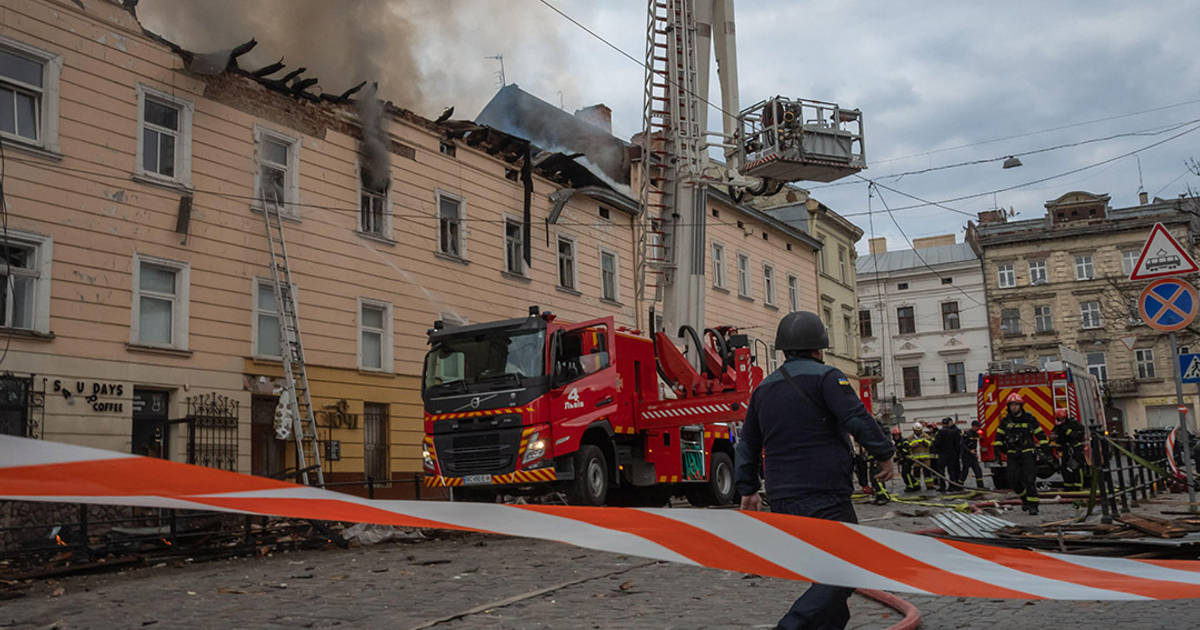
- Russia almost certainly launched a large missile-and-drone attack across Ukraine on 20 November, but the reported total of 110 missiles, including 27 ballistic missiles, and more than 400 drones remains a Ukrainian official’s accounting rather than an independently reconciled count. Major-media reporting describes strikes on Kyiv crossings and a railway station in Lviv; Ukrainian and UK officials also reported civilian casualties and damage to diplomatic premises. The attack itself is corroborated across reporting, while the scale and casualty details are less certain. (Confidence: medium · REPORTED)
- I&W: Confirm the reported scale if Ukrainian authorities publish a consolidated count of missiles and drones, with strike locations and damage assessments, that is consistent with the current figures; break the scale estimate if a revised official account materially lowers it. (0-14 days)
- I&W: Confirm continued effects if Kyiv or Lviv authorities report ongoing restrictions or repairs at the targeted crossings or railway station; break the assessment of sustained disruption if they report normal operations. (0-14 days)
- Russian forces are likely to sustain localised pressure around Pokrovsk and Kostiantynivka over the next 1-3 months, but the supplied reporting does not establish a breakthrough. Ukraine’s General Staff reported 157 combat engagements by 22:00 on 20 November, including 16 Russian advance attempts in the Pokrovsk sector and six attacks near Kostiantynivka and Novoselivka that Ukrainian troops said they repelled. Reports of repeated pressure support the forecast, but the operational figures are Ukrainian reporting and a social-media claim that Russian forces entered Kostiantynivka is unverified. (Confidence: medium · ASSESSED)
- I&W: Confirm continued pressure if subsequent Ukrainian General Staff updates again report Russian attacks near Toretske, Kucheriv Yar, Bilytske or toward Dobropillia, or near Kostiantynivka and Novoselivka; break the forecast if those updates record a sustained cessation of attacks in both sectors. (0-14 days)
- I&W: Break the assessment that no breakthrough is established if geolocated imagery or corroborated reporting confirms Russian forces have taken and retained positions inside Kostiantynivka or along the approaches to Dobropillia. (0-14 days)
- Poland almost certainly experienced a Russian missile airspace incursion during the 20 November attack on Ukraine, but the available reporting does not establish whether the crossing was deliberate. Polish Defence Minister Władysław Kosiniak-Kamysz identified a Kh-101 that struck near Nowy Lipowiec, while another report places a missile impact at Nowa Deba; reporting also describes two other objects entering Polish airspace. NATO Secretary General Mark Rutte said NATO jets were scrambled, and Polish leaders called the incident a provocation. The incursion is supported by Polish and NATO statements, but the impact location differs across reports and Moscow had not commented in the supplied reporting. (Confidence: medium · ASSESSED)
- I&W: Confirm the missile identification and impact location if Polish authorities publish a technical account or physical evidence identifying a Kh-101 and locating the impact; break either detail if an official investigation identifies a different object or location. (0-14 days)
- I&W: Confirm a deliberate-provocation assessment if Polish or NATO authorities publish evidence that the missile’s route or launch circumstances indicate intentional entry; break it if their investigation attributes the incursion to an accidental course deviation. (0-30 days)
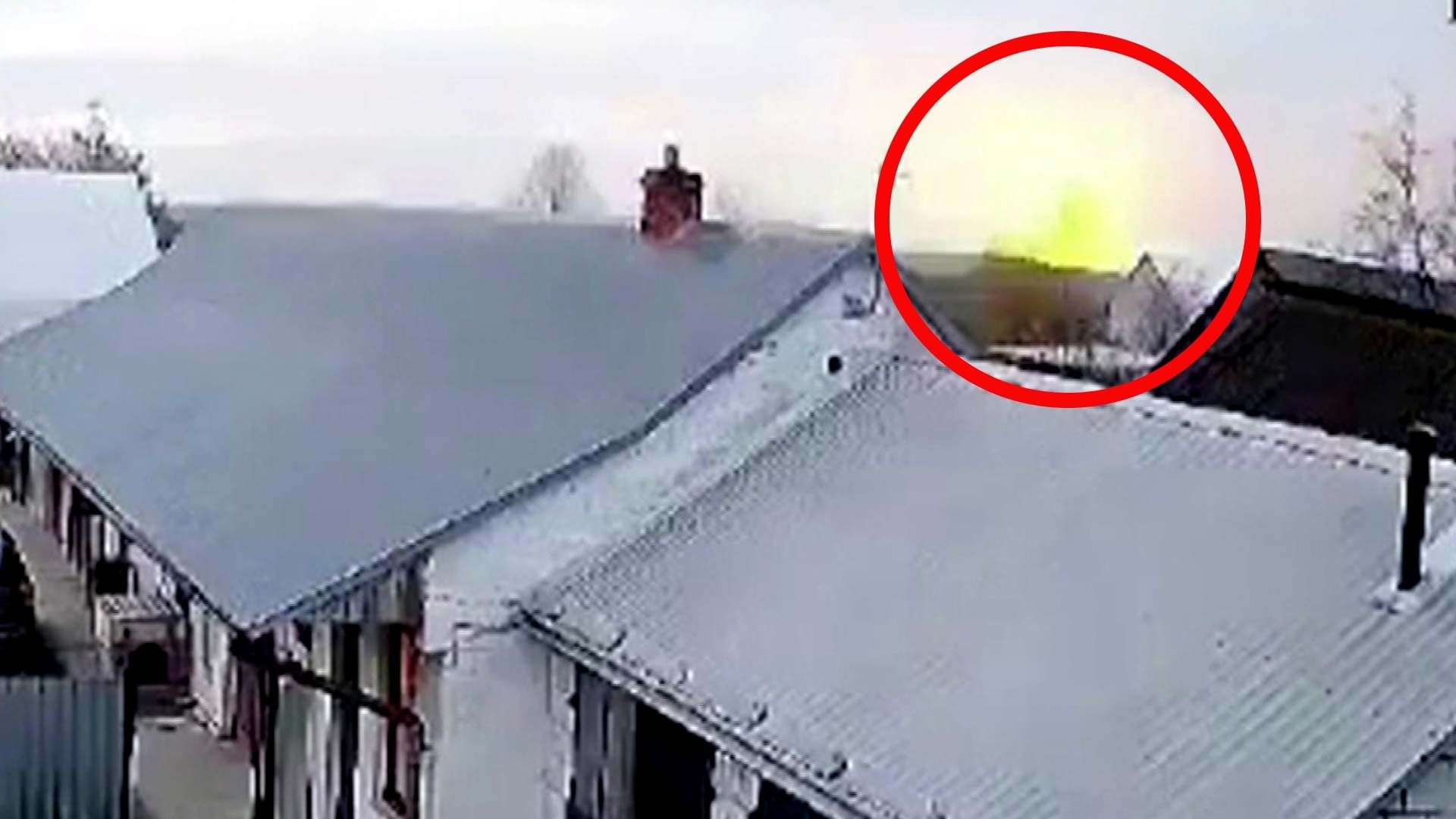
- Ukraine’s 16-19 November operation almost certainly damaged the Kerch Bridge’s road section and targeted its railway span, but the precise damage and weapons used remain unresolved. Ukraine’s Security Service attributed the road collapse to Palyanytsia drones on 17 November; another account describes drone damage on 16 November, and Ukraine said Neptune missiles struck the railway span on 18-19 November. A trade-publication account instead names Dutch-built Ruta missiles. Major-media reporting supports the occurrence of strikes, but the accounts conflict on dates, damage severity and weapon attribution. (Confidence: medium · REPORTED)
- I&W: Confirm continuing bridge disruption if Russian transport authorities report road or rail restrictions across the Kerch Bridge; break it if they announce full restoration and report both routes operating normally. (0-14 days)
- I&W: Confirm the reported damage and help resolve weapon attribution if new official imagery or statements separately identify the condition of the road and rail spans and the systems used against them. (0-30 days)
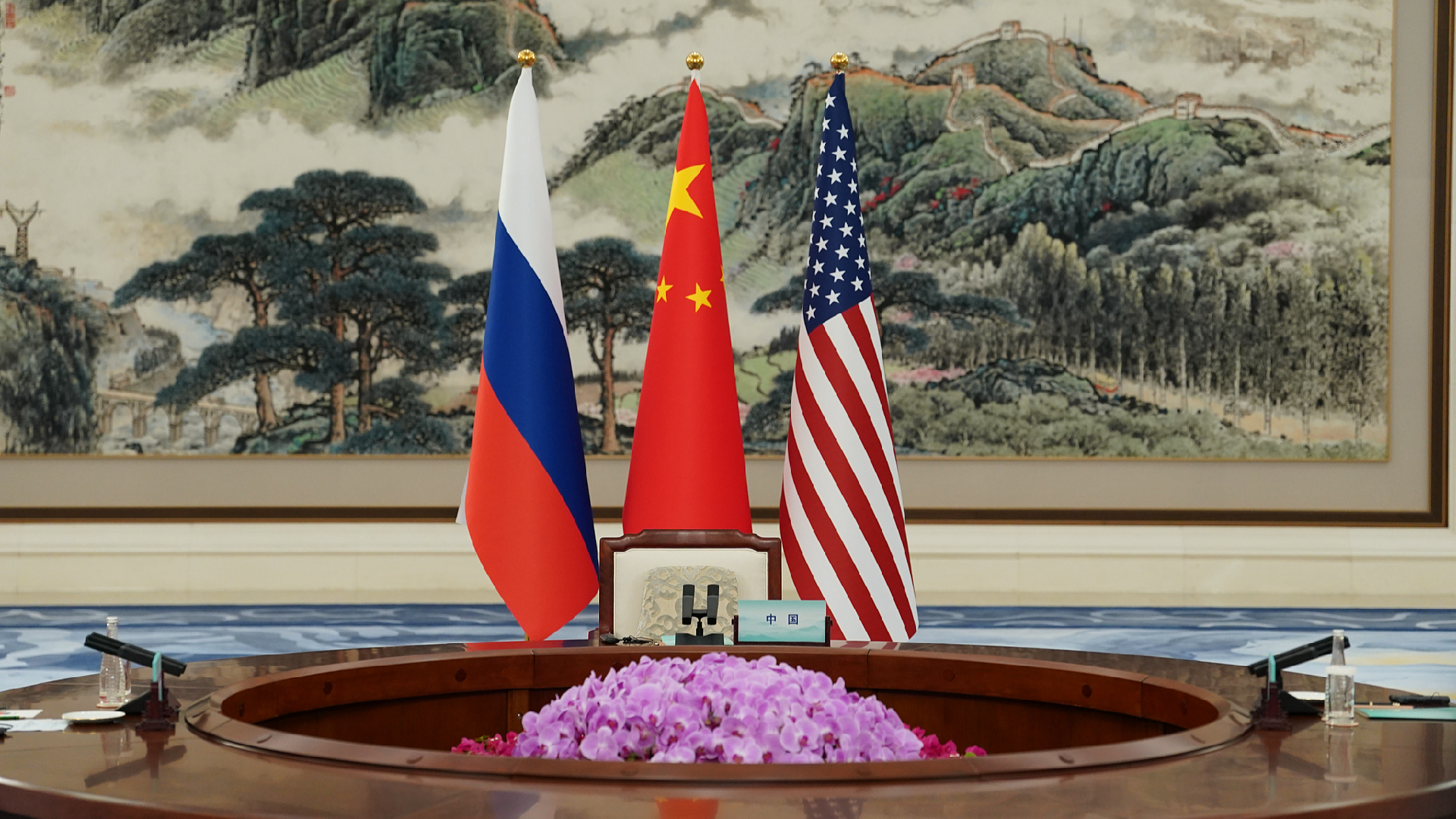
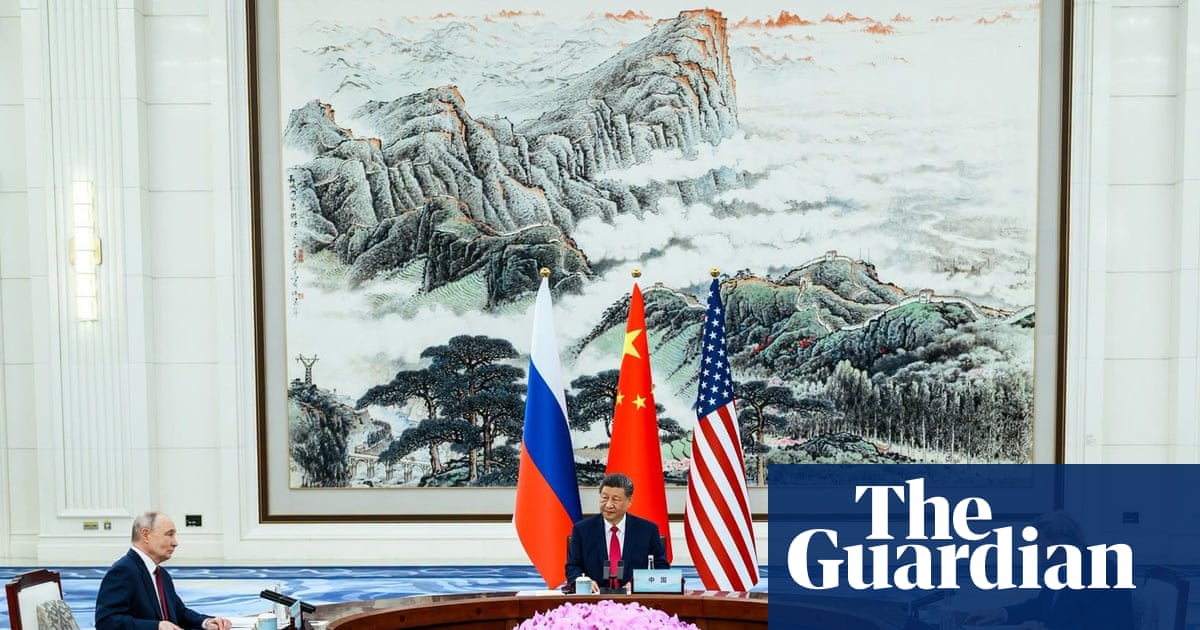
- A Ukraine-specific settlement within the next 30 days is unlikely. The 19 November Shenzhen declaration did not mention Ukraine, despite reports that Xi Jinping, Vladimir Putin and Donald Trump discussed the conflict. Russia’s demand for NATO to return to its 1997 borders and Putin’s rejection of postwar European troops conflict with NATO allies’ rejection of Russia’s demands and Jared Kushner’s reported openness to NATO-like guarantees. Reporting also differs on whether the Kremlin rejected or welcomed US-led discussion of European security. Multiple major-media accounts corroborate the summit and public positions, but negotiation terms remain unreported and the Kremlin’s response is contested. (Confidence: medium · ASSESSED)
- I&W: Break the forecast if US, Ukrainian and Russian officials publish or announce a Ukraine-specific agreement with ceasefire terms and a defined process for addressing territory and security guarantees. (0-30 days)
- I&W: Confirm continued deadlock if Russian officials restate opposition to European troops or NATO allies again reject Russia’s stated security demands without a published negotiating compromise. (0-30 days)
Outlook & scenarios
Continued attrition with no verified breakthrough (55%)
Russian forces continue localised attacks around Pokrovsk and Kostiantynivka, while Ukraine reports further long-range strikes and Russia continues attacks on Ukrainian cities and infrastructure. The Shenzhen meeting produces no Ukraine-specific agreement, and the Polish airspace incident remains a diplomatic and military monitoring concern.
Security discussions advance without a ceasefire (30%)
US, Russian and European officials continue discussing postwar European security and guarantees for Ukraine, but Russia’s demands and opposition to European troop deployment remain unresolved. Public diplomacy advances further than any ceasefire or settlement terms.
Cross-border incident drives a wider confrontation (15%)
A further Russian strike during an attack on Ukraine results in another confirmed entry into NATO airspace or causes casualties in Poland. Warsaw and NATO increase their response, raising the risk of a direct confrontation even as the parties continue to dispute intent.
Recommendations
- Maintain separate, dated records for the Polish airspace incident’s object count, missile identification, impact location and official attribution. Do not treat the Nowy Lipowiec and Nowa Deba reports as reconciled.
- Track Ukrainian General Staff front-line updates by reporting cutoff and sector. Do not compare the 157 engagements reported by 22:00 on 20 November with other daily totals unless their time windows match.
- Monitor official Russian transport updates on road and rail operations across the Kerch Bridge. Keep the reported damage assessment separate from claims about the weapons used.
- Assess progress in US-led diplomacy against published Ukraine-specific terms, especially ceasefire arrangements, territorial provisions and security guarantees. Treat public statements about Kremlin receptiveness as contested until officials publish agreed positions.
Confidence & uncertainty
Overall confidence is high for the main reported events because major-media coverage and statements from named Ukrainian, Polish, NATO and UK officials converge on the large attack, the Polish airspace incursion, front-line combat and the Shenzhen meeting. Confidence is lower on the reported attack totals, the Polish missile’s precise impact location, Kerch Bridge damage and weapon attribution, and forecasts about the front and negotiations. Those uncertainties reduce confidence in individual judgments without overturning the broad event picture.
Intelligence gaps
- [EEI 1.1 · UNCOVERED] Geotagged UAV/satellite imagery showing abandoned defensive positions or newly occupied settlements. Recommended collection: overhead imagery
- [EEI 1.2 · UNCOVERED] Confirmed movement of frontline ambulance evacuation routes beyond previous coordinates. Recommended collection: SIGINT/medical logistics
- [EEI 2.1 · PARTIAL] Concentration of assault battalions (≥3 mechanized companies) within 15km of contact line. Recommended collection: SIGINT/UAV
- [EEI 2.2 · UNCOVERED] Unusual artillery stockpile buildup at forward depots exceeding 30-day consumption rates. Recommended collection: overhead imagery/logistics
- [EEI 3.1 · PARTIAL] Bridge structural damage assessments at 5 key Dnieper River crossings via multispectral imaging. Recommended collection: overhead imagery
- [EEI 3.2 · UNCOVERED] Rail traffic volume changes at Kryvyi Rih and Pokrovsk rail hubs compared to 7-day baseline. Recommended collection: commercial freight data
Red cell review: CONCUR WITH COMMENT
TLP:CLEAR