TLP:CLEAR · Disclosure is not limited.
Russia-Ukraine front line: high-intensity strikes, deep Ukrainian attacks into Russia, front likely static (11-18 June 2026)
Time window: Last 7 days · Audience: General analyst · Type: Situation report · DTG: 2026-06-18 07:17Z · Overall confidence: MEDIUM
BLUF
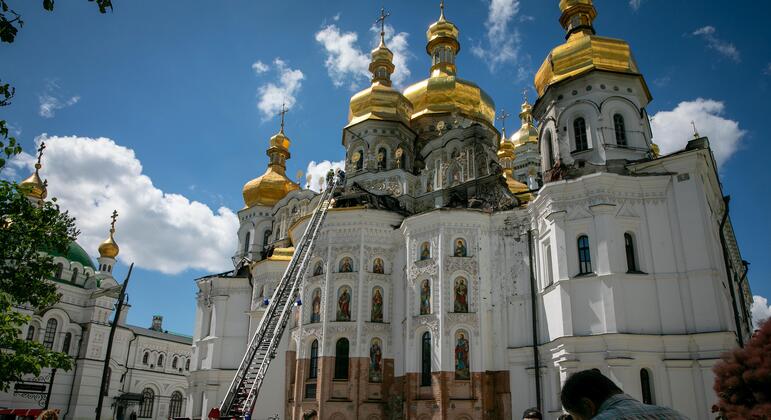
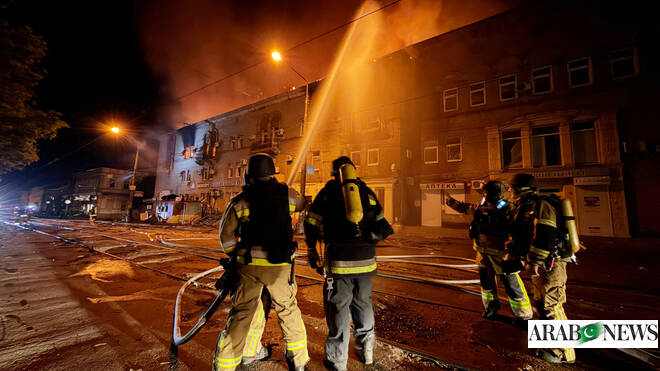
Russian long-range strikes very likely killed civilians and damaged cultural sites in Kyiv and Kharkiv on 17-18 June, while Ukraine likely conducted a high-tempo deep‑strike campaign that briefly disrupted Moscow air traffic. Despite the intensity, there is a roughly even chance the front line did not materially shift; the Belarus vector is likely growing in salience.
Executive summary
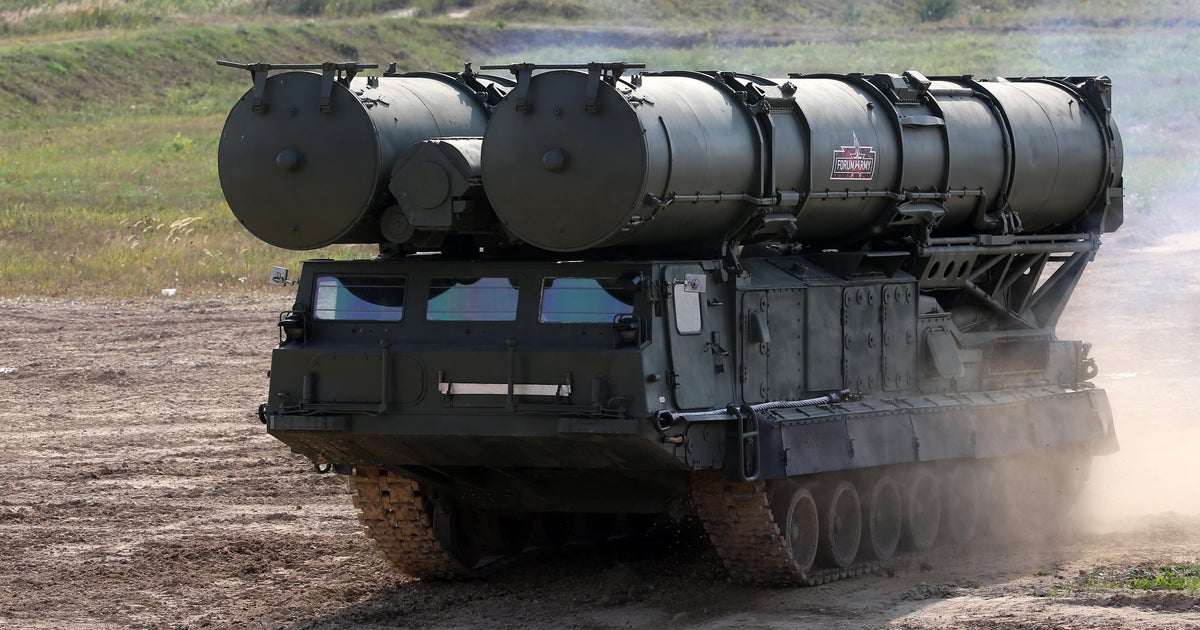
Between 11 and 18 June, Russian forces very likely sustained heavy long-range strikes against Ukrainian cities, including lethal attacks in Kyiv, Sloviansk and Zaporizhzhia, and damage to cultural property in Kyiv and an art museum in Kharkiv. Kyiv authorities reported new missile attacks on 18 June and temporary power losses. In parallel, Ukraine likely intensified deep strikes into Russia: lethal drone impacts were reported in Tula and Belgorod, and all major Moscow airports temporarily suspended flights after a Ukrainian drone attack. Russia claimed to down hundreds of Ukrainian drones and is reportedly expending interceptors at a rapid, possibly unsustainable rate amid reported S‑300 shortages. Open reporting points to an extremely intense but largely static front; competing single‑source claims of settlement captures and large numbers of repelled assaults remain uncorroborated. The risk of pressure from the Belarus direction is likely rising as Russia and Belarus expand enabling infrastructure, and Ukraine reinforces its northern defences.
Change from previous assessment
Since the 17 June brief, new reporting indicates temporary suspension of flights at all major Moscow airports after a Ukrainian drone attack, a lethal Ukrainian strike in Russia’s Belgorod region, fresh missile alerts over Kyiv on 18 June and additional detail on cultural property damage in Kyiv and an art museum in Kharkiv. We added a judgement on the growing Belarus vector reflecting reports of new Russian UAV bases and Ukrainian reinforcement of northern defences. Confidence in the strike‑tempo judgements increased on the strength of corroboration; confidence on front‑line change remains low due to continued conflicting single‑source claims.
Key judgments
- Russia very likely maintained a high‑intensity long‑range strike tempo on 17-18 June, killing civilians in Kyiv, Sloviansk and Zaporizhzhia and damaging cultural sites in Kyiv and Kharkiv. (Confidence: high · REPORTED)
- I&W: Additional lethal strikes and cultural site damage in Kyiv or Kharkiv reported by major outlets or UNESCO (0-14 days)
- I&W: Multi‑day pause in Russian long‑range strikes on major Ukrainian cities (0-14 days)
- Ukraine likely executed a high‑tempo deep‑strike campaign into Russia around 17-18 June that briefly disrupted Moscow air traffic and is straining Russian air defences. (Confidence: medium · ASSESSED)
- I&W: Repeated temporary suspensions or diversions at Moscow’s major airports following Ukrainian drone activity (0-14 days)
- I&W: Noticeable reduction in Russian claims of downed drones and absence of cross‑border damage reports for two consecutive weeks (0-1 month)
- There is a roughly even chance the front line did not materially shift during 11-18 June, despite intense fighting and mutually incompatible single‑source claims of captures and repelled assaults. (Confidence: low · ASSESSED)
- I&W: No multi‑source confirmation of control changes for named settlements such as Lyman, Kostiantynivka or the Sloviansk approach (0-14 days)
- I&W: Credible, multi‑outlet confirmation of a town capture or withdrawal on either side (0-14 days)
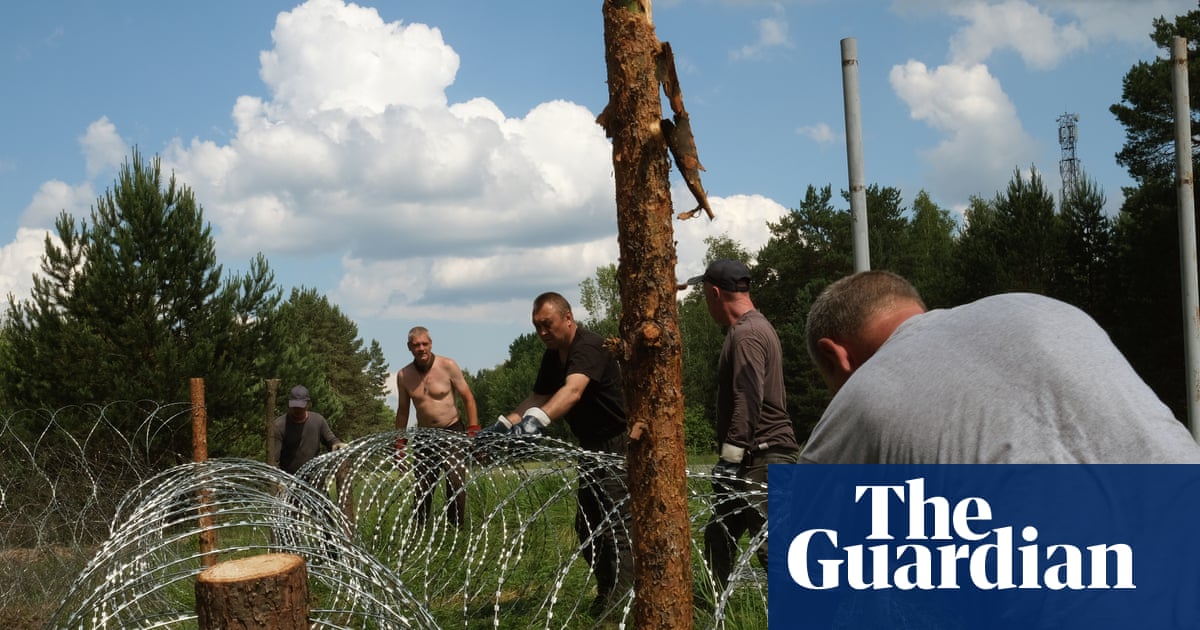
- It is likely the risk of pressure from the Belarus axis is rising, as Russia and Belarus expand enabling infrastructure and Ukraine hardens its northern defences. (Confidence: medium · ASSESSED)
- I&W: Satellite or ground reporting of new Russian UAV or support facilities becoming active in Belarus border regions (1-3 months)
- I&W: Public de‑escalatory signalling from Minsk and visible slowdown in border‑area works (1-3 months)
- Western political support almost certainly remains firm in the near term, with G7 pledges to strengthen Ukraine’s air defences and energy supply and senior leaders citing convergent positions and new sanctions steps. (Confidence: high · ASSESSED)
- I&W: Announcements of new air‑defence deliveries or sanctions packages by G7 members (0-1 month)
- I&W: Public delays or political obstacles to pledged support in G7 capitals (0-1 month)
Outlook & scenarios
Strike, counterstrike persists while front lines hold (60%)
Russian long‑range strikes and Ukrainian deep strikes continue at a high tempo, including periodic disruptions to Moscow air traffic, but control lines remain broadly static along most sectors. Civilian harm and infrastructure damage in Kyiv, Kharkiv and other cities remain elevated.
Localised Russian gains on the Donetsk axis (35%)
Intense fighting around the Sloviansk approach and adjacent sectors yields incremental Russian advances, amid continued Ukrainian claims of repelling large numbers of assaults. Any gains are measured in small settlements rather than major urban centres.
Belarus vector heats up via UAV and ISR activity (20%)
Continued build‑out of Russian and Belarusian infrastructure enables a rise in drone and reconnaissance activity from Belarusian territory. Ukraine keeps northern fortifications reinforced and signals it has pre‑planned targets inside Belarus should Minsk’s involvement deepen.
Recommendations
- Maintain a daily geolocation and corroboration cycle for claimed control changes at Lyman, Kostiantynivka, Pokrovsk and the Sloviansk approaches; treat single‑source social‑media claims as unconfirmed until cross‑checked with multi‑outlet or imagery evidence.
- Stand up a Moscow airspace watch: fuse NOTAMs, airport operations data and local reports to log each flight suspension or diversion and correlate with strike claims and debris finds.
- Track Russian air‑defence attrition: build a database of reported intercept counts, observed launches and confirmed impacts; model S‑300 interceptor burn rates against reported shortages to estimate sustainment timelines.
- Exploit NASA FIRMS thermal detections alongside municipal alerting and imagery to accelerate battle damage assessment in Kyiv, Kharkiv, Sloviansk and Zaporizhzhia, noting that thermal hits record heat, not cause.
- Expand OSINT and commercial imagery collection on Belarus border regions to identify new UAV bases or support facilities; compile a watchlist of units and sites and monitor for activation indicators.
- Prepare an update on cultural property damage in Kyiv and Kharkiv to support sanctions and diplomatic engagement, with location‑confirmed imagery of the Kyiv‑Pechersk Lavra complex and Dormition Cathedral.
Confidence & uncertainty
Overall confidence is medium. Civilian casualty events and damage to cultural sites are well supported by major media, UN and municipal reporting. Ukrainian deep strikes into Russia are corroborated by lethal incidents in Tula and Belgorod and by temporary flight suspensions over Moscow, though Russian claims of hundreds of downed drones are not independently verifiable. Judgements on front‑line control are limited by thin, conflicting and single‑source social‑media reporting; no multi‑source confirmations of material territorial change were identified in the period. Assessments on Belarus rely on reputable reporting but lack direct imagery confirmation of all cited infrastructure.
Alternative analysis (red cell)
A defensible alternative reading of the reporting is that Ukraine conducted a series of discrete, effective strikes into Russian territory that caused temporary local disruptions (airport suspensions, localized fatalities) but do not yet demonstrate a sustained, high‑tempo deep‑strike campaign that systemically degraded Russian air defenses; large aggregate intercept figures in the dataset are low‑reliability and should not drive strategic conclusions. On the ground, intense fighting is evident, but mutually incompatible single‑source claims about captures versus repelled attacks (e.g., 232ba737 versus 5199941e and 21f254c3) mean localized territorial changes are plausible even if the overall front largely persisted; indicators of Belarusian enabling activity show heightened tension but lack geospatial/SIGINT confirmation of imminent offensive capability.
Intelligence gaps
- [EEI 1.1 · UNCOVERED] Geotagged UAV/satellite imagery showing abandoned defensive positions or newly occupied settlements. Recommended collection: overhead imagery
- [EEI 1.2 · UNCOVERED] Confirmed movement of frontline ambulance evacuation routes beyond previous coordinates. Recommended collection: SIGINT/medical logistics
- [EEI 2.1 · PARTIAL] Concentration of assault battalions (≥3 mechanized companies) within 15km of contact line. Recommended collection: SIGINT/UAV
- [EEI 2.2 · UNCOVERED] Unusual artillery stockpile buildup at forward depots exceeding 30-day consumption rates. Recommended collection: overhead imagery/logistics
- [EEI 3.1 · UNCOVERED] Bridge structural damage assessments at 5 key Dnieper River crossings via multispectral imaging. Recommended collection: overhead imagery
- [EEI 3.2 · PARTIAL] Rail traffic volume changes at Kryvyi Rih and Pokrovsk rail hubs compared to 7-day baseline. Recommended collection: commercial freight data
Cited sources
[1] BBC News · Ukraine War | Latest News & Updates| BBC News (A) · sha256:1a5a48f694e5 [2] Arab News · Russian attacks on eastern Ukrainian cities kill four, officials say (B) · sha256:d95ffc7a73dd [3] United Nations · Ukraine: Latest Russian attack kills civilians, damages cultural landmark (A) · sha256:46935a261254 [4] independent.co.uk · Ukraine-Russia war latest: Zelensky says phone call with Trump and Macron after G7 ‘could change a great deal’ (B) · sha256:afb1c97151b0 [5] NASA · NASA FIRMS thermal detections — Ukraine (2d) (A) · sha256:6951bba27dd0 [6] CBS News · Ukraine's deep strikes leaving Russia short on air defense missiles, possibly at an "unsustainable rate" (A) · sha256:787e310d855a [7] TSN English · PUTIN HAS A HUGE PROBLEM! Battle for Donbas takes an unexpected turn — and it's only the beginning! (B) · sha256:e79619f1e5e9 [8] theconversation.com · Putin wanted to make Russia great again. Instead, Ukraine is the new rising power in Europe (B) · sha256:8e3121038b40 [9] Front Jem · TOTALER KRIEG: Lyman und Kostiantyniwka fallen – Russische Offensive wächst 💥 Ukraine krieg (E) · sha256:8803d9f51218 [10] FREEДOM. LIVE · 💥 Сводка с фронта: 7-й корпус ДШВ СОРВАЛ масштабное наступление ВС РФ на Славянском направлении (E) · sha256:e1b2e14c40ec [11] Defense Politics Asia (DPA) · [ Ukraine Frontline Changes ] MASSIVE RUSSIAN OFFENSIVE!!! Lyman City is abandoned!?!? (E) · sha256:1e564e048e2c [12] theguardian.com · Ukraine bolsters its northern defences amid fears Belarus is being dragged into war (A) · sha256:a94e0da303b5 [13] Los Angeles Times · Zelensky says G-7 leaders pledge more vital help for Ukraine against Russia - Los Angeles Times (A) · sha256:f734253ee06a
Source content hashes were computed at collection time; the cited text is preserved unmodified for the life of this product.
Red cell review: PARTIAL DISSENT
TLP:CLEAR