TLP:CLEAR · Disclosure is not limited.
Russia-Ukraine Front Line: Kyiv Hit by Mass Strike as Ukraine Expands Deep-Strike Campaign
Time window: Last 7 days · Audience: General analyst · Type: Situation report · DTG: 2026-07-08 07:17Z · Overall confidence: MEDIUM
BLUF
Russia’s 6 July mass strike on Kyiv exposed Ukraine’s acute ballistic-defence gap, killing at least 22 in the capital and region and forcing evacuations around unexploded munitions. Ukraine simultaneously intensified deep strikes that blacked out Crimea and hit refineries and terminals deep inside Russia, likely compounding fuel shortages Moscow is moving to contain.
Executive summary
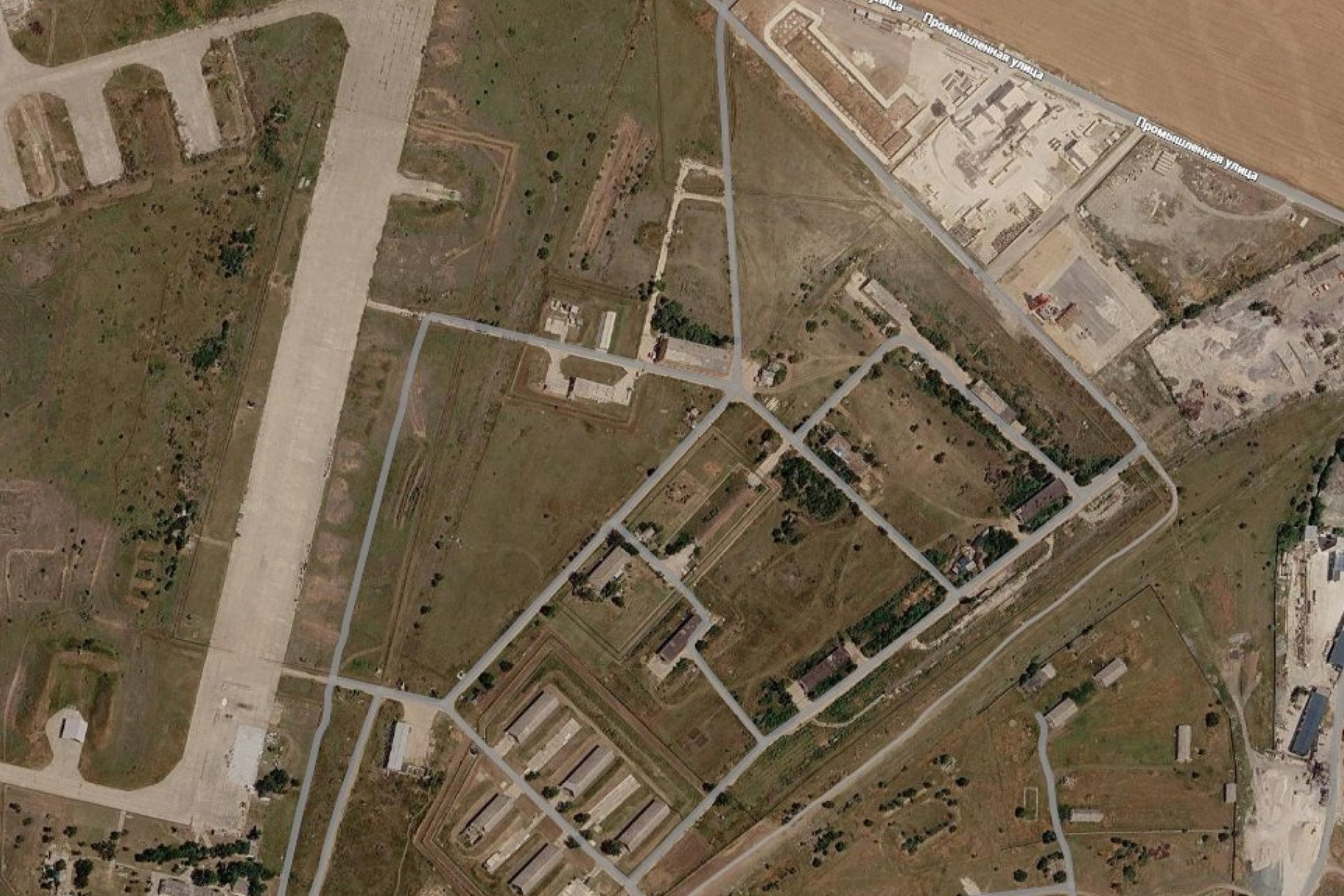
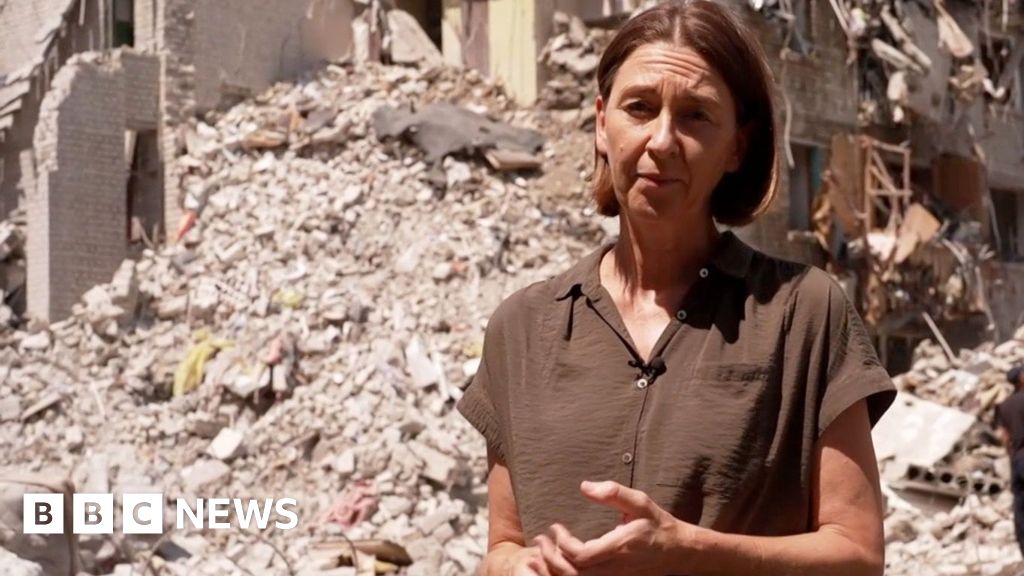
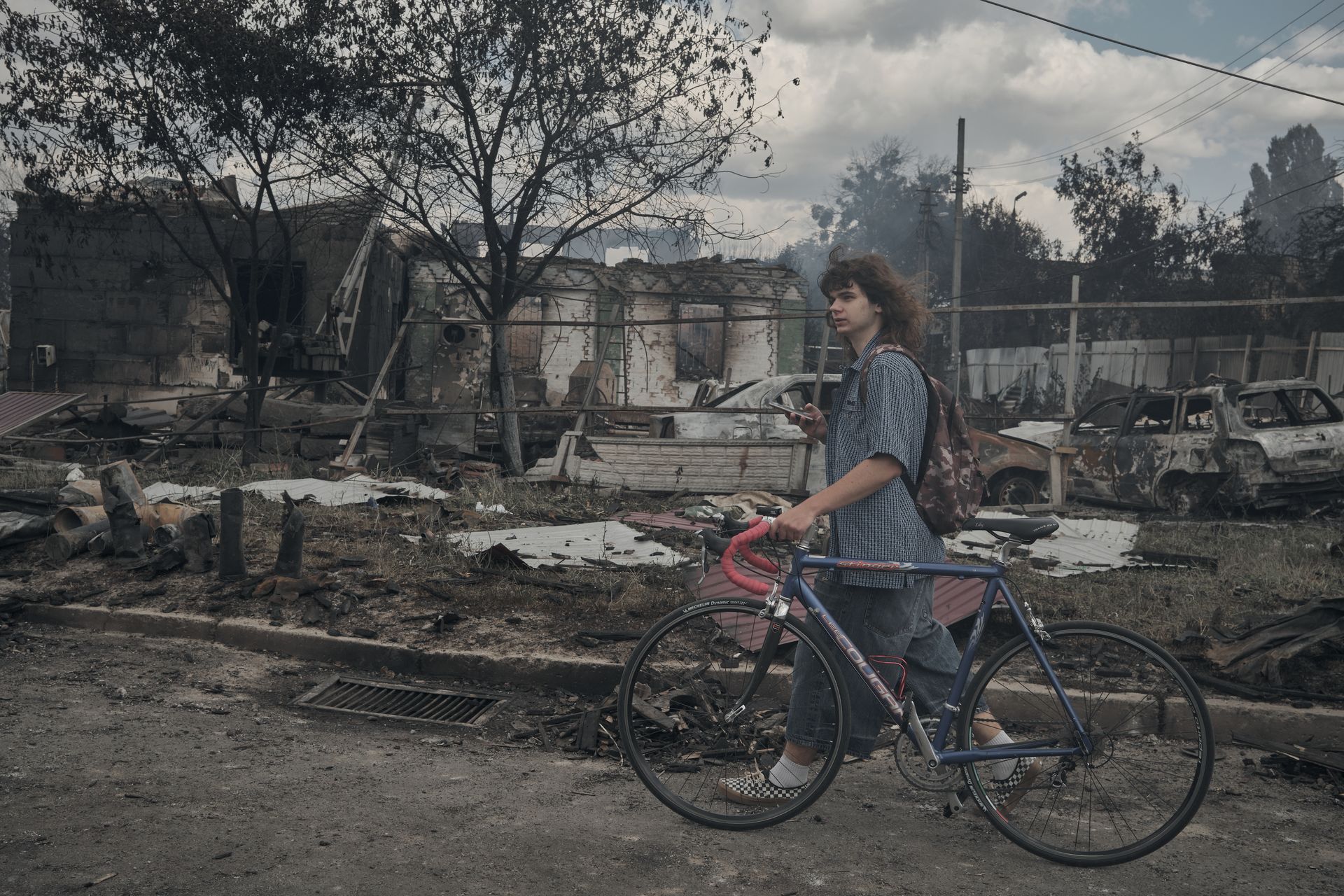
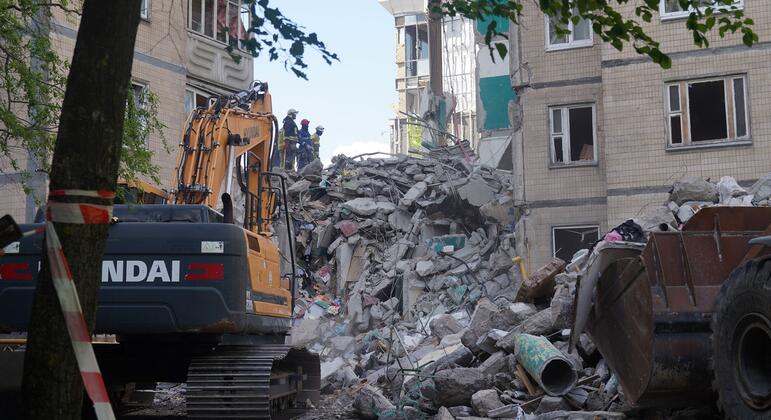
In the early hours of 6 July, Russia launched a large, mixed strike against Kyiv, with officials and the city’s mayor describing it as the most massive attack on the capital to date. Ukraine’s Air Force reported that all 29 ballistic missiles reached their targets, while intercepting cruise missiles and drones. Reported casualties vary, but at least 22 people died across Kyiv city and region, with additional fatalities and injuries in the suburb of Vyshneve, where authorities evacuated roughly 600 residents due to the risk of secondary detonations. Damage included hits on DTEK facilities and the destruction of a nine-storey block of flats. In parallel, Ukraine expanded its deep-strike campaign: drones and long-range systems disabled electricity across occupied Crimea and struck the Omsk and Yaroslavl refineries, the Ust-Luga oil terminal, a major substation near Simferopol, and the Hvardiiske air base where a MiG-29 was destroyed. Russian fuel shortages have spread to Moscow and triggered a state of emergency in Crimea, while the Kremlin imposed temporary fuel export bans and began subsidising domestic supply. Kyiv is expected to press allies for additional Patriot-class interceptors as Russia leans harder on ballistic salvos.
Change from previous assessment
New since the prior brief: Russia’s 6 July mass strike on Kyiv with all 29 ballistic missiles reported to have reached targets; evacuations in Vyshneve due to secondary detonation risks; confirmed damage to DTEK facilities; and a Ukrainian deep-strike wave that blacked out Crimea and struck the Omsk and Yaroslavl refineries, the Ust-Luga terminal, and Hvardiiske air base with the destruction of a MiG-29. Reporting now details fuel shortages in Moscow alongside a declared state of emergency in Crimea, and the Kremlin’s temporary fuel export bans and subsidy measures. Confidence on refinery-strike counts is lowered due to conflicting figures.
Key judgments
- Russia very likely conducted its most massive combined missile-and-drone strike on Kyiv on 6 July, with Ukraine failing to intercept any of the 29 ballistic missiles, causing at least 22 deaths across Kyiv city and region, evacuations in Vyshneve due to secondary detonation risks, and damage to DTEK energy facilities. (Confidence: medium · REPORTED)
- I&W: Another large Russian salvo against Kyiv within 0-14 days with Ukraine’s Air Force reporting zero ballistic intercepts. (0-14 days)
- I&W: Ukrainian authorities publish verified evidence of ballistic missile shootdowns over Kyiv in a subsequent mass strike. (0-14 days)
- Ukraine almost certainly intensified deep strikes against Russian energy and military infrastructure in early July, disabling electricity across Crimea, striking the Omsk and Yaroslavl refineries and the Ust-Luga oil terminal, and hitting the Hvardiiske air base where a Russian MiG-29 was destroyed. (Confidence: high · REPORTED)
- I&W: Repeated blackout or rationing advisories from Crimea’s occupation administration corroborated by local reporting. (0-14 days)
- I&W: Additional verified strikes on Russian refineries or the Ust-Luga terminal documented by official statements and imagery. (0-14 days)
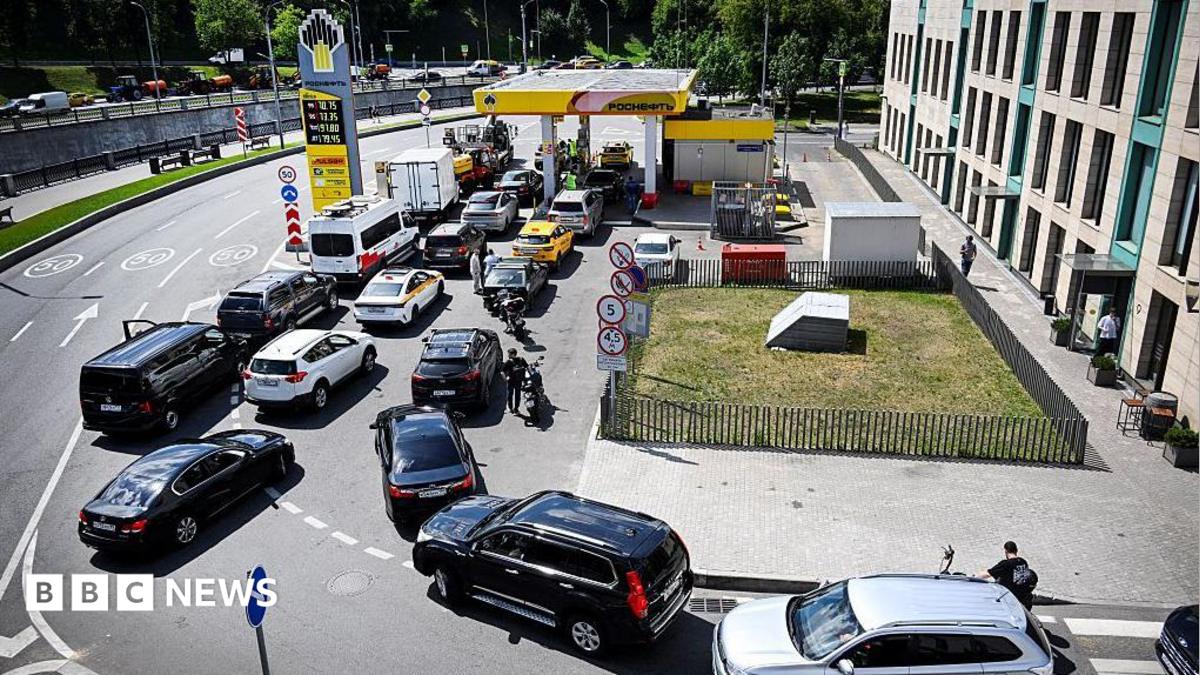
- Russia is likely facing widespread fuel shortages driven in part by Ukraine’s strike campaign, prompting emergency measures and rationing that include a state of emergency in Crimea, reported shortages in Moscow, a temporary gasoline and jet fuel export ban, and increased imports and subsidies, with authorities likely prioritising military fuel over civilians. (Confidence: medium · ASSESSED)
- I&W: Additional Russian federal subjects announce fuel rationing limits or pump closures; Crimea maintains emergency status. (0-14 days)
- I&W: Public announcements lift Crimea’s emergency status and Moscow pump availability returns to normal. (0-14 days)
- Ukraine almost certainly faces a critical ballistic-missile interception gap that Russia is very likely exploiting with larger ballistic salvos, evidenced by all 29 ballistic missiles on 6 July reaching their targets and Kyiv’s planned push for more Patriot-class interceptors. (Confidence: medium · ASSESSED)
- I&W: Ukrainian Air Force daily briefings continue to report zero ballistic shootdowns during sizable salvos. (0-14 days)
- I&W: Public announcements of new Patriot or PAC-3 deliveries followed by documented ballistic intercepts over Kyiv. (1-3 months)
- The cumulative effect of Ukraine’s refinery strike campaign is likely degrading Russia’s fuel output and export capacity, although the reported scale is contested, ranging from 22 refineries hit to at least 194 strike incidents in the first half of 2026. (Confidence: low · ASSESSED)
- I&W: Further verified outages at Russian refineries and continued limits on fuel exports reported by officials. (1-3 months)
- I&W: Russian authorities report sustained increases in refinery throughput and resume fuel exports without restrictions. (1-3 months)
- Unexploded ordnance risk around recent strike sites near Kyiv is almost certainly elevated, prompting evacuations and rapid EOD operations in suburbs such as Vyshneve. (Confidence: high · REPORTED)
- I&W: Further evacuation advisories for UXO and secondary detonation risks issued by Ukraine’s emergency services. (0-14 days)
- I&W: Official EOD declarations that Vyshneve sites are cleared without additional UXO finds. (0-14 days)
Outlook & scenarios
Repeat ballistic-heavy salvos against Kyiv (60%)
Russia concentrates on frequent ballistic-heavy barrages to exploit Ukraine’s interceptor gap, causing periodic mass-casualty events and infrastructure damage in Kyiv and its suburbs while stretching EOD capacity. Expect recurring nationwide air-raid alerts and limited ability to defeat ballistic trajectories until new interceptors arrive.
Sustained Ukrainian deep strikes strain Russian fuel and Crimea’s grid (55%)
Ukraine maintains record tempo of long-range strikes on refineries, terminals, air bases, and grid nodes in Crimea and deep inside Russia. Crimea sees intermittent blackouts and rationing, while Russian authorities lean on export bans, subsidies, and import increases to cushion civilian impact and keep military logistics supplied.
Air-defence reinforcement narrows the ballistic gap (30%)
Allied decisions accelerate deliveries of Patriot-class interceptors. Within weeks to months, Ukraine demonstrates sporadic ballistic shootdowns over Kyiv, reducing lethality of subsequent Russian salvos and easing pressure on emergency services.
Wildcard: High-impact strike on a St Petersburg oil terminal triggers domestic clampdown (15%)
A successful Ukrainian hit on a major terminal around St Petersburg produces visible damage but no mass casualties, prompting heightened domestic security measures and stricter fuel-distribution controls inside Russia, with limited direct effect on front-line operations.
Recommendations
- Maintain a time-stamped ledger of official casualty and damage reports from Kyiv city, Kyiv Oblast, and Vyshneve; reconcile variances by source and update trendlines after each large strike.
- Task GEOINT to verify and characterise damage at Omsk and Yaroslavl refineries, the Ust-Luga terminal, the Hvardiiske air base, and the Strohanivka substation near Simferopol; assess downtime and likely repair timelines.
- Track Ukraine’s nightly intercept tallies by missile class to quantify the ballistic-intercept performance trend and inform priority resourcing for air-defence gaps.
- Build a watchlist of Russian regional fuel measures, including rationing notices, pump closures, and queue controls, with special attention to Moscow and Crimea; flag evidence of prioritisation for military fuel.
- Use NASA FIRMS thermal detections as cues only; corroborate with imagery and on-the-ground reporting to avoid misattribution since thermal signatures record heat, not cause.
- Produce micro risk maps for UXO hazards in Vyshneve and affected Kyiv districts; monitor evacuation and EOD advisories to update area safety assessments for responders and residents.
- Monitor allied announcements on Patriot or PAC-3 procurements and deliveries to refine the window for improved ballistic defence and adjust scenario probabilities accordingly.
- Catalogue Ukrainian deep-strike incidents against energy and logistics infrastructure inside Russia to evaluate cumulative pressure on Russian sustainment and potential downstream effects at the front.
Confidence & uncertainty
Overall confidence is medium. Multiple independent and reliable sources corroborate the 6 July strike on Kyiv, the failure to intercept ballistic missiles, evacuations in Vyshneve, DTEK damage, and Ukraine’s deep strikes on Crimea’s grid, refineries, and the Ust-Luga terminal. However, casualty figures for Kyiv vary across official and media reports, and the reported scale of Ukraine’s refinery strike campaign conflicts across sources. Assessments of causal links between Ukrainian strikes and Russia’s fuel shortages rely partly on think-tank analysis rather than official production data. These inconsistencies and the pace of events argue against a high-confidence headline.
Alternative analysis (red cell)
Open-source reporting supports that a significant strike occurred, caused civilian harm, and prompted evacuations and EOD activity; however, munitions counts, interception performance, and the nationwide scale of fuel-sector damage are inconsistently reported and often stem from limited or single-origin reporting. Therefore, while operational effects are evident, precise quantitative conclusions about ballistic missile failures or the aggregate impact on Russian fuel exports remain insufficiently corroborated and should be presented more cautiously.
Intelligence gaps
- [EEI 1.1 · PARTIAL] Geotagged UAV/satellite imagery showing abandoned defensive positions or newly occupied settlements. Recommended collection: overhead imagery
- [EEI 1.2 · UNCOVERED] Confirmed movement of frontline ambulance evacuation routes beyond previous coordinates. Recommended collection: SIGINT/medical logistics
- [EEI 2.1 · UNCOVERED] Concentration of assault battalions (≥3 mechanized companies) within 15km of contact line. Recommended collection: SIGINT/UAV
- [EEI 2.2 · UNCOVERED] Unusual artillery stockpile buildup at forward depots exceeding 30-day consumption rates. Recommended collection: overhead imagery/logistics
- [EEI 3.1 · PARTIAL] Bridge structural damage assessments at 5 key Dnieper River crossings via multispectral imaging. Recommended collection: overhead imagery
- [EEI 3.2 · UNCOVERED] Rail traffic volume changes at Kryvyi Rih and Pokrovsk rail hubs compared to 7-day baseline. Recommended collection: commercial freight data
Cited sources
[1] forbes.com · Tuesday, July 7. Russia’s War On Ukraine: News And Information From Ukraine (A) · sha256:1371f80c5de8 [2] Yahoo News UK · Tuesday, July 7. Russia’s War On Ukraine: News And Information From Ukraine (A) · sha256:2a82e16d0b77 [3] BBC · Watch: BBC at site of deadly Russian attack on Kyiv flats (A) · sha256:445a6805e673 [4] ijpr.org · Russia's missile and drone attacks on Ukraine kill at least 22 (A) · sha256:07a9eda42f6c [5] kyivindependent.com · 'Everything just kept detonating' — Devastating Russian attack hits quiet Kyiv suburb of Vyshneve (A) · sha256:8cbe0c80bfc2 [6] Kyiv Post · Massive Ukraine Drone Attack Knocks Crimea Off Power Grid, Strike Packages Hit Russia (B) · sha256:ebfdc9542d20 [7] marinelink.com · Ukraine Attacks a Dozen Russian Shadow Fleet Tankers Over Two Days (B) · sha256:48137f20f08a [8] BBC · Russian fuel shortages bite – but will Putin change tack in Ukraine war? (A) · sha256:fa17f23890d5 [9] understandingwar.org · Ukraine's Strike Campaigns Will Likely Continue to Hurt Russia's Economy and Military Operations in Ukraine (B) · sha256:315c8e8001cb [10] UN News · Civilian dangers multiply as drones transform Ukraine's battlefield (A) · sha256:f758c952d0cb
Source content hashes were computed at collection time; the cited text is preserved unmodified for the life of this product.
Red cell review: PARTIAL DISSENT
TLP:CLEAR