TLP:CLEAR · Disclosure is not limited.
Russia‑Ukraine front line: Kyiv mass strike, Ukrainian deep strikes, and contested claims at Kostyantynivka
Time window: Last 7 days · Audience: General analyst · Type: Situation report · DTG: 2026-07-04 07:12Z · Overall confidence: HIGH
BLUF
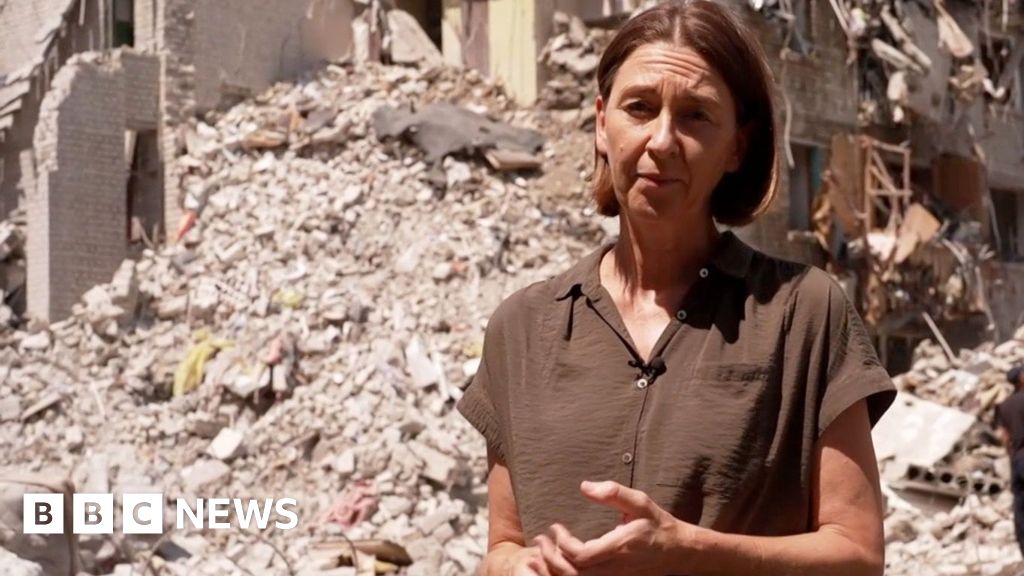
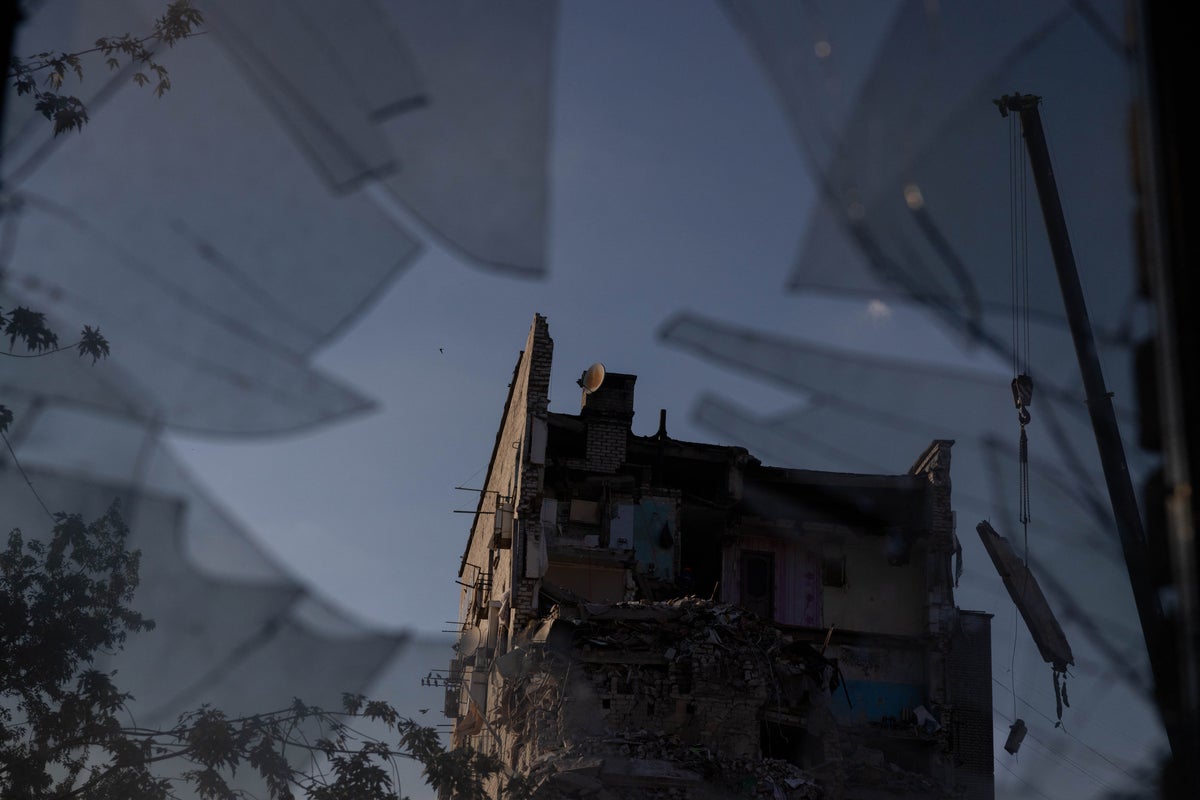
Russia almost certainly carried out an 11‑hour missile and drone barrage against Kyiv overnight 1-2 July causing high civilian casualties and damage across roughly 30 sites, while Ukraine very likely struck a major refinery in Nizhny Novgorod and a rail bridge in occupied Luhansk on 2 July. Russian claims to have seized Kostyantynivka remain unverified and contested, leaving control of the city unclear.
Executive summary
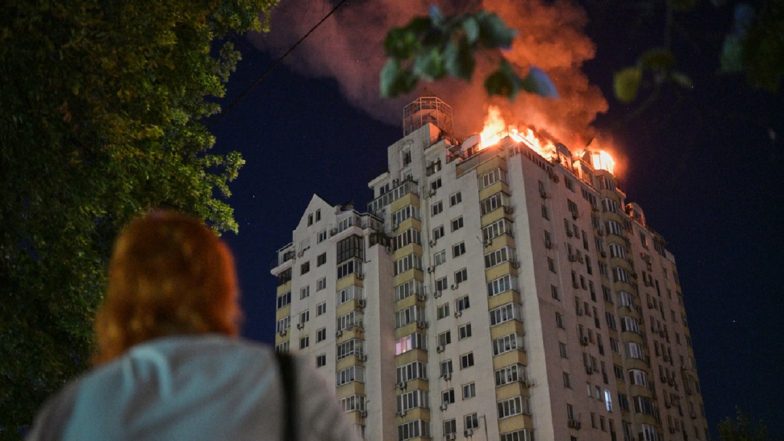
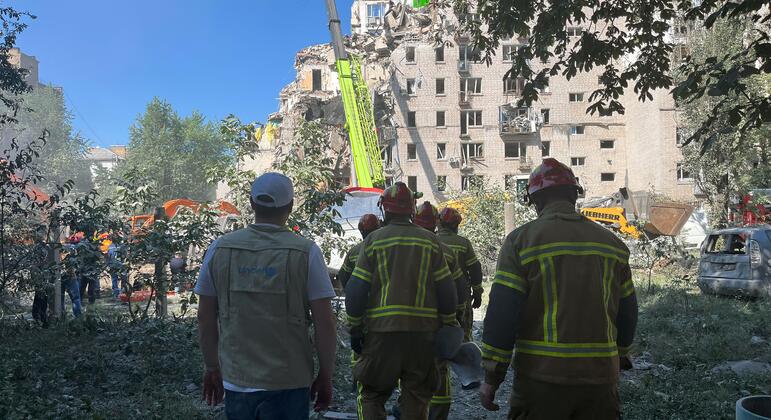
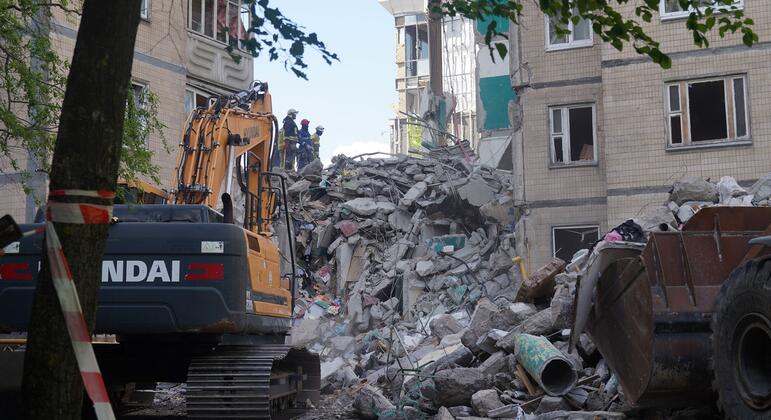
Russia launched a prolonged combined strike on Kyiv overnight 1-2 July, producing at least 18-20 deaths, over 90 injuries and widespread residential damage. The Ukrainian side continued deep‑strike activity on 2 July, very likely damaging the AVT‑6 unit at Lukoil’s Kstovo refinery and hitting a railway bridge over the Siverskyi Donets near Stanytsia Luhanska to disrupt Russian logistics. Moscow and President Vladimir Putin claim Russian forces seized Kostyantynivka on 3 July, yet available reporting indicates the situation is contested and unconfirmed. Remote sensing shows widespread heat signatures across Ukraine over 3-4 July, which corroborate broad activity but do not attribute cause. Civilian harm remains high, with additional fatalities in Dnipropetrovsk and power disruptions across frontline regions.
Change from previous assessment
New detail since the 3 July brief includes refined Kyiv impact figures and confirmation of damage across about 30 locations, integration of reported AVT‑6 damage and a fatality at Kstovo, the addition of remote‑sensing corroboration of widespread heat events on 3-4 July, and a new, contested Russian claim of seizing Kostyantynivka. Confidence remains high overall, with lowered confidence specifically applied to the Kostyantynivka control assessment.
Key judgments
- Russia almost certainly executed an 11‑hour combined missile and drone strike on Kyiv overnight 1-2 July, killing at least 18 to 20 civilians, injuring more than 90, and damaging about 30 locations, mainly residential sites, as residents sheltered for up to 11 hours and several neighbourhoods were evacuated. (Confidence: high · REPORTED)
- I&W: Municipal damage assessments geolocated to roughly 30 Kyiv sites and consistent casualty updates from the Kyiv City Military Administration (0-14 days)
- I&W: Authoritative downward revisions by Kyiv authorities reducing deaths well below 18 or damage well below about 30 sites (0-14 days)
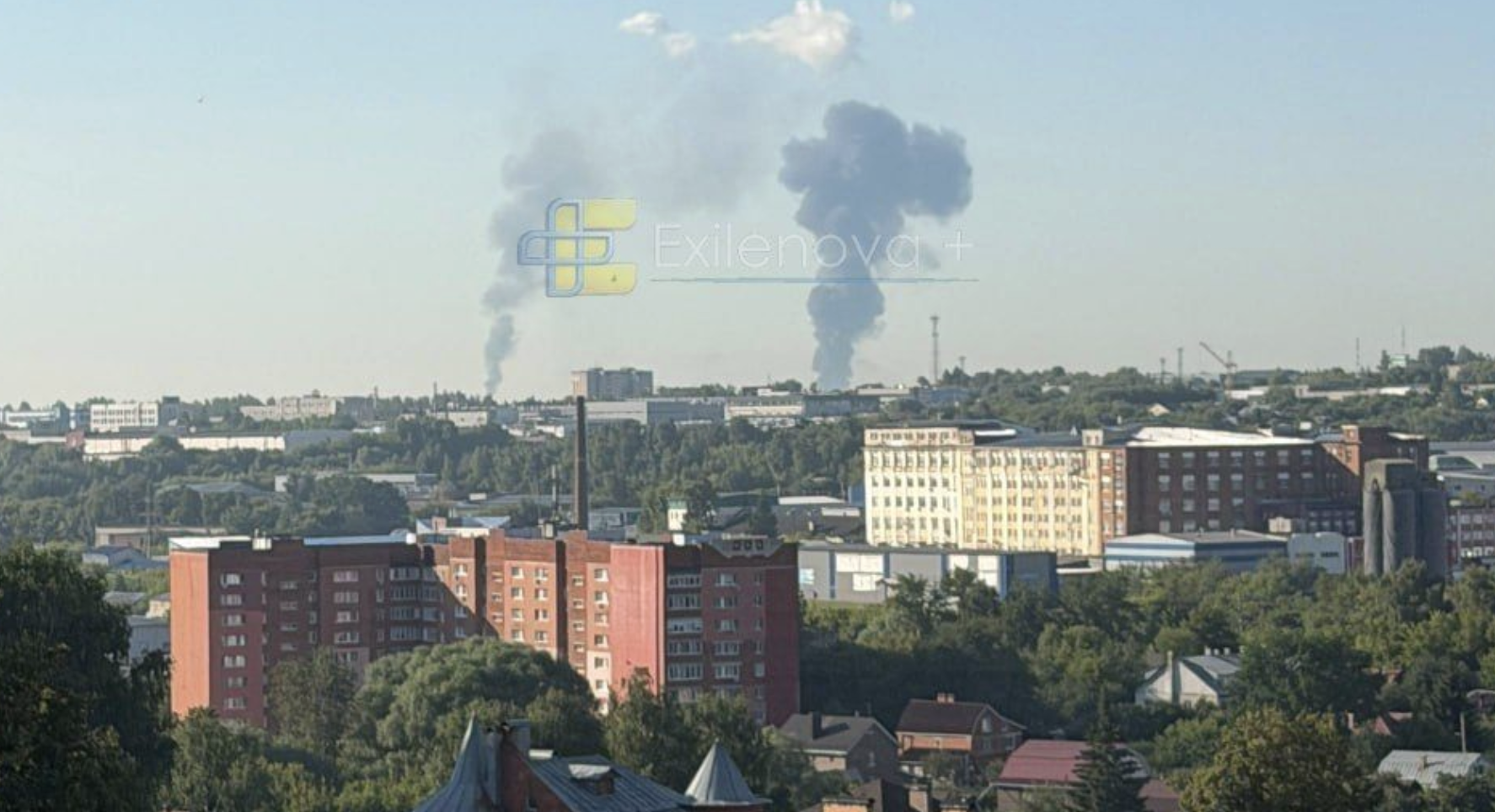
- Ukraine very likely struck the Lukoil‑Nizhegorodnefteorgsintez refinery at Kstovo on 2 July, causing a fire and damaging the AVT‑6 crude unit with one fatality reported, and also hit a railway bridge near Stanytsia Luhanska to interdict Russian logistics. (Confidence: high · REPORTED)
- I&W: Commercial imagery or refinery reporting confirming AVT‑6 remains offline or constrained at Kstovo (0-14 days)
- I&W: Rail movement data or logistics reporting showing sustained disruption over the Siverskyi Donets crossing near Stanytsia Luhanska (0-14 days)
- There is a roughly even chance Russia has seized Kostyantynivka by 3 July, but the claim is unverified and contested, leaving control of the city unclear. (Confidence: low · ASSESSED)
- I&W: Geolocated footage of Russian forces holding Kostyantynivka’s administrative centre and Ukrainian acknowledgement of withdrawal (0-14 days)
- I&W: Ukrainian geolocated combat footage from central Kostyantynivka and official reporting of continued defence inside the city (0-14 days)
- The long‑range strike tempo is likely to remain high in the near term, with Russia framing the Kyiv barrage as retaliation for refinery strikes and Ukraine continuing to target Russian logistics and oil infrastructure. (Confidence: medium · ASSESSED)
- I&W: Additional Russian mass missile‑drone salvos against major Ukrainian cities within two weeks (0-14 days)
- I&W: New Ukrainian strikes against Russian refineries or rail nodes reported by both Ukrainian and Russian regional authorities (0-14 days)
- Russian strikes very likely drove substantial civilian harm across Ukraine this week, including at least 18-20 deaths and nearly 90 injuries in Kyiv, a seven‑year‑old girl killed in the Dnipropetrovsk region, and power disruptions in parts of six frontline regions. (Confidence: high · REPORTED)
- I&W: OCHA or national updates maintaining or increasing casualty and infrastructure outage figures for the period 26 June to early July (0-14 days)
- I&W: Hospital admissions and utility operator reports aligning with reported injury counts and grid outages (0-14 days)
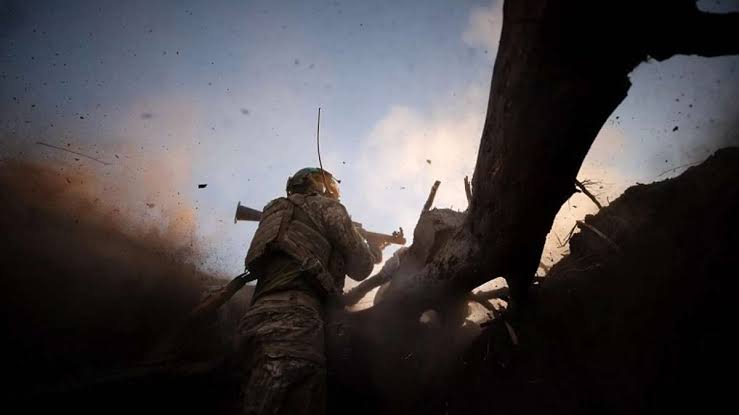
- The front remains highly lethal and drone‑dominated, likely extending a 15-25 km drone killing zone into frontline depth, with Ukrainian units actively employing drones and Russian forces relying on dense minefields and artillery. (Confidence: high · ASSESSED)
- I&W: Persistent daily publication of FPV and loitering munition strike footage along multiple sectors of the contact line (0-14 days)
- I&W: Engineering and mine‑clearing reporting indicating sustained presence of layered mine belts on key axes (1-3 months)
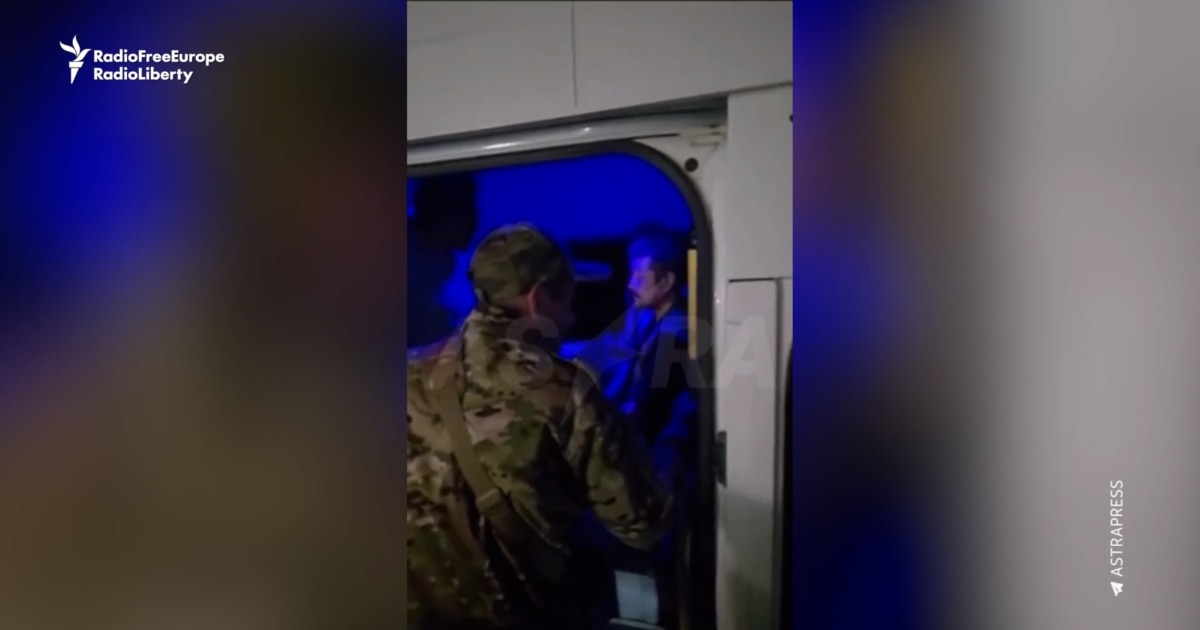
- Russia likely sustains frontline manpower through ongoing conscription and coercive recruitment alongside previously declared mobilisation, while keeping hundreds of thousands of troops in Ukraine. (Confidence: medium · ASSESSED)
- I&W: New official mobilisation measures or documented enforcement actions linked to conscription compliance in Russian regions (1-3 months)
- I&W: Sustained reduction in reports of coercive detentions and recruitment round‑ups in Russia (1-3 months)
- Satellite thermal detections likely corroborate widespread heat events across Ukraine during 3-4 July but do not attribute cause, requiring correlation with ground reporting for strike confirmation. (Confidence: high · REPORTED)
- I&W: Spatial match between FIRMS hotspot clusters and reported strike and fire locations in official and media reports (0-14 days)
- I&W: Thermal clusters concentrated away from reported combat and strike areas, indicating wildfire or industrial activity instead (0-14 days)
Outlook & scenarios
Sustained high‑tempo strike exchange (70%)
Russia repeats large missile‑drone salvos against major Ukrainian cities over the next fortnight while Ukraine continues deep strikes against Russian refineries and rail nodes, keeping pressure on air defence stockpiles and logistics networks on both sides.
Moscow consolidates limited gains at Kostyantynivka (40%)
Russian forces achieve tactically important but geographically limited control within Kostyantynivka’s urban core, forcing Ukrainian units to reposition on more defensible lines while the broader front remains positional.
Ukrainian interdiction degrades Russian logistics in Luhansk and the south (30%)
Follow‑on Ukrainian strikes against bridges, depots and command posts in occupied Luhansk and Zaporizhzhia create localised supply friction, enabling Ukraine to regain initiative on select sectors without large territorial shifts.
Wildcard: Cross‑border provocation increases NATO posture, indirectly affecting Ukraine’s rear (15%)
A Russian kinetic provocation near Poland triggers allied force posture adjustments and tighter corridor security for Ukrainian aid flows, complicating scheduling but not halting supplies to the front.
Recommendations
- Prioritise GEOINT of the Kstovo refinery, with unit‑level status of AVT‑6 and ancillary systems, and repeat‑pass imagery of the Stanytsia Luhanska rail bridge to assess repair timelines.
- Task OSINT teams to compile and geolocate urban damage in Kyiv across the roughly 30 reported sites, integrating municipal data, rescue service posts and high‑confidence media footage into a single layer for pattern analysis.
- Establish a daily strike ledger correlating FIRMS hotspot clusters with vetted incident reports, clearly marking non‑attributed thermal detections to avoid false causation.
- Focus collection on Kostyantynivka control indicators: flags, checkpoint control, administrative buildings, and street‑level geolocated footage; seek corroboration from both pro‑Ukrainian and pro‑Russian channels.
- Monitor Russian official narratives that frame mass barrages as retaliatory, alongside Ukrainian long‑range strike claims, to anticipate windows of elevated strike risk to urban centres.
- Maintain a running dataset on civilian harm for 26 June to mid‑July, disaggregated by oblast, weapon type where known, and utility outages, to brief humanitarian partners on likely needs.
Confidence & uncertainty
Overall confidence is high because multiple independent, reliable sources corroborate the Kyiv mass strike, casualty ranges and damage counts, as well as the Ukrainian strikes on the Kstovo refinery and the Stanytsia Luhanska rail bridge. UN, government and major media reporting converge on the scale of civilian harm and the nature of the attacks. Uncertainty remains highest around territorial control in Kostyantynivka due to competing claims and limited geolocated proof, which is reflected as low confidence in that specific judgment rather than reducing confidence across the brief. Satellite thermal detections support widespread activity but are non‑attributive by design, and this limitation is explicitly handled.
Alternative analysis (red cell)
Available reporting indicates Kyiv and other locations suffered significant attacks and heat events, but casualty totals, precise attribution, and asserted operational metrics (e.g., an 11‑hour single operation or a fixed 15–25 km 'killing zone') are contested or rest on limited analytic sources. A more cautious, lower‑confidence framing is warranted until independent forensic, geolocated, and time‑sequenced evidence (satellite imagery, radar tracks, medical records) reconciles divergent reports.
Intelligence gaps
- [EEI 1.1 · UNCOVERED] Geotagged UAV/satellite imagery showing abandoned defensive positions or newly occupied settlements. Recommended collection: overhead imagery
- [EEI 1.2 · UNCOVERED] Confirmed movement of frontline ambulance evacuation routes beyond previous coordinates. Recommended collection: SIGINT/medical logistics
- [EEI 2.1 · UNCOVERED] Concentration of assault battalions (≥3 mechanized companies) within 15km of contact line. Recommended collection: SIGINT/UAV
- [EEI 2.2 · UNCOVERED] Unusual artillery stockpile buildup at forward depots exceeding 30-day consumption rates. Recommended collection: overhead imagery/logistics
- [EEI 3.1 · UNCOVERED] Bridge structural damage assessments at 5 key Dnieper River crossings via multispectral imaging. Recommended collection: overhead imagery
- [EEI 3.2 · UNCOVERED] Rail traffic volume changes at Kryvyi Rih and Pokrovsk rail hubs compared to 7-day baseline. Recommended collection: commercial freight data
Cited sources
[1] latestly.com · Russia Pounds Kyiv for 11 Hours, 20 Killed as Moscow Claims Retaliation for Ukraine Attacks | 🌎 LatestLY (B) · sha256:a1853d9e3ef2 [2] United Nations · Ukraine: Rescuers work to save trapped residents after wave of Russian attacks (A) · sha256:b9d765eb22c4 [3] BBC · Watch: BBC at site of deadly Russian attack on Kyiv flats (A) · sha256:77c57f00fd96 [4] kyivindependent.com · Ukraine strikes major Russian oil refinery, railway bridge in Russian-occupied Luhansk Oblast, General Staff says (B) · sha256:1a45fdcf50f5 [5] understandingwar.org · Russian Offensive Campaign Assessment, July 3, 2026 (B) · sha256:0e1c8ae01cd5 [6] independent.co.uk · Ukraine-Russia war latest: Moscow launches wave of attacks after deadliest strike on Kyiv this year (A) · sha256:8002f65d6ea8 [7] United Nations · World News in Brief: Risk of atrocities in Sudan, UN programme prevents climate displacement, more civilians killed in Ukraine (A) · sha256:63f539d6d122 [8] visnyk-nanu.org.ua · Окопная война - visnyk-nanu.org.ua (C) · sha256:a65212903e7f [9] UN News · Civilian dangers multiply as drones transform Ukraine's battlefield (A) · sha256:f758c952d0cb [10] Foreign, Commonwealth & Development Office (FCDO) · Russia travel advice (A) · sha256:273119f9bb9f [11] rferl.org · Russia Scrambles To Recruit Enough Men For Ukraine War. Now It’s Also Forcing Them. (A) · sha256:39bf365df3f4 [12] The Global Network · A 27KM BREACH Just Changed Everything.. Russia’s Entire Frontline is COLLAPSING! (B) · sha256:66acf00e9d39 [13] NASA · NASA FIRMS thermal detections — Ukraine (2d) (A) · sha256:0071cfe2e85d
Source content hashes were computed at collection time; the cited text is preserved unmodified for the life of this product.
Red cell review: PARTIAL DISSENT
TLP:CLEAR