TLP:CLEAR · Disclosure is not limited.
Russia-Ukraine Front Line: Kyiv Strikes, Kerch Disruption and Ceasefire Outlook
Time window: Last 7 days · Audience: General analyst · Type: Situation report · DTG: 2026-11-20 07:16Z · Overall confidence: HIGH
BLUF
Russian attacks on 20 November damaged three Kyiv bridges and coincided with emergency power cuts, while Ukrainian strikes have left road access across the Kerch Bridge disrupted. Front-line reporting still does not establish a Russian breakthrough, and the latest diplomatic activity has produced no reported ceasefire agreement.
Executive summary
From 13 to 20 November, Russian forces maintained pressure on Ukraine and launched a combined attack on Kyiv, where Mayor Vitali Klitschko confirmed damage to the Podilsko-Voskresenskyi, Darnytskyi and Pivdennyi bridges. Reports differ on which bridges were targeted and on casualty totals. Ukrainian strikes on the Kerch Bridge reportedly collapsed a road span; accounts of rail and merchant shipping disruption describe different traffic modes and remain partly unresolved. Ukraine’s grid operator reported a difficult system situation, with power cuts in Kyiv and western regions; reporting also recorded a prolonged loss of off-site power at the Zaporizhzhia Nuclear Power Plant. Russian pressure in Donbas continues, but the supplied reporting does not establish a front-wide breakthrough. Leaders’ statements and meetings have not yielded a reported ceasefire text.
Change from previous assessment
Since the 19 November brief, reporting adds the 20 November Russian attack on Kyiv, with damage confirmed to three bridges and emergency power cuts reported in Kyiv and western Ukraine. New Kerch Bridge reporting describes a collapsed road span and a reported interruption to merchant shipping, extending the earlier rail-suspension account while leaving the status of different traffic modes unresolved. The Shenzhen meeting and Berlin discussions are now accompanied by more conflicting statements on European participation and security guarantees; the reporting still provides no agreed ceasefire terms. The new front-line reporting does not establish a Russian breakthrough.
Key judgments
- Russian forces are likely to sustain pressure at the northern and southern ends of the Donbas fortress belt over the next 1-3 months, but a Russian capture of Slovyansk or Kramatorsk before 20 December is unlikely. Reporting describes attacks intended to set conditions for a possible 2027 seizure, while also recording Russia’s smallest territorial gains since 2023 during August-October and drone saturation that impedes advances. This supports continued pressure, not an imminent breakthrough; the assessment draws on think-tank and major-media reporting, alongside an official government account of territorial gains. (Confidence: medium · ASSESSED)
- I&W: Verified Russian advances or newly captured settlements on the approaches to Slovyansk or Kramatorsk by 20 December would weaken the assessment that a near-term capture is unlikely. (0-30 days)
- I&W: Verified Ukrainian counterattacks and no confirmed Russian change of lines on the approaches to Slovyansk or Kramatorsk would support the assessment of pressure without an imminent breakthrough. (1-3 months)
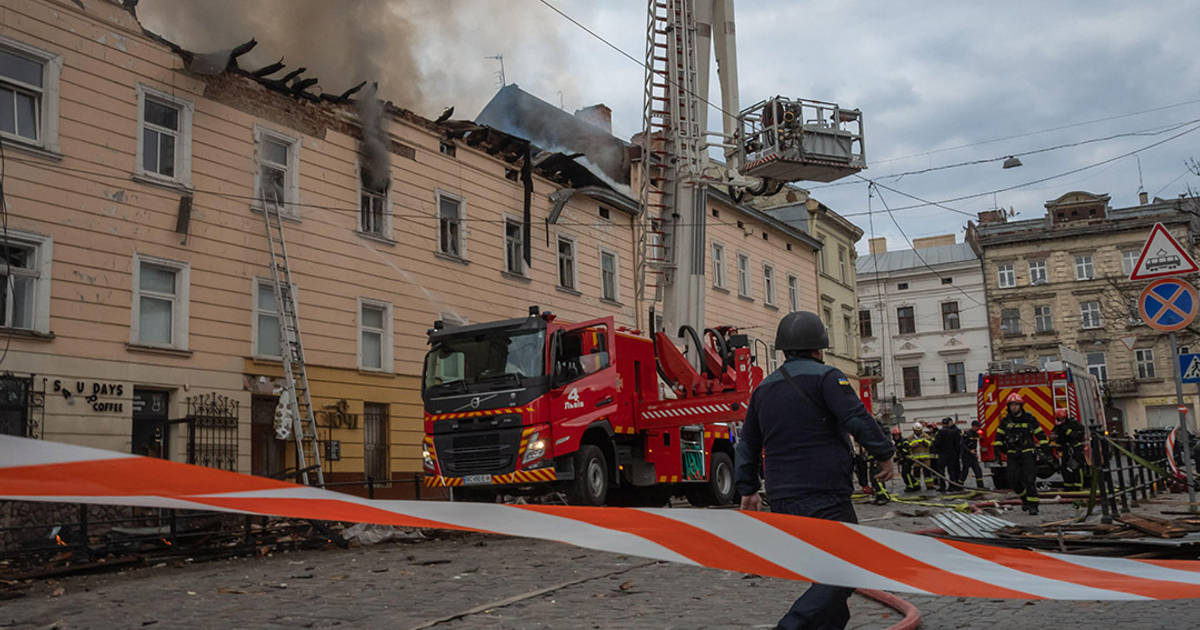
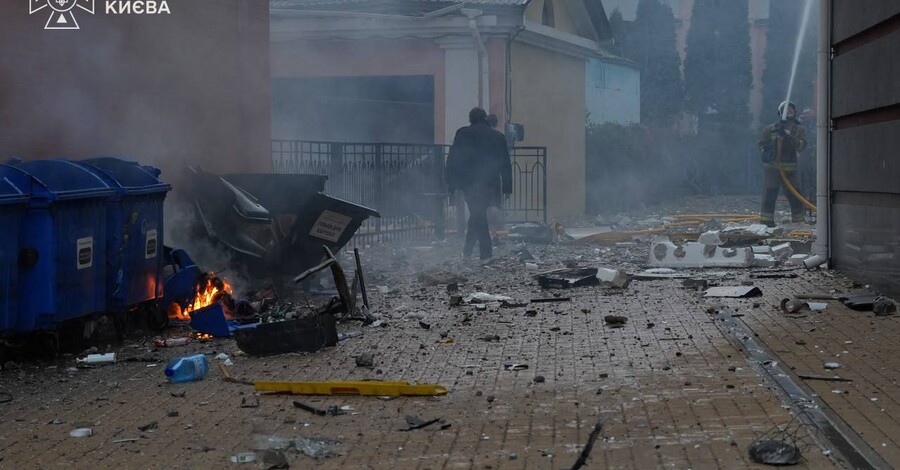
- Russian forces struck Kyiv on the night of 20 November, and three bridges sustained reported damage. Vitali Klitschko confirmed damage to the Podilsko-Voskresenskyi, Darnytskyi and Pivdennyi bridges; reports describe traffic restrictions on the Pivdennyi and closure of traffic across the Podilsko-Voskresenskyi. A local-media report gives three deaths and about 15 injuries, but bridge lists and casualty reporting are not fully reconciled. The occurrence of bridge damage is supported by multiple media reports and the mayor’s statement; details remain less certain. (Confidence: medium · REPORTED)
- I&W: A Kyiv city or bridge-authority inspection confirming physical damage to the three bridges named by Klitschko would corroborate the reported damage. (0-14 days)
- I&W: An official correction stating that one or more of those bridges sustained no damage would weaken the reported account. (0-14 days)
- Russian attacks are likely to continue causing serious electricity disruption across Ukraine over the next 1-3 months. Ukrenergo described the grid as extremely challenging on 20 November; reporting recorded partial power loss affecting half of Kyiv and emergency outages in three western regions. Earlier attacks damaged energy facilities, and the Zaporizhzhia Nuclear Power Plant lost all off-site power for more than 12 hours. Official statements and utility reporting corroborate current disruption, while the forecast also rests on a think-tank assessment of reduced resilience and shortages of spares and interceptors. (Confidence: medium · ASSESSED)
- I&W: Ukrenergo reports new emergency cuts or continued outages in Kyiv or western Ukraine after the current restoration effort, supporting continued disruption. (0-14 days)
- I&W: Ukrenergo reports stable supply and the end of emergency cuts across Kyiv and the affected western regions for 14 consecutive days, weakening the forecast of continuing near-term disruption. (0-14 days)
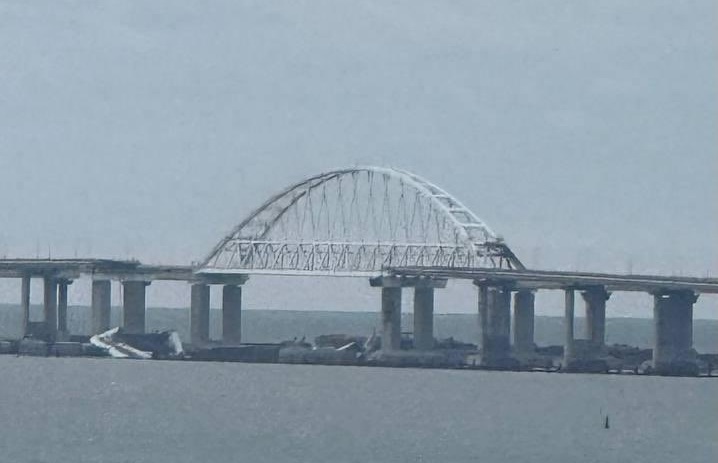
- Ukrainian strikes are likely to keep road traffic across the Kerch Bridge disrupted over the next 0-14 days. Reporting describes a collapsed road span and a roughly 200-metre section of roadway made unusable, while Russia’s transport ministry said train services resumed the same afternoon. A separate trade-publication report says merchant vessel traffic between the Black Sea and Sea of Azov stopped; the supplied reporting does not establish the duration of that interruption. The road disruption is supported by several reports, but the chronology of the span collapse and the status of other traffic modes remain contested. (Confidence: medium · ASSESSED)
- I&W: A Russian transport notice continuing the road-traffic prohibition or an inspection confirming the collapsed span would support continued road disruption. (0-14 days)
- I&W: Official confirmation that road traffic has resumed across the bridge would break the assessment of continued road disruption; verified merchant vessel movements would also clarify the separate shipping claim. (0-14 days)
- A full, immediate ceasefire within the next 30 days is unlikely. Ukraine has said it accepted a full ceasefire and an energy ceasefire, while Russia refused both; Vladimir Putin also vowed retaliation for the Kerch Bridge strikes and said there would be no agreements after them. European leaders have declared readiness for negotiations, Jared Kushner said Moscow was comfortable with Article Five-style security guarantees, and Putin reportedly invited Europeans to Moscow. A separate account says Putin rejected a European role in the talks. These conflicting public statements, with no reported joint ceasefire text, leave the diplomatic position unsettled; confidence is medium because the accounts describe statements rather than agreed terms. (Confidence: medium · ASSESSED)
- I&W: A Russian government announcement accepting a full ceasefire with a start date and implementation terms would break the assessment that a full ceasefire is unlikely within 30 days. (0-30 days)
- I&W: A renewed Russian rejection of a full or energy ceasefire, without a joint proposal, would support the assessment. (0-30 days)
Outlook & scenarios
Continued fighting and infrastructure pressure (75%)
Through 20 December, Russian and Ukrainian forces continue fighting without an agreed ceasefire. Russian pressure persists in Donbas, while further attacks and repair demands keep Ukrainian transport and electricity infrastructure under strain. Reporting still does not establish a Russian breakthrough toward Slovyansk or Kramatorsk.
A limited pause for Zaporizhzhia repairs (20%)
Russia and Ukraine reach a narrow, time-limited cessation to repair external power supply facilities at the Zaporizhzhia Nuclear Power Plant. The repair arrangement does not resolve the wider disagreement over a full ceasefire or European participation in negotiations.
Nuclear safety emergency (5%)
Low-probability, high-impact wildcard: further damage or grid instability causes another prolonged loss of all off-site power at the Zaporizhzhia Nuclear Power Plant. The disruption raises nuclear safety concerns and increases pressure for an urgent local cessation to allow repairs.
Recommendations
- Track Kyiv city and bridge-authority updates on the Podilsko-Voskresenskyi, Darnytskyi and Pivdennyi bridges. Record separately the bridge reported hit, the bridge confirmed damaged, traffic restrictions and casualty totals.
- Maintain separate status lines for road traffic, rail service and merchant shipping at the Kerch Bridge and Kerch Strait. Compare official transport notices with trade reporting before assessing the scale or duration of disruption.
- Monitor Ukrenergo outage and restoration notices alongside IAEA updates on off-site power and repair activity at the Zaporizhzhia Nuclear Power Plant. Flag any further loss of all off-site power or a prolonged generator requirement.
- Do not treat summit statements or public claims about security guarantees as evidence of a ceasefire agreement. Look for an explicit Russian acceptance, a start date, monitoring arrangements and energy provisions.
- Assess Donbas developments using verified changes in control and geolocated movement on the approaches to Slovyansk and Kramatorsk. Keep claims of attack intensity separate from claims of territorial capture.
Confidence & uncertainty
Overall confidence is high for the core events because reporting from Kyiv officials and multiple media accounts converges on bridge damage, while Ukrenergo reporting and official statements support the evidence of serious grid disruption. The main uncertainties concern the precise Kyiv bridge target list and casualty totals, the duration and scope of Kerch traffic restrictions, and conflicting statements about European participation in negotiations. Confidence in forecasts is lower than confidence in the reported events.
Intelligence gaps
- [EEI 1.1 · UNCOVERED] Geotagged UAV/satellite imagery showing abandoned defensive positions or newly occupied settlements. Recommended collection: overhead imagery
- [EEI 1.2 · UNCOVERED] Confirmed movement of frontline ambulance evacuation routes beyond previous coordinates. Recommended collection: SIGINT/medical logistics
- [EEI 2.1 · UNCOVERED] Concentration of assault battalions (≥3 mechanized companies) within 15km of contact line. Recommended collection: SIGINT/UAV
- [EEI 2.2 · UNCOVERED] Unusual artillery stockpile buildup at forward depots exceeding 30-day consumption rates. Recommended collection: overhead imagery/logistics
- [EEI 3.1 · PARTIAL] Bridge structural damage assessments at 5 key Dnieper River crossings via multispectral imaging. Recommended collection: overhead imagery
- [EEI 3.2 · UNCOVERED] Rail traffic volume changes at Kryvyi Rih and Pokrovsk rail hubs compared to 7-day baseline. Recommended collection: commercial freight data
Red cell review: CONCUR
TLP:CLEAR