TLP:CLEAR · Disclosure is not limited.
Russia-Ukraine Front Line: Local Advances, Long-Range Strikes and the Oleshky Pause
Time window: Last 7 days · Audience: General analyst · Type: Situation report · DTG: 2026-10-27 07:17Z · Overall confidence: HIGH
BLUF
The front remains active, with reports of local movement near Dobropillya and Oleksandrivka but no verified broad breakthrough. Russian strikes damaged Kyiv transport infrastructure on 27 October, while Ukrainian long-range attacks reached industrial targets deep inside Russia. The Oleshky silence regime began on 27 October, but aid delivery and evacuation remain unverified; the pause is local, not a general ceasefire.
Executive summary
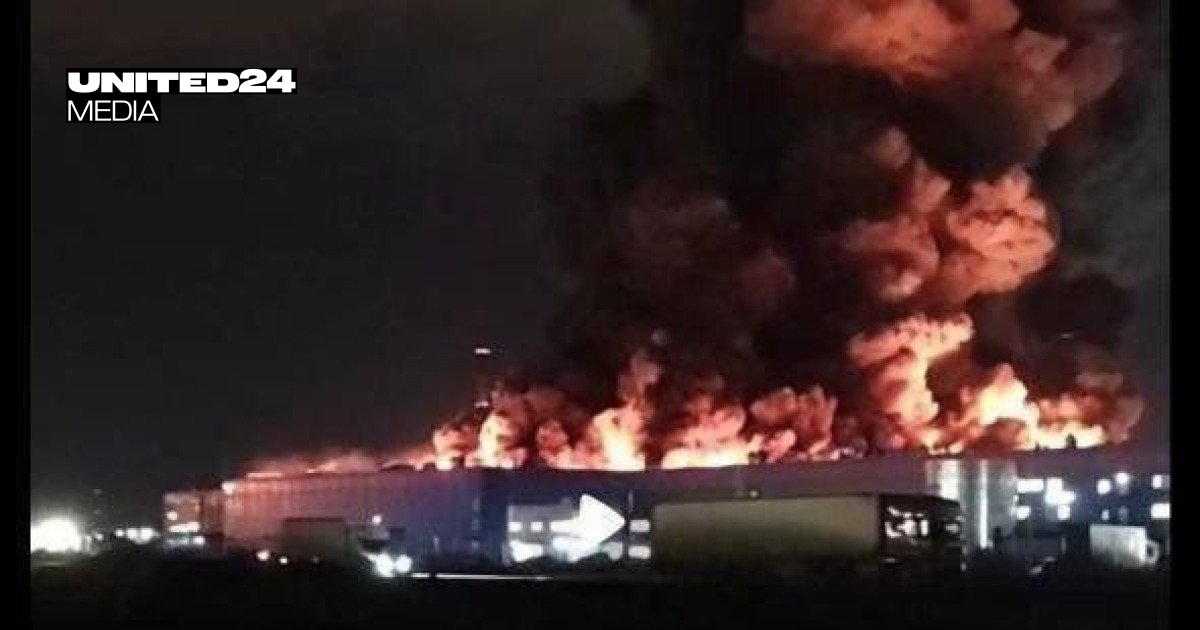
Reporting this week describes more than 200 daily tactical engagements in an assessment published on 21 October, Russian movement southeast of Dobropillya, and Ukrainian gains reported at Perebudova, Komar and Fedorivka and towards Skudne. Perebudova's status remains contested. Reports also indicate that Russian command redeployed naval infantry and tank elements to the Oleksandrivka direction, though independent confirmation of those unit movements is lacking. Russian attacks on 27 October damaged Kyiv's Southern Bridge and metro infrastructure, suspending train service between Osokorky and Chervonyi Khutir. Ukrainian FP-1 drones struck the Omsky Kauchuk plant and an Ozon logistics facility in Omsk on 24 October; the extent of damage to the plant's production remains unverified. The Oleshky silence regime took effect on 27 October. Up to 2,000 civilians are reported to remain there, and responsibility for the barriers to civilian movement and aid access is disputed.
Change from previous assessment
Since the 26 October brief, reporting confirms that the Oleshky silence regime began on 27 October, moving the assessment from an announced pause to a reported operational pause; aid delivery and evacuation remain unverified. New front-line reporting adds Ukrainian advances at Perebudova, Komar and Fedorivka and towards Skudne, a Russian advance southeast of Dobropillya, and reported Russian unit redeployments to Oleksandrivka. The updated evidence still does not establish a broad breakthrough. Reporting also adds the 27 October damage to Kyiv's Southern Bridge and metro infrastructure and further detail on the 24 October strikes in Omsk.
Key judgments
- A broad Russian breakthrough in Donetsk Oblast is unlikely over the next 14 days. This week's reporting describes Russian movement southeast of Dobropillya and Ukrainian advances at Perebudova, Komar, Fedorivka and towards Skudne, but does not establish a multi-sector breach. Perebudova's control is contested, and the wider front-line picture rests partly on dated or single-observer reporting. (Confidence: low · ASSESSED)
- I&W: Confirm if geolocated reporting through 10 November continues to show Russian movement limited to southeast of Dobropillya and contested positions in Perebudova, without verified advances on another reported axis. (0-14 days)
- I&W: Break if independently geolocated reporting confirms Russian forces have advanced beyond Dobropillya and established a breach into Ukrainian rear positions on the Oleksandrivka direction. (0-14 days)
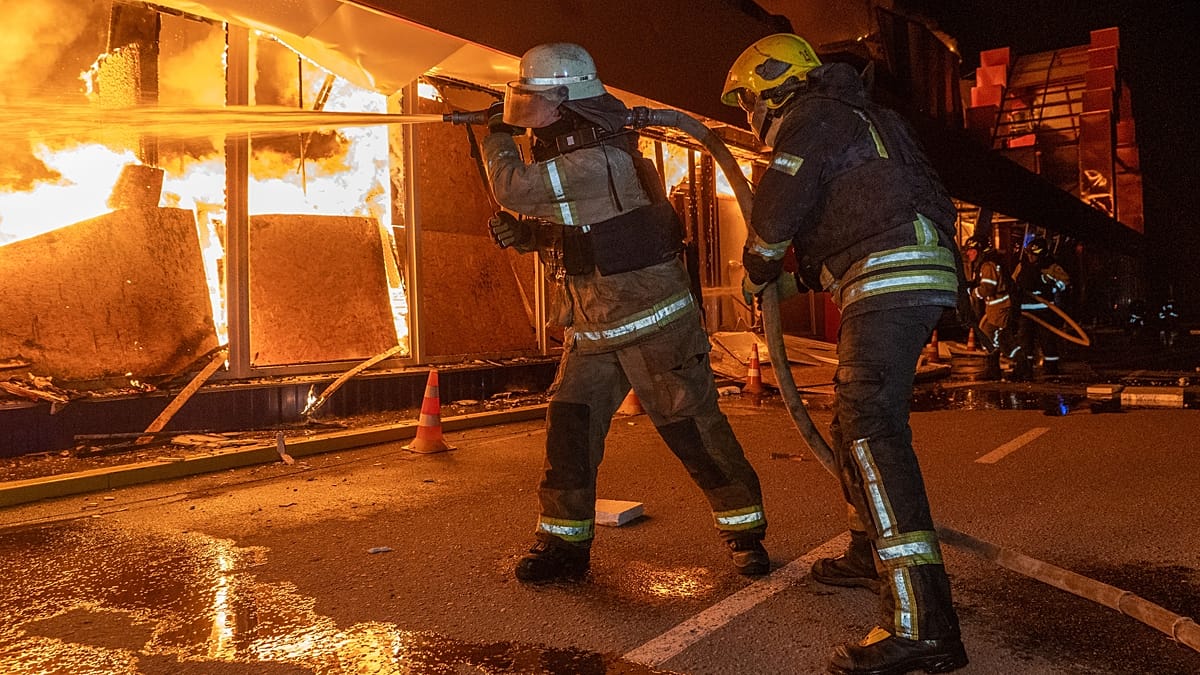
- Russian forces are very likely to continue long-range strikes on Ukrainian cities and infrastructure over the next 14 days. Reports for 27 October say strikes damaged Kyiv's Southern Bridge and metro infrastructure, interrupting service between Osokorky and Chervonyi Khutir; Ukrainian authorities reported one person killed and 14 injured in the Kyiv attack. Russian drones also struck energy infrastructure in Kharkiv on 26 October and damaged critical infrastructure in Chernivtsi Oblast. Casualty details and some target attributions remain wartime reporting by Ukrainian authorities. (Confidence: medium · ASSESSED)
- I&W: Confirm if a further strike causes verified damage and service disruption at an urban energy or transport site in Kyiv, Kharkiv or Chernivtsi. (0-14 days)
- I&W: Break if no new verified strike damages urban energy or transport infrastructure through 10 November and Kyiv's Southern Bridge and affected metro service are restored. (0-14 days)
- Ukrainian forces are likely to continue long-range strikes against Russian industrial and military infrastructure over the next 14 days. FP-1 drones struck the Omsky Kauchuk plant and an Ozon logistics facility in Omsk on 24 October; reporting placed the flight distance above 2,500 kilometres. Other reporting describes damage to the Proton-Electrotex plant in Oryol. The reported fire at Omsky Kauchuk is supported by multiple accounts, but its production impact has not been independently verified. (Confidence: medium · ASSESSED)
- I&W: Confirm if a further Ukrainian-attributed long-range strike has an independently geolocated impact on a Russian industrial or military facility. (0-14 days)
- I&W: Break if Ukrainian officials announce a suspension of strikes on Russian industrial targets. (0-14 days)
- The Oleshky silence regime almost certainly began at 03:00 Kyiv time on 27 October, but there is a roughly even chance it will enable aid delivery and evacuation by 31 October. Ukrainian and Russian officials reported that the pause had taken effect, and Ukraine's ombudsman said Ukraine was observing it. The UN reports that up to 2,000 people remain in Oleshky; Russian authorities estimate 1,500 to 2,000 civilians are trapped in Alyoshki. Doctors, medicines, food and water were planned for delivery before evacuation corridors open, but the supplied reporting does not confirm that aid has arrived. Ukraine and Russia give conflicting accounts of responsibility for civilian immobility and blocked access. (Confidence: medium · ASSESSED)
- I&W: Confirm if reporting verifies that doctors, medicines, food and water have entered Oleshky and that an evacuation corridor has opened by 31 October. (0-4 days)
- I&W: Break if a verified strike or documented obstruction occurs inside the designated silence-regime area, or if aid has not entered Oleshky by 31 October. (0-4 days)
- Russian command is likely diverting units to contain Ukrainian counterattacks in the Oleksandrivka direction, reducing their availability for operations towards Hulyaipole and Druzhkivka. Reporting names elements of the 120th Naval Infantry Division, the 40th Separate Naval Infantry Brigade and the 90th Tank Division. This judgment rests on analyst reporting without independent confirmation of the units' locations, so confidence is low. (Confidence: low · ASSESSED)
- I&W: Confirm if geolocated imagery or reporting places elements of the 120th Naval Infantry Division, 40th Separate Naval Infantry Brigade or 90th Tank Division in the Oleksandrivka direction. (0-14 days)
- I&W: Break if independently verified reporting places these units supporting Russian operations towards Hulyaipole or Druzhkivka instead of the Oleksandrivka direction. (0-14 days)
Outlook & scenarios
Continued local attrition (60%)
Russian and Ukrainian forces are likely to sustain heavy fighting, with reported ground movement remaining localised around Dobropillya and Oleksandrivka. Long-range strikes continue, while reporting does not establish a broad front-line rupture.
Oleshky pause enables limited humanitarian access (45%)
The silence regime holds through 31 October and aid teams deliver doctors, medicines, food and water to Oleshky before evacuation corridors open. Evacuation remains limited by the reported mines, drone activity and disputed access conditions.
Oleshky pause breaks down before evacuation (30%)
The parties' competing accusations of attacks and obstruction undermine the local pause. Aid delivery and evacuation are delayed, while fighting continues elsewhere, including around Kyiv and Kharkiv.
Local movement becomes a wider front-line breach (5%)
A low-probability, high-impact outcome is that Russian movement southeast of Dobropillya or Ukrainian gains in the Oleksandrivka direction develop into a multi-sector operational breach. Current reporting does not establish that either side has achieved such a breach.
Recommendations
- Maintain a dated front-line map for southeast of Dobropillya, Perebudova, Komar, Fedorivka and Skudne. Require geolocated evidence before changing settlement-control assessments.
- Track whether doctors, medicines, food and water enter Oleshky and whether an evacuation corridor opens by 31 October. Report each side's compliance claims separately from verified humanitarian access.
- Seek post-strike imagery and operating-status reporting for Omsky Kauchuk and the Ozon facility in Omsk. Do not infer production disruption from the reported fire alone.
- Track repairs to Kyiv's Southern Bridge and the resumption of green metro service between Osokorky and Chervonyi Khutir, alongside verified updates on casualties from the 27 October attack.
- Treat claims of Russian unit redeployment to Oleksandrivka as provisional until unit locations are independently corroborated; distinguish analyst reporting from geolocated evidence.
Confidence & uncertainty
Overall confidence is high in the broad picture of sustained fighting, long-range strikes and the start of the local Oleshky pause. Multiple major-media reports and statements from Ukrainian and Russian officials support key event timings and locations. Confidence is lower on battlefield control, unit movements, casualty details, plant damage and actual humanitarian access; several of these points rest on single-source or wartime reporting, and some are directly contested.
Intelligence gaps
- [EEI 1.1 · UNCOVERED] Geotagged UAV/satellite imagery showing abandoned defensive positions or newly occupied settlements. Recommended collection: overhead imagery
- [EEI 1.2 · UNCOVERED] Confirmed movement of frontline ambulance evacuation routes beyond previous coordinates. Recommended collection: SIGINT/medical logistics
- [EEI 2.1 · UNCOVERED] Concentration of assault battalions (≥3 mechanized companies) within 15km of contact line. Recommended collection: SIGINT/UAV
- [EEI 2.2 · UNCOVERED] Unusual artillery stockpile buildup at forward depots exceeding 30-day consumption rates. Recommended collection: overhead imagery/logistics
- [EEI 3.1 · PARTIAL] Bridge structural damage assessments at 5 key Dnieper River crossings via multispectral imaging. Recommended collection: overhead imagery
- [EEI 3.2 · UNCOVERED] Rail traffic volume changes at Kryvyi Rih and Pokrovsk rail hubs compared to 7-day baseline. Recommended collection: commercial freight data
Red cell review: CONCUR
TLP:CLEAR