TLP:CLEAR · Disclosure is not limited.
Russia-Ukraine Front Line: Local Gains, No Confirmed Breakthrough
Time window: Last 7 days · Audience: General analyst · Type: Situation report · DTG: 2026-11-23 07:18Z · Overall confidence: HIGH
BLUF
Russian forces likely made a localized advance in Zaporizhzhia, but the reported capture of Tersyanka and Zalivnoye is not independently confirmed. The reporting does not establish a breakthrough in Donbas; Russia's recent massed strikes and Vladimir Putin's retaliation threat point to continued pressure on Ukrainian targets.
Executive summary
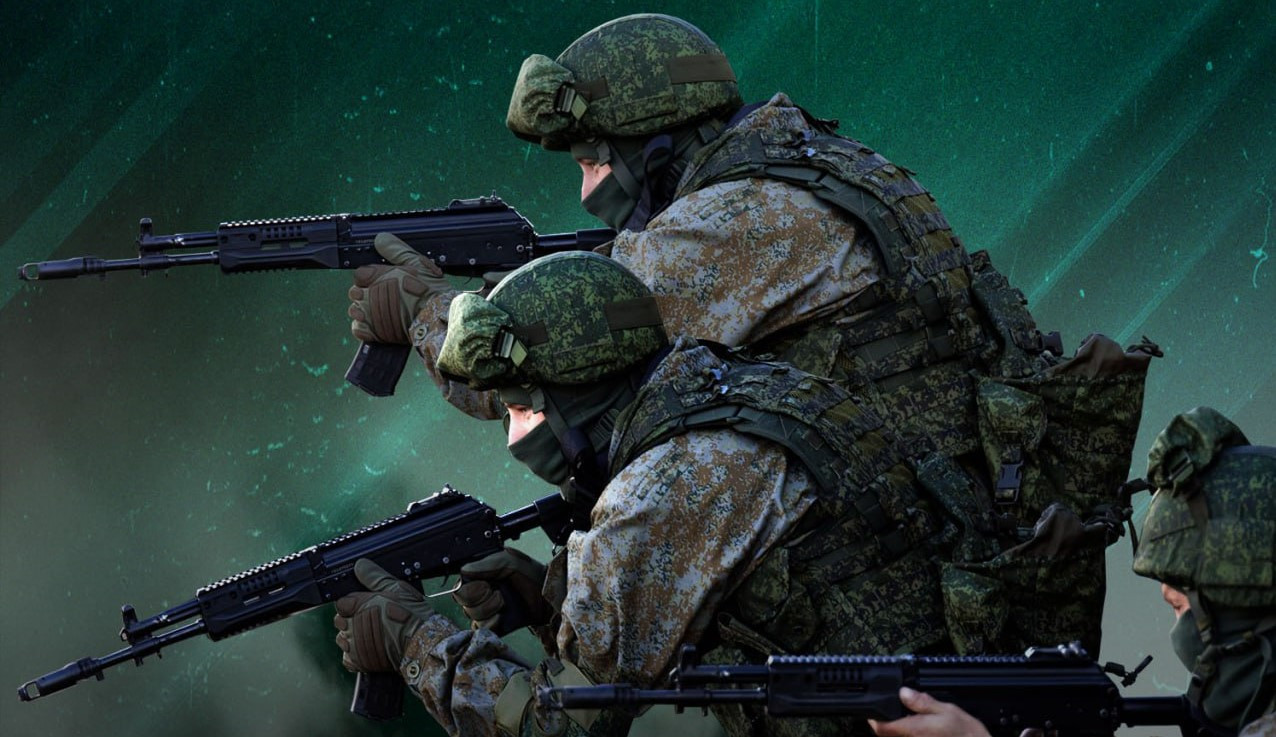
Front-line reporting remains insufficient to establish broad changes in control. The Russian Ministry of Defence reported that its Vostok (East) grouping captured Tersyanka and Zalivnoye in Zaporizhzhia Oblast, but the supplied material offers no independent confirmation. RUSI describes intense Russian attacks at the northern and southern ends of the Donbas fortress belt, aimed at setting conditions to seize Slovyansk and Kramatorsk in 2027, while assessing that those attacks are failing. Separately, reporting documents Russia's 20 November massed strike, Ukrainian strikes on Russian targets, and Putin's vow of retaliation after the Crimean Bridge attack. We assess that localized attacks and long-range strikes will continue, but exact territorial control and reported casualty totals remain uncertain.
Change from previous assessment
Since the 22 November brief, new reporting adds a Russian claim that the Vostok grouping captured Tersyanka and Zalivnoye, a reported Ukrainian strike on the Gazprom Neftekhim Salavat refinery, and conflicting accounts of the Crimean Bridge damage. Putin's stated vow of retaliation adds a near-term strike risk. The assessment that reporting does not establish a Russian breakthrough remains unchanged, and confidence in that judgment remains low because current front-line positions are not independently confirmed.
Key judgments
- Russian forces likely made a localized gain in Zaporizhzhia, but control of Tersyanka and Zalivnoye remains unverified. The Russian Ministry of Defence said its Vostok (East) grouping captured both settlements during the week ending 20 November. The supporting reports repeat Russian official claims rather than independently confirming control, so this judgment rests on thin, single-side reporting. (Confidence: low · ASSESSED)
- I&W: Confirm a Russian advance if geolocated imagery or video places Vostok troops inside both settlements and shows a sustained Russian presence. (0-14 days)
- I&W: Break the reported capture if geolocated Ukrainian footage or independent reporting shows Ukrainian forces holding or retaking either settlement. (0-14 days)
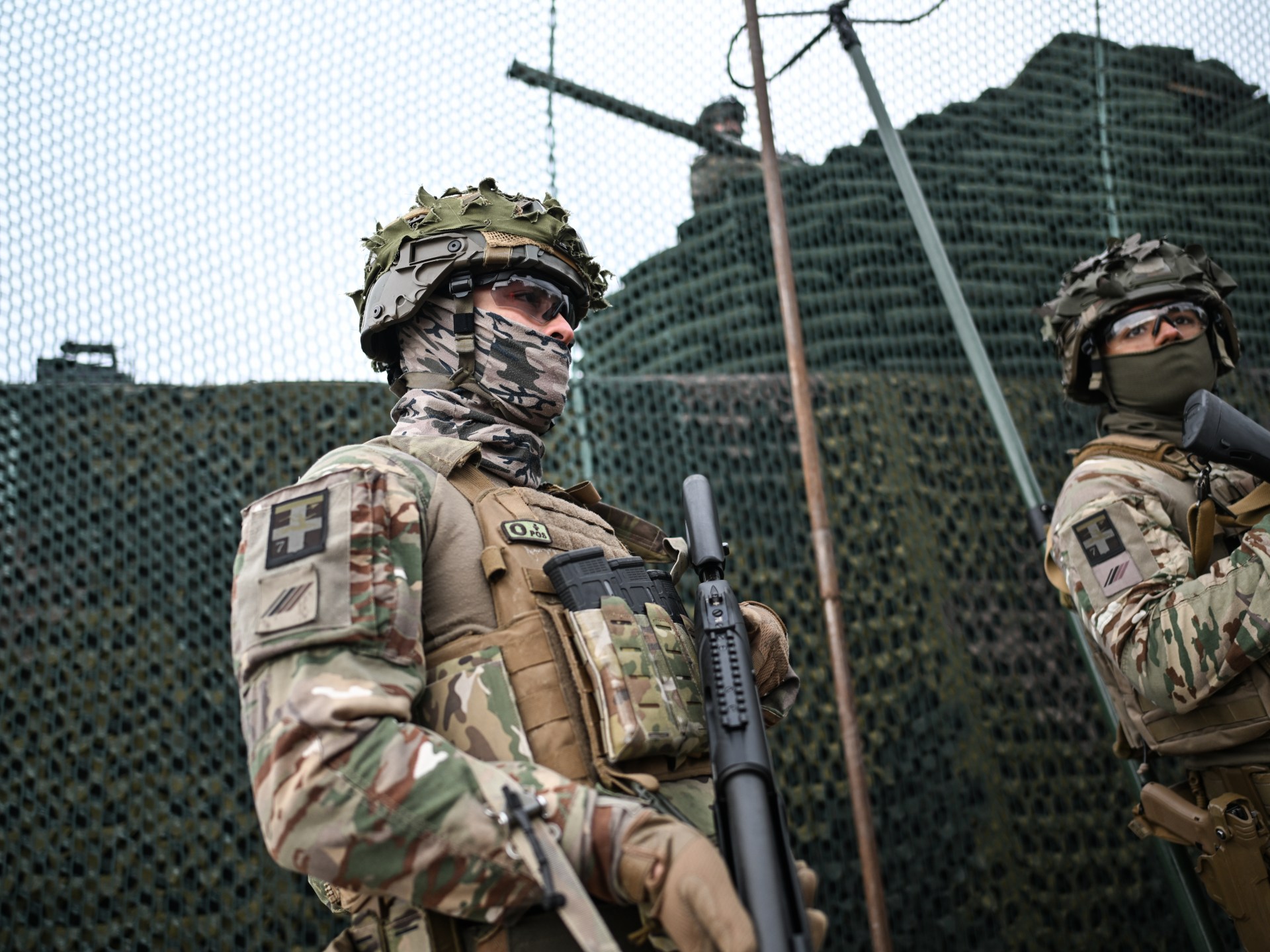
- A Russian breakthrough towards Slovyansk and Kramatorsk is unlikely in the next 1-3 months. RUSI assesses that Russian attacks at the northern and southern ends of the Donbas fortress belt are failing despite substantial manpower and fires. A Ukrainian General Staff claim of 131 Russian attack attempts in one day and a report of small Ukrainian counterattacks are consistent with sustained fighting, but do not establish the position of forces or a change in control. Confidence is low because the front-line reporting is broad and includes a social-media account of the Ukrainian claim. (Confidence: low · ASSESSED)
- I&W: Break this judgment if geolocated imagery confirms Russian forces have taken and held a named settlement on the approaches to Slovyansk or Kramatorsk. (1-3 months)
- I&W: Confirm continued failure to achieve a breakthrough if dated, geolocated reporting shows Ukrainian forces retaining the named approaches despite repeated Russian assaults. (1-3 months)
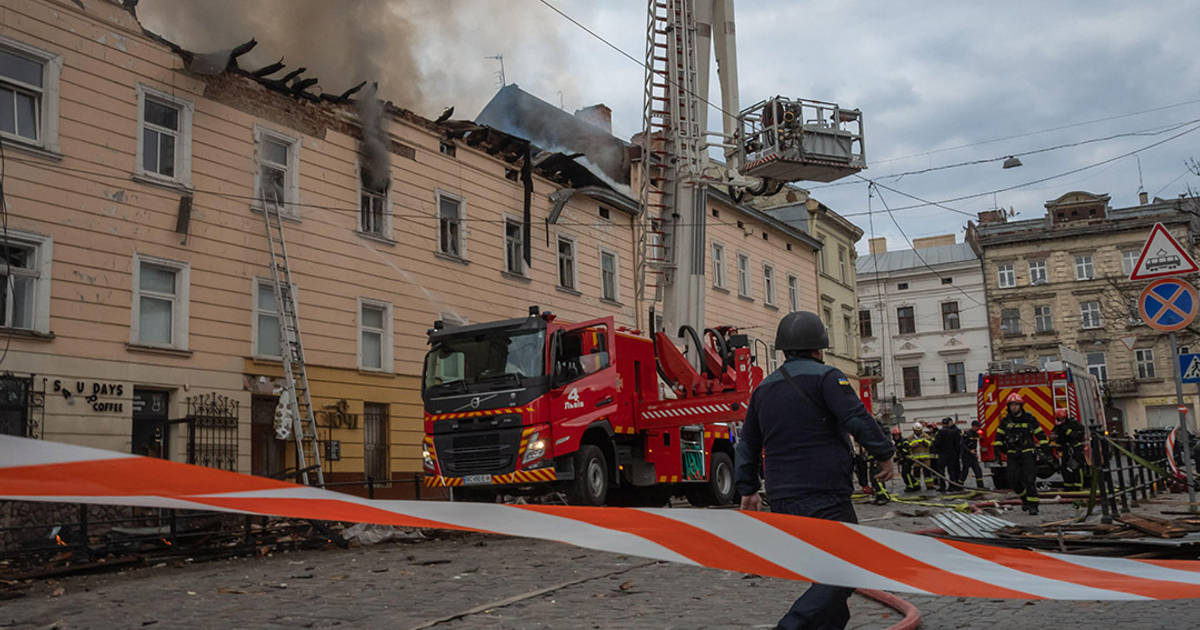
- Russia almost certainly launched a major missile and drone attack on Ukraine on 20 November, but the exact weapon totals and casualty toll remain unsettled. Volodymyr Zelenskyy reported more than 400 drones and at least 110 missiles, while Russian official reporting also described a massed strike. Reports give different death tolls for the 20 November attack, at least eight or at least nine, and for a separate 22 November strike in Dymer, six or 11. The attack is corroborated across reporting, but differing figures lower confidence in its precise scale and human impact. (Confidence: medium · REPORTED)
- I&W: Confirm continued massed strike activity if Ukrainian Air Force or regional authority reporting records another attack involving at least 100 missiles or 300 drones, or strikes on named energy, rail or bridge targets. (0-14 days)
- I&W: Weaken the assessment of sustained massed attacks if no further large-scale missile or drone attack is reported during the next 14 days. (0-14 days)
- Ukraine is likely to continue deep strikes against Russian infrastructure over the next 1-3 months. Reporting attributes a 17 November drone strike on the Gazprom Neftekhim Salavat refinery in Bashkortostan to Ukrainian forces and describes Ukrainian attacks on the Crimean Bridge. Reports differ on bridge damage: one described a temporary interruption to road traffic, while later accounts said the road section collapsed. The reported strike pattern supports this assessment, but the damage to the bridge and the extent of the wider campaign are not fully resolved. (Confidence: medium · ASSESSED)
- I&W: Confirm continuation if geolocated imagery or official reporting documents a new Ukrainian strike on a named Russian refinery, oil export facility, bridge or military logistics site. (1-3 months)
- I&W: Weaken the assessment if no further Ukrainian deep strike on named Russian infrastructure is independently reported during the next three months. (1-3 months)
Outlook & scenarios
Continued attritional fighting (60%)
Russian forces continue high-intensity attacks in Donbas and make, at most, localized advances. Ukraine continues small counterattacks. Both sides sustain long-range strikes, without a confirmed operational breakthrough.
Localized Russian gains expand (25%)
The reported gains at Tersyanka and Zalivnoye are confirmed and Russian forces take additional nearby positions. This remains a local advance unless reporting establishes sustained movement towards a larger operational objective.
Cross-border incident escalates (8%)
A missile or drone again impacts Polish territory during a strike on Ukraine. A repeat incident is unlikely but high impact, particularly if Polish or NATO officials assess it as deliberate rather than accidental.
Recommendations
- Check dated, geolocated imagery and video from Tersyanka and Zalivnoye before changing the control map. Record separately which force is present and whether that presence is sustained.
- Track Russian and Ukrainian claims about attacks around the Slovyansk and Kramatorsk approaches, but use verified changes in settlement control rather than daily attack counts as the main indicator of a breakthrough.
- Maintain a separate event log for the 20 November massed attack and the 22 November Dymer strike. Reconcile casualty figures by date, location and reporting authority rather than combining totals.
- Verify Crimean Bridge damage against imagery and traffic reporting. Distinguish temporary closure from structural collapse when assessing the effects of the Ukrainian strike.
- Monitor Ukrainian and Russian official reporting alongside independent imagery for new attacks on named energy, transport and logistics sites, including any further cross-border impacts.
Confidence & uncertainty
Overall confidence is high for the broad picture that front-line fighting and large-scale strikes continued during the reporting period. The assessment draws on official statements from both sides, major-media reporting and RUSI analysis. Confidence is lower for exact territorial control, the extent of Crimean Bridge damage and casualty totals, where reporting is single-side, inconsistent or not independently verified.
Alternative analysis (red cell)
The available evidence establishes contested Russian claims of local territorial changes and sustained long-range strikes, but it does not support confident forecasts about battlefield breakthroughs or the persistence of a wider Ukrainian campaign. Current fighting reports may be consistent with either Russian operational failure or preparation for a later breakthrough, while the bridge and casualty discrepancies show that event characterization remains unstable. The strongest defensible reading is therefore that several developments are reported but their operational significance and near-term trajectory remain unresolved.
Intelligence gaps
- [EEI 1.1 · PARTIAL] Geotagged UAV/satellite imagery showing abandoned defensive positions or newly occupied settlements. Recommended collection: overhead imagery
- [EEI 1.2 · UNCOVERED] Confirmed movement of frontline ambulance evacuation routes beyond previous coordinates. Recommended collection: SIGINT/medical logistics
- [EEI 2.1 · UNCOVERED] Concentration of assault battalions (≥3 mechanized companies) within 15km of contact line. Recommended collection: SIGINT/UAV
- [EEI 2.2 · UNCOVERED] Unusual artillery stockpile buildup at forward depots exceeding 30-day consumption rates. Recommended collection: overhead imagery/logistics
- [EEI 3.1 · UNCOVERED] Bridge structural damage assessments at 5 key Dnieper River crossings via multispectral imaging. Recommended collection: overhead imagery
- [EEI 3.2 · UNCOVERED] Rail traffic volume changes at Kryvyi Rih and Pokrovsk rail hubs compared to 7-day baseline. Recommended collection: commercial freight data
Red cell review: PARTIAL DISSENT
TLP:CLEAR