TLP:CLEAR · Disclosure is not limited.
Russia-Ukraine Front Line: Localised Advances and Escalating Long-Range Strikes
Time window: Last 7 days · Audience: General analyst · Type: Situation report · DTG: 2026-09-21 07:08Z · Overall confidence: HIGH
BLUF
Russia and Ukraine are likely to sustain intense combat and long-range strikes over the next two weeks. Ukraine's 3rd Army Corps has very likely expanded its local gains around Lyman, but Russian pressure near Zaporizhzhia, Orikhiv, Dobropillia and the Kramatorsk-Sloviansk approaches remains active. A substantive energy ceasefire is very unlikely through 21 October.
Executive summary
The reporting period produced no confirmed broad operational breakthrough, but fighting remains intense across Donetsk and Zaporizhzhia. Ukraine's 3rd Army Corps publicised a second phase of Operation Vivaldi around Lyman, while Russian Defence Ministry reporting described advances towards Zaporizhzhia and fighting in Orikhiv, Dobropillia and near the Kramatorsk-Sloviansk agglomeration. Russia maintained heavy aerial attacks against Ukrainian cities, infrastructure and logistics, and Ukraine conducted its largest reported drone and missile strike package against Moscow Oblast. The status of a proposed mutual pause on energy strikes remains unresolved, while Russian and Ukrainian statements continue to diverge.
Change from previous assessment
Since the prior brief on 20 September, the assessment has added Ukraine's publicly described second phase of Operation Vivaldi and the named settlements involved. Confidence in a local Ukrainian success around Lyman remains medium, while the assessment now gives greater weight to the uncertainty created by competing Russian claims of advances near Zaporizhzhia, Orikhiv, Dobropillia and the Kramatorsk-Sloviansk approaches. The long-range strike judgment is unchanged in direction but now includes the reported 19 to 20 September attack on Moscow Oblast and Russia's stated intention to intensify strikes on Kyiv. The energy-ceasefire assessment remains very unlikely, with the status still unresolved.
Key judgments
- Russia is likely to sustain localised offensive pressure in Zaporizhzhia and Donetsk over the next 0-14 days, but a decisive operational breakthrough is unlikely. The Russian Defence Ministry reported advances by the Vostok and Dnepr groupings towards Zaporizhzhia, fighting in central Orikhiv, street fighting in Dobropillia, and intense combat near Kramatorsk, Sloviansk and Druzhkivka. ISW assessed on 20 September that neither Russian nor Ukrainian forces had made a confirmed advance. The assessment rests on contradictory official and independent reporting, and the Russian claims are not independently corroborated in the provided record. (Confidence: medium · ASSESSED)
- I&W: CONFIRM: Independent geolocated reporting verifies Russian control of additional named settlements near Zaporizhzhia or sustained street fighting in central Orikhiv or Dobropillia. (0-14 days)
- I&W: BREAK: ISW or other independent reporting confirms no positional change in the Zaporizhzhia and Kramatorsk-Sloviansk sectors for 14 consecutive days. (0-14 days)
- Ukraine's 3rd Army Corps has very likely achieved a local operational success around Lyman, including disruption of Russian logistics, but the scale of territorial recovery and its wider operational effect remain uncertain. Andrii Biletskyi reported 85 square kilometres cleared or liberated, including Serednie, Novoselivka, Yarova, Oleksandrivka and the outskirts of Korovii Yar; the corps later publicised a second phase involving Shandryholove, Derylove and Drobysheve. Other reporting gave materially different totals, including 32 square miles for the first phase and more than 77 square miles for the entire salient. The reported shutdown of a fuel pipeline to occupied Luhansk Oblast and relocation of support elements from Russia's 144th Motorized Rifle Division indicate logistical effects, but these elements rely partly on Ukrainian or single-source reporting. (Confidence: medium · ASSESSED)
- I&W: CONFIRM: Geolocated imagery or independent battlefield reporting verifies Ukrainian control of Shandryholove, Derylove and Drobysheve and continued Ukrainian access north-west of Lyman. (0-14 days)
- I&W: BREAK: The fuel pipeline to occupied Luhansk resumes service, or Russian support elements of the 144th Motorized Rifle Division return to their previous forward locations. (1-3 months)
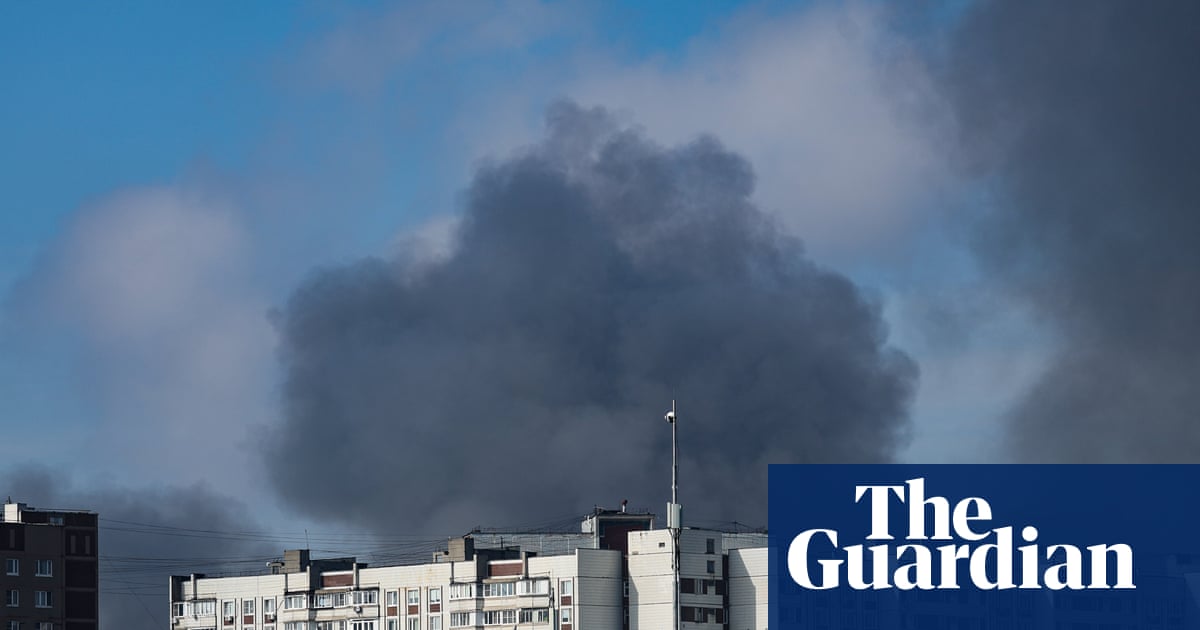
- Russia is very likely to sustain high-volume missile and drone attacks against Ukrainian cities, energy infrastructure and logistics over the next 0-14 days. Ukraine's Air Force reported 174 drones and two Zircon missiles on 19 September, with 141 targets intercepted or jammed. Volodymyr Zelenskyy reported approximately 2,100 Russian drones and 78 missiles launched during the week. Russian attacks were reported in Kharkiv, Kherson, Dnipropetrovsk, Kyiv and Sumy regions, including damage to warehouses, a clinic, a shopping centre, homes, ports and logistics facilities. Russia's Defence Ministry also stated that it would intensify strikes on Kyiv. (Confidence: high · REPORTED)
- I&W: CONFIRM: Ukraine's Air Force reports another Russian barrage involving at least 100 incoming drones or 50 missiles, with impacts or falling debris in multiple Ukrainian regions. (0-14 days)
- I&W: BREAK: Russia conducts no barrage exceeding 50 total drones and missiles and reports no further strikes against Kyiv, Ukrainian energy infrastructure or logistics sites during the next 14 days. (0-14 days)
- Ukraine is likely to continue long-range strikes against Russian military logistics, airfields, refineries and energy facilities over the next 0-30 days. Ukrainian forces struck Rostov air base on 17 September, reportedly destroying one Antonov-12, two Antonov-26 aircraft and three helicopters. Ukraine also conducted its largest reported combined missile and drone strike package against Moscow Oblast on the night of 19 to 20 September. Sergei Sobyanin reported about 1,600 drones, including 450 aimed at Moscow, while Ukrainian officials reported damage to the Moscow oil refinery. Ukraine has also reportedly struck 26 Russian refineries in 2026, including eight during the previous week. Exact drone totals, damage and attribution remain partly contested, so confidence is medium. (Confidence: medium · ASSESSED)
- I&W: CONFIRM: Ukraine claims, and independent imagery verifies, another strike on a Russian refinery, airfield, energy facility or logistics site beyond the immediate front line. (0-30 days)
- I&W: BREAK: No Ukrainian long-range strike is reported or independently geolocated against a Russian military, energy or logistics target for 30 days. (0-30 days)
- A substantive mutual ceasefire covering energy infrastructure is very unlikely through 21 October. Donald Trump stated that Russia and Ukraine had agreed not to strike each other's energy infrastructure, but Volodymyr Zelenskyy described the measure as a Ukrainian proposal conditional on Russian reciprocity. Dmitry Peskov linked Russia's position to sanctions relief, while Sergei Lavrov reiterated Russia's maximalist war aims. Continuing Russian strikes on Ukrainian infrastructure and Ukrainian strikes on Russian energy facilities provide no evidence of an operational reciprocal pause. (Confidence: medium · ASSESSED)
- I&W: CONFIRM: Russia and Ukraine issue matching public commitments and record no strikes against each other's energy facilities for seven consecutive days. (0-30 days)
- I&W: BREAK: A Russian or Ukrainian strike damages a named energy facility, or Dmitry Peskov renews the demand for sanctions relief as a condition for a pause. (0-30 days)
- A deliberate Russian attack on NATO territory remains unlikely over the next 0-30 days, but Russian strike activity is likely to continue generating airspace and security incidents near NATO's eastern flank. Donald Tusk reported intelligence indicating possible Russian drone or missile strikes against states such as Poland, while Baltic assessments stated that Russia lacks the manpower and equipment for a successful Baltic incursion during the war in Ukraine. Poland has already conducted preventive air operations, scrambled fighter aircraft and placed air-defence systems on high readiness during Russian strikes on Ukraine. The competing assessments and reliance on reported intelligence lower confidence. (Confidence: low · ASSESSED)
- I&W: CONFIRM: A Russian drone or missile crosses into Polish airspace, strikes within NATO territory, or causes a further preventive deployment by Polish Armed Forces during a Russian barrage. (0-30 days)
- I&W: BREAK: Thirty days pass without a cross-border incident or additional Polish air-defence activation during Russian attacks on Ukraine. (0-30 days)
Outlook & scenarios
Attritional escalation continues (55%)
Russia and Ukraine sustain high-volume strikes, localised ground attacks and counterstrikes through October. Russia continues pressure near Zaporizhzhia and Donetsk, while Ukraine maintains attacks on Russian logistics, refineries and airfields. No substantive energy ceasefire takes effect.
Ukraine consolidates the Lyman gains (35%)
Ukraine's 3rd Army Corps consolidates control over the settlements named in the second phase of Operation Vivaldi and preserves the disruption to Russian fuel logistics. Russian forces retain pressure elsewhere, but the Lyman operation delays the offensive towards Slovyansk without producing a wider Ukrainian breakthrough.
Russian tactical gains become independently confirmed (25%)
Independent reporting confirms Russian gains near Orikhiv, Dobropillia or the Kramatorsk-Sloviansk approaches. Russia increases pressure in these sectors while Ukraine continues long-range strikes against Russian infrastructure. The front line shifts locally without a decisive operational collapse.
Wildcard: NATO spillover (10%)
A Russian drone or missile crosses into Polish or other NATO airspace during a large attack on Ukraine, prompting additional allied air-defence activity and a sharp diplomatic response. The event remains geographically limited but imposes immediate escalation-management demands.
Recommendations
- Prioritise daily independent geolocation of the Lyman sector, focusing on Shandryholove, Derylove, Drobysheve, Serednie and the approaches to Korovii Yar. Record control claims separately from confirmed positional changes.
- Track the operational status of the fuel pipeline supplying occupied Luhansk Oblast and any reported movement of support elements from Russia's 144th Motorized Rifle Division. Treat both as indicators of the durability of Operation Vivaldi's logistical effects.
- Maintain a 14-day strike watch covering Kyiv, Kharkiv, Kherson, Dnipropetrovsk, Sumy, Odesa and Ukrainian energy infrastructure. Compare Ukraine's Air Force counts with independent imagery and avoid treating thermal detections as evidence of cause.
- Separate Russian Defence Ministry claims of advances near Zaporizhzhia, Orikhiv, Dobropillia and the Kramatorsk-Sloviansk approaches from independent confirmation. Do not combine Russian settlement totals with named-settlement reporting until the discrepancy is resolved.
- Monitor Russian and Ukrainian public statements for matching language on energy targets, followed by at least seven consecutive days without strikes on named energy facilities. Until both conditions occur, treat the proposed pause as non-operational.
- Place Polish air-defence activity, airspace incidents and Russian strike trajectories near the Polish border on the daily warning indicators list. Escalate reporting if a Russian drone or missile crosses NATO airspace or causes damage inside NATO territory.
Confidence & uncertainty
Overall confidence is high for the direction of the main developments because the reporting combines multiple high-reliability sources, including ISW assessments, Ukrainian and Russian official statements, major media reporting, multilateral reporting and satellite-based analysis. The strike campaign, humanitarian effects and existence of Operation Vivaldi are supported across more than one source type. The main uncertainties concern the competing territorial totals around Lyman, Russian Defence Ministry claims of gains elsewhere, disputed casualty counts, the exact damage from strikes inside Russia and whether any energy ceasefire was actually concluded.
Intelligence gaps
- [EEI 1.1 · PARTIAL] Geotagged UAV/satellite imagery showing abandoned defensive positions or newly occupied settlements. Recommended collection: overhead imagery
- [EEI 1.2 · UNCOVERED] Confirmed movement of frontline ambulance evacuation routes beyond previous coordinates. Recommended collection: SIGINT/medical logistics
- [EEI 2.1 · PARTIAL] Concentration of assault battalions (≥3 mechanized companies) within 15km of contact line. Recommended collection: SIGINT/UAV
- [EEI 2.2 · UNCOVERED] Unusual artillery stockpile buildup at forward depots exceeding 30-day consumption rates. Recommended collection: overhead imagery/logistics
- [EEI 3.1 · UNCOVERED] Bridge structural damage assessments at 5 key Dnieper River crossings via multispectral imaging. Recommended collection: overhead imagery
- [EEI 3.2 · UNCOVERED] Rail traffic volume changes at Kryvyi Rih and Pokrovsk rail hubs compared to 7-day baseline. Recommended collection: commercial freight data
Cited sources
[1] Interfax · Минобороны сообщило о переходе под контроль РФ 27 населенных пунктов в зоне СВО (B) · Sat Sep 19 2026 07:07:00 GMT+0000 (Coordinated Universal Time) · sha256:325c15275ca8 [2] RT (Russia Today) · Наступление ВС РФ, удары по инфраструктуре ВСУ и успехи за год: как развивается ситуация в зоне СВО (B) · Sun Sep 20 2026 15:22:30 GMT+0000 (Coordinated Universal Time) · sha256:20f9c822e551 [3] Institute for the Study of War (ISW), republished by Kyiv Post · ISW Russian Offensive Campaign Assessment, September 20, 2026 (B) · Mon Sep 21 2026 05:12:46 GMT+0000 (Coordinated Universal Time) · sha256:9b7c7d7e0fe5 [4] Newsweek · Map shows scale of Ukraine's new battlefield gains in major counteroffensive (B) · Wed Sep 16 2026 13:40:23 GMT+0000 (Coordinated Universal Time) · sha256:5a03dfe6fa65 [5] Institute for the Study of War (ISW) · Russian Offensive Campaign Assessment, September 15, 2026 (B) · Wed Sep 16 2026 02:57:06 GMT+0000 (Coordinated Universal Time) · sha256:d853b840784e [6] Al Jazeera · Russia’s drones threaten Kyiv-bound Western officials as war effort stalls (A) · Fri Sep 18 2026 18:19:47 GMT+0000 (Coordinated Universal Time) · sha256:b8d1086662fd [7] Al Jazeera · Russia kills eight people in Ukraine, attacks two vessels in Black Sea (A) · Sat Sep 19 2026 10:51:21 GMT+0000 (Coordinated Universal Time) · sha256:21fea73c3cf8 [8] The Guardian · Ukraine war briefing: Russia to ‘intensify’ attacks on Kyiv after Moscow hit with mass drone strikes (A) · Mon Sep 21 2026 01:11:54 GMT+0000 (Coordinated Universal Time) · sha256:63094910e7cd [9] BBC · Largest attack on Moscow sees Ukraine fire hundreds of drones, mayor says (A) · Sun Sep 20 2026 05:04:54 GMT+0000 (Coordinated Universal Time) · sha256:d46f3050949c [10] Institute for the Study of War (ISW) · Russian Offensive Campaign Assessment, September 14, 2026 (B) · Mon Sep 14 2026 22:56:27 GMT+0000 (Coordinated Universal Time) · sha256:da7c0ea8321a [11] Institute for the Study of War (ISW) · Russian Offensive Campaign Assessment, September 18, 2026 (B) · Sat Sep 19 2026 03:03:41 GMT+0000 (Coordinated Universal Time) · sha256:3b06717cf69a [12] Atlantic Council · Putin is escalating against NATO but a Baltic incursion remains unlikely (C) · Thu Sep 17 2026 20:19:19 GMT+0000 (Coordinated Universal Time) · sha256:9b1f239fec93
Source content hashes were computed at collection time; the cited text is preserved unmodified for the life of this product.
TLP:CLEAR