TLP:CLEAR · Disclosure is not limited.
Russia-Ukraine Front Line: Localised Fighting and Long-Range Strikes
Time window: Last 7 days · Audience: General analyst · Type: Situation report · DTG: 2026-11-03 07:15Z · Overall confidence: HIGH
BLUF
The reporting points to continued localised fighting and long-range strikes, not a verified major shift in front-line control. The latest assessments of ground conditions are limited, while casualty totals and the damage from the overnight attack on Yaroslavl remain contested.
Executive summary
A 28 October assessment described the front lines as largely stable, but current reporting does not establish control across the line as of 3 November. Ukraine's Operation Veles near Kupiansk is a reported local effort to contest Russian use of a gas pipeline. Fighting resumed in Kherson after the Oleshky ceasefire, and Ukrainian reporting attributes at least 26 deaths to a 2 November bombing at Komyshuvakha, with the final toll unresolved. Russian officials reported a large overnight Ukrainian UAV attack, while accounts of damage at the Yaroslavl refinery conflict. The UK and France have announced Exercise Koalicja in Poland from 9 to 22 November; the planned MNF-U deployment remains conditional on fighting ending and Kyiv's request.
Change from previous assessment
The prior brief's assessment of localised pressure and the low near-term prospect of a wider ceasefire is unchanged. New reporting adds Operation Veles near Kupiansk, the Marinovka airfield strike, the overnight UAV attack on Russia and further detail on the Yaroslavl refinery incident. Official UK reporting now specifies 11 participating nations for Exercise Koalicja, raising confidence in the planned force composition. No new independently corroborated front-line control change is established in this reporting set.
Key judgments
- The front line is likely to remain broadly stable over the next 14 days, but confidence in that forecast is low. The latest broad assessment in this reporting set, by the Hudson Institute on 28 October, described the lines as largely stable. Reporting since then identifies activity near Kupiansk but does not establish a wider change in control. (Confidence: low · ASSESSED)
- I&W: Confirm: independent geolocated reporting through 17 November shows no verified change in control around Kupiansk or elsewhere in the reported sectors. (0-14 days)
- I&W: Break: geolocated reporting establishes a sustained change in control or a verified major advance in a named sector. (0-14 days)
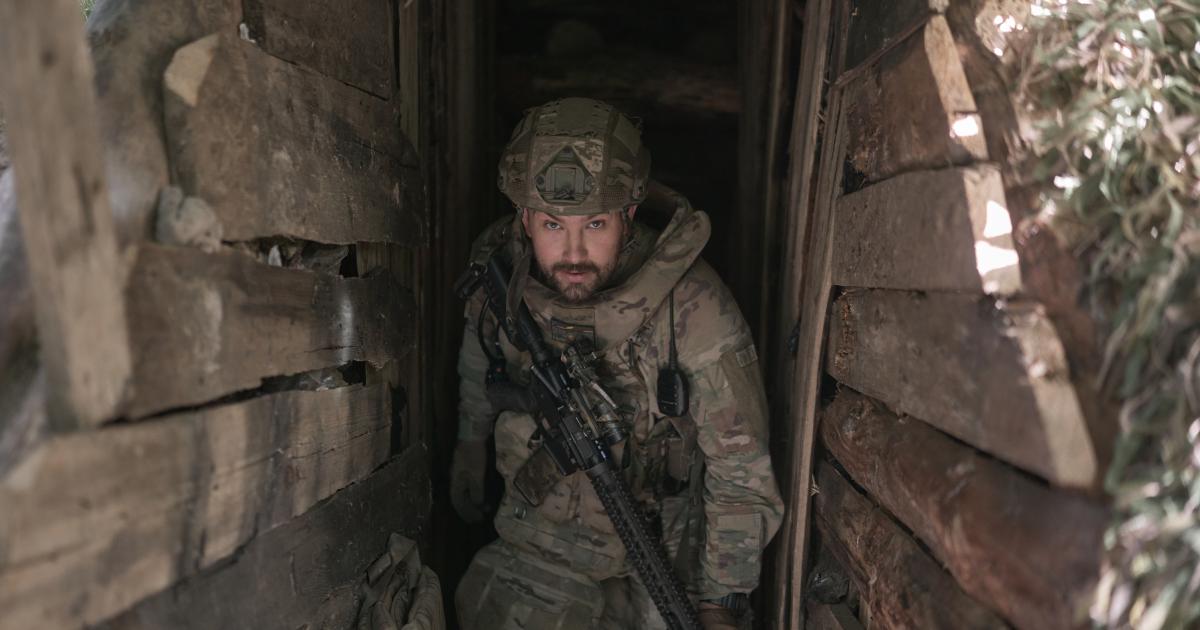
- Ukraine's 2nd Khartiia Corps and 425th Separate Assault Regiment are likely conducting Operation Veles to contest Russian use of the Shebelynka-Ostrohozk gas pipeline near Kupiansk. A think-tank account reports an advance of more than nine miles through underground infrastructure, but that distance and the claimed Russian losses are not independently verified. (Confidence: medium · ASSESSED)
- I&W: Confirm: subsequent Ukrainian or independent reporting identifies the 2nd Khartiia Corps or 425th Separate Assault Regiment operating along the pipeline route near Kupiansk. (0-14 days)
- I&W: Break: reliable geolocated reporting shows Russian forces continue to use the pipeline route without interruption, or identifies a withdrawal of the Ukrainian units named in reporting on Operation Veles. (0-14 days)
- A wider ceasefire is unlikely in the next 30 days. Fighting resumed in Kherson on 2 November after the six-day Oleshky pause, and the Kremlin described that arrangement as an isolated case. Ukraine's General Staff accused Russian forces of using the pause to rotate units, deliver ammunition and strengthen positions; Dmitry Peskov said Ukraine also used the period to regroup, so the conduct of both sides during the pause remains disputed. (Confidence: medium · ASSESSED)
- I&W: Confirm: Russian strikes on Kherson continue and the Kremlin maintains that the Oleshky arrangement will not be extended or repeated. (0-30 days)
- I&W: Break: Russia and Ukraine announce a jointly observed ceasefire beyond Oleshky, with a stated start date and monitoring arrangements. (0-30 days)
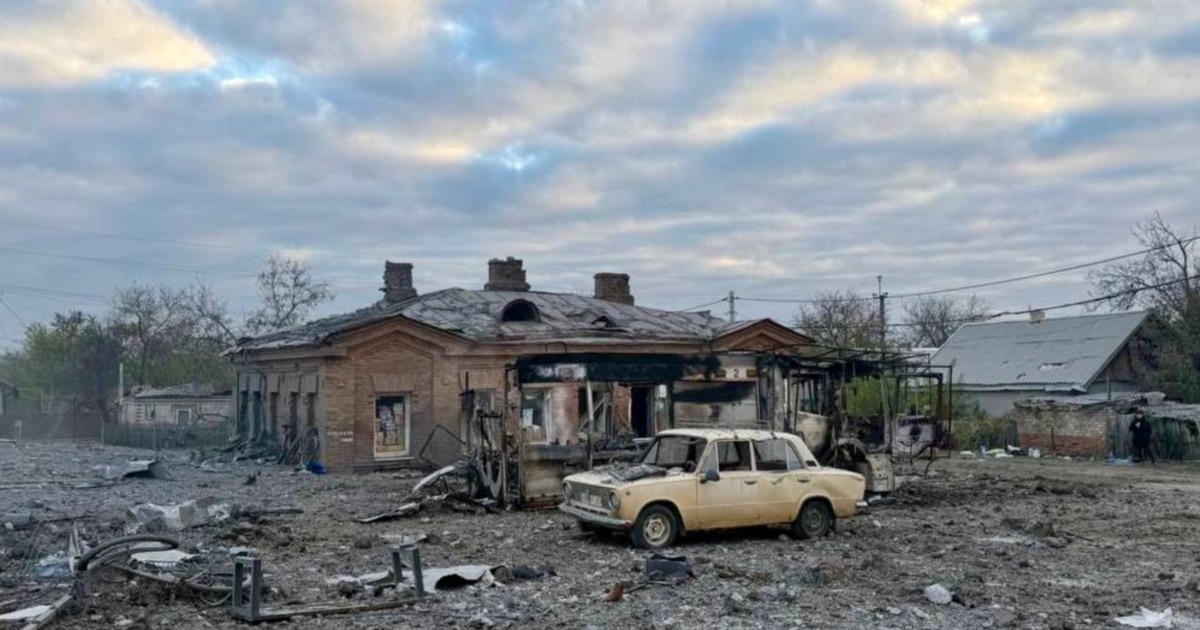
- The 2 November bombing at Komyshuvakha very likely caused mass civilian casualties, but the death toll remains unsettled. Ukrainian reporting gives figures of 26 and at least 29 dead. Volodymyr Zelenskyy said the target was a school distributing humanitarian aid; the State Emergency Service reported that four police officers and two rescue workers were among the dead. (Confidence: medium · REPORTED)
- I&W: Confirm: an updated State Emergency Service or regional-authority count maintains at least 26 deaths and identifies further casualties at the Komyshuvakha site. (0-14 days)
- I&W: Break: an updated official count falls below 26, or reliable evidence shows the site was not being used for aid distribution. (0-14 days)
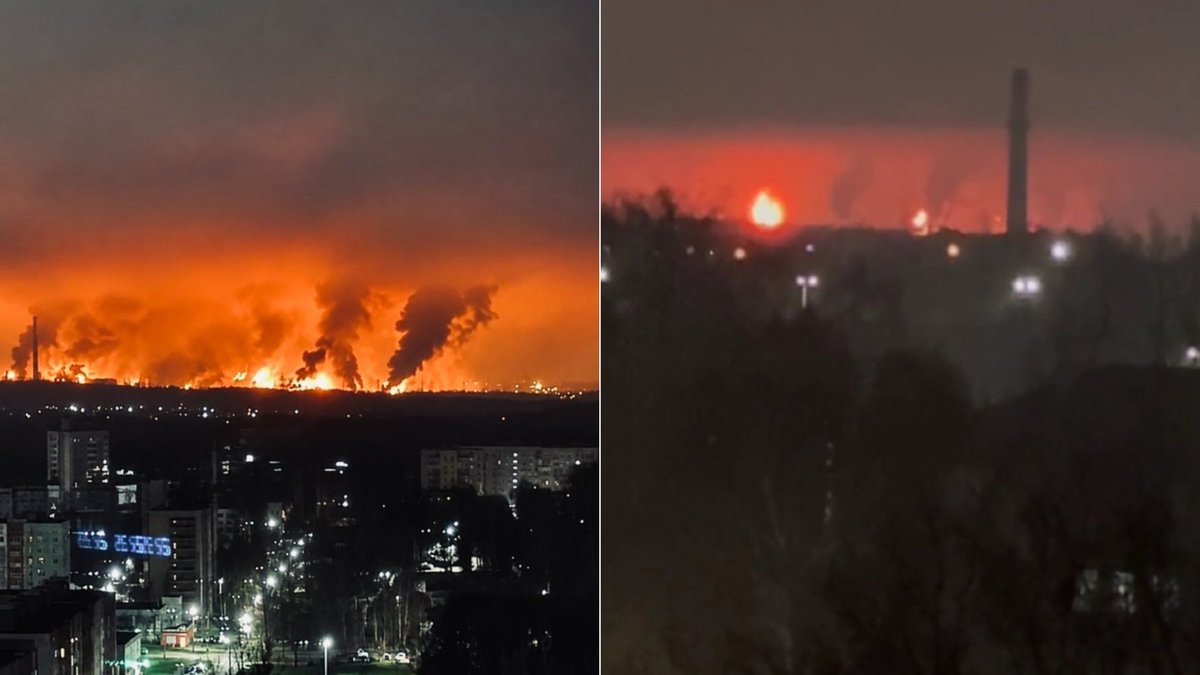
- A large Ukrainian UAV attack across Russia on the night of 2 to 3 November likely occurred, but the scale and effects remain unverified. The Russian Defence Ministry claimed 856 UAVs were shot down, while Moscow authorities reported 493 heading towards the capital and Mayor Sergey Sobyanin said 184 were downed near Moscow. Reports of a fire and two injured workers at the Slavneft-YANOS refinery in Yaroslavl conflict with Governor Mikhail Yevrayev's account that the attack was repelled. (Confidence: medium · ASSESSED)
- I&W: Confirm: independently geolocated imagery or separate local reporting establishes UAV impacts in Moscow, Kaluga or Tula regions and confirms fire or damage at Slavneft-YANOS. (0-14 days)
- I&W: Break: credible follow-up reporting establishes that the claimed regional totals were materially misstated and that the refinery fire and worker injuries did not occur. (0-14 days)
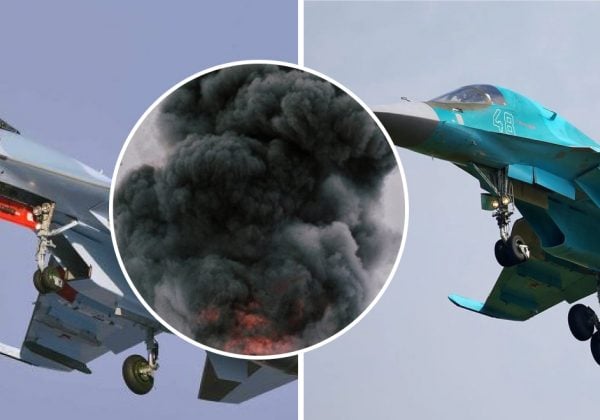
- Ukraine likely struck two usual Su-34 parking locations at Marinovka airfield in Volgograd Oblast on 29 October with Neptune missiles. Sentinel imagery cited by the Ukrainian OSINT project KiberBoroshno shows impact consequences at two locations where Su-34 aircraft were regularly parked, but the reporting does not independently establish how many aircraft were destroyed. (Confidence: medium · ASSESSED)
- I&W: Confirm: later satellite imagery or separate reporting identifies destroyed or damaged Su-34 aircraft at the two Marinovka parking locations. (0-30 days)
- I&W: Break: subsequent imagery shows the aircraft at those locations intact and no lasting damage at either impact site. (0-30 days)
- Russian ballistic missiles likely damaged Kyiv's Southern Bridge on the night of 27 October and caused a transport disruption, but the extent of damage and military-logistics impact are unresolved. Reports describe a roughly four-metre hole and separate roadway damage of about one metre; Kyiv authorities closed the bridge to traffic and added suburban trains. Claims about broader disruption to military supply routes remain expert assessments. (Confidence: medium · ASSESSED)
- I&W: Confirm: Kyiv authorities continue to report closure, restricted use or heavy-vehicle limits on the Southern Bridge. (0-14 days)
- I&W: Break: Kyiv authorities report that the bridge has reopened to unrestricted road traffic and that metro infrastructure near the bridge is operating normally. (0-14 days)
- Exercise Koalicja is very likely to proceed in Poland from 9 to 22 November, with about 2,800 personnel from 11 nations. The UK and France are leading the exercise; RAF Typhoons and a Voyager are scheduled to fly sorties, and Turkish forces are to test maritime mine-clearance arrangements in Istanbul. This is preparation for a postwar role, not evidence of imminent MNF-U deployment: the force is to enter Ukraine only after fighting ceases and at Kyiv's request. (Confidence: high · ASSESSED)
- I&W: Confirm: the UK and France report that Exercise Koalicja begins in Poland on 9 November with the planned multinational participation. (0-14 days)
- I&W: Break: the exercise is cancelled or postponed, or fighting ceases and Kyiv formally requests MNF-U deployment into Ukraine. (0-3 months)
Outlook & scenarios
Continued localised fighting and long-range strikes (65%)
This is the most likely course. Fighting continues in Kherson and other sectors without a broad ceasefire. Ukraine continues UAV attacks on Russian targets, while Russian strikes continue against Ukrainian locations and infrastructure. Front-line changes remain local rather than clearly established across the theatre.
Talks and limited humanitarian arrangements, without a general ceasefire (30%)
A narrow humanitarian pause or renewed local arrangement receives attention alongside the announced Abu Dhabi talks. A wider ceasefire remains unlikely while the Kremlin treats Oleshky as an isolated case and fighting continues in Kherson.
Black Sea incident drives a wider security crisis (5%)
A very unlikely but high-impact scenario is a further drone incident near Romanian or Bulgarian waters that prompts additional NATO air-defence measures and worsens shipping risk. Romania has reported an F-16 shootdown of two Russian drones over its territorial waters, and Bulgaria has requested NATO combat aircraft and anti-drone systems.
Recommendations
- Maintain a dated front-line assessment that separates verified control changes from Ukrainian and Russian claims. Prioritise geolocated reporting around Kupiansk and the Shebelynka-Ostrohozk pipeline route.
- Seek follow-up imagery and independent reporting on Operation Veles, especially the reported advance through underground infrastructure and the status of the 2nd Khartiia Corps and 425th Separate Assault Regiment.
- Track updated casualty counts and site information for Komyshuvakha. Keep the reported death toll range and the claim that the school was distributing aid clearly distinguished until verified.
- Assess the Yaroslavl refinery incident against imagery, fire reports, worker injury updates and any reported interruption to operations. Keep the governor's account separate from reports of fire and infrastructure damage.
- Monitor Black Sea drone incidents, Romanian and Bulgarian air-defence measures, and any changes to commercial shipping risk.
- Track Exercise Koalicja from 9 to 22 November, including its participating forces and activities. Do not treat the exercise as a decision to deploy MNF-U into Ukraine while fighting continues.
Confidence & uncertainty
Overall confidence is high for the occurrence of the main reported developments. Official UK information and major-media reporting corroborate the plans for Exercise Koalicja; BBC and RFE/RL reporting describe the Komyshuvakha strike and casualties; and reports on Yaroslavl include accounts of a refinery fire and worker injuries alongside the governor's conflicting description of the attack as repelled. Confidence is lower on front-line control, exact casualty totals, Russian UAV interception figures and the extent of damage at Yaroslavl and the Southern Bridge.
Alternative analysis (red cell)
A local ceasefire that lasted six days and was followed by renewed fighting does not necessarily demonstrate that a wider ceasefire is unlikely over the next 30 days. The Kremlin's description of Oleshky as isolated (7d18b263-e343-48d8-954b-0311b065502a) cuts against expansion, but the available evidence does not address broader diplomatic channels or proposals. A more defensible reading is that the prospects for a wider ceasefire remain indeterminate rather than clearly unlikely.
Intelligence gaps
- [EEI 1.1 · UNCOVERED] Geotagged UAV/satellite imagery showing abandoned defensive positions or newly occupied settlements. Recommended collection: overhead imagery
- [EEI 1.2 · UNCOVERED] Confirmed movement of frontline ambulance evacuation routes beyond previous coordinates. Recommended collection: SIGINT/medical logistics
- [EEI 2.1 · PARTIAL] Concentration of assault battalions (≥3 mechanized companies) within 15km of contact line. Recommended collection: SIGINT/UAV
- [EEI 2.2 · UNCOVERED] Unusual artillery stockpile buildup at forward depots exceeding 30-day consumption rates. Recommended collection: overhead imagery/logistics
- [EEI 3.1 · PARTIAL] Bridge structural damage assessments at 5 key Dnieper River crossings via multispectral imaging. Recommended collection: overhead imagery
- [EEI 3.2 · UNCOVERED] Rail traffic volume changes at Kryvyi Rih and Pokrovsk rail hubs compared to 7-day baseline. Recommended collection: commercial freight data
Red cell review: PARTIAL DISSENT
TLP:CLEAR