TLP:CLEAR · Disclosure is not limited.
Russia-Ukraine Front Line: Localised Pressure, Strategic Strike Escalation
Time window: Last 7 days · Audience: General analyst · Type: Situation report · DTG: 2026-09-11 07:14Z · Overall confidence: HIGH
BLUF
Russian forces are likely to sustain intense but localised ground pressure across the Pokrovsk, Kramatorsk-Dobropillia, Sumy, Kharkiv and Lyman directions over the next 0-14 days, while a decisive breakthrough remains unlikely. Russia is very likely to continue high-volume strikes against Ukrainian cities and infrastructure, and Ukraine is likely to maintain long-range attacks on Russian military, energy and port targets. Substantive ceasefire prospects remain weak despite a roughly even chance of further US-facilitated talks or a limited arrangement.
Executive summary
From 4 to 11 September, Russian forces maintained pressure across several sectors, with the heaviest reported fighting around Pokrovsk, Kramatorsk, Dobropillia, Sumy, Kharkiv and Lyman. Russian claims of encirclements and territorial control remain unevenly corroborated, including conflicting accounts of Sviatohirsk and Kostiantynivka. Russian strikes continued to damage civilian, energy, logistics and port infrastructure, while Ukraine expanded long-range attacks against Novorossiysk, Novy Urengoy and Russian oil facilities. US-facilitated diplomacy produced visits to Moscow and Kyiv and competing claims of progress, but no verified breakthrough or durable ceasefire.
Change from previous assessment
Compared with the 10 September brief, this assessment gives greater weight to newly reported Russian activity near Kyianytsia, Olkhovatka, Goptovka, Raiske and Kramatorsk while retaining the judgement that a decisive breakthrough is unlikely. It adds the Novy Urengoy and Novorossiysk strike developments, increases the specificity of the energy and infrastructure risk assessment, and retains the low-confidence warning on Moldova and Romania. The diplomatic judgement remains medium confidence because reports of agreed principles conflict with accounts of no breakthrough, while claims about a temporary strike pause conflict with reports of continued attacks.
Key judgments
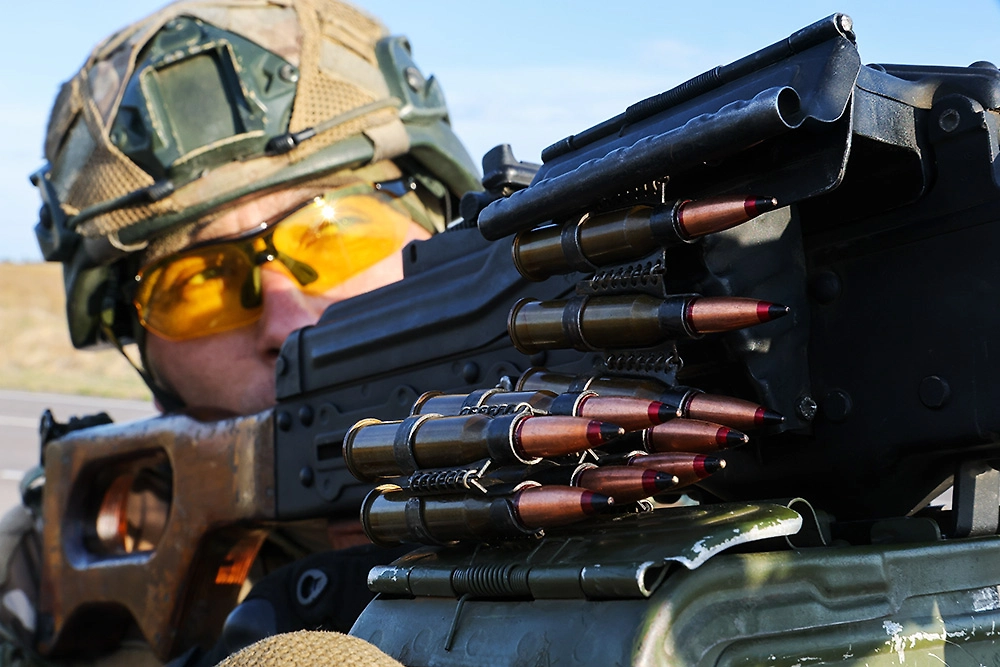
- Russian forces are likely to sustain a high-tempo but localised ground offensive over the next 0-14 days in the Pokrovsk, Kramatorsk-Dobropillia, Lyman, Sumy and Kharkiv directions, while a decisive operational breakthrough is unlikely. Ukrainian reporting recorded 206 engagements on 6 September, including nearly 40 in Pokrovsk, 12 Russian assaults near Kostiantynivka and four in the Kupiansk sector. Reporting on 9 to 11 September described Russian advances near Kyianytsia, Raiske, Annivka and Goptovka, as well as pressure towards Kramatorsk. ISW's reported August advance rate of 2.91 square kilometres per day and its assessment that Russia would not seize the remainder of Donetsk Oblast until 2032 constrain the prospect of rapid operational collapse. The assessment rests on multiple sources, but Russian claims concerning the Olkhovatka encirclement and control of Kostiantynivka remain contested, while Ukrainian and independent reporting indicates that Sviatohirsk remains under Ukrainian control. (Confidence: medium · ASSESSED)
- I&W: Confirm: Ukrainian or independent reporting records sustained Russian assaults in at least three of the Pokrovsk, Kramatorsk-Dobropillia, Sumy, Kharkiv and Lyman directions and independently verifies Russian positions at Raiske, Annivka, Goptovka or near Kramatorsk. (0-14 days)
- I&W: Break: geolocated reporting shows that the claimed Russian advances or encirclements are not held, while Ukrainian forces restore positions near Kramatorsk, Kostiantynivka, Lyman or Sviatohirsk. (0-30 days)
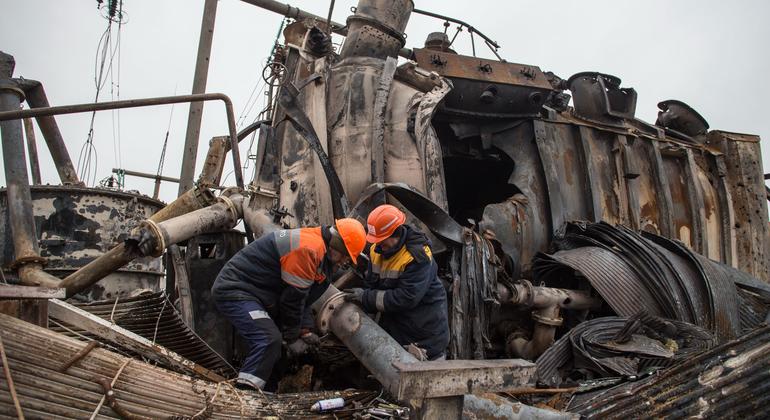
- Russian forces are very likely to continue high-volume drone and missile attacks against Kyiv, Odesa ports, logistics facilities, energy infrastructure and other Ukrainian population centres over the next 0-14 days. On 6 September, the Ukrainian General Staff reported 59 airstrikes, 208 guided aerial bombs and 5,308 kamikaze drones, followed by a massed missile and drone strike on 8 September. A Russian air campaign against Kyiv was reported over 10 consecutive days, while the UNDP chief observed damage from a recent drone strike at Chornobyl and site guards reported daily Russian drone overflights. Approximately half of Ukraine's energy infrastructure has reportedly been affected, and CSIS assessed that Ukraine's missile interception rate fell to 10.2 percent in 2026. Confidence is high because the pattern is supported by multilateral, major-media, official Ukrainian and analytical reporting, although the origin of the Chornobyl drone remains under investigation. (Confidence: high · ASSESSED)
- I&W: Confirm: Ukrainian authorities report another massed attack involving hundreds of drones or guided bombs against Kyiv, Odesa, energy facilities or logistics hubs, with new civilian casualties or infrastructure fires. (0-14 days)
- I&W: Break: a continuous 14-day period passes without a major Russian drone or missile attack and without newly reported damage to Ukrainian energy, port, logistics or civilian infrastructure. (0-14 days)
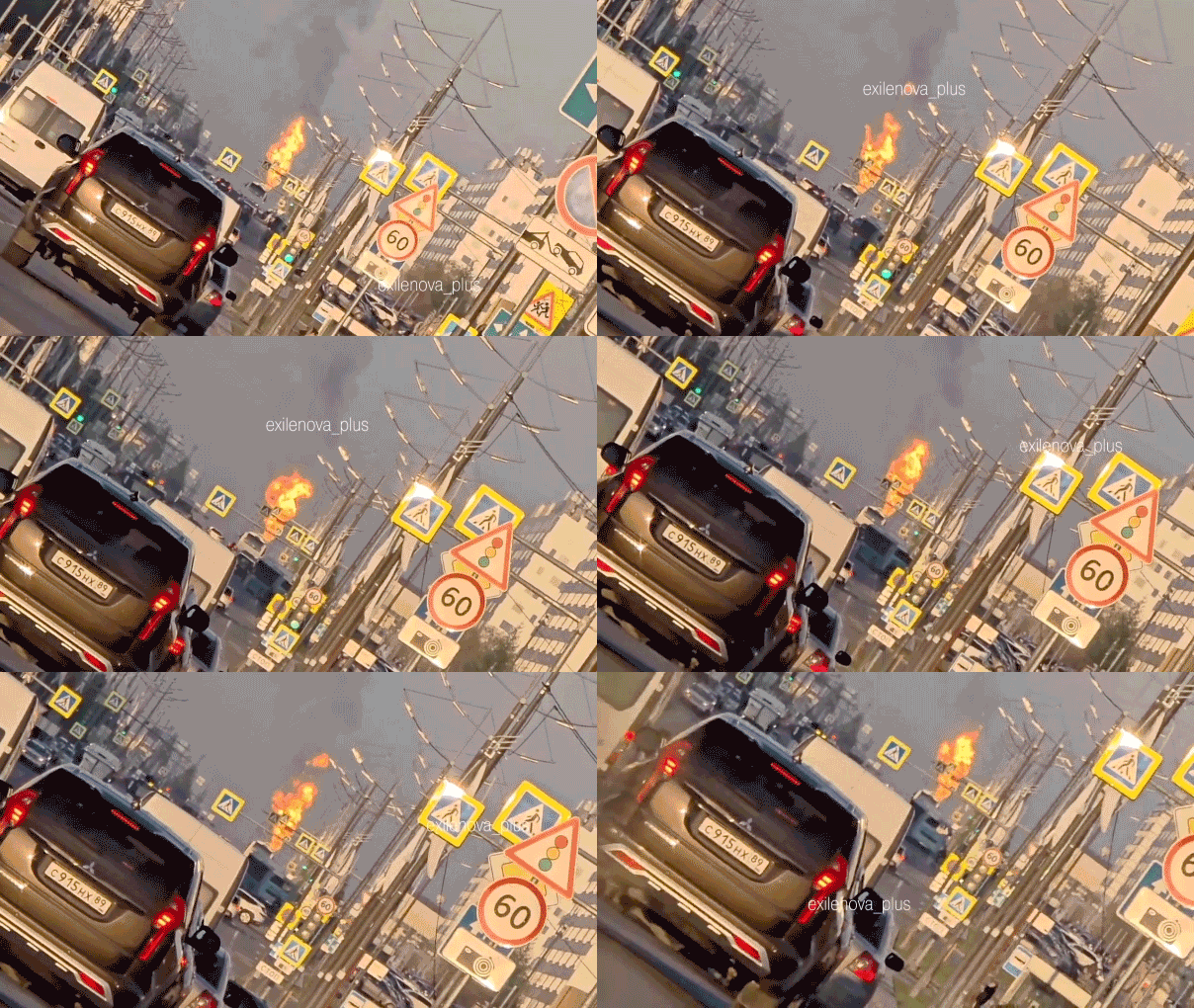
- Ukraine is likely to sustain long-range strikes against Russian military infrastructure, oil facilities, ports and logistics over the next 0-14 days. Ukrainian forces struck or claimed strikes against the naval base, oil-loading terminal, military port facilities and warships around Novorossiysk, while Ukrainian drones reached Novy Urengoy in Russia's Yamalo-Nenets Autonomous Okrug, roughly 3,000 kilometres from the Ukrainian border. Ukraine has also intensified attacks on Russian oil facilities, with reporting that the strikes are reducing crude and product exports. President Volodymyr Zelensky's stated target of at least 1,000 drones per day indicates an intent to maintain pressure. Confidence is medium because several damage and attribution claims depend on Ukrainian or Russian officials, and the Novy Urengoy account conflicts over whether air defences or a successful strike caused the reported fire. (Confidence: medium · ASSESSED)
- I&W: Confirm: Ukrainian officials, Russian regional authorities or geolocated imagery verify another strike or fire at Novorossiysk, Novy Urengoy, a Russian refinery, an oil terminal or a military port. (0-14 days)
- I&W: Break: no additional Ukrainian long-range strike is independently verified over 14 days, and the reported operational effects on Russian fuel production or exports are not sustained. (0-14 days)
- A substantive Russia-Ukraine ceasefire is unlikely over the next 1-3 months, while further US-facilitated talks or a limited energy or long-range strike arrangement have a roughly even chance. Yuriy Ushakov said Vladimir Putin remains committed to achieving Russia's war aims through military means, while Russia continues to demand Ukrainian withdrawal from Donbas and limits on the size and armament of the Ukrainian army. Volodymyr Zelensky has called for renewed trilateral negotiations, and Steve Witkoff and Jared Kushner visited Moscow and Kyiv, but reporting conflicts over whether the Kyiv meeting established fundamental principles or produced no breakthrough. Accounts of the temporary strike pause also conflict with reporting of continued Russian attacks. Confidence is medium because the diplomatic activity is corroborated, but the substance of the meetings and the status of any reciprocal pause remain unresolved. (Confidence: medium · ASSESSED)
- I&W: Confirm: Vladimir Putin, Yuriy Ushakov or Dmitry Peskov reiterates unchanged war aims or demands while no reciprocal front-line ceasefire is announced. (0-30 days)
- I&W: Break: Russia, Ukraine and the US announce a formal trilateral meeting accompanied by a written reciprocal halt to front-line attacks, energy strikes or long-range strikes. (0-90 days)
- Another Russian drone-related airspace or border incident involving Moldova or Romania has a roughly even chance over the next 0-30 days. A Shahed-type drone reportedly entered Moldovan and Romanian airspace before crashing near Mihăileni Vechi on 8 September, NATO forces reacted to air targets near Romania's border with Ukraine on 6 September, and Russian drones struck the Starokozache crossing between Ukraine and Moldova on 9 September, killing two civilians and wounding three. Confidence is low because the incident set is small and the route, precise identification and attribution of the 8 September drone remain only partly established. (Confidence: low · ASSESSED)
- I&W: Confirm: Moldovan or Romanian authorities report another drone entering their airspace, or Romanian and NATO forces react to an unidentified air target near the Ukraine border. (0-30 days)
- I&W: Break: independent tracking establishes that the 8 September drone was not Russian and no new airspace violation or border-crossing strike is reported for 30 days. (0-30 days)
Outlook & scenarios
Localised Russian pressure and sustained strike campaign (55%)
This is the most likely path over the next 0-30 days. Russian forces sustain pressure around Pokrovsk, Kramatorsk-Dobropillia, Sumy, Kharkiv and Lyman without achieving a decisive breakthrough. Russia continues drone and missile attacks against Kyiv, Odesa, energy infrastructure and logistics, while Ukraine conducts long-range strikes against Russian oil, port and military facilities.
Limited diplomatic arrangement without a full settlement (35%)
There is a roughly even chance that US-facilitated diplomacy produces another trilateral contact or a narrow arrangement covering energy infrastructure, long-range strikes or humanitarian access. Russia retains its demands on Donbas and Ukrainian military limits, so a substantive ceasefire remains unlikely even if talks resume.
Cross-border incident and retaliatory escalation (10%)
An unlikely but high-impact path involves another drone entering Moldovan or Romanian airspace, or a strike near a border crossing, followed by Russian threats or action against British military facilities or equipment linked to Ukraine. The result would be a sharper regional security crisis without necessarily changing the front line.
Recommendations
- Maintain a daily axis-level map covering Pokrovsk, Kramatorsk-Dobropillia, Kostiantynivka, Lyman, Sumy and Kharkiv. Separate verified geolocated positions from Russian and Ukrainian control claims, with particular attention to Sviatohirsk, Kostiantynivka, Olkhovatka, Kyianytsia, Raiske, Annivka and Goptovka.
- Track Russian strike activity in a 0-14 day dashboard covering Kyiv, Odesa, Chornobyl, energy facilities, logistics hubs and ports. Record attack volume, weapon type, civilian casualties, infrastructure damage and Ukrainian interception reporting separately.
- Treat the Novy Urengoy and Novorossiysk incidents as operationally relevant but not fully resolved. Monitor geolocated imagery, Russian regional statements, Ukrainian official claims, refinery or port activity and evidence of sustained effects on Russian fuel production and exports.
- Use concrete diplomatic milestones to assess progress: a confirmed date for trilateral talks, attendance by Russia, Ukraine and the US, a written agenda, reciprocal strike restrictions and evidence that any pause is implemented in practice.
- Maintain a dedicated airspace and border watch for Moldova, Romania, the Mihăileni Vechi area, the Starokozache crossing and the Romania-Ukraine border. Record the drone route, launch direction, air-defence response, debris location and attribution before assessing escalation.
- Flag Russian statements threatening British military facilities or equipment as escalation indicators, and track whether such statements are followed by a reported strike outside Ukraine or against identifiable British-linked assets.
Confidence & uncertainty
Overall confidence is high because the central judgments are supported by multiple independent sources, including ISW, the UN, major wire services, major media, Ukrainian official reporting and NASA FIRMS data. The pattern of Russian ground pressure and long-range strikes is well corroborated across source types. The main uncertainties concern local control claims in Sviatohirsk and Kostiantynivka, the attribution and operational effect of Ukrainian strikes deep inside Russia, and the substance of the recent diplomatic contacts.
Intelligence gaps
- [EEI 1.1 · PARTIAL] Geotagged UAV/satellite imagery showing abandoned defensive positions or newly occupied settlements. Recommended collection: overhead imagery
- [EEI 1.2 · PARTIAL] Confirmed movement of frontline ambulance evacuation routes beyond previous coordinates. Recommended collection: SIGINT/medical logistics
- [EEI 2.1 · UNCOVERED] Concentration of assault battalions (≥3 mechanized companies) within 15km of contact line. Recommended collection: SIGINT/UAV
- [EEI 2.2 · UNCOVERED] Unusual artillery stockpile buildup at forward depots exceeding 30-day consumption rates. Recommended collection: overhead imagery/logistics
- [EEI 3.1 · PARTIAL] Bridge structural damage assessments at 5 key Dnieper River crossings via multispectral imaging. Recommended collection: overhead imagery
- [EEI 3.2 · UNCOVERED] Rail traffic volume changes at Kryvyi Rih and Pokrovsk rail hubs compared to 7-day baseline. Recommended collection: commercial freight data
Red cell review: CONCUR WITH COMMENT
TLP:CLEAR