TLP:CLEAR · Disclosure is not limited.
Russia-Ukraine front line: long-range strikes and deep interdiction, 5-12 July 2026
Time window: Last 7 days · Audience: General analyst · Type: Situation report · DTG: 2026-07-12 07:12Z · Overall confidence: MEDIUM
BLUF
Russia very likely executed a large combined missile-drone strike across Ukraine on 10-11 July while Ukraine very likely intensified deep strikes against Russian energy infrastructure and Azov Sea logistics. Ukraine’s campaign is likely straining Russian fuel supply, including to Crimea, as Moscow sustains a high-tempo air campaign that is keeping civilian harm elevated.
Executive summary
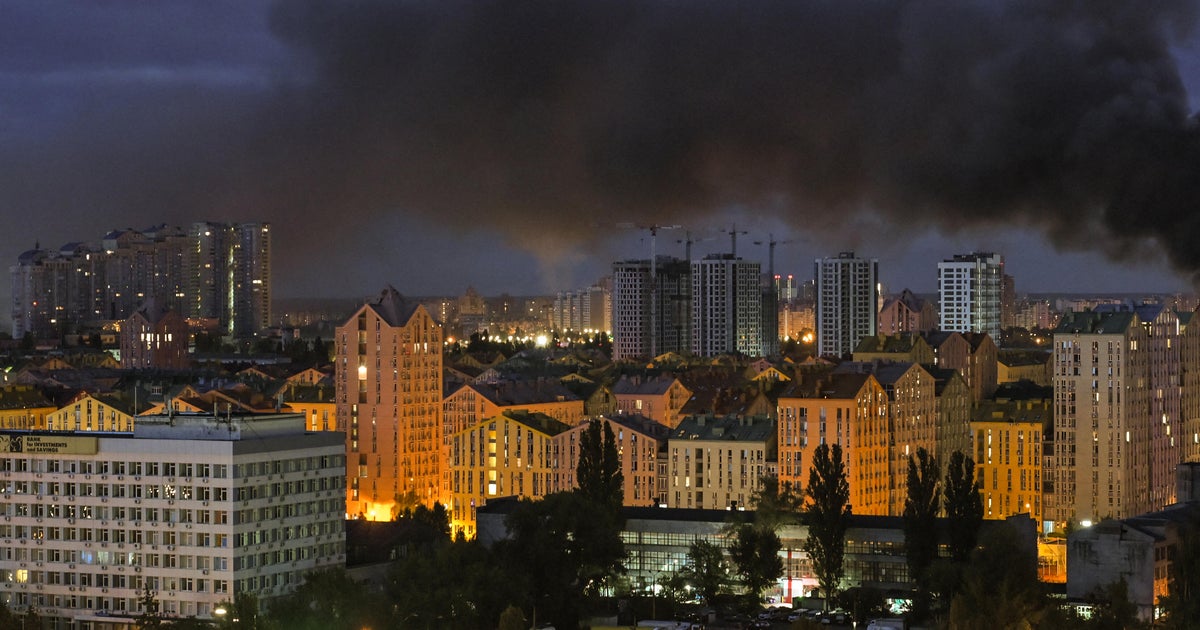
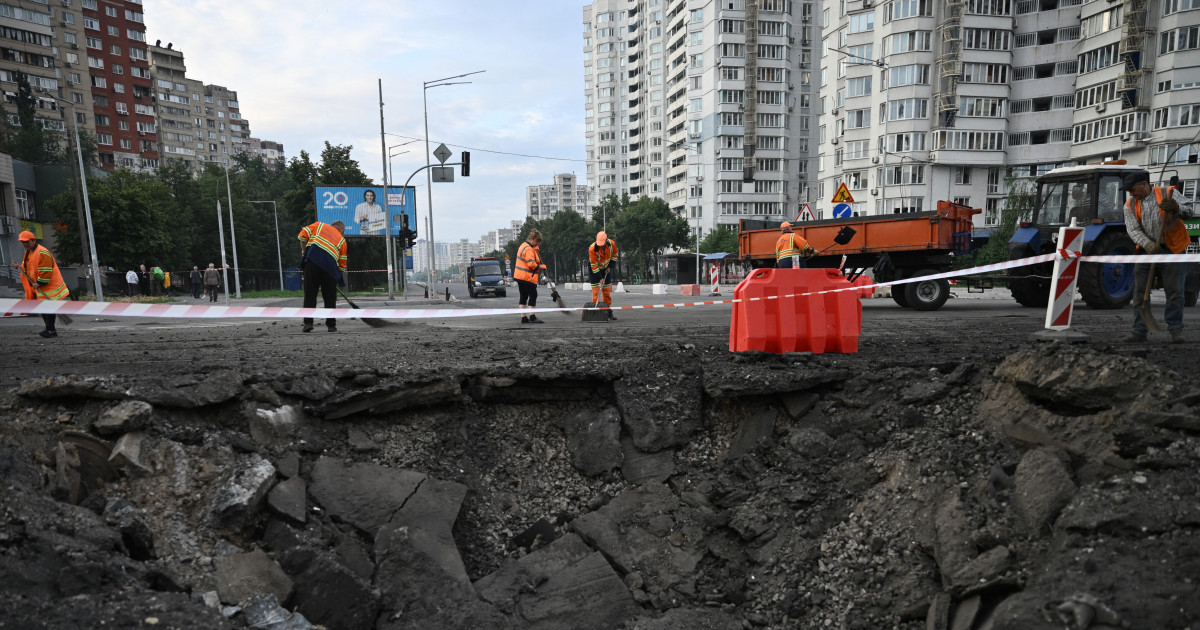
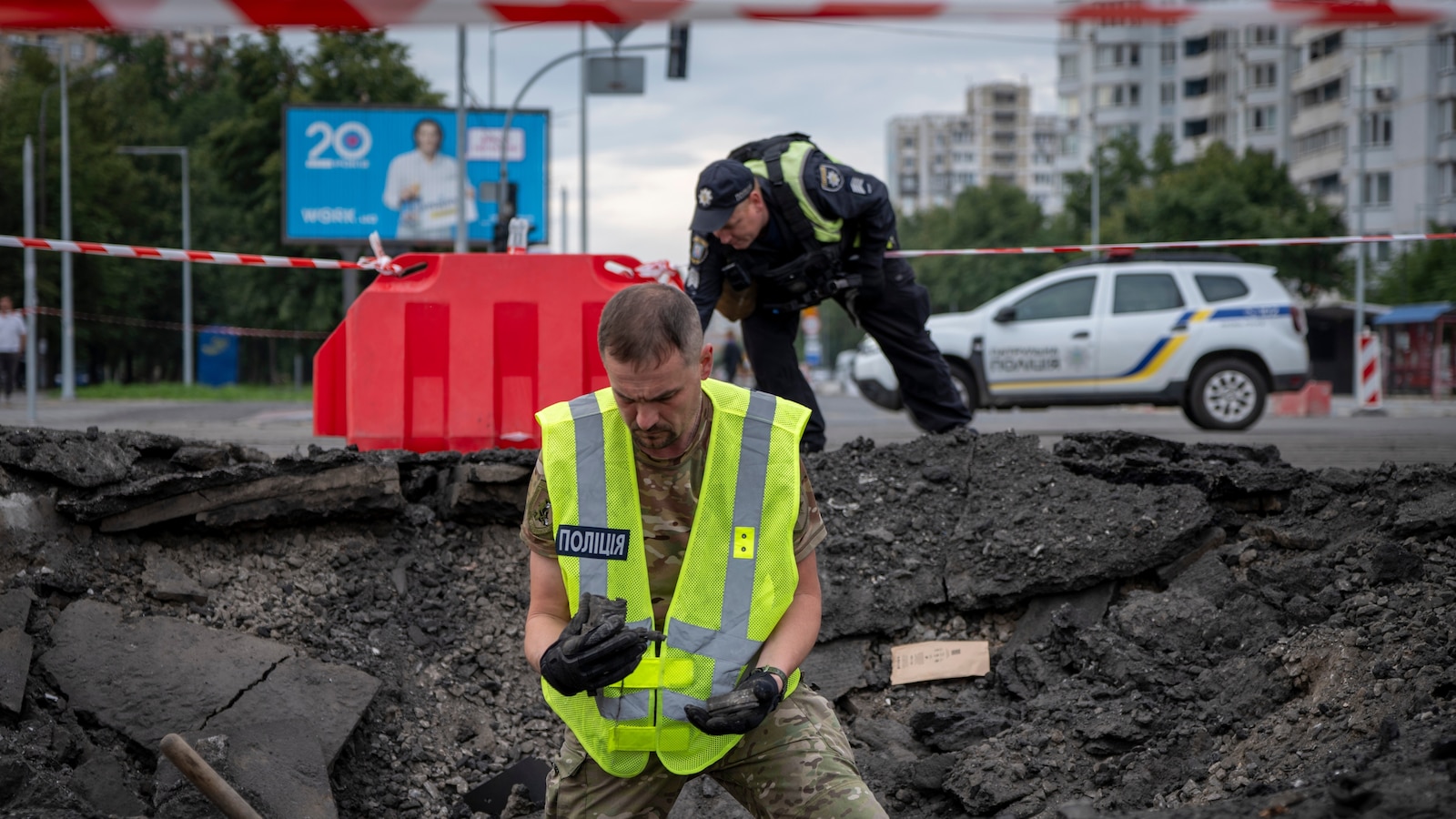
Overnight 10-11 July Russia very likely launched 12 missiles, including six ballistic, and 121 drones across Ukraine. Reporting indicates at least 11 injured in Kyiv, at least 10 killed and over 80 injured nationwide, with fatalities in Odesa and the Donetsk region and damage in Sloviansk. Ukraine likely expanded its deep-strike campaign 6-10 July, hitting the port of Taganrog and southern Russian refineries, and earlier in the week striking the St Petersburg oil terminal, Omsk and Yaroslavl facilities, Saky airfield in Crimea and the Kerch oil terminal. Ukraine’s Unmanned Systems Forces reported strikes on 19 Russian tankers and other vessels between 6 and 8 July. This interdiction effort likely compounds fuel supply stress acknowledged in Russia, including to Crimea, while Russia maintains an unusually high volume of drone and missile attacks with record civilian casualties reported in May and June. Kyiv is pressing for rapid reinforcement of air defence, and public statements on a prospective Patriot interceptor production licence signal potential medium-term improvements in Ukraine’s ballistic missile defence posture.
Change from previous assessment
This update corroborates the 10-11 July Russian strike with additional detail on nationwide casualties and damage, and adds further reporting on Ukraine’s deep strikes in early July against refineries, the St Petersburg terminal, Saky airfield, Kerch and Azov Sea tankers. It introduces public pledges regarding a Patriot interceptor production licence and highlights Ukraine’s declared nationwide energy state of emergency. Confidence levels are broadly unchanged; evidence depth increased for the deep-strike and casualty judgments.
Key judgments
- Russia very likely launched 12 missiles, including six ballistic missiles, and 121 drones against Ukraine overnight on 10-11 July. (Confidence: high · REPORTED)
- I&W: Ukrainian Air Force publishes a final after-action tally confirming 12 missiles and 121 drones for 10-11 July. (0-14 days)
- I&W: Official revision reducing the missile or drone count for 10-11 July below previously reported figures. (0-14 days)
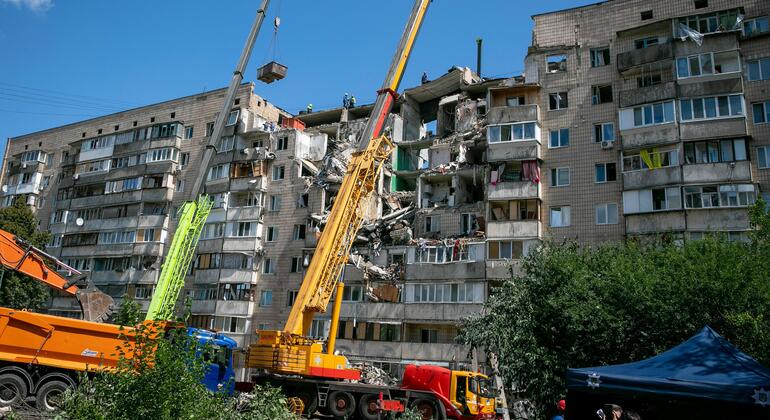
- The 10-11 July strike almost certainly caused at least 11 injuries in Kyiv and killed at least 10 nationwide, with reported fatalities in Odesa and the Donetsk region and damage to at least 15 homes in Sloviansk. (Confidence: high · REPORTED)
- I&W: Ukrainian authorities issue a consolidated casualty update for 10-11 July confirming 10+ killed and 80+ injured, including 11 wounded in Kyiv. (0-14 days)
- I&W: Official revision lowers the nationwide death toll for 10-11 July below five. (0-14 days)
- Ukraine very likely expanded deep strikes on 6-10 July against Russian energy infrastructure and Azov Sea logistics, including hits on the port of Taganrog and southern refineries, and earlier in the week strikes on the St Petersburg oil terminal, the Omsk and Yaroslavl refineries, Saky airfield in Crimea, and the Kerch oil terminal; Ukraine’s Unmanned Systems Forces reported strikes on 19 Russian tankers, a cargo ship and a ferry between 6 and 8 July. (Confidence: high · REPORTED)
- I&W: Russian regional communiques or plant notices confirm curtailed operations at Omsk or Yaroslavl refineries beyond scheduled maintenance windows. (0-14 days)
- I&W: AIS tracks show multiple bunker or tanker vessels idling or rerouting off Taganrog or near the Kerch Strait following reported strikes. (0-14 days)
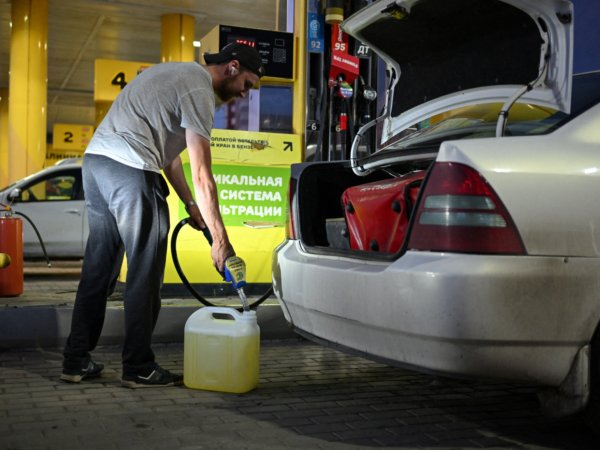
- Ukraine’s deep-strike and maritime interdiction campaign is likely degrading Russian fuel supply and logistics, including to Crimea, contributing to fuel shortages acknowledged by Russian leadership. (Confidence: medium · ASSESSED)
- I&W: Regional authorities in Crimea, Rostov or Krasnodar enact fuel rationing or retail sales limits citing supply constraints. (0-14 days)
- I&W: Public reporting indicates normalised throughput at major refineries such as Omsk without further disruption claims. (1-3 months)
- Russia almost certainly maintains a high-tempo air campaign, with unprecedented drone volumes in April-June and elevated civilian casualties in May and June. (Confidence: medium · REPORTED)
- I&W: Monthly Ukrainian Air Force tallies for July approach or exceed 6,000 hostile drones launched. (1-3 months)
- I&W: Civilian casualty reporting from July falls markedly below May-June baselines despite continued strikes. (1-3 months)
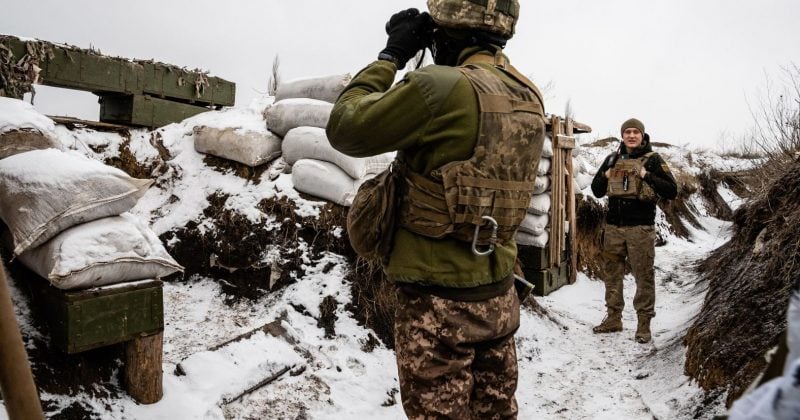
- On the ground, heavy fighting is likely to persist without a near-term turning point; Russian forces face stiff resistance with minimal gains on several sectors despite summer campaign aims, and Kyiv’s leadership judges a turning point remains distant. (Confidence: medium · ASSESSED)
- I&W: No verified captures of major urban centres on contested axes and continued reporting of limited tactical advances only. (1-3 months)
- I&W: Verified reports of Russian entry into Sloviansk or rapid multi-settlement advances on a single axis. (1-3 months)
- Ukraine will likely prioritise rapid reinforcement of air defences against ballistic threats; public pledges on a Patriot interceptor production licence point to potential medium-term increases in interceptor availability, though timelines remain uncertain. (Confidence: medium · ASSESSED)
- I&W: Formal US-Ukraine announcement detailing the Patriot production licence scope, partners and delivery milestones. (1-3 months)
- I&W: Absence of follow-on announcements and visible deliveries as Ukrainian intercept stocks remain constrained. (1-3 months)
- Ukraine has declared a nationwide energy state of emergency due to sustained Russian attacks. (Confidence: medium · REPORTED)
- I&W: Government notices extend or modify the energy state of emergency and publish load-shedding schedules. (0-14 days)
- I&W: Authorities announce the lifting of the emergency and restoration of pre-attack operating norms. (1-3 months)
Outlook & scenarios
Attrition continues: high-tempo Russian strikes and steady front lines (60%)
Russia sustains frequent missile and drone attacks at or near recent monthly volumes while ground fighting remains positional with limited local advances. Civilian harm stays elevated and Ukrainian energy infrastructure remains under pressure. Ukraine maintains air defence performance against non-ballistic threats but struggles against ballistic missiles pending new interceptor supply.
Ukrainian deep interdiction chokes Russian fuel flows (50%)
Ukraine intensifies strikes on refineries, oil terminals and Azov Sea tankers, increasing repair downtime and rerouting of fuel. Reported fuel shortages widen across southern Russia and Crimea, imposing tempo constraints on Russian logistics and operations in the south. Russia disperses fuel storage and escorts key maritime movements but cannot fully offset losses.
Russian ground push gains traction on one axis (30%)
Following sustained bombardment, Russia concentrates forces to gain ground on a single axis, raising risk to urban areas such as Sloviansk. Ukrainian resistance remains strong but is stretched by concurrent air defence demands. Any breakthrough remains incremental and vulnerable to Ukrainian counter-strikes on supply nodes.
Air defence uplift blunts Russian ballistic impact (25%)
Bilateral follow-through on Patriot interceptor production and allied deliveries add to Ukraine’s air defence inventory. Ballistic interception rates improve, reducing mass-casualty events in major cities. Russia adapts by varying trajectories and salvo composition, but the relative effectiveness of strikes declines.
Recommendations
- Maintain a rolling log of Russian long-range strike packages with munition types and launch windows; fuse official tallies with geolocated impact imagery to validate counts and casualty reporting.
- Task commercial EO and SAR imagery over the Omsk and Yaroslavl refineries, the St Petersburg oil terminal, Saky airfield, Kerch terminal and the port of Taganrog to assess damage extent, repair activity and operational status.
- Exploit AIS and high-frequency radio monitoring to track tanker and bunkering movements in the Sea of Azov and near the Kerch Strait; flag unusual loitering, rerouting or gaps consistent with interdiction.
- Monitor Russian regional communications in Crimea, Rostov and Krasnodar for fuel rationing notices, retail restrictions or price controls indicative of tightening supply.
- Track Ukrainian air defence expenditure and effects by attack wave, including the ratio of ballistic to non-ballistic threats and reported shoot-down or suppression rates, to map gaps and prioritise resupply advice.
- Watch for formal US-Ukraine announcements on the Patriot production licence and associated industrial partners; compile open-source indicators of early component sourcing and site preparation.
- Prioritise front-line OSINT collection on the Sloviansk axis and other contested sectors; validate any claims of capture or advances with multi-source geolocation before updating control-of-terrain assessments.
Confidence & uncertainty
Overall confidence is medium. Several judgments rest on multiple high-confidence, mutually reinforcing reports on the 10-11 July strike package, casualties in Kyiv, Odesa and Donetsk, and Ukraine’s deep strikes on refineries and Taganrog. High-quality official and major-media sources also document the broader pattern of elevated drone use and civilian casualties in April-June. Assessments about the operational impact of Ukrainian interdiction on Russian fuel logistics and the trajectory of air defence improvements involve inference and include single-source or think-tank reporting, and casualty totals vary across reports, which tempers confidence.
Alternative analysis (red cell)
The reporting base for the July 10–11 strikes and associated casualties is inconsistent and relies heavily on a small set of lower-admiralty reports and un-reconciled official claims; precise counts of missiles, drones, and fatalities remain uncertain. Many Ukrainian deep-strike and maritime-impact claims originate from a single reporting cluster and lack independent BDA, so their aggregate operational effect (including systemic fuel shortages) is not yet decisive. The ground campaign appears contested, but available evidence is insufficient to rule out localized turning points or asymmetric sectoral shifts.
Intelligence gaps
- [EEI 1.1 · UNCOVERED] Geotagged UAV/satellite imagery showing abandoned defensive positions or newly occupied settlements. Recommended collection: overhead imagery
- [EEI 1.2 · UNCOVERED] Confirmed movement of frontline ambulance evacuation routes beyond previous coordinates. Recommended collection: SIGINT/medical logistics
- [EEI 2.1 · PARTIAL] Concentration of assault battalions (≥3 mechanized companies) within 15km of contact line. Recommended collection: SIGINT/UAV
- [EEI 2.2 · PARTIAL] Unusual artillery stockpile buildup at forward depots exceeding 30-day consumption rates. Recommended collection: overhead imagery/logistics
- [EEI 3.1 · UNCOVERED] Bridge structural damage assessments at 5 key Dnieper River crossings via multispectral imaging. Recommended collection: overhead imagery
- [EEI 3.2 · UNCOVERED] Rail traffic volume changes at Kryvyi Rih and Pokrovsk rail hubs compared to 7-day baseline. Recommended collection: commercial freight data
Cited sources
[1] CBS News · At least 11 people injured in overnight Russian strikes on Kyiv (A) · sha256:bd4c34441313 [2] nypost.com · Russia ballistic missile and drone onslaught kills at least 10 in Ukraine (B) · sha256:9384dc2588dd [3] abcnews.com · Russian attacks kill 6, wound 29, as Ukrainian forces target oil tankers (A) · sha256:9267b2c691fe [4] euronews.com · Ukrainian drones hit southern Russian refineries and Azov port (A) · sha256:594c5dbda6a5 [5] Jamaica Inquirer · Ukraine chokes fuel to Crimea, Russian consumers, targeting military supply - Jamaica Inquirer – Daily Jamaica News (B) · sha256:2b8b73fb1744 [6] Al Jazeera · Ukraine chokes fuel to Crimea, Russian consumers, targeting military supply (A) · sha256:587e14668910 [7] Atlantic Council · Trump should seize upon his NATO-Ukraine moment (C) · sha256:42b42f67768a [8] bundle.app · Ukraine chokes fuel to Crimea, Russian consumers, targeting military supply (B) · sha256:31422a2bb07c [9] understandingwar.org · Russian Offensive Campaign Assessment, July 7, 2026 (B) · sha256:61dceef6784a [10] Foreign, Commonwealth and Development Office (FCDO) · Ukraine travel advice (A) · sha256:6016854fd1f4 [11] United Nations · Security Council LIVE: ‘Urgent de-escalation’ needed now in Ukraine amid spike in civilian deaths (A) · sha256:8a8781bb6c9e [12] Kyiv Independent · Inside the frontline drone unit slowing Russia's 2026 offensive (B) · sha256:89948381803e [13] Institute for the Study of War · ISW: Russian forces face resistance, shift to attrition tactics in Ukraine (B) · sha256:1ecbb2e30f16 [14] NBC News · Two dead, 19 wounded as Russia strikes Ukraine with missiles, drones (A) · sha256:f9e2ef8915bb
Source content hashes were computed at collection time; the cited text is preserved unmodified for the life of this product.
Red cell review: PARTIAL DISSENT — KJ-5 downgraded HIGH→MEDIUM (estimative_mismatch); KJ-8 downgraded HIGH→MEDIUM (kj_thin)
TLP:CLEAR