TLP:CLEAR · Disclosure is not limited.
Russia-Ukraine front line: Mass strike on Kyiv as Ukraine deepens cross-border attacks, 25 June, 2 July 2026
Time window: Last 7 days · Audience: General analyst · Type: Situation report · DTG: 2026-07-02 07:13Z · Overall confidence: MEDIUM
BLUF
Russia very likely executed a large-scale strike on Kyiv overnight 1-2 July, causing at least 13 deaths and widespread damage, while Ukraine is very likely sustaining deep strikes against Russian energy, radar and communications targets, including Dubna and Nizhny Novgorod. Claims of Russian territorial advances on multiple axes remain uncorroborated.
Executive summary
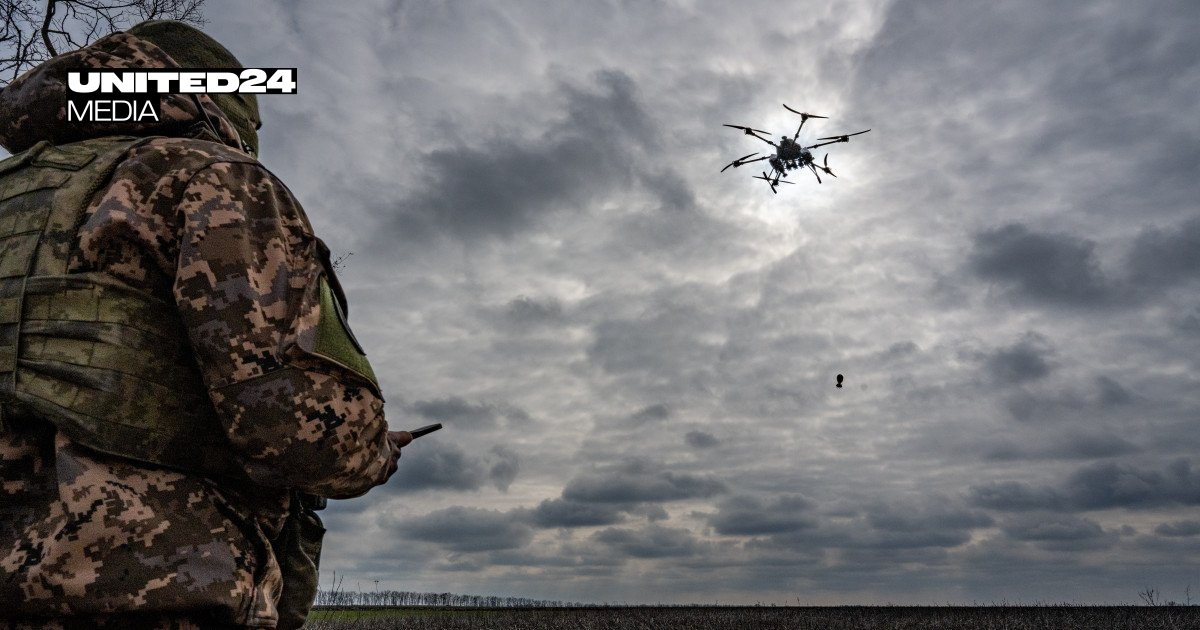
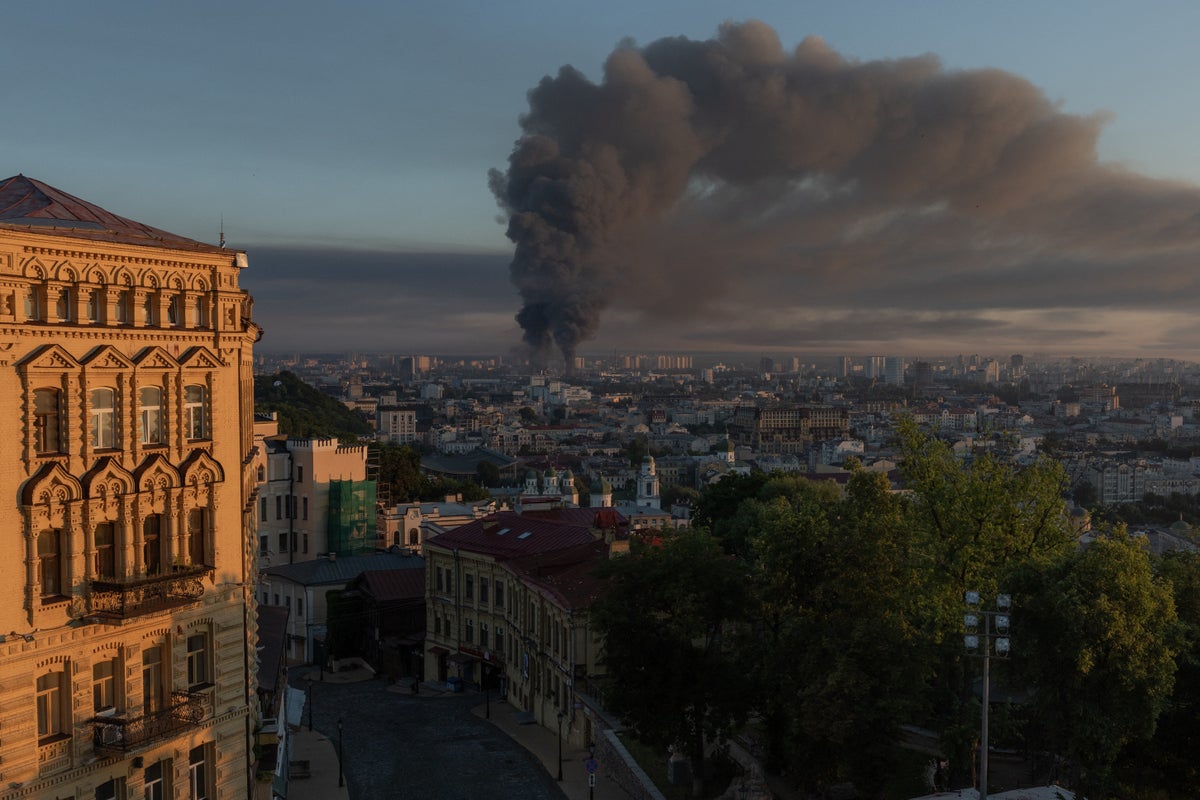
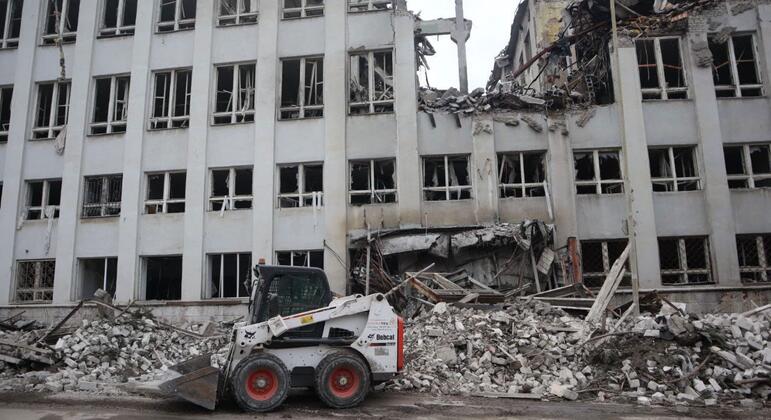
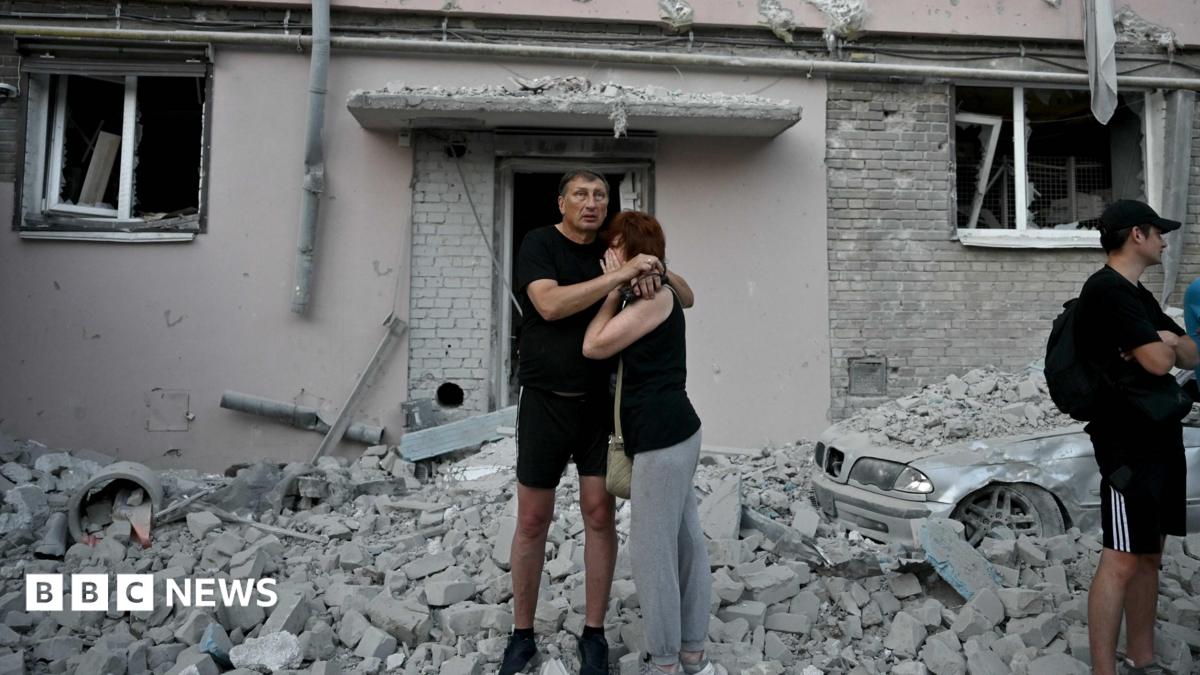
Overnight 1-2 July, Russia launched a large-scale missile and drone attack on Kyiv that killed at least 13 people, injured dozens, set a central hotel ablaze and damaged sites across roughly 30 locations, following Ukrainian warnings of an imminent massive strike. Drones began entering Kyiv’s skies just past midnight. In parallel, Ukraine continued long-range attacks inside Russia: a lethal UAV strike hit an industrial site in Nizhny Novgorod on 2 July, President Zelenskyy confirmed a repeated strike on the Dubna Space Communications Center on 30 June, and late-June strikes damaged or destroyed large fuel tanks at the Slavyansky oil refinery, alongside reported hits on Russian radar complexes in Bryansk and a GRU information centre. UN reporting states long-range missile and drone attacks remain the leading cause of civilian casualties in Ukraine and detail extensive winter-period damage to the power system that left hundreds of thousands without heating. NASA recorded 184 thermal anomalies across Ukraine over 1-2 July, consistent with widespread fires from strikes or other heat sources. Russian media claims of advances in Kramatorsk, Zaporizhzhia, Sumy and Dnipro, and control of Malinivka, lack corroboration.
Change from previous assessment
New since the prior brief: Russia’s overnight 1-2 July mass strike on Kyiv with at least 13 fatalities and multi-site damage; confirmation of a repeated Ukrainian strike on Dubna on 30 June; a lethal Ukrainian UAV strike on an industrial site in Nizhny Novgorod on 2 July; and a recorded 184 NASA thermal anomalies across Ukraine over 1-2 July. Reporting also notes a 30 percent weekly jump in petrol prices in Sevastopol, consistent with mounting logistical strain in Crimea. Confidence in reported Russian territorial gains remains low due to lack of corroboration.
Key judgments
- Russia very likely conducted a large-scale combined missile and drone strike against Kyiv overnight 1-2 July, killing at least 13 people, injuring dozens and causing fires and damage at roughly 30 locations across the city. (Confidence: high · REPORTED)
- I&W: Official consolidated casualty and damage report for Kyiv confirming 13+ fatalities and multi-site impacts (0-14 days)
- I&W: Authoritative revision lowers fatalities well below 13 and attributes most reported damage to non-strike causes (0-14 days)
- Ukraine is very likely sustaining a deep-strike campaign into Russia against energy, radar and strategic communications targets, including a lethal UAV strike on an industrial facility in Nizhny Novgorod on 2 July, a repeated attack on the Dubna Space Communications Center on 30 June, late-June strikes that destroyed or damaged large fuel tanks at the Slavyansky oil refinery, reported hits on Russian radar complexes in Bryansk, and a 26 June strike on a GRU information centre. (Confidence: high · REPORTED)
- I&W: Further Russian regional governor statements and imagery showing damage to refineries, radar or communications facilities in interior regions (0-30 days)
- I&W: Sustained absence of acknowledged interior damage despite strike claims, corroborated by imagery (1-3 months)
- Long-range missile and drone strikes are very likely the leading cause of Ukrainian civilian casualties and continue to degrade the power system, with winter attacks denying heating to hundreds of thousands and current strikes in Dnipro and Zaporizhzhia killing and injuring civilians far from the front. (Confidence: high · REPORTED)
- I&W: Subsequent OHCHR reporting again attributes a majority of civilian casualties to long-range missiles and UAVs (1-3 months)
- I&W: Authoritative reporting shows a clear shift to frontline shelling becoming the primary driver of casualties (1-3 months)
- Claims that Russian forces advanced in Kramatorsk, Zaporizhzhia, Sumy and Dnipro, or seized Malinivka, are uncorroborated and likely reflect limited, localised pressure rather than a wider breakthrough. (Confidence: low · ASSESSED)
- I&W: Geolocated visual evidence and official communiques from both sides confirm control changes at the named settlements (0-30 days)
- I&W: Independent mapping and Ukrainian reporting confirm no net territorial change and deny Russian claims at the named locations (0-30 days)
- There is likely a high-tempo bilateral drone and missile exchange, with Ukraine reporting 74 missiles and 496 drones used against it overnight and Russia claiming 419 Ukrainian drones shot down over its territory the previous day, reflecting saturation tactics and contested figures. (Confidence: medium · REPORTED)
- I&W: Third-party tallies corroborate comparable launch and intercept volumes over multiple nights (0-30 days)
- I&W: Verified launch and intercept data show substantially lower volumes than claimed by either side (1-3 months)
- Fuel availability in occupied Crimea is likely tightening, signalled by a 30 percent weekly jump in petrol prices in Sevastopol, consistent with Ukraine’s campaign against Russian energy and logistics nodes. (Confidence: medium · ASSESSED)
- I&W: Follow-on reports show continued fuel price spikes, rationing or long queues at service stations in Crimea (0-30 days)
- I&W: Prices stabilise or fall and rationing reports cease across major Crimean cities (1-3 months)
Outlook & scenarios
Strike, counterstrike persists: massed Russian salvos versus Ukrainian deep strikes (70%)
Russian forces continue periodic large-scale salvos against Kyiv and other urban centres while Ukraine maintains long-range attacks on Russian refineries, radar and communications hubs including Dubna and interior regions such as Nizhny Novgorod. Civilian harm and power-system degradation remain concentrated far from the contact line.
Localised Russian gains without operational breakthrough (40%)
Russian units achieve minor advances or temporary footholds near contested areas highlighted in reporting such as Kramatorsk or parts of Zaporizhzhia and Sumy, but lack the enablers for a rapid breach. Many battlefield claims remain unverified or are later revised.
Rear-area pressure degrades Russian logistics in Crimea and the south (50%)
Sustained Ukrainian interdiction of refineries, radar and command nodes increases costs and friction in Russian logistics, reflected in higher fuel prices and potential rationing in Crimea and occupied southern territories, compounding challenges for Russian offensive tempo.
Northern axis risk and intensified ballistic use (20%)
Russian leadership keeps pressure on northern sectors and signals options from the Belarusian direction while persisting with nuclear-capable missile use against cities. This heightens air-defence strain and crisis-management demands even if no new front opens.
Recommendations
- Verify and map Kyiv strike damage at facility level using geolocation of imagery and official municipal updates; maintain a live casualty ledger and flag discrepancies for adjudication.
- Catalogue Russian missile and UAV types, ingress routes and aim-points from the 1-2 July attack to update air-defence prioritisation and likely next-target sets.
- Build a Russia-interior strike tracker: log by region each confirmed Ukrainian hit on refineries, radar, communications and GRU-linked sites; include before, after imagery and local governor statements.
- Exploit Ukrainian reporting on radar-suppression activity in Bryansk and outputs from the ‘Roni’ group to assess gaps in Russian air defence corridors.
- Monitor daily retail fuel prices, rationing notices and queuing imagery from Crimea, especially Sevastopol, to quantify interdiction effects on Russian logistics.
- Use NASA FIRMS thermal detections as a cueing layer only; corroborate clusters with visual evidence to distinguish combat effects from wildfires or industrial incidents.
- Treat frontline advance claims as provisional until geolocated proof emerges; cross-check with official daily communiques and independent mapping before updating control assessments.
Confidence & uncertainty
Overall confidence is medium. The Kyiv mass-casualty strike and Ukraine’s deep strikes on Dubna, Nizhny Novgorod and refinery infrastructure are supported by multiple independent and official sources. UN reporting underpins judgments on civilian harm and energy-system impacts. However, casualty counts from Kyiv vary across official statements, and several frontline advance claims originate from single, lower-reliability channels without corroborating imagery. Thermal anomaly detections are non-specific and require confirmation. These factors introduce uncertainty that precludes a high headline confidence.
Alternative analysis (red cell)
Reporting is preliminary, often single-source, and contains unaddressed contradictions; therefore high-confidence, categorical judgments about attribution, scale, casualty hierarchies, and systemic effects are not warranted. The defensible alternative is that strikes and counterstrikes occurred causing localized damage and casualties, but the precise scale, weapon mix, strategic effects, and market impacts remain ambiguous until independent satellite, forensic, SIGINT, medical, and market data are obtained.
Intelligence gaps
- [EEI 1.1 · UNCOVERED] Geotagged UAV/satellite imagery showing abandoned defensive positions or newly occupied settlements. Recommended collection: overhead imagery
- [EEI 1.2 · UNCOVERED] Confirmed movement of frontline ambulance evacuation routes beyond previous coordinates. Recommended collection: SIGINT/medical logistics
- [EEI 2.1 · PARTIAL] Concentration of assault battalions (≥3 mechanized companies) within 15km of contact line. Recommended collection: SIGINT/UAV
- [EEI 2.2 · UNCOVERED] Unusual artillery stockpile buildup at forward depots exceeding 30-day consumption rates. Recommended collection: overhead imagery/logistics
- [EEI 3.1 · UNCOVERED] Bridge structural damage assessments at 5 key Dnieper River crossings via multispectral imaging. Recommended collection: overhead imagery
- [EEI 3.2 · UNCOVERED] Rail traffic volume changes at Kryvyi Rih and Pokrovsk rail hubs compared to 7-day baseline. Recommended collection: commercial freight data
Cited sources
[1] independent.co.uk · Ukraine-Russia war latest: Children among 13 killed in ‘furious’ Russian attack on Kyiv (A) · sha256:546bdf8ae761 [2] Al Jazeera · At least 13 killed in Kyiv as Zelenskyy warns of ‘massive Russian strike’ (A) · sha256:5603baf5b6fd [3] bbc.co.uk · Russia launches deadly large-scale missile strikes on Kyiv (A) · sha256:8496c08d639e [4] united24media.com · How Deep Ukrainian Strike Drones Bypassed Russian Radars to Clear the Path for Capital Strikes (B) · sha256:33a9d61d0615 [5] Kyiv Post · Ukraine Hits 2 Bridges Used by Russia to Move Troops, Weapons (B) · sha256:e35ddec3bc1b [6] Al Jazeera · Russian attacks kill three in Ukraine as Kyiv hits another oil refinery (A) · sha256:fd0eb7616fdf [7] United Nations · UN details humanitarian toll of strikes on Ukrainian power industry (A) · sha256:561ee27c6d12 [8] UK Government · Russia talks peace while waging war: UK statement to the OSCE (A) · sha256:b1ba01bb297f [9] الحرب الثالثة · روسيا تسيطر على مالينيفكا وتتقدم في كراماتورسك ودنيبرو وسومي وزابوروجي | أوكرانيا تسترد بلدة (B) · sha256:68e993310e82 [10] Fibrik · ¡RUSIA INTENSIFICA LA OFENSIVA! CAEN VARIOS POBLADOS mientras UCRANIA GOLPEA EL CORAZÓN ENERGÉTICO (B) · sha256:bf8fbef808b4 [11] КИЇВ24 | Телеканал Київ · ❗❗ БУФЕРНА ЗОНА НА ЧЕРНІГІВЩИНІ? РФ РОЗТЯГУЄ ФРОНТ! ПОПОВИЧ про плани ворога (B) · sha256:15bb2c3c848f [12] Militar Zone · Russia Might Break Through Ukraine’s Fortress Belt! (F) · sha256:540456e24c60
Source content hashes were computed at collection time; the cited text is preserved unmodified for the life of this product.
Red cell review: PARTIAL DISSENT
TLP:CLEAR