TLP:CLEAR · Disclosure is not limited.
Russia-Ukraine front line: mass strike tempo persists, Ukraine deep‑strikes logistics, ground control reports are mixed
Time window: Last 7 days · Audience: General analyst · Type: Situation report · DTG: 2026-06-15 07:14Z · Overall confidence: MEDIUM
BLUF
Russia very likely maintained a high drone and missile strike tempo across Ukraine in mid‑June, while Ukraine likely sustained coordinated deep strikes against Russian port, energy and Crimea‑adjacent logistics nodes. Front line control claims are conflicting, with no verified advances on 13 June and opposing reports of local gains and losses.
Executive summary
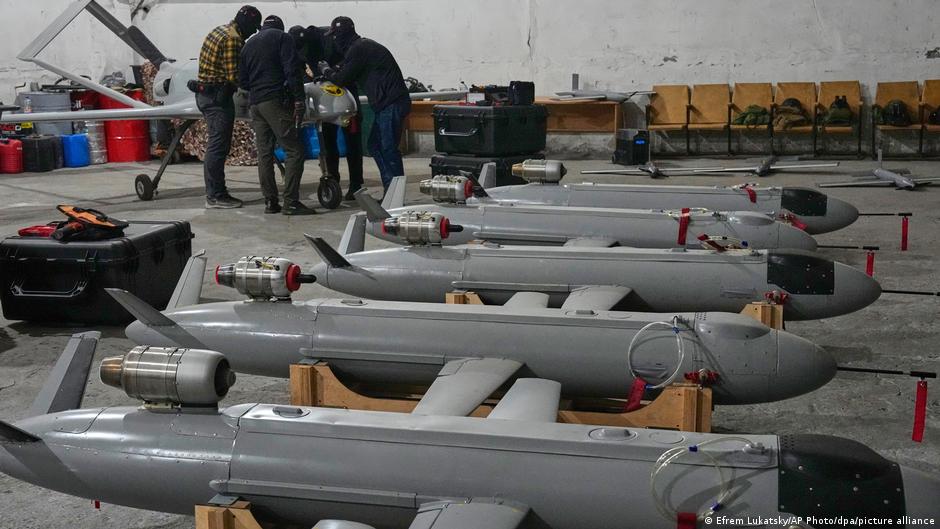
Large Russian salvos continued to hit multiple Ukrainian regions, with significant civilian harm and infrastructure disruption in Kyiv and Kharkiv and air defences reporting mass drone interceptions. In parallel, Ukraine likely expanded a deep‑strike campaign on the Russian side of the border, including the Tamanneftegaz terminal at Temryuk, industrial and energy facilities in several regions, and key bridges linking occupied Kherson to Crimea, with knock‑on effects on Russian logistics routed through Armyansk and reported fuel distribution constraints in Sevastopol. Open‑source reporting on ground advances is contradictory: a credible daily read‑out recorded no advances on 13 June, while other claims assert Ukrainian recapture of Ternovate, Russian advances near Kupiansk, Myrnohrad and Vovchansk, and mounting pressure around Kostyantynivka.
Change from previous assessment
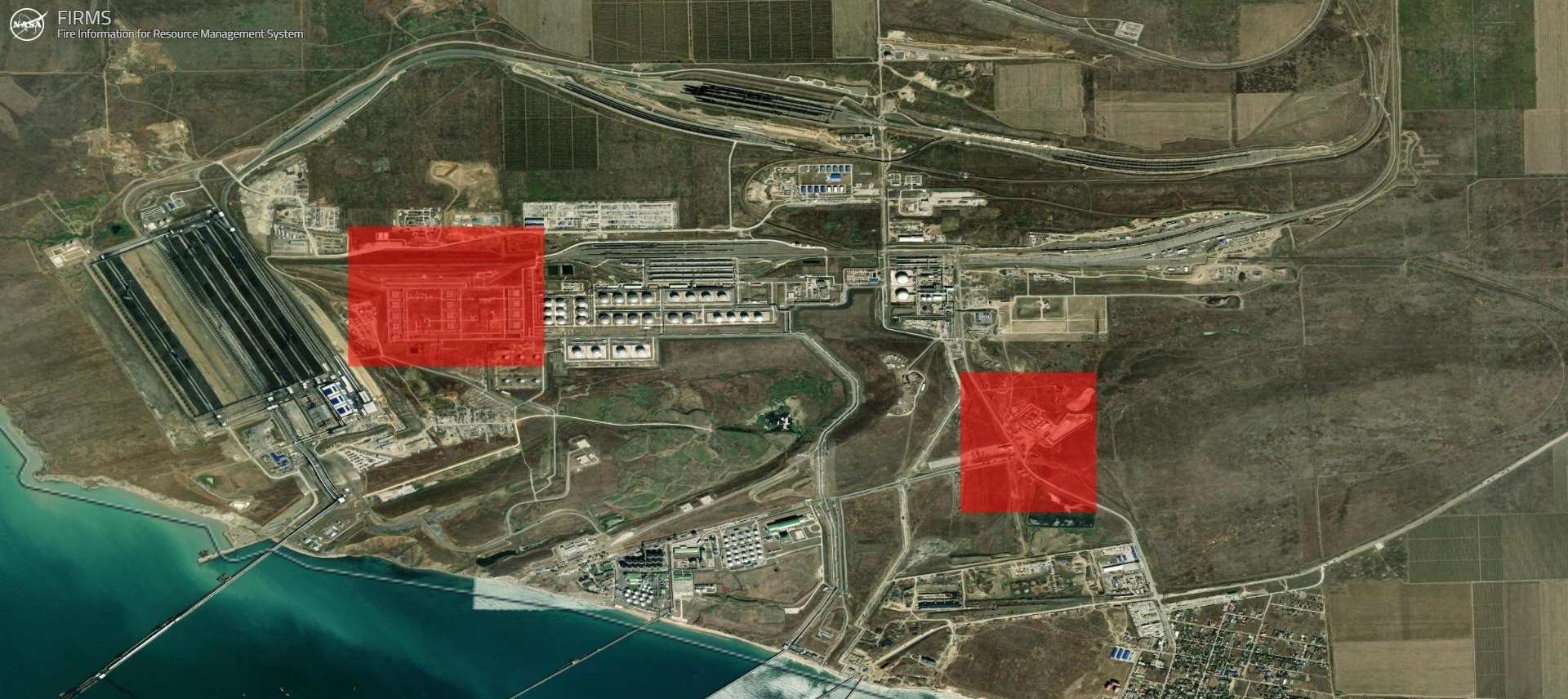
New reporting details a very large Russian drone wave with widespread impacts in Kyiv and Kharkiv and NASA‑detected thermal activity on 14-15 June, reinforcing the prior assessment of sustained strike tempo. Ukraine’s deep‑strike campaign is further evidenced at Temryuk and across multiple Russian industrial sites, plus strikes on bridges into Crimea and reported logistics disruption near Armyansk and in Sevastopol. Ground situation clarity has decreased since the prior brief: one credible source recorded no advances on 13 June, while other claims cite Ukrainian recapture of Ternovate, Russian gains near Kupiansk, and mounting pressure at Kostyantynivka; confidence on net front‑line changes is therefore lowered. This is an initial assessment of these specific developments within the current weekly window.
Key judgments
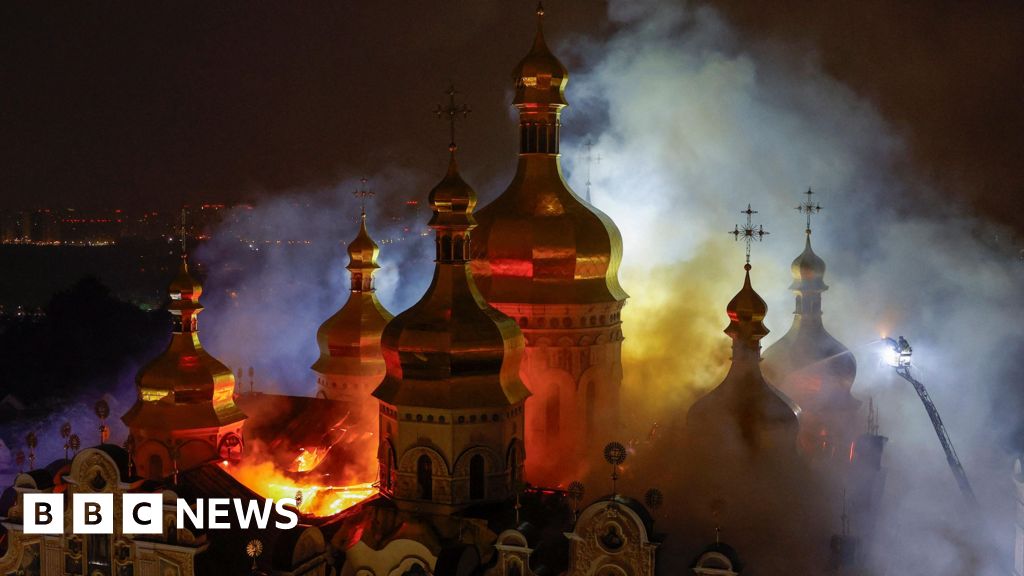
- Russia very likely sustained a high‑tempo long‑range strike campaign across Ukraine into mid‑June, including mass overnight drone attacks, lethal strikes in Kyiv and Kharkiv, widespread power disruption in the capital, and damage to Kyiv’s Dormition Cathedral; satellite thermal detections in Ukraine on 14‑15 June are consistent with ongoing strike‑induced fires. (Confidence: high · REPORTED)
- I&W: Ukraine’s Air Force reports another single‑night interception tally above 100 Shahed‑type drones. (0-14 days)
- I&W: FIRMS 2‑day thermal detections across Ukraine fall and hold below 20 for consecutive windows. (1-3 months)
- Ukraine likely sustained a coordinated deep‑strike campaign against Russian port, fuel and industrial nodes, including the Tamanneftegaz terminal at Temryuk with one killed and three injured, multiple industrial and energy facilities across Russia, and bridges linking occupied Kherson to Crimea; a Ukrainian strike package reportedly hit roughly 50 Russian cargo vehicles on the Armyansk route and Sevastopol authorities cited disrupted fuel QR‑code issuance as fuel trucks failed to arrive. (Confidence: medium · REPORTED)
- I&W: Verified fires or shutdowns at Russian refineries or oil terminals in Krasnodar Krai, Samara or Tatarstan following UAV or missile impacts. (0-14 days)
- I&W: Occupation authorities in Sevastopol announce resumption of fuel QR‑code issuance alongside publicised fuel truck arrivals. (0-14 days)
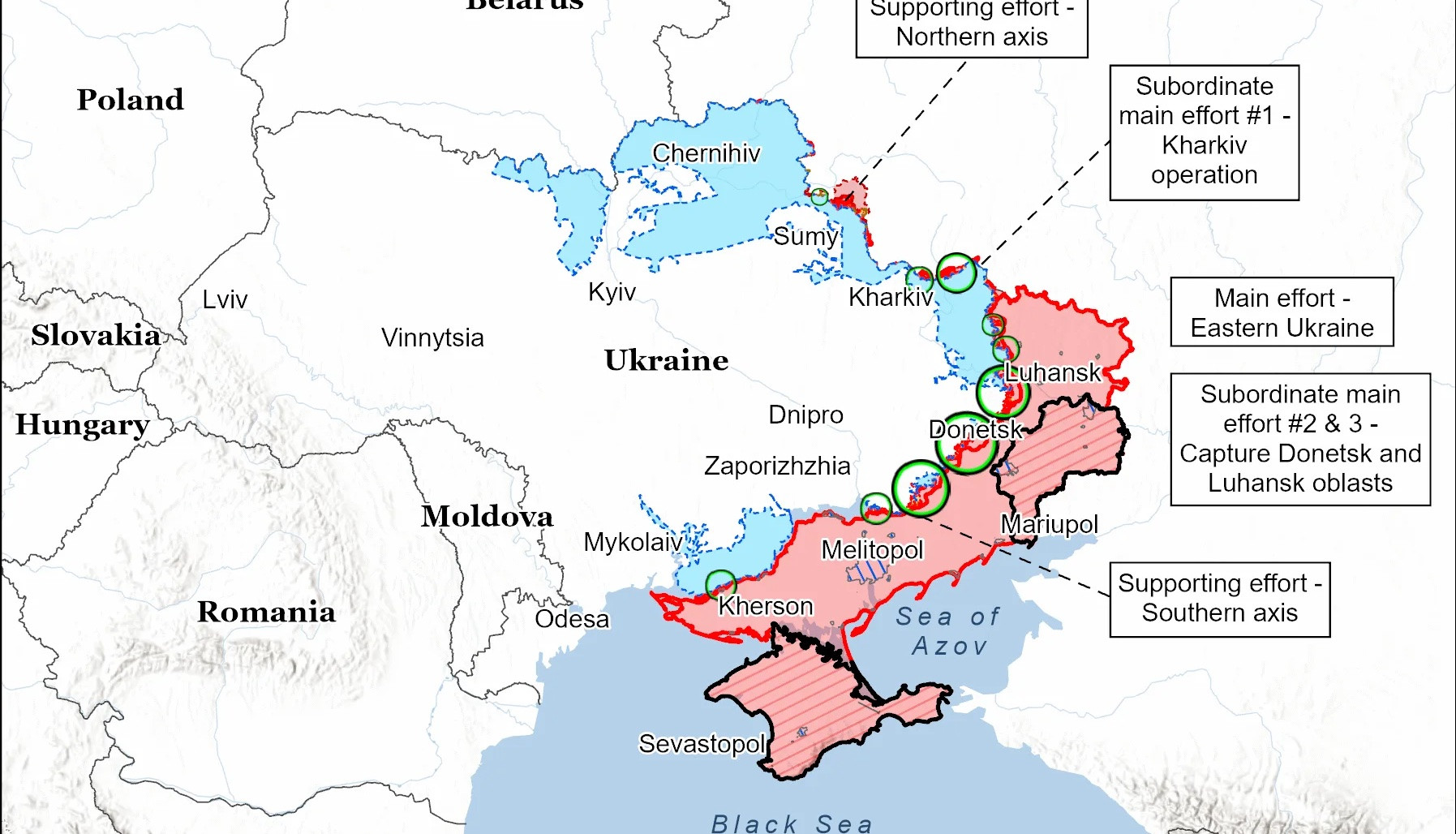
- There is a roughly even chance that the front line has seen no material net change since 13 June, given contradictory reports that day of no advances, Ukrainian recapture of Ternovate, Russian pushes near Kupiansk, Myrnohrad and Vovchansk, and claims that Kostyantynivka is close to falling. (Confidence: low · ASSESSED)
- I&W: Official daily communiqués or reputable mapping confirm transfer of control of named settlements on the Kupiansk, Vovchansk or Kostyantynivka axes. (0-14 days)
- I&W: Multiple credible outlets corroborate a full week with no settlement control changes along these axes. (0-14 days)
- Ukrainian interdiction of Crimea’s ground lines of communication is likely to impose growing logistical strain on Russian forces in southern Ukraine over the next 1-3 months if strikes on the Chonhar and Perekop corridors and Armyansk route persist. (Confidence: medium · ASSESSED)
- I&W: Additional verified damage or closures to the Perekop, Armyansk or Chonhar crossings and reports of rationing or movement restrictions in Crimea. (1-3 months)
- I&W: Occupation authorities report normalised overland fuel flows into Sevastopol with no further QR‑code disruptions. (1-3 months)
Outlook & scenarios
Strike, counter‑strike cycle continues at high tempo (70%)
Russian forces sustain large mixed salvos across multiple Ukrainian regions while air defences intercept most drones; further civilian fatalities, damage to historic sites and power outages occur in Kyiv and other cities. This aligns with mass drone launches, high interception counts and widespread attack reporting in mid‑June.
Ukrainian deep‑strike interdiction widens (60%)
Ukraine expands attacks on Russian oil terminals, refineries and industrial nodes and continues to hit bridges and logistics near Crimea, forcing longer Russian resupply routes and periodic fuel distribution constraints in Crimea and Russia’s south.
Localised see‑sawing without decisive front shift (50%)
Conflicting reports of minor advances and counter‑advances persist around Kupiansk, Vovchansk, Kostyantynivka and sectors of Zaporizhzhia and southern Donetsk, but independently verified net territorial change remains limited over days to weeks.
Crimea logistics shock from major crossing disruption (25%)
A successful Ukrainian strike heavily damages a key Crimea land corridor, sharply degrading Russian sustenance of southern fronts for weeks, amplifying reported vehicle losses near Armyansk and previous bridge strikes. Fuel rationing and movement curbs in Crimea follow.
Recommendations
- Maintain a running ledger of Russian mass‑strike nights by collating Ukraine’s air defence tallies with FIRMS thermal detections and municipal damage reports to quantify strike tempo and effectiveness.
- Task routine open‑source checks on Temryuk, Armyansk, Perekop and Chonhar through commercial satellite imagery and local administrative statements to verify fresh damage, closures and traffic flows.
- Track Russian fuel distribution indicators in Crimea, including Sevastopol’s QR‑code issuance and reported fuel truck movements, to gauge the operational impact of Ukrainian interdiction on southern fronts.
- Treat front‑line control claims about Ternovate, Kupiansk, Vovchansk and Kostyantynivka as unconfirmed until geolocated visual evidence or official communiqués corroborate; maintain a watchlist of settlements for rapid adjudication.
- Exploit Russian regional governor statements and industrial incident reports to validate Ukrainian deep‑strike effects on refineries and storage sites, and cross‑reference with fire service deployments and shutdown notices.
- Monitor allied air posture changes such as Polish fighter scrambles and air‑defence alerts during major Russian salvos to assess regional spillover risk and airspace deconfliction needs.
Confidence & uncertainty
Overall confidence is medium. The sustained Russian strike activity and associated impacts are well supported by multiple major media reports, official statements and NASA FIRMS detections. The deep‑strike campaign into Russia is documented by several outlets but relies in part on Ukrainian sources and regional officials, warranting medium confidence. Ground control claims are inconsistent across sources, including social media and video channels with limited corroboration, which drives low confidence on recent front‑line movement.
Alternative analysis (red cell)
For the frontline situation, the available reporting is internally inconsistent; while some sources claim no movement (claim f70b7c6c), others report localized Ukrainian recaptures (86e6b41a) and Russian advances (37c894fe). A sober estimate is that fighting produced localized, sector‑level gains and losses rather than uniform stasis; resolving net change requires geolocated imagery and unit‑level reporting. Regarding Crimea interdiction, current incidents demonstrate capacity to harass lines of communication, but projecting growing systemic logistical strain over 1–3 months is premature without throughput and stockpile data because Russian mitigation (alternate routes, maritime resupply, reserves) could blunt effects.
Intelligence gaps
- [EEI 1.1 · UNCOVERED] Geotagged UAV/satellite imagery showing abandoned defensive positions or newly occupied settlements. Recommended collection: overhead imagery
- [EEI 1.2 · UNCOVERED] Confirmed movement of frontline ambulance evacuation routes beyond previous coordinates. Recommended collection: SIGINT/medical logistics
- [EEI 2.1 · UNCOVERED] Concentration of assault battalions (≥3 mechanized companies) within 15km of contact line. Recommended collection: SIGINT/UAV
- [EEI 2.2 · UNCOVERED] Unusual artillery stockpile buildup at forward depots exceeding 30-day consumption rates. Recommended collection: overhead imagery/logistics
- [EEI 3.1 · PARTIAL] Bridge structural damage assessments at 5 key Dnieper River crossings via multispectral imaging. Recommended collection: overhead imagery
- [EEI 3.2 · UNCOVERED] Rail traffic volume changes at Kryvyi Rih and Pokrovsk rail hubs compared to 7-day baseline. Recommended collection: commercial freight data
Cited sources
[1] Kyiv Post · ISW Russian Offensive Campaign Assessment, June 13, 2026 (C) · sha256:54a39523e52b [2] euronews.com · Ukraine and Russia trade strikes as Kyiv inches closer to EU (A) · sha256:a5e5a10886ff [3] BBC · Ukraine war: Russian strikes kill nine and historic Kyiv cathedral damaged (A) · sha256:84925c8b3780 [4] NASA · NASA FIRMS thermal detections — Ukraine (2d) (A) · sha256:f10bc84fb6a0 [5] Kyiv Post · Ukrainian Drones Strike Strategic Krasnodar Marine Terminals (B) · sha256:d73ab0c78e70 [6] nypost.com · Putin claims Ukraine can't stop him, as fire rages at major Russian oil terminal (B) · sha256:07ea99d25301 [7] dw.com · Ukraine strikes Russia's industrial facilities (A) · sha256:b2d25e1c90cb [8] understandingwar.org · Russian Offensive Campaign Assessment, June 11, 2026 (B) · sha256:2559952adb71 [9] Politik Real · Ukraine - Frontbericht - 14.06.26 - Ukrainer erobern Ternovate, Prijut gefallen, Krim prekär (B) · sha256:6f31033de6c4 [10] الحرب الثالثة · أوكرانيا توسع سيطرتها في زابوروجي وجنوب دونيتسك وروسيا تتقدم في كوبيانسك وميرنوهراد وفولشانسك (E) · sha256:6f1df6088ca4 [11] Horizonte de Guerra · Ukraine Launches Major Offensive as Russia Faces New Frontline Pressure (B) · sha256:9cb2496f6352
Source content hashes were computed at collection time; the cited text is preserved unmodified for the life of this product.
Red cell review: PARTIAL DISSENT
TLP:CLEAR