TLP:CLEAR · Disclosure is not limited.
Russia-Ukraine Front Line: Situation Report, 19 November 2026
Time window: Last 7 days · Audience: General analyst · Type: Situation report · DTG: 2026-11-19 07:17Z · Overall confidence: HIGH
BLUF
As of 19 November, reporting shows continued fighting but does not establish a Russian front-wide breakthrough. New developments include a reported rail suspension on the Crimean Bridge after a further attack, severe power cuts in Ukraine and a Putin-Trump meeting in Shenzhen; no ceasefire terms have been reported.
Executive summary
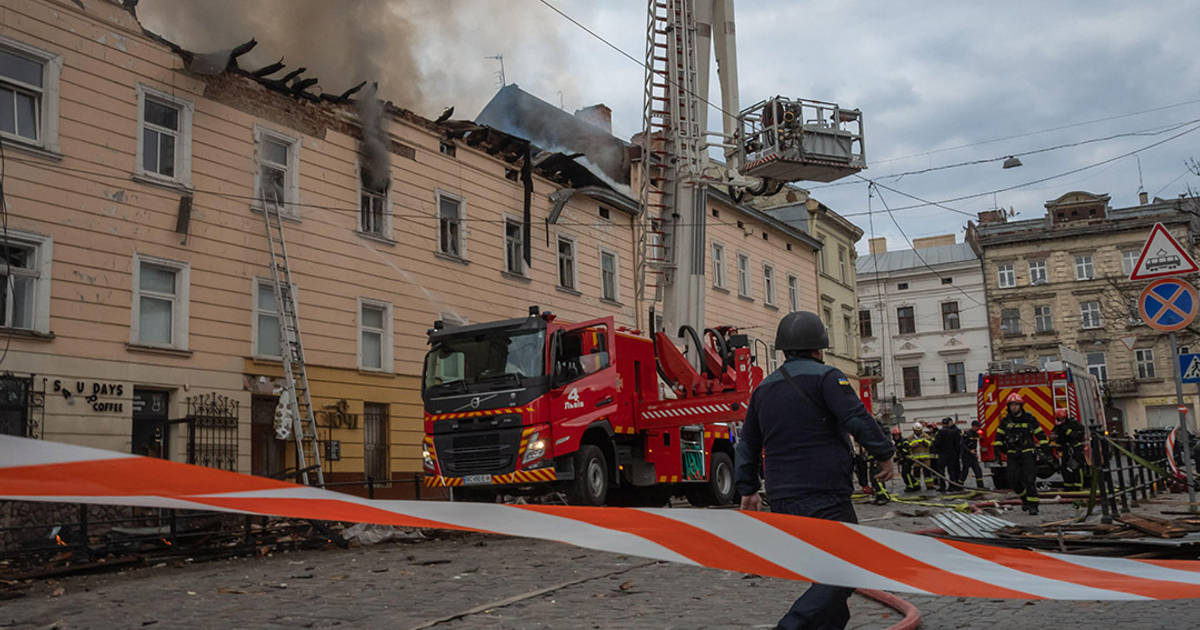
The front remains contested. Reporting describes Russian pressure around Dobropillia and Kostiantynivka, alongside Ukrainian operations near Lyman and an underground operation near Kupiansk. The scale and effect of these local actions remain uncertain. A reported Ukrainian strike on 17 November brought down a key road section of the Crimean Bridge. After a further reported attack on 19 November, Russian authorities said rail traffic was suspended and Grand Service Express reported delays to three Tavria trains; an earlier statement had said rail service was operating normally. Russian strikes killed at least four people in Odesa on 18 November and damaged Kyiv’s Northern and Southern bridges. Ukrainian government reporting describes outages of up to 22 hours in Kyiv and 16 hours in multiple regions. Vladimir Putin and Donald Trump met in Shenzhen on 19 November. The reported discussion included Ukraine, but no agreed ceasefire terms have been disclosed. The UK announced a £260 million package that includes more than 1,000 long-range strike drones, with no delivery schedule specified in the claims.
Change from previous assessment
Since the 18 November brief, reporting adds a further Crimean Bridge attack on 19 November and a Russian-reported rail suspension, with three Tavria trains reported delayed; the earlier claim of normal rail operations after the 16-17 November strikes therefore remains relevant but may describe an earlier status. New front-line reporting describes Operation Veles near Kupiansk and pressure around Dobropillia and Kostiantynivka, but does not establish a front-wide breakthrough. Putin and Trump have now reportedly met in Shenzhen, while no ceasefire terms have been reported. The latest reporting also specifies outages of up to 22 hours in Kyiv and adds the UK announcement of more than 1,000 long-range drones.
Key judgments
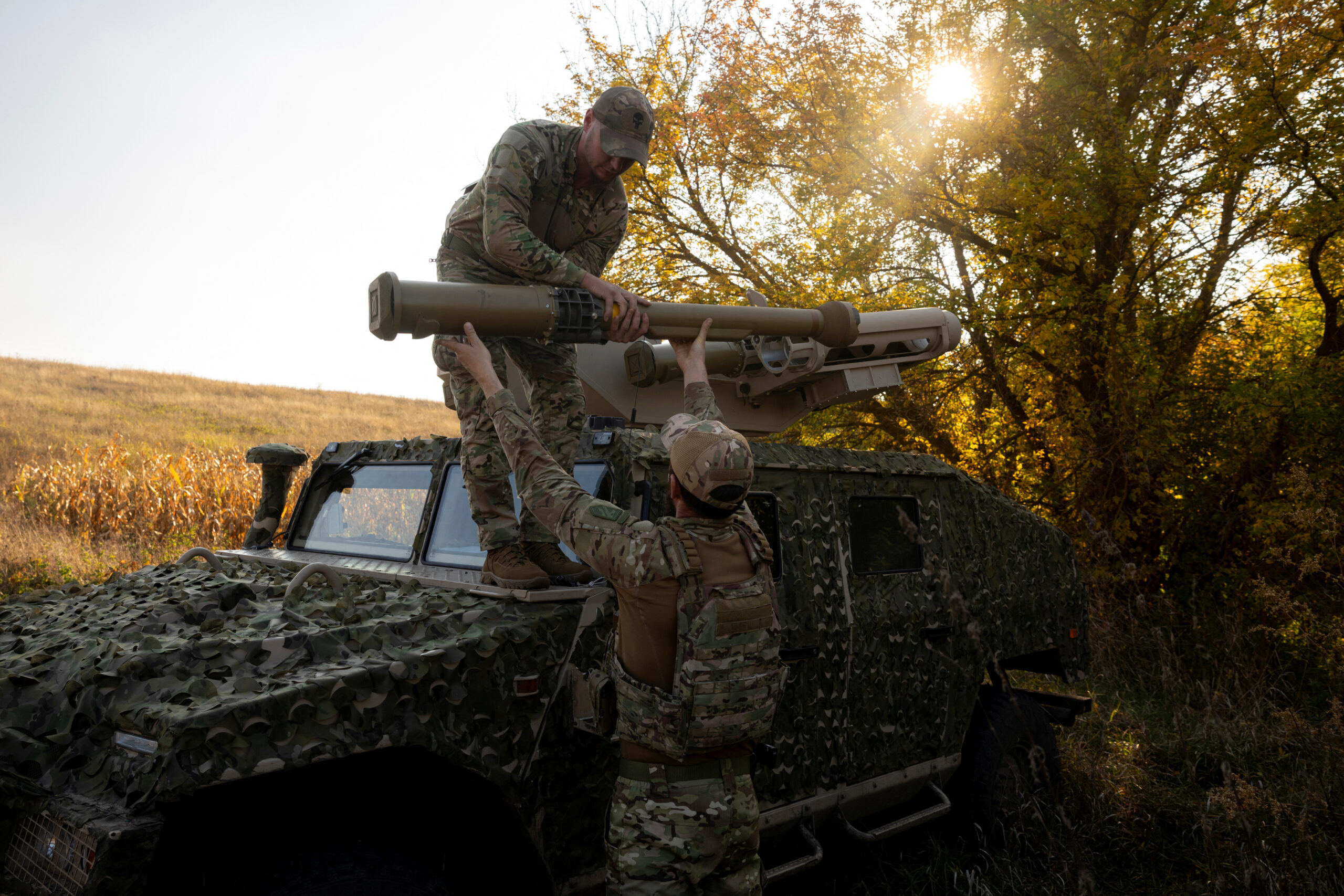
- Russian forces are likely to sustain pressure around Dobropillia and Kostiantynivka over the next 14 days, but the available reporting does not establish a front-wide breakthrough. Ukrainian reporting describes local counterattacks near Lyman and Operation Veles near Kupiansk, where the Khartiia Corps reportedly moved troops 15 kilometres through pipelines and tunnels and took more than 30 Russian prisoners. Confidence is medium: BBC reporting supports the pipeline fighting, while claims about Russian pressure and territorial changes rely partly on think-tank or social-media reporting and remain unverified. (Confidence: medium · ASSESSED)
- I&W: Geolocated reporting or independently corroborated mapping shows Russian forces entering Dobropillia or making sustained gains towards Kostiantynivka, confirming that pressure is translating into a larger advance. (0-14 days)
- I&W: Independent mapping shows no Russian territorial gain around Dobropillia or Kostiantynivka, while Ukrainian forces continue to hold their positions and report local counterattacks. (0-14 days)
- A short-term rail interruption on the Crimean Bridge after the reported 19 November attack is likely. Russian authorities said the overnight attack suspended rail traffic, and Grand Service Express reported delays to three Tavria trains bound for Crimea. This is distinct from the earlier Russian transport statement that rail service was operating normally after the 16-17 November strikes. Confidence is medium because the later account is carried by a low-reliability Russian state wire, while the train operator corroborates delays but not how long the suspension will last. (Confidence: medium · REPORTED)
- I&W: Grand Service Express continues to report cancellations or delays for Tavria trains using the bridge, confirming that the interruption persists. (0-14 days)
- I&W: Grand Service Express publishes schedules showing trains crossing the bridge without delay and Russian authorities report rail traffic resumed, breaking the assessment of a continuing interruption. (0-14 days)
- Severe power disruption in Ukraine is likely to continue through the winter. Ukrainian government reporting cites more than 2,000 attacks on energy infrastructure, outages of up to 22 hours in Kyiv and 16 hours in multiple regions; a think-tank assessment describes shortages of spares and interceptors and reduced infrastructure resilience. Confidence is medium: the outage figures and attack count are official Ukrainian reporting, while the forecast rests on a think-tank assessment and is not independently corroborated in the supplied reporting. (Confidence: medium · ASSESSED)
- I&W: Published outage schedules continue to show cuts of 16 hours or more in Kyiv or multiple regions, confirming sustained disruption. (0-14 days)
- I&W: Published schedules show outages below four hours per day for seven consecutive days in Kyiv and multiple regions, breaking the assessment of persistent severe disruption. (1-3 months)
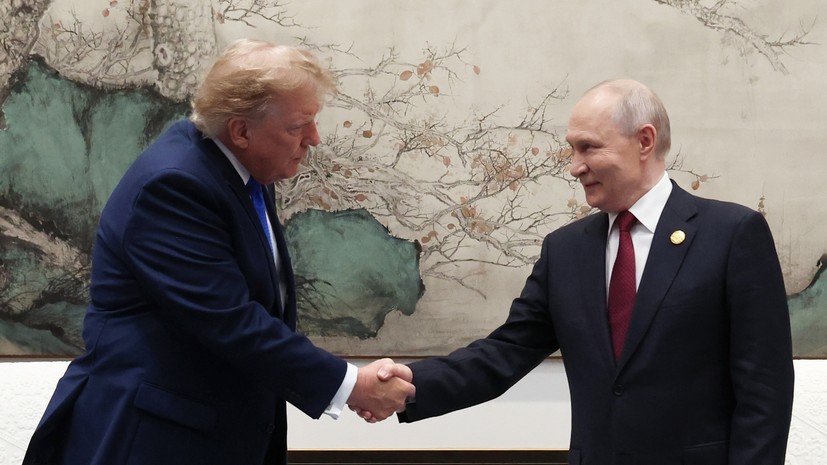
- A ceasefire agreement within the next 30 days is unlikely, despite the Putin-Trump meeting in Shenzhen and the reported resumption of US, Ukrainian and Russian talks in Abu Dhabi. Yuri Ushakov described the 35-40-minute meeting as preparatory and said Ukraine was discussed; reporting also says the Kremlin continues to reject an unconditional, comprehensive ceasefire and European participation in talks remains contested. Confidence is medium: the meeting and talks are reported by major media, but public accounts provide no negotiating text or specific concessions. (Confidence: medium · ASSESSED)
- I&W: Russia and Ukraine publicly accept written ceasefire terms or announce a negotiating framework with an agreed monitoring process, breaking the assessment. (0-30 days)
- I&W: The Kremlin again rejects an unconditional ceasefire while Russian strikes on Ukrainian towns and infrastructure continue, confirming the assessment. (0-30 days)
- The UK has announced a £260 million support package for Ukraine that includes more than 1,000 long-range strike drones, some reportedly capable of striking beyond 1,000 kilometres. The announcement is a commitment, not evidence that the systems have been delivered; the supplied reporting gives no delivery schedule. Confidence is medium because the package is described in an official UK government announcement, without independent confirmation of delivery or timing. (Confidence: medium · REPORTED)
- I&W: The UK publishes a delivery schedule or confirms the first transfer of the announced long-range drones to Ukraine. (1-3 months)
- I&W: The UK revises, delays or withdraws the announced drone allocation, breaking the expectation that the package will proceed as announced. (1-3 months)
Outlook & scenarios
Continued attritional fighting and infrastructure strikes (60%)
This is the likely course over the next month. Russian forces maintain pressure around Dobropillia and Kostiantynivka, while Ukrainian forces continue local actions near Lyman and Kupiansk. Russian strikes sustain pressure on Ukrainian energy and transport infrastructure, and diplomacy produces no ceasefire terms.
Localised front-line shifts without a front-wide breakthrough (25%)
Russian forces gain ground in one contested area, or Ukrainian operations recover limited territory near Lyman or Kupiansk, while the wider front remains contested. Conflicting reports from Dobropillia and the Kupiansk area make local changes more plausible than a verified front-wide shift.
A limited diplomatic opening (10%)
The Putin-Trump contact is followed by a further trilateral meeting or renewed Abu Dhabi talks that produce a limited ceasefire framework. This is unlikely: the reported Shenzhen meeting was described as preparatory, and reporting gives no agreed terms while the Kremlin continues to reject an unconditional ceasefire.
Wildcard: rapid Russian advance in Donbas (5%)
A rapid Russian advance around Dobropillia or Kostiantynivka creates a sharper front-line crisis than current reporting establishes. This is very unlikely on the supplied evidence, but would have high impact if independently confirmed because reporting already describes intensified Russian pressure in those directions.
Recommendations
- Track published Grand Service Express train schedules and Russian transport updates separately for road and rail service on the Crimean Bridge. Treat the 19 November rail suspension as a dated report until service status and the duration of delays are confirmed.
- Require geolocated or independently corroborated evidence before revising the front-line assessment around Dobropillia, Kostiantynivka, Lyman or Kupiansk. Separate reported local operations from claims of broader territorial change.
- Monitor published outage schedules and repair updates for Kyiv and other affected Ukrainian regions. Use sustained outage duration, rather than attack counts alone, to assess the near-term civilian and infrastructure impact.
- Distinguish leader contact from negotiated progress. Track public ceasefire terms, Russian and Ukrainian positions, and whether European representatives are included in any next round of talks.
- Treat the UK drone package as announced support rather than delivered capability until the UK publishes a schedule or confirms transfers to Ukraine.
Confidence & uncertainty
Overall confidence is high for the occurrence of the principal reported developments because major-media, wire-service and official reporting corroborate key events, including the Crimean Bridge attacks, the Shenzhen meeting, strikes in Odesa and the UK support announcement. Confidence is lower in battlefield territorial claims and in the duration of rail disruption: reporting on the front relies partly on parties to the war or think-tank assessments, and the bridge rail accounts differ across dates. The headline confidence reflects the event picture, not certainty about battlefield effects or diplomatic outcomes.
Intelligence gaps
- [EEI 1.1 · PARTIAL] Geotagged UAV/satellite imagery showing abandoned defensive positions or newly occupied settlements. Recommended collection: overhead imagery
- [EEI 1.2 · UNCOVERED] Confirmed movement of frontline ambulance evacuation routes beyond previous coordinates. Recommended collection: SIGINT/medical logistics
- [EEI 2.1 · UNCOVERED] Concentration of assault battalions (≥3 mechanized companies) within 15km of contact line. Recommended collection: SIGINT/UAV
- [EEI 2.2 · UNCOVERED] Unusual artillery stockpile buildup at forward depots exceeding 30-day consumption rates. Recommended collection: overhead imagery/logistics
- [EEI 3.1 · PARTIAL] Bridge structural damage assessments at 5 key Dnieper River crossings via multispectral imaging. Recommended collection: overhead imagery
- [EEI 3.2 · UNCOVERED] Rail traffic volume changes at Kryvyi Rih and Pokrovsk rail hubs compared to 7-day baseline. Recommended collection: commercial freight data
Red cell review: CONCUR WITH COMMENT
TLP:CLEAR