TLP:CLEAR · Disclosure is not limited.
Russia-Ukraine Front Line: Strike Duel Intensifies as SBU Opens 40-day Pressure Campaign; Crimea Isolation Deepens; Moscow, Volgograd Hit
Time window: Last 7 days · Audience: General analyst · Type: Situation report · DTG: 2026-06-27 07:14Z · Overall confidence: HIGH
BLUF
Ukraine has very likely opened a coordinated 40-day pressure campaign led by the SBU, escalating deep strikes from Kerch to the Moscow region and likely hitting a defence enterprise in Volgograd, while Russia almost certainly mounted a mass drone barrage against Ukraine on 26 June. Crimea is very likely being isolated operationally, with power cuts in Sevastopol and ferry disruptions, as front-line fighting around Kostyantynivka remains slow and attritional.
Executive summary
During 20-27 June, the conflict featured parallel long-range strike surges and grinding ground combat. Kyiv approved a 40‑day SBU-led operation and immediately struck Kerch naval and air-defence sites, amid one of its largest drone assaults into Russia in the war. Moscow faced repeated refinery hits and, overnight on 27 June, a likely Ukrainian Flamingo missile strike damaged a Volgograd defence enterprise and injured 10. Russia almost certainly launched a mass drone attack on 26 June, with Ukraine reporting 174 of 189 drones downed and contested casualty reports out of Kharkiv. In Crimea, power was cut in Sevastopol and Ukraine’s navy claimed ferry strikes as retail fuel reportedly vanished, pointing to tightening isolation. Around Kostyantynivka in Donetsk, Russia is still inching forward on the flanks at a very slow pace amid contested control. Satellite thermal detections corroborate widespread heat signatures but do not determine causation.
Change from previous assessment
New since the prior brief: Kyiv formally approved a 40‑day SBU-led pressure campaign and struck Kerch naval and air-defence targets on 26 June; Ukraine launched one of its largest multi-region drone assaults into Russia; Russia almost certainly conducted a mass overnight drone barrage on 26 June that Ukraine reports intercepting at scale; Sevastopol suffered power outages and reports indicate Crimea retail fuel scarcity; overnight on 27 June a likely Ukrainian strike damaged a Volgograd defence enterprise and injured 10. We maintain the judgment that Crimea is being isolated and that Russian air defences are likely being prioritised around Moscow and key crossings, noting continued inconsistency in Russian drone-downing claims. Initial assessment of this topic’s latest 20-27 June developments is consolidated here.
Key judgments
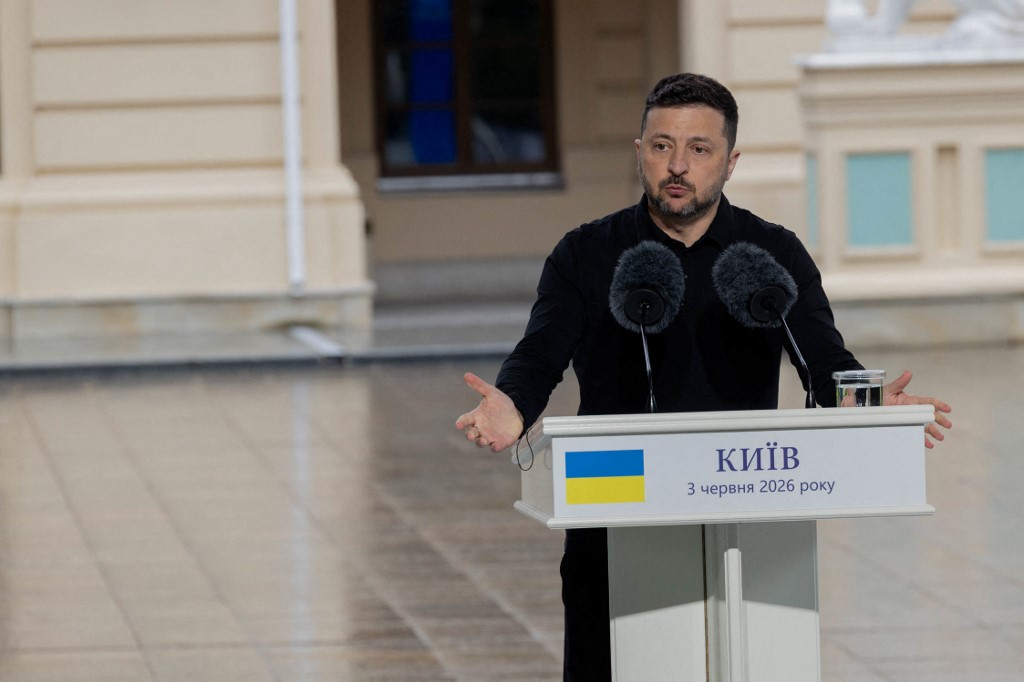
- Ukraine very likely initiated a coordinated 40-day SBU-led pressure campaign, reflected in strikes on Kerch naval and air-defence targets on 26 June and a major multi-region drone assault the same night. (Confidence: high · ASSESSED)
- I&W: Further SBU-attributed strikes against high-value targets inside Russia or occupied territory documented by official statements or credible geolocated evidence. (0-14 days)
- I&W: A sustained lull in long-range Ukrainian strikes inconsistent with an active 40-day operation. (0-14 days)
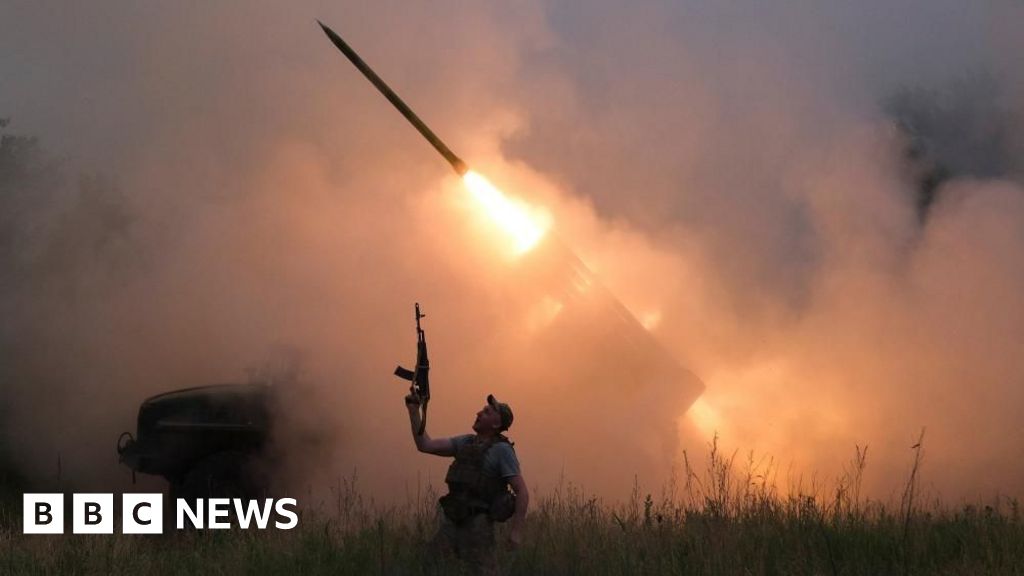
- Russia almost certainly launched a mass drone attack on 26 June, with Ukraine reporting its air defences downed 174 of 189 Shahed-type drones. (Confidence: medium · REPORTED)
- I&W: Physical debris recovery and air-defence engagement records from multiple Ukrainian oblasts consistent with the reported scale. (0-14 days)
- I&W: Authoritative correction substantially reducing the 189-drone launch count. (0-14 days)
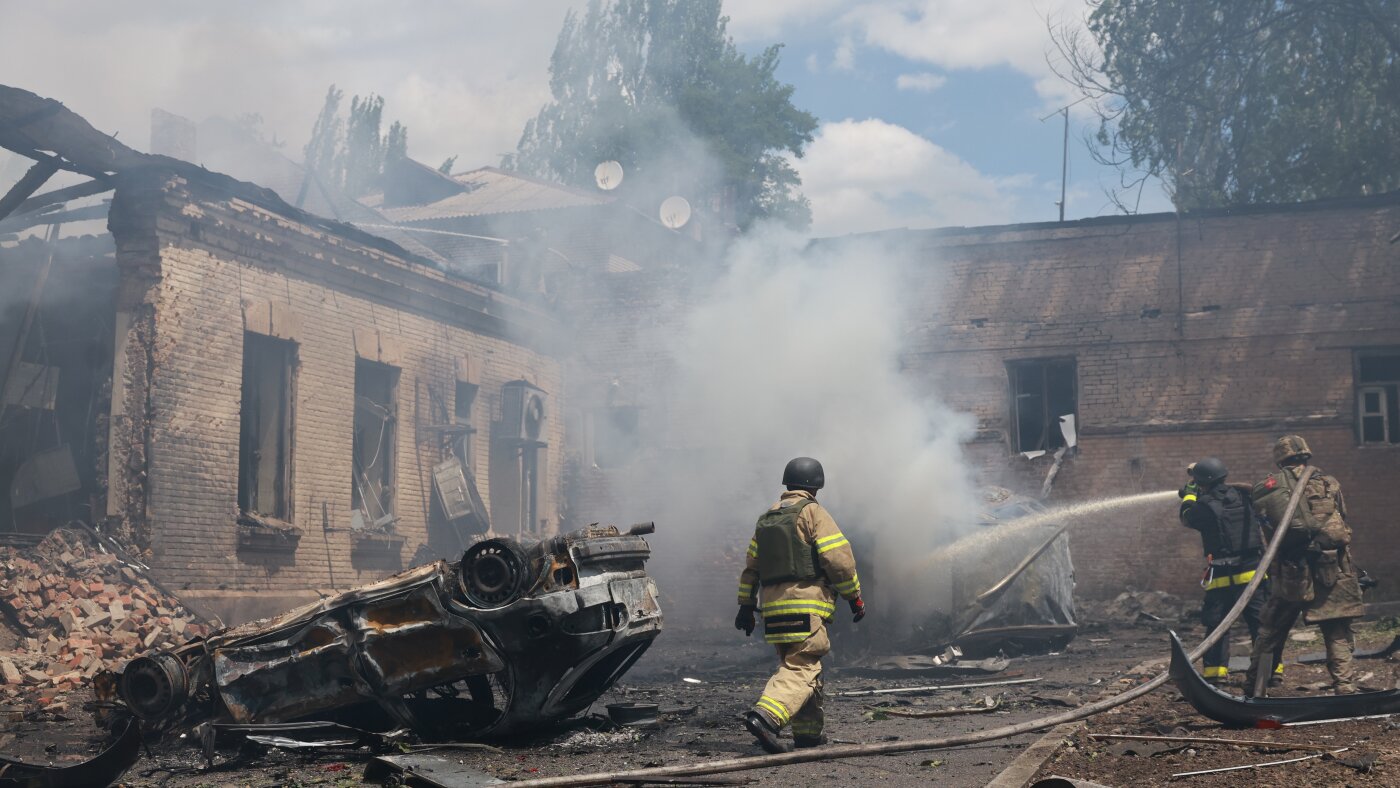
- Civilian harm likely increased in the Kharkiv region on 26 June, with reporting ranging between two and three killed and seven to 29 wounded during Russian attacks. (Confidence: medium · REPORTED)
- I&W: Consolidated casualty report from Kharkiv oblast authorities aligning disparate tallies. (0-14 days)
- I&W: Official revision substantially lowering reported fatalities and injuries for 26 June. (0-14 days)
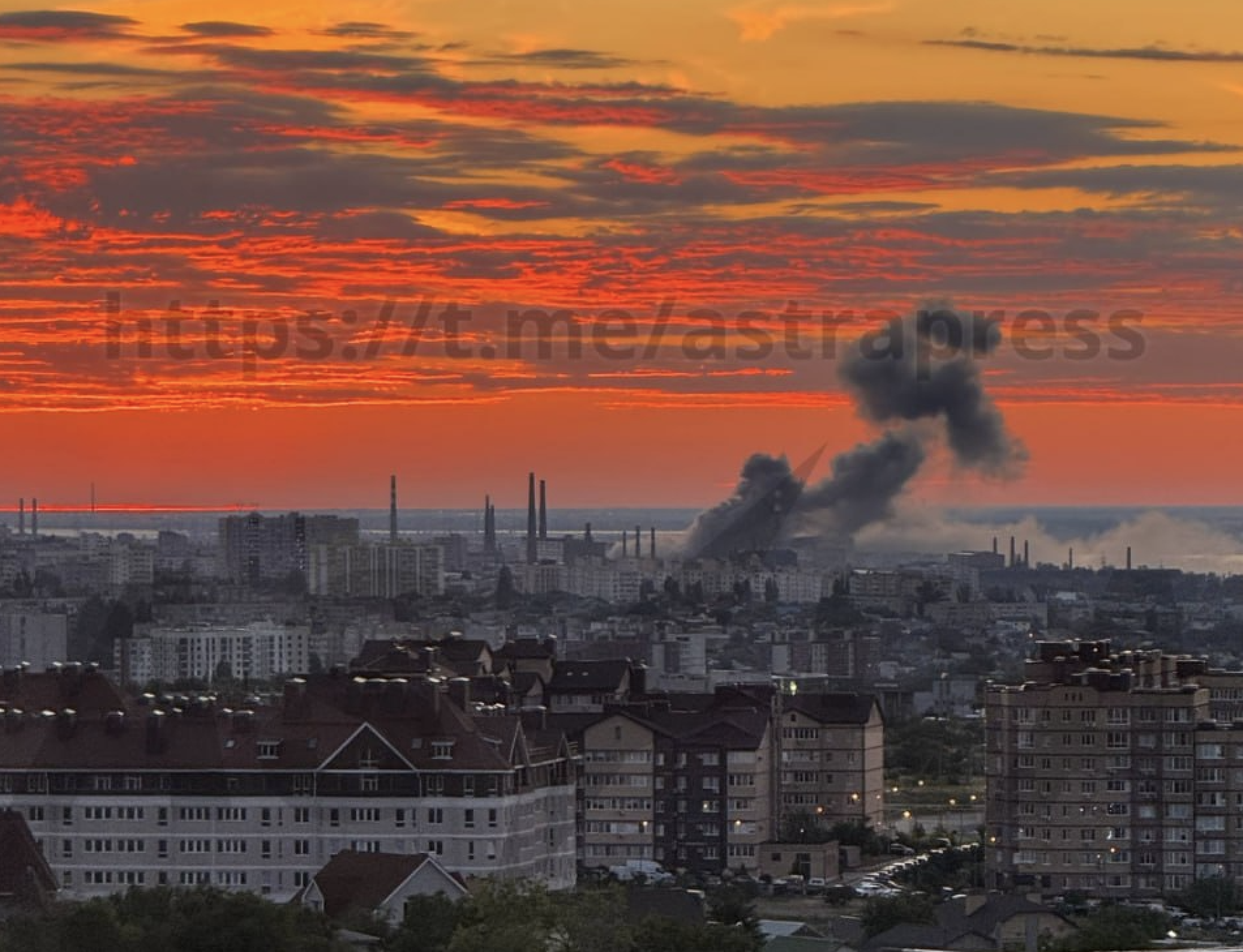
- Ukraine very likely intensified deep strikes on Russian energy and defence industry in late June, including repeated hits that shut the Moscow oil refinery and a likely Flamingo missile strike damaging Volgograd’s Titan‑Barrikady enterprise and injuring 10 on 27 June. (Confidence: medium · ASSESSED)
- I&W: Independent satellite or ground imagery confirming structural damage at Titan‑Barrikady facilities in Volgograd. (0-14 days)
- I&W: Russian publication of verifiable imagery showing only minor debris damage at Volgograd industrial sites. (0-14 days)
- Crimea is very likely being operationally isolated as Ukrainian actions knocked out power in Sevastopol on 24 June and targeted ferries used for Russian military logistics, alongside reports of no retail fuel for sale on the peninsula. (Confidence: high · REPORTED)
- I&W: Recurring grid failures in Sevastopol or additional ferry outages documented by occupation authorities and local channels. (0-14 days)
- I&W: Sustained restoration of ferry schedules and widespread availability of retail fuel across major Crimean cities. (0-14 days)
- Russian air defence coverage is likely being prioritised around Moscow and the Kerch Bridge as Ukrainian attacks on the capital region mount, but Russian drone-downing totals remain inconsistent. (Confidence: medium · ASSESSED)
- I&W: Open-source identification of new air-defence batteries or radars deployed near Moscow or the Kerch Strait corridor. (1-3 months)
- I&W: Russian reporting converges on lower, consistent drone intercept figures while independent footage shows reduced inbound attack volume. (0-14 days)
- Front-line dynamics around Kostyantynivka in Donetsk very likely remain attritional, with Russia inching forward on the flanks amid contested control and very slow daily movement. (Confidence: medium · ASSESSED)
- I&W: Verified geolocated evidence of further Russian advances severing or cutting Ukrainian supply routes into Kostyantynivka. (1-3 months)
- I&W: Geolocated Ukrainian counterattacks retaking blocks on the city’s eastern side. (0-14 days)
- NASA thermal detections almost certainly recorded widespread heat sources over Ukraine on 26-27 June that can corroborate activity clusters but, on their own, do not prove strikes or attribution. (Confidence: high · REPORTED)
- I&W: Independent visual evidence geolocated to clusters of recent FIRMS detections in strike-reported areas. (0-14 days)
- I&W: Major hotspot clusters lack any corroborating ground reports or imagery. (0-14 days)
- A new northern axis from Belarus is unlikely in the near term given no detected Russian force buildup near the border, despite reporting of Russian site expansion deeper inside Belarus. (Confidence: medium · ASSESSED)
- I&W: Continued absence of large-scale troop, armour, and logistics staging within Belarusian border districts observable via rail and road movements. (1-3 months)
- I&W: Geolocated battalion tactical group deployments or new forward logistics hubs near the Belarus, Ukraine frontier. (0-14 days)
Outlook & scenarios
Strike duel persists and escalates (65%)
Ukraine sustains deep strikes under the SBU’s 40‑day plan, from Crimea’s logistics to Russia’s energy and defence nodes, while Russia continues large drone barrages. Expect further outages in Crimea and additional Ukrainian attempts on Moscow-region infrastructure, alongside continued Russian claims of high interception counts.
Slow Russian gains around Kostyantynivka (50%)
Russian forces keep pressing the flanks with very slow daily movement and attempts to cut supply routes, while Ukrainian units conduct local counterattacks. The city remains contested without a rapid collapse, and attrition dominates.
Crimea isolation deepens (55%)
Further ferry disruption, fuel scarcity, and rolling power cuts in Crimea erode Russian logistics and civilian resilience. Ukrainian naval and aerial strikes continue to target crossings and energy nodes supporting the peninsula.
Wildcard: major defence-industrial loss inside Russia (20%)
Definitive confirmation of substantial damage at a facility such as Titan‑Barrikady triggers additional Russian air-defence reprioritisation and potential retaliatory target sets against Ukrainian decision-making or energy infrastructure, raising escalation risks.
Recommendations
- Task structured collection to track outputs of the SBU 40‑day campaign: catalogue claimed SBU operations and corroborate with geolocated impact imagery and satellite data.
- Prioritise verification of the Volgograd strike: acquire and analyse satellite passes and ground imagery around Titan‑Barrikady for damage assessment and production impact.
- Maintain a Crimea logistics watch: monitor ferry movements, port operations, retail fuel availability, and grid stability in Sevastopol and other major urban centres.
- Correlate NASA FIRMS thermal hotspots with time‑stamped strike reports and imagery to separate combat activity from industrial or wildfire sources.
- Standardise casualty reconciliation for Kharkiv: build a daily ledger comparing oblast reports, national statements, and hospital admissions to resolve divergent tallies.
- Track Russian air-defence posture: map recent system deployments and radar activations around Moscow and the Kerch Strait using OSINT imagery and RF emissions where available.
- Sustain front-line geolocation around Kostyantynivka: monitor road cuts, trench line shifts, and encirclement indicators, focusing on supply routes into the city.
- Maintain Belarus early-warning: monitor rail logistics, staging areas, and unit presence near Gomel and Brest to detect any shift toward a northern axis.
Confidence & uncertainty
Overall confidence is high because multiple independent and generally reliable sources corroborate the core picture. Ukrainian and Russian official statements and major-media reporting align on the timing and scale of the 26 June strike exchanges, with Ukrainian air-defence tallies, Moscow-region refinery impacts, and Kerch strikes cross-referenced by open-source reporting. NASA thermal detections independently validate widespread heat signatures in the same window. Some elements remain less certain, including casualty counts in Kharkiv and the precise nature of damage in Volgograd, which rest partly on single-side claims or await visual confirmation. Divergent Russian drone-intercept totals also introduce uncertainty, reflected in medium-confidence assessments where appropriate.
Alternative analysis (red cell)
Several high‑confidence judgments depend on a narrow set of co‑sourced reports and contain inconsistent numeric tallies, permitting alternative interpretations. Where single‑origin reporting or lower‑reliability claims underpin strong conclusions, the evidence supports treating events as episodic tactical operations plus information messaging rather than definitive proof of campaign‑level intent or precise outcomes. Independent ISR (satellite, radar tracks), unit engagement logs, and third‑party forensic/medical data would materially improve discrimination between competing hypotheses.
Intelligence gaps
- [EEI 1.1 · UNCOVERED] Geotagged UAV/satellite imagery showing abandoned defensive positions or newly occupied settlements. Recommended collection: overhead imagery
- [EEI 1.2 · UNCOVERED] Confirmed movement of frontline ambulance evacuation routes beyond previous coordinates. Recommended collection: SIGINT/medical logistics
- [EEI 2.1 · PARTIAL] Concentration of assault battalions (≥3 mechanized companies) within 15km of contact line. Recommended collection: SIGINT/UAV
- [EEI 2.2 · UNCOVERED] Unusual artillery stockpile buildup at forward depots exceeding 30-day consumption rates. Recommended collection: overhead imagery/logistics
- [EEI 3.1 · UNCOVERED] Bridge structural damage assessments at 5 key Dnieper River crossings via multispectral imaging. Recommended collection: overhead imagery
- [EEI 3.2 · UNCOVERED] Rail traffic volume changes at Kryvyi Rih and Pokrovsk rail hubs compared to 7-day baseline. Recommended collection: commercial freight data
Cited sources
[1] kyivindependent.com · Ukraine's SBU to wage 40-day pressure campaign against Russia, Zelensky says (A) · sha256:797e8442d8d2 [2] npr.org · Ukraine unleashes one of its heaviest drone bombardments, as Russia strikes Ukraine (A) · sha256:a19502a1c66c [3] NPR · Ukraine unleashes one of its heaviest drone bombardments, as Russia strikes Ukraine (A) · sha256:92abf5cab8bd [4] Kyiv Post · Zelensky Says Ukraine Strikes Are Response to Russian Attacks (A) · sha256:d28505605ba0 [5] gcaptain.com · Drone Strike on Ever Lovely Exposes the Fiction of a Free Strait (B) · sha256:d7e3a25c7c0a [6] BBC News · Ukraine War | Latest News & Updates| BBC News (A) · sha256:148e00843900 [7] kyivindependent.com · Ukraine's Flamingo missiles reportedly strike key Russian military plant in Volgograd (B) · sha256:2ae1f0cdcf84 [8] CNN · Russia is still inching forward in eastern Ukraine, but experts say claims of progress are exaggerated | CNN (A) · sha256:9862b1815a06 [9] bbc.com · Moscow oil refinery attack brings Russia's war with Ukraine closer to home (A) · sha256:9a0d80d3757b [10] BBC · Russia Ukraine war: Troop build-up threatens Kostyantynivka, key to seizing Donbas (A) · sha256:9c7328d41eab [11] NASA · NASA FIRMS thermal detections — Ukraine (2d) (A) · sha256:bb07f8e34b9d
Source content hashes were computed at collection time; the cited text is preserved unmodified for the life of this product.
Red cell review: PARTIAL DISSENT — KJ-2 downgraded HIGH→MEDIUM (kj_thin)
TLP:CLEAR