TLP:CLEAR · Disclosure is not limited.
Russia-Ukraine Front Line: Strike Exchange Intensifies, Ground Picture Unsettled
Time window: Last 7 days · Audience: General analyst · Type: Situation report · DTG: 2026-08-28 07:08Z · Overall confidence: HIGH
BLUF
Russia's 27 August 2026 strike hit nine Ukrainian cities, including Kyiv, Odesa, Poltava, Kherson and Kryvyi Rih, while Ukraine reported strikes on 16 sites inside Russia, including a Lukoil refinery at Kstovo. Russian forces retain pressure near Sloviansk and Kostiantynivka, but conflicting claims leave the prospect of a decisive breakthrough low.
Executive summary
The reporting period shows a reciprocal long-range strike campaign alongside contested ground operations in Donetsk and other sectors. Russian forces struck urban, industrial, energy, port and logistics infrastructure across Ukraine on 27 August, while Ukrainian forces reported attacks on Russian oil, logistics and e-commerce facilities. Russian forces are reported within four kilometres of Sloviansk and pressing Kostiantynivka, but other reporting describes Ukrainian advances and control of three towns. The evidence set mixes 2026 reporting with records dated 2023 and 2022, so those older records should not be used to establish the current front line.
Change from previous assessment
Since the 27 August prior brief, confidence in the continuing strike exchange has increased because the latest reporting provides a more detailed and corroborated account of Russia's nine-city attack and Ukraine's reported strikes on 16 Russian sites. The assessment now names Kstovo and Ozon facilities as recurring Ukrainian target types and adds a specific judgement on rail, energy and port-linked disruption. The ground assessment is unchanged in substance: a decisive breakthrough remains unlikely and local gains remain roughly even, but confidence remains low because territorial reporting is contradictory and the evidence set contains mixed-date records.
Key judgments
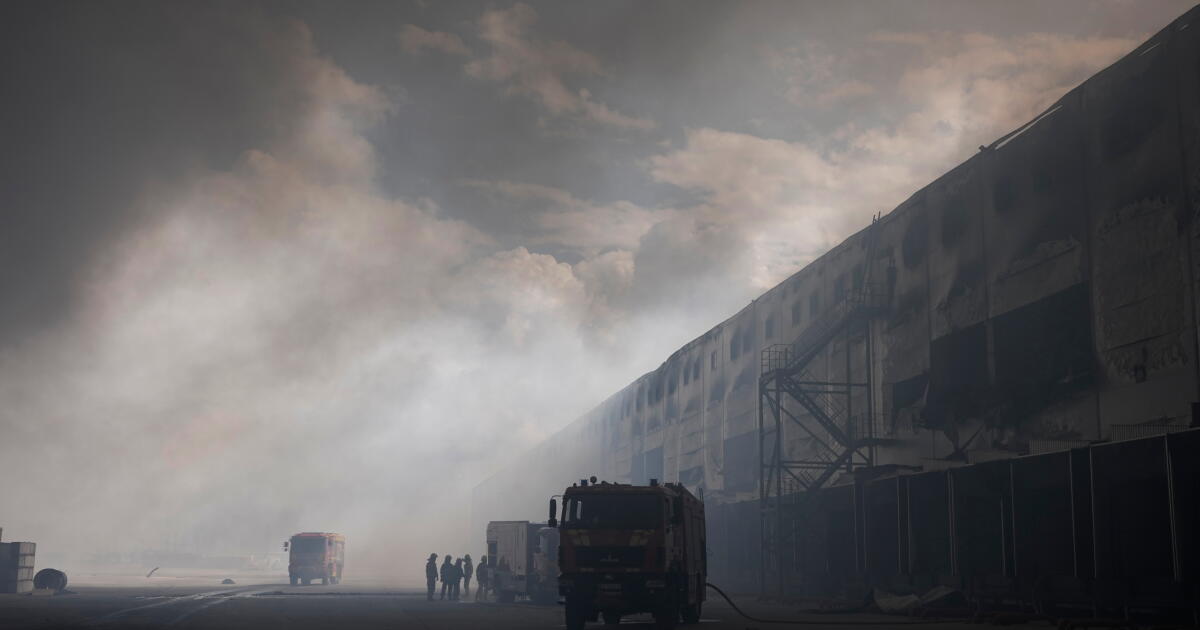
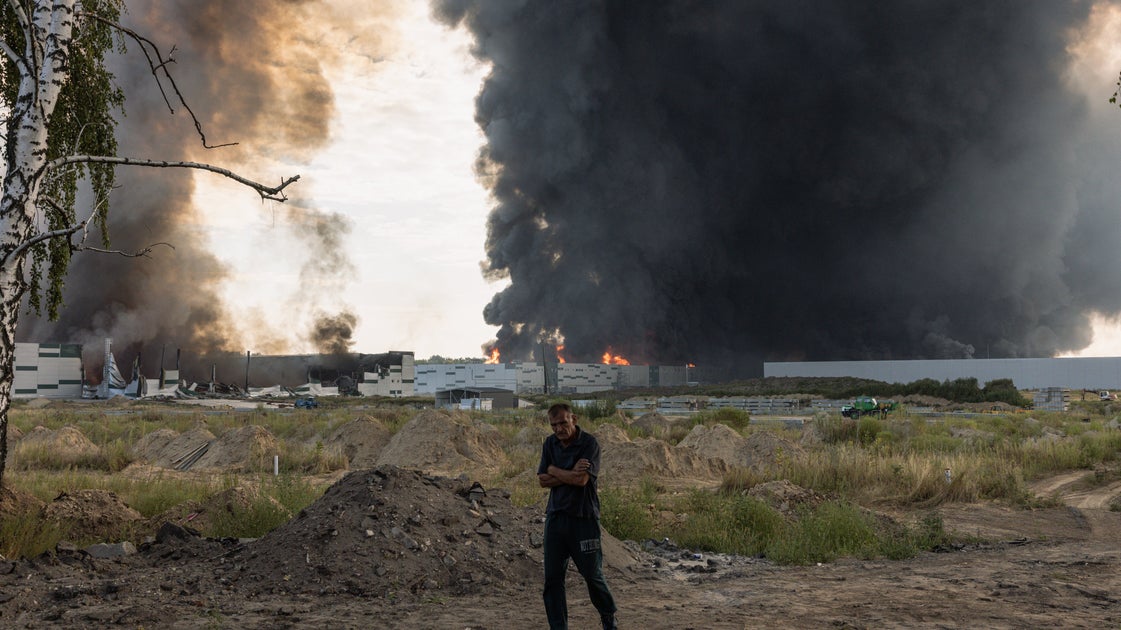
- Russian forces are very likely to continue missile and drone strikes against Ukrainian urban, energy, industrial and port infrastructure over the next 1-3 months. The 27 August 2026 attack affected nine Ukrainian cities, damaged residential, educational and medical facilities in Kyiv, a residential building and grain elevator in Odesa, industrial and energy sites in Poltava, a heat and power plant in Kherson, and an industrial facility in Kryvyi Rih. Reporting that Russia is preparing to intensify infrastructure attacks after peace negotiations reached a dead end supports continuation of the campaign. Confidence is high because multiple major-media reports and official statements corroborate the strike pattern, although individual target attribution and damage assessments remain partly dependent on local reporting. (Confidence: high · ASSESSED)
- I&W: Confirm: Russian missile or drone strikes again hit at least two Ukrainian target categories, including energy, industrial, port or urban infrastructure, within the next 14 days. (0-14 days)
- I&W: Break: no confirmed Russian missile or drone strike against Ukrainian urban, energy, industrial or port infrastructure occurs for 14 consecutive days. (0-14 days)
- Ukrainian forces are likely to continue long-range strikes inside Russia, with oil, logistics and e-commerce infrastructure remaining exposed over the next 1-3 months. Ukraine reported attacks on 16 Russian sites, including the Lukoil refinery at Kstovo, while Ukrainian drones targeted Ozon logistics facilities in Ufa and other Ozon sites. Confidence is medium because the continuation pattern is supported by several reports, but the scale of damage and effect on Russian fuel availability are not independently established. (Confidence: medium · ASSESSED)
- I&W: Confirm: Ukrainian forces report, or geolocated imagery shows, damage at two additional Russian oil, logistics or e-commerce facilities. (0-30 days)
- I&W: Break: no confirmed Ukrainian long-range strike inside Russia is reported for 30 consecutive days. (0-30 days)
- A decisive operational breakthrough by either side is unlikely over the next 1-3 months, while further local gains by Russian or Ukrainian forces have a roughly even chance. Russian forces are reported within four kilometres of Sloviansk, pressing Kostiantynivka, infiltrating around that city and attacking the northern and southern tips of the Donetsk Fortress Belt. Competing reports describe Russian gains in Sumy and Zaporizhzhia, Ukrainian control of three towns, and Ukrainian advances towards Dobropillia and Kupiansk. This remains a low-confidence assessment because the territorial claims conflict, several are single-source or social-media reports, and the reporting set contains unresolved date contamination. (Confidence: low · ASSESSED)
- I&W: Confirm: no side establishes sustained control of Sloviansk or Kostiantynivka, while reports continue to show only incremental changes around Sloviansk, Kostiantynivka, Dobropillia or Kupiansk. (1-3 months)
- I&W: Break: two reliable reports supported by geolocated imagery confirm that Russian or Ukrainian forces have established sustained control of Sloviansk or Kostiantynivka. (1-3 months)
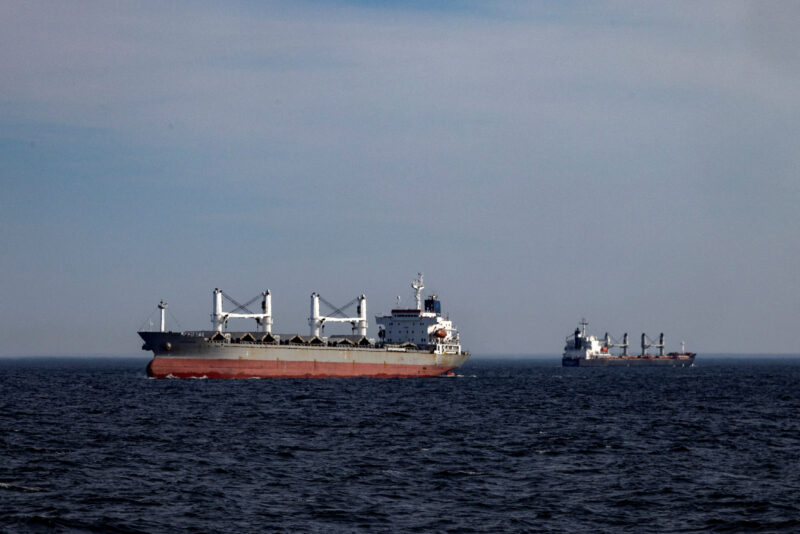
- Ukraine is likely to face recurring disruption to rail, energy and port-linked infrastructure over the next 1-3 months. Recent Russian strikes damaged energy facilities in Poltava and Kherson, port and grain infrastructure in Odesa, and caused train delays exceeding 17 hours. The 27 August attacks also killed a 78-year-old woman in Zaporizhzhia and wounded at least nine people elsewhere. Confidence is medium because the current infrastructure and casualty reporting is broadly corroborated, but some operational effects rely on individual reports and the historical casualty claims in the wider dataset are inconsistent. (Confidence: medium · ASSESSED)
- I&W: Confirm: Ukrainian rail operators report another delay exceeding 17 hours, or new strikes damage a named energy, port or grain facility. (0-30 days)
- I&W: Break: rail and port operators report normal schedules and no new strike damage to energy, port or grain infrastructure for 30 consecutive days. (0-30 days)
Outlook & scenarios
Continued attrition and reciprocal long-range strikes (55%)
This is the likely outcome over the next 1-3 months. Russia sustains missile and drone attacks on Ukrainian urban, energy, industrial and port infrastructure. Ukraine continues strikes on Russian oil, logistics and e-commerce sites. Ground operations produce local movement around Sloviansk, Kostiantynivka, Dobropillia and Kupiansk without a decisive breakthrough.
Russian local gains without an operational breakthrough (25%)
This is an unlikely but plausible outcome. Russian pressure near Sloviansk and Kostiantynivka produces additional local gains, while Ukrainian forces retain enough cohesion to prevent a rapid collapse of the Donetsk defensive belt. Strike activity remains high and infrastructure disruption increases.
Ukrainian local counter-gains and expanded strikes inside Russia (15%)
This is an unlikely outcome. Ukrainian forces consolidate reported advances around Dobropillia and Kupiansk and continue targeting Russian oil and logistics infrastructure. Russian forces retain the ability to strike Ukrainian cities and energy facilities, preventing a clear Ukrainian operational reversal.
Multi-region infrastructure shock (5%)
A very unlikely but high-impact wildcard is a concentrated Russian strike that damages energy, rail and port-linked infrastructure across several Ukrainian regions in a short period. The immediate effect would be an abrupt increase in civilian displacement, transport disruption and pressure on Ukrainian military logistics.
Recommendations
- Maintain a 24-hour watch on Russian missile and drone activity against Kyiv, Odesa, Poltava, Kherson and Kryvyi Rih, recording weapon type, target category, confirmed damage and civilian effects separately.
- Treat territorial control claims around Sloviansk, Kostiantynivka, Dobropillia, Kupiansk, Sumy and Zaporizhzhia as provisional. Require two-source corroboration and geolocated imagery before changing the front-line assessment.
- Track Ukrainian strikes on the Kstovo refinery, Ozon facilities in Ufa and other Russian oil, logistics and e-commerce sites. Separate confirmed physical damage from unverified claims about fuel shortages or military effects.
- Build a clean 2026 event timeline and exclude records dated 2023 and 2022 from current trend analysis unless they are explicitly being used as historical context.
- Monitor rail delays, port closures, grain-handling damage and heat and power plant outages after each major strike. Report operational effects separately from casualty figures to avoid conflating distinct impacts.
- Reassess the low-confidence ground judgment at least weekly, with particular attention to whether either side establishes sustained control of Sloviansk or Kostiantynivka.
Confidence & uncertainty
Overall confidence is high for the broad situation picture because multiple high-reliability major-media, official and think-tank reports corroborate the 27 August 2026 Russian strike, damage in named Ukrainian locations, Ukrainian reports of strikes on 16 Russian sites and rail disruption. Confidence is lower for territorial control, where Russian and Ukrainian claims conflict and several battlefield assertions rely on single-source or social-media reporting. The dataset also mixes 2026 reporting with records dated 2023 and 2022, creating a material timeline uncertainty that does not overturn the broad strike assessment.
Intelligence gaps
- [EEI 1.1 · UNCOVERED] Geotagged UAV/satellite imagery showing abandoned defensive positions or newly occupied settlements. Recommended collection: overhead imagery
- [EEI 1.2 · UNCOVERED] Confirmed movement of frontline ambulance evacuation routes beyond previous coordinates. Recommended collection: SIGINT/medical logistics
- [EEI 2.1 · UNCOVERED] Concentration of assault battalions (≥3 mechanized companies) within 15km of contact line. Recommended collection: SIGINT/UAV
- [EEI 2.2 · UNCOVERED] Unusual artillery stockpile buildup at forward depots exceeding 30-day consumption rates. Recommended collection: overhead imagery/logistics
- [EEI 3.1 · UNCOVERED] Bridge structural damage assessments at 5 key Dnieper River crossings via multispectral imaging. Recommended collection: overhead imagery
- [EEI 3.2 · PARTIAL] Rail traffic volume changes at Kryvyi Rih and Pokrovsk rail hubs compared to 7-day baseline. Recommended collection: commercial freight data
Cited sources
[1] Los Angeles Times · Russia bombards 9 Ukrainian cities overnight, calling the strikes 'massive' - Los Angeles Times (A) · sha256:6c49f831c966 [2] nypost.com · Russia says it launched ‘massive’ overnight strike on 9 Ukrainian cities (B) · sha256:51cc914d94ab [3] theguardian.com · Ukraine war briefing: Reboot of ‘fortress belt’ defences as Zelenskyy visits frontline (A) · sha256:e39ad6139ef2 [4] marinelink.com · Russia Focuses Strikes on Ukrainian Ports, Industrial Sites, Distribution Facilities (B) · sha256:26821ac0d062 [5] gcaptain.com · Black Sea Tensions Lead Grain Buyers to Tap Baltic States (B) · sha256:66610fb9f236 [6] understandingwar.org · Russian Offensive Campaign Assessment, August 26, 2026 (B) · sha256:6bb168710313 [7] GBS · MAJOR ADVANCEMENT: Russia Claims Troops Are Just 4 Km From Sloviansk In Eastern Ukraine | AH1C (B) · sha256:82800a25760a [8] Times Of India · Russian Army Starts Brutal Ukraine Offensive; '1000+Troops Killed In Hours, Key Areas Fall' (B) · sha256:fd4649c88bcc [9] الحرب الثالثة · روسيا تتقدم على جبهتين. وأوكرانيا تسيطر على 3 بلدات | حرب أوكرانيا (B) · sha256:10ac08795191 [10] HuffPost · Russia Bombards 9 Ukrainian Cities Overnight, Calling The Strikes 'Massive' (A) · sha256:6752d70ae620
Source content hashes were computed at collection time; the cited text is preserved unmodified for the life of this product.
TLP:CLEAR