TLP:CLEAR · Disclosure is not limited.
Russia-Ukraine Front Line: Strike Pressure Persists as Talks Stall
Time window: Last 7 days · Audience: General analyst · Type: Situation report · DTG: 2026-09-07 19:23Z · Overall confidence: HIGH
BLUF
Russian forces are very likely to sustain high-tempo strikes against Kyiv and Ukrainian infrastructure over the next 0-14 days, while the ground front is likely to remain contested without a decisive operational breakthrough. The short-term long-range strike pause linked to US envoy travel has not bridged Russia's territorial and force-related demands with Ukraine's insistence on security guarantees and no Donbas cession.
Executive summary
Russian strike pressure remains the main near-term development. Kyiv has experienced its highest daily air-raid alert rate since Russia's full-scale invasion, with round-the-clock attacks disrupting schools, businesses and civilian movement. Russian launches included 121, 163 and 167 drones on successive nights, alongside ballistic missile use, while Moscow has instructed its military to prepare mass attacks against Ukrainian energy facilities. Front-line reporting indicates continued attrition and disputed local movement rather than a confirmed operational breakthrough. Ukraine is maintaining long-range attacks against Russian military and energy targets, although the reported outcome of the strike on the Russian support ship Nefrit in Sochi is contested. Diplomatic contact produced a short pause in attacks, but Russia continues to demand Ukrainian territorial withdrawal and limits on the Ukrainian military, while Volodymyr Zelensky continues to reject territorial concessions and insists on security guarantees.
Change from previous assessment
Since the 7 September prior brief, the main assessment is unchanged: Russian forces remain very likely to sustain high-tempo strikes, and a decisive near-term ground breakthrough remains unlikely. New reporting raises the prominence of Kyiv's record air-raid burden, Russian preparations for attacks on energy facilities, repeated damage to humanitarian warehouses and the widening Germany-Russia diplomatic confrontation. Confidence remains high for the strike assessment and medium for battlefield movement and diplomacy. The mobilisation judgment is not carried forward in this short front-line brief because the current reporting does not provide new corroboration.
Key judgments
- Russian forces are very likely to sustain high-tempo long-range strikes against Ukraine over the next 0-14 days, with Kyiv under particular pressure. BBC analysis records the highest daily air-raid alert rate in Kyiv since the full-scale invasion, an average of 10 sirens a day and up to 13 sheltering episodes. Russian forces launched 121, 163 and 167 drones in recent attacks, including ballistic missile use, while Vladimir Putin said the Russian military had been instructed to prepare mass attacks against Ukrainian energy facilities. The assessment rests on corroborating BBC, ISW, major-media and official reporting, although launch and interception figures remain partly party-reported. (Confidence: high · ASSESSED)
- I&W: Confirm: Ukrainian or international reporting records another Russian launch package of at least 120 drones, or any ballistic missile launch, against Ukraine. (0-14 days)
- I&W: Break: Kyiv records seven consecutive days without a Russian long-range attack or new damage to civilian infrastructure attributed to Russian strikes. (0-14 days)
- Ukraine is likely to maintain long-range strikes against Russian territory over the next 0-14 days, but the scale and tactical effect of the campaign remain uncertain. Ukrainian forces have continued attacks against Russian military, oil and defence-industrial infrastructure, and Serhii Beskrestnov described a current tempo of roughly 300 drone attacks a day with a stated target of 1,000. The Ukrainian Navy reported that a Ukrainian unmanned surface vessel struck the Russian support ship Nefrit in Sochi, while the Russian Black Sea Fleet reported destroying six Ukrainian uncrewed boats. The opposing accounts make this a medium-confidence assessment. (Confidence: medium · ASSESSED)
- I&W: Confirm: Ukrainian forces report another strike on a named Russian oil, military or defence-industrial site, or imagery confirms damage at the reported location. (0-14 days)
- I&W: Break: Russian and Ukrainian reporting records no further Ukrainian deep strike against Russian territory for 14 consecutive days. (0-14 days)
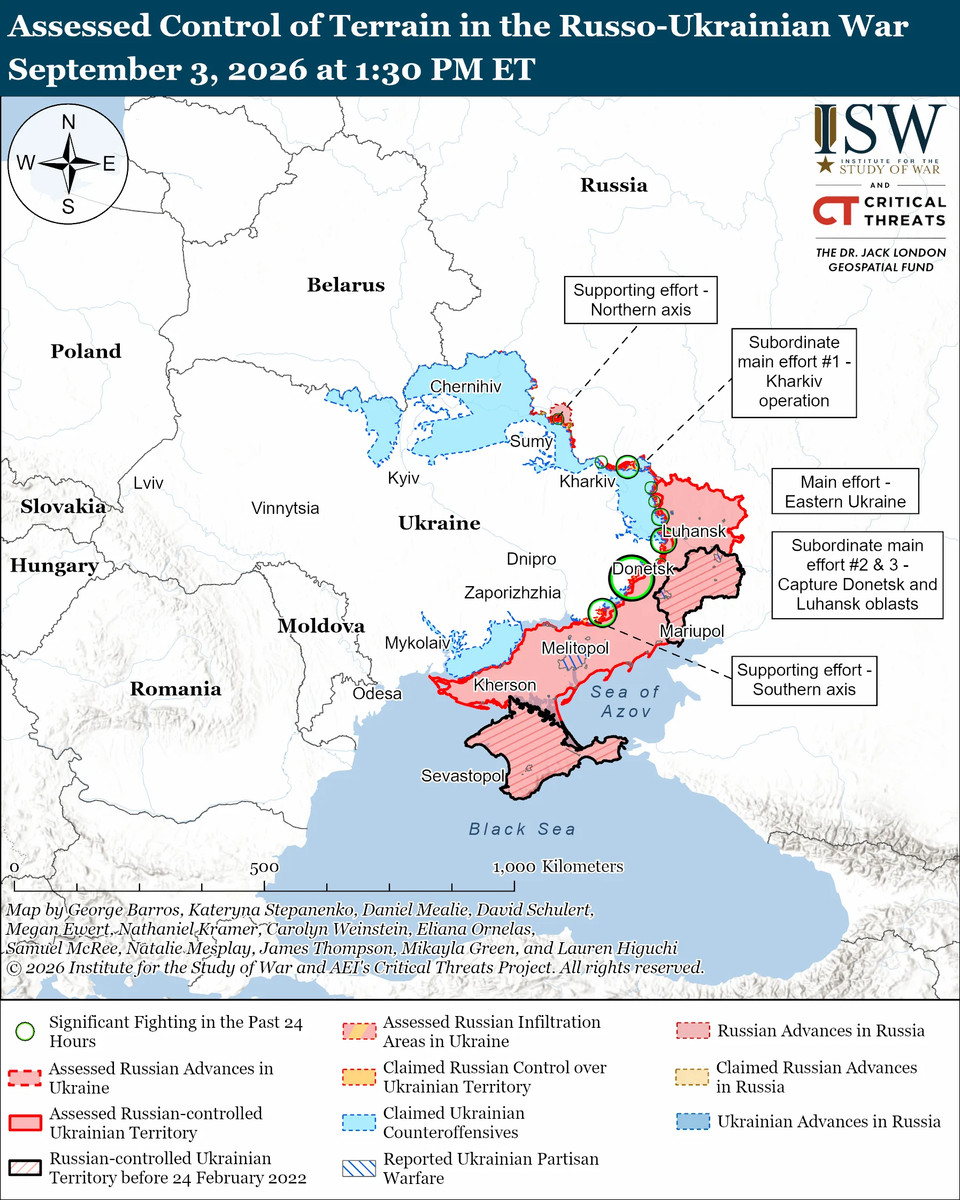
- Russian forces are unlikely to achieve a decisive operational breakthrough over the next 0-14 days. Reporting describes minimal Russian territorial gains during the first eight months of 2026 and no advance by either side on 5 September. Local movement remains disputed: Russian reporting claimed control of Chervona Krynytsia and Novopavlivka, Ukrainian reporting claimed an advance in the Dobropillya tactical area, and separate reports attribute advances in the Novopavlivka direction to both sides. The conflicting claims lower confidence in the precise front-line picture. (Confidence: medium · ASSESSED)
- I&W: Confirm: independent geolocation confirms Russian control of Chervona Krynytsia, Novopavlivka or another named settlement and documents follow-on Russian movement. (0-14 days)
- I&W: Break: two successive reporting cycles confirm Russian territorial gains that create a continuous advance towards a major Ukrainian defensive position. (0-14 days)
- Russian forces are very likely to continue strikes against Ukrainian energy and water infrastructure over the next 1-3 months, increasing the risk of severe winter disruption in Kyiv and other Ukrainian cities. Power-generation equipment at a utility plant in Kherson has been destroyed, reporting describes Russian targeting of energy and water infrastructure, and Putin stated that Moscow's military was preparing mass attacks against Ukrainian energy facilities. Ukrainian reporting estimates that disruption to electricity, heating and water could affect 2 to 3 million people in Kyiv. (Confidence: high · ASSESSED)
- I&W: Confirm: Ukrainian authorities report further damage to power-generation, heating or water facilities in Kyiv, Kherson or another major city. (0-14 days)
- I&W: Break: 14 consecutive days pass without a reported Russian strike damaging Ukrainian energy or water infrastructure. (0-14 days)
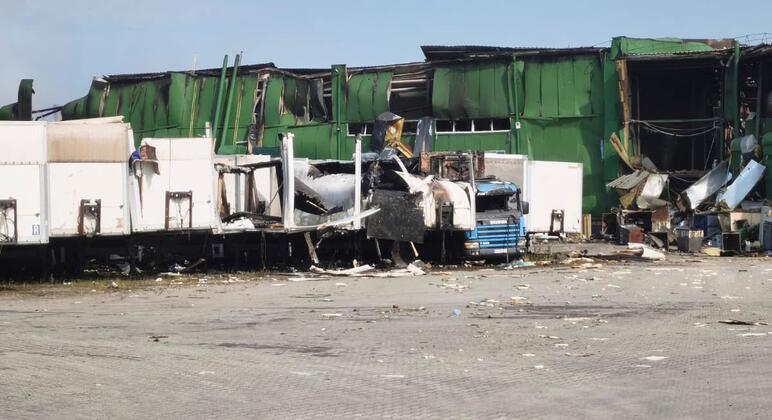
- Humanitarian medical supply chains in Ukraine are likely to remain vulnerable over the next 1-3 months, although the scale of further disruption is uncertain. WHO has verified more than 3,000 attacks on healthcare since 24 February 2022 and identified at least 20 attacks on humanitarian warehouses in 2026, including 15 holding health-related supplies. Recent incidents affected WHO warehouses in Kyiv oblast and Dnipro, destroyed a UN-partnered NGO warehouse in Sumy and damaged a UNICEF-contracted warehouse in Chubynske. Attribution for some warehouse incidents remains unconfirmed, which lowers confidence. (Confidence: medium · ASSESSED)
- I&W: Confirm: WHO reports additional stock losses, delivery delays or emergency relocation of medical supplies after attacks on warehouses in Ukraine. (0-14 days)
- I&W: Break: WHO confirms that alternative storage has restored planned deliveries and replaced all supplies lost in the recent warehouse attacks. (1-3 months)
- A substantive Russia-Ukraine ceasefire is unlikely over the next 1-3 months despite further diplomatic contact and temporary pauses in long-range strikes. Russia and Ukraine agreed a three-day pause covering Kyiv and Moscow, and US envoys Steve Witkoff and Jared Kushner held meetings in Moscow and Kyiv. Russia nevertheless continues to demand Ukrainian withdrawal from remaining Donbas territory, limits on the Ukrainian army and restrictions on weapons, while Zelensky insists on strong security guarantees and shows no willingness to cede Donbas territory. Putin also rejected a broader frontline ceasefire proposal. The assessment is medium confidence because reporting contains unresolved discrepancies over the delegation's itinerary and Putin's position on direct negotiations. (Confidence: medium · ASSESSED)
- I&W: Confirm: Russian and Ukrainian officials announce a monitored frontline ceasefire covering ground combat as well as long-range strikes. (1-3 months)
- I&W: Break: Russia resumes long-range strikes after 7 September while Putin or Sergei Lavrov reiterates territorial withdrawal and limits on Ukraine's armed forces. (0-14 days)
Outlook & scenarios
Continued strikes and limited front-line movement (62%)
Russian forces resume or sustain round-the-clock strikes against Kyiv, energy facilities and logistics sites. Ukraine continues drone and maritime strikes against Russian military and oil infrastructure. Ground fighting remains attritional, with local claims of movement but no decisive breakthrough.
Expanded infrastructure campaign after the temporary pause (25%)
The short pause linked to the US delegation ends without a durable agreement. Russian forces increase attacks on electricity, heating, water and transport infrastructure before winter, producing higher civilian disruption and further pressure on humanitarian supply networks.
Limited Russian local gains (10%)
Russian forces convert disputed claims around Chervona Krynytsia, Novopavlivka or the Kharkiv direction into confirmed local gains. Ukraine retains the ability to contest the line, leaving the result operationally limited rather than a decisive breakthrough.
European spillover from alleged Russian-linked activity (3%)
A confirmed Russian state-linked attack against infrastructure supporting Ukraine in Germany or another European country triggers a wider Russia-Europe confrontation. Diplomatic expulsions and closures intensify while military activity in Ukraine continues.
Recommendations
- Maintain a daily 0-14 day tracker for Russian launch packages, Kyiv air-raid alerts, Ukrainian interception rates and confirmed damage to power, heating and water facilities. Flag any launch package of at least 120 drones or any ballistic missile use.
- Separate Russian and Ukrainian territorial claims from confirmed control in reporting on Chervona Krynytsia, Novopavlivka, Dobropillya and the Kharkiv direction. Require independent geolocation and corroboration in two reporting cycles before treating a claimed settlement capture as established.
- Track the temporary airstrike pause and any wider ceasefire separately. Record whether Russia accepts a frontline arrangement, whether territorial and force-related demands change, and whether strikes resume after 7 September.
- Prioritise collection on WHO warehouse stock losses, alternative storage capacity and delivery delays to the more than 300 health-care facilities supported by WHO in Ukraine.
- Monitor Ukrainian long-range strike activity against named Russian oil, military and defence-industrial sites, while maintaining a separate record of Russian and Ukrainian claims concerning the Sochi strike and the Nefrit.
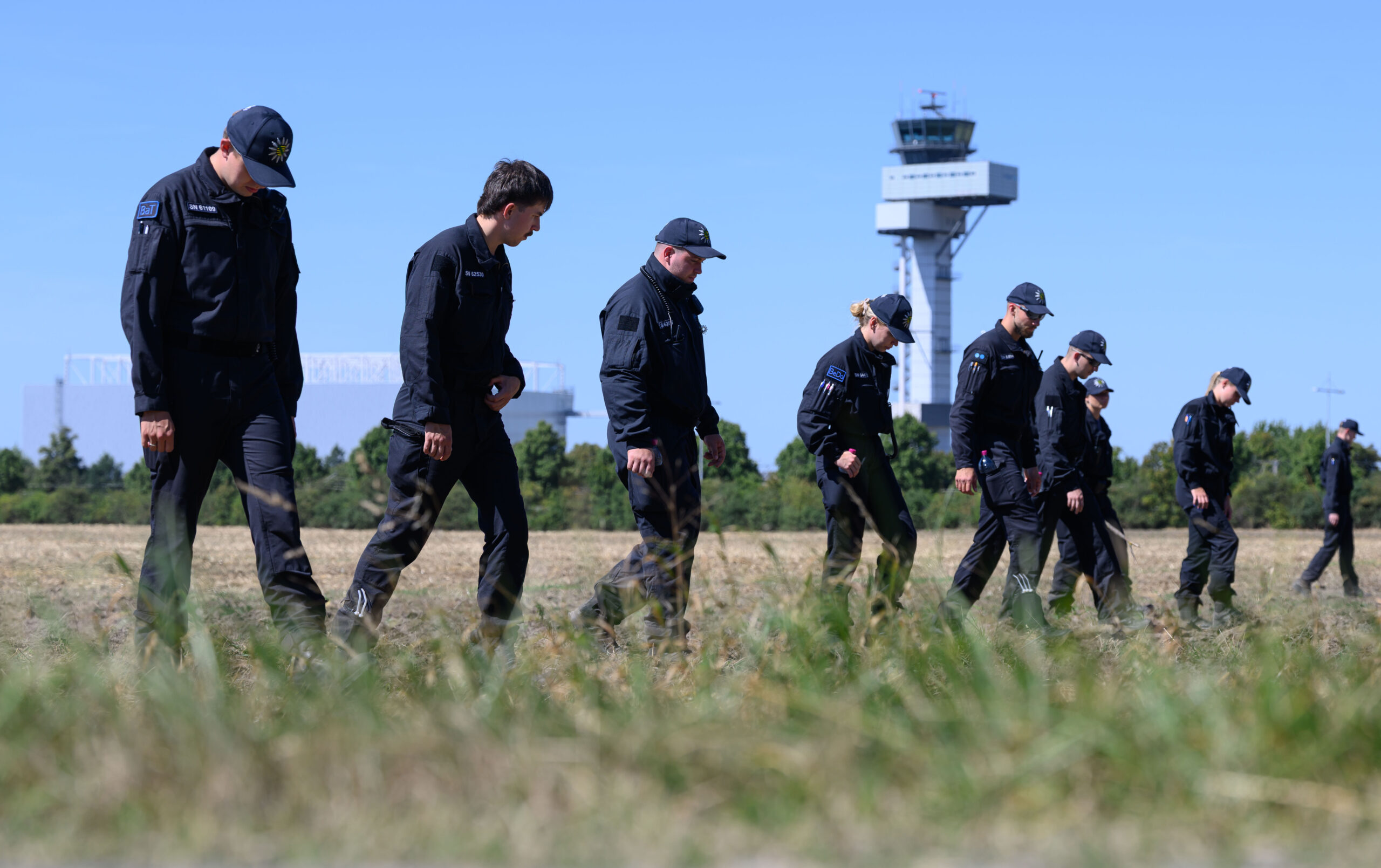
- Review official investigations and legal actions concerning the Leipzig Airport allegation and reported incidents in Slovakia, Estonia, Poland and Norway for evidence of a wider Russian state-linked campaign affecting European support to Ukraine.
Confidence & uncertainty
Overall confidence is high because the strike pattern is supported by BBC analysis, UN and WHO reporting, ISW assessments and multiple major-media accounts, with official Russian and Ukrainian reporting adding launch and interception data. The main uncertainties concern exact territorial control, the outcome of the Sochi strike, the dates and sequence of the US delegation's itinerary, and attribution of some attacks on humanitarian warehouses.
Intelligence gaps
- [EEI 1.1 · UNCOVERED] Geotagged UAV/satellite imagery showing abandoned defensive positions or newly occupied settlements. Recommended collection: overhead imagery
- [EEI 1.2 · UNCOVERED] Confirmed movement of frontline ambulance evacuation routes beyond previous coordinates. Recommended collection: SIGINT/medical logistics
- [EEI 2.1 · UNCOVERED] Concentration of assault battalions (≥3 mechanized companies) within 15km of contact line. Recommended collection: SIGINT/UAV
- [EEI 2.2 · UNCOVERED] Unusual artillery stockpile buildup at forward depots exceeding 30-day consumption rates. Recommended collection: overhead imagery/logistics
- [EEI 3.1 · UNCOVERED] Bridge structural damage assessments at 5 key Dnieper River crossings via multispectral imaging. Recommended collection: overhead imagery
- [EEI 3.2 · UNCOVERED] Rail traffic volume changes at Kryvyi Rih and Pokrovsk rail hubs compared to 7-day baseline. Recommended collection: commercial freight data
TLP:CLEAR