TLP:CLEAR · Disclosure is not limited.
Russia-Ukraine front line: strike surge and intensified fighting around Liman, 13-20 June 2026
Time window: Last 7 days · Audience: General analyst · Type: Situation report · DTG: 2026-06-20 07:11Z · Overall confidence: MEDIUM
BLUF
Ukraine very likely executed its largest drone strike of the war against the Moscow region around 18 June, prompting Russia to sustain high-tempo salvos against Ukrainian cities. Ground fighting intensified on the Sloviansk axis around Liman, while Ukraine’s mid-range interdiction campaign is very likely degrading Russian logistics and forcing air-defence reallocations.
Executive summary
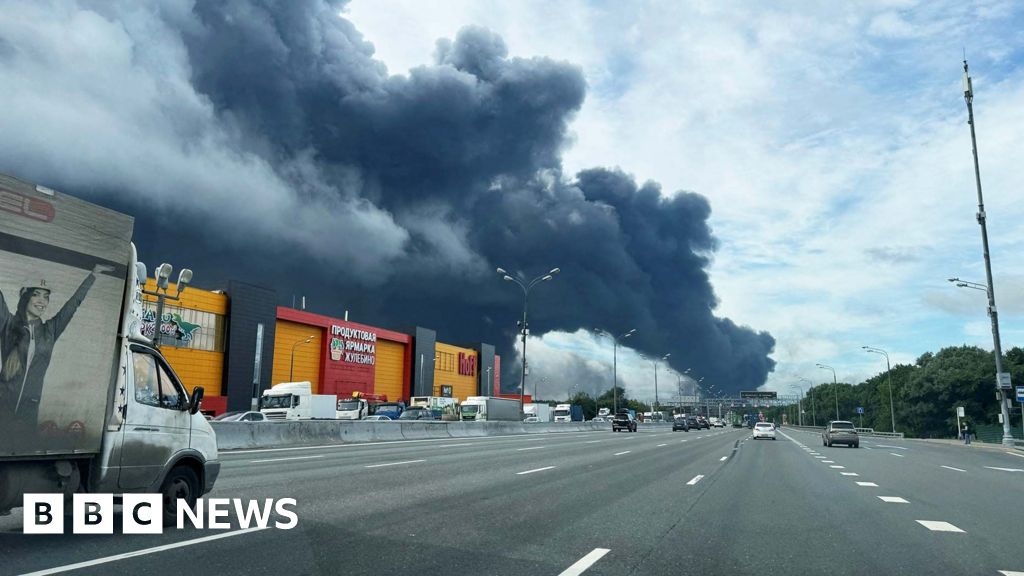
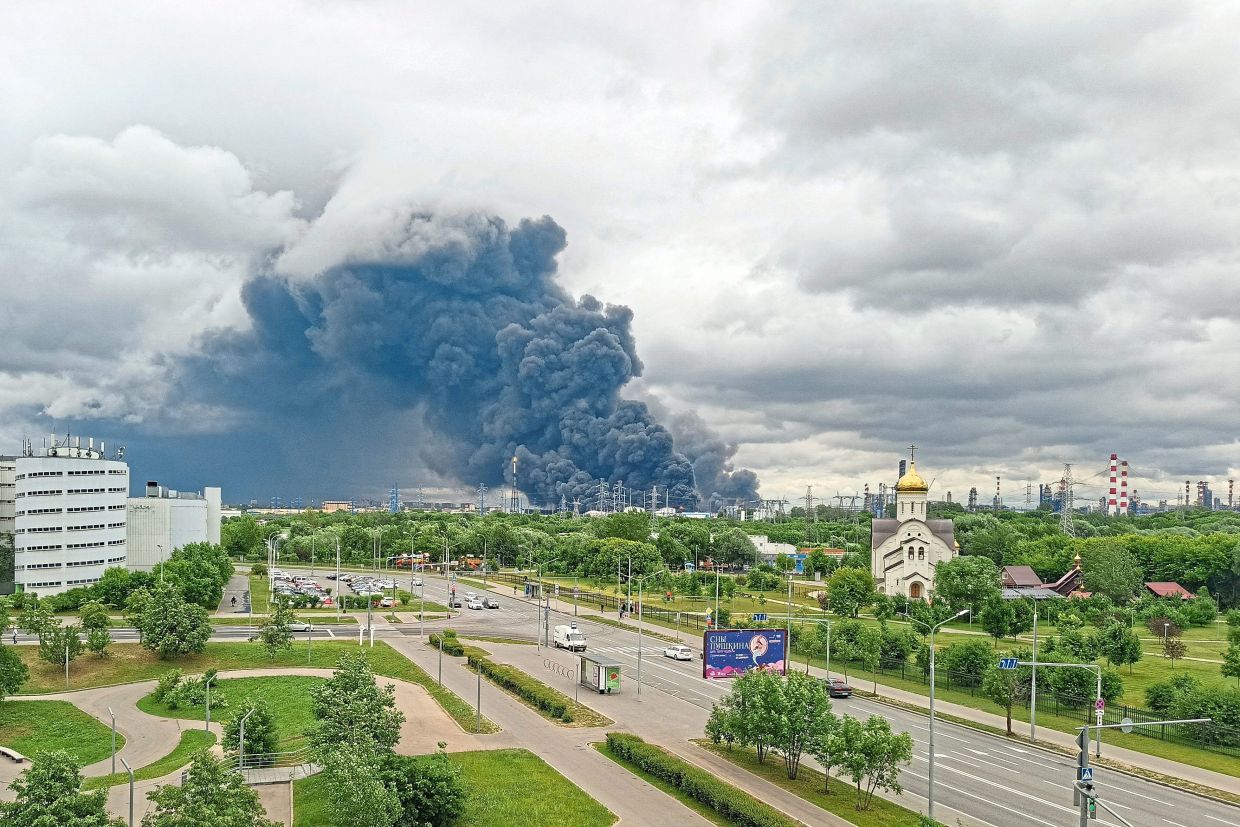
Ukraine struck the Moscow region in its largest drone operation since the full-scale invasion, hitting the Kapotnya refinery, injuring civilians in Zhukovsky, and briefly closing all four Moscow airports; residents reported black oil spots while city authorities denied ‘oil rain’. Russia maintained a high-tempo retaliatory pattern, launching more than 200 drones and multiple ballistic missiles overnight, with lethal impacts in Sumy and additional strikes on Kharkiv. On the ground, combat intensified around Liman on the Sloviansk axis, including the disabling of a key Seversky Donets River bridge and reports of fighting in the town centre, alongside Russian bridging activity nearby and Ukrainian counterattacks. Ukraine’s mid-range interdiction campaign continued to expand in scale and effect, from refinery shutdowns to strikes on supply trucks and key road corridors into occupied Crimea, consistent with reports of air-defence reallocations and growing rear-area pressure.
Change from previous assessment
Since the prior brief, we have additional detail on the Moscow-region strike’s effects, including airport shutdowns and 17 injuries in Zhukovsky, and on Russia’s retaliatory pattern with reporting of more than 200 drones and ballistic missiles launched overnight. Ground fighting appears to have intensified around Liman on 17-18 June, including a disabled Seversky Donets bridge and reports of combat in the town centre, consistent with increased pressure toward Sloviansk. We add a new judgment on a reported drone attack against facilities at the Zaporizhzhia Nuclear Power Plant. Our confidence remains medium, reflecting both corroborated events and areas reliant on single-stream reporting.
Key judgments
- Ukraine very likely conducted its largest drone strike since the full-scale war began against the Moscow region on about 18 June, hitting the Kapotnya oil refinery, closing all four Moscow airports with more than 500 flights disrupted, and injuring at least 17 people in Zhukovsky; residents reported black oil spots while city authorities publicly denied ‘oil rain’. (Confidence: high · REPORTED)
- I&W: Public or company statements or satellite imagery confirming prolonged repair work and reduced throughput at the Kapotnya refinery (0-14 days)
- I&W: Resumption of normal operations at Kapotnya and two weeks without reported deep-penetration strikes into Moscow Oblast (0-14 days)
- Russia likely sustained a high-tempo long-range strike pattern in the aftermath, launching more than 200 drones and multiple ballistic missiles overnight and striking Sumy and Kharkiv, killing at least two people in Sumy. (Confidence: medium · REPORTED)
- I&W: Nightly official tallies in Ukraine reporting large-scale UAV and missile launches similar to the cited volumes (0-14 days)
- I&W: A sustained drop in reported nightly launches to low tens for at least seven consecutive days (0-14 days)
- Fighting on the Sloviansk axis very likely intensified around Liman in 17-18 June, including disabling of the Seversky Donets bridge on 17 June and reported combat in Liman’s centre, alongside reported Russian bridging near Tikhonovka and Ukrainian counterattacks on the Liman front. (Confidence: medium · ASSESSED)
- I&W: Geolocated imagery or unit reporting confirming continued street fighting in central Liman (0-14 days)
- I&W: Verified footage of restored traffic over the disabled Seversky Donets crossing at Liman and a two-week lull in combat reports (1-3 months)
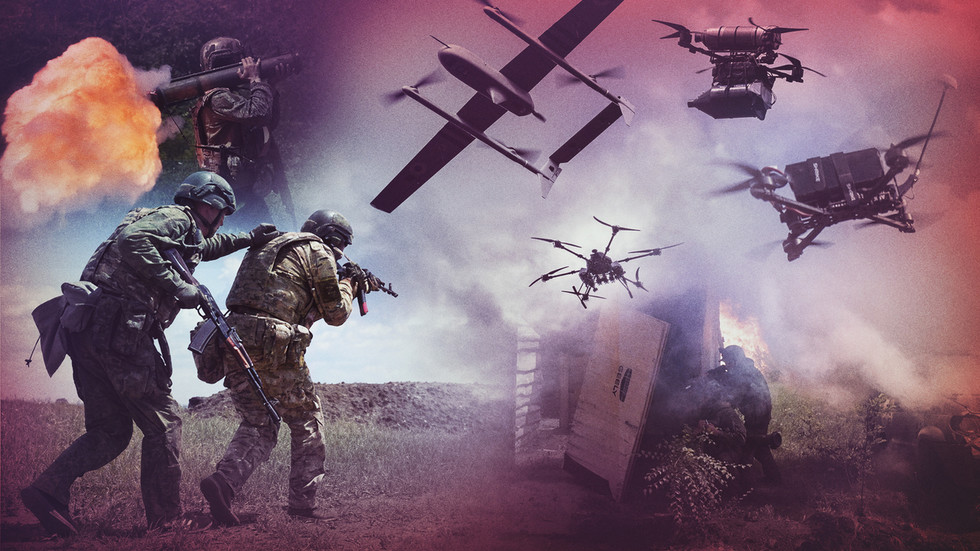
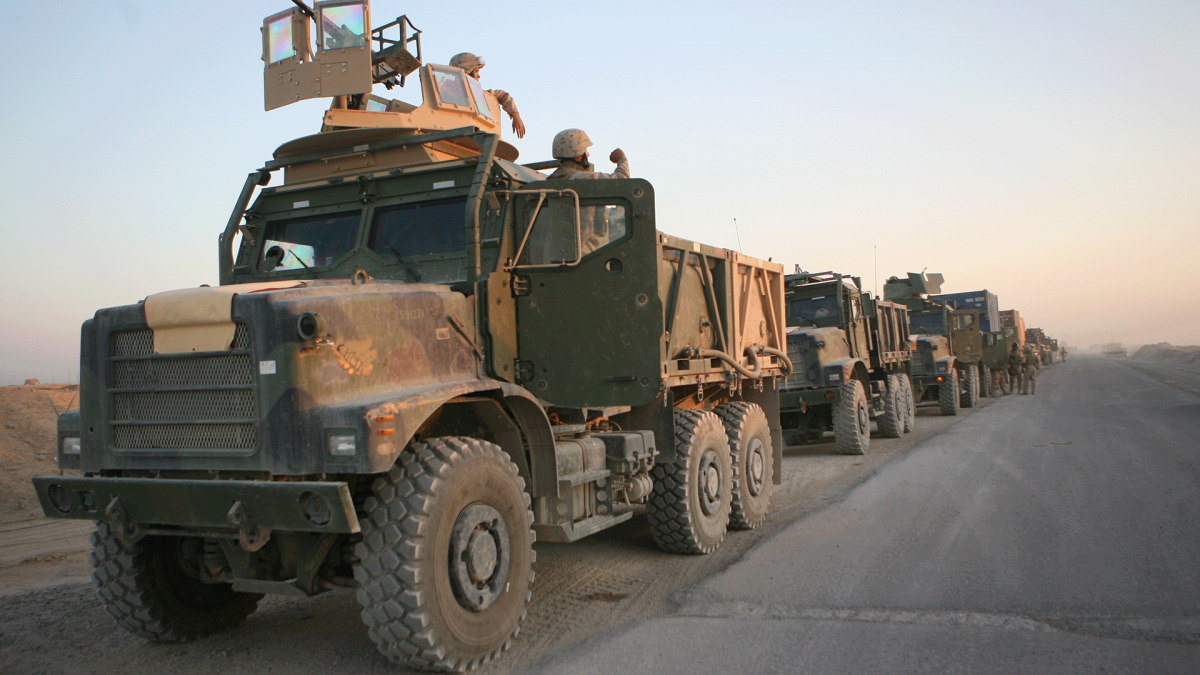
- Ukraine’s mid-range interdiction campaign is very likely degrading Russian logistics and forcing air-defence reallocations, evidenced by the suspension of operations at the NORSI refinery following Ukrainian attacks, strikes on fuel trucks and highways feeding occupied Crimea, a 28-fold year-on-year increase in mid-range missions, and documented hits on at least 35 vehicles near key routes. (Confidence: high · ASSESSED)
- I&W: Additional refinery outages or rail-bridge disruptions in Russia or occupied Crimea attributed to Ukrainian strikes (1-3 months)
- I&W: Open reporting of restored heavy freight flows across the Chonhar corridor and a two-week lull in mid-range interdiction claims (1-3 months)
- A major drone attack on facilities at the Zaporizhzhia Nuclear Power Plant was reported, which would raise risk to sensitive infrastructure if repeated. (Confidence: medium · REPORTED)
- I&W: New reports or imagery of drone impacts or air-defence activity over the ZNPP site (0-14 days)
- I&W: A one-month period without reported incidents at ZNPP from either side (1-3 months)
Outlook & scenarios
Strike-for-strike cycle persists (60%)
Ukraine continues deep strikes against Russian energy infrastructure, including around Moscow, and Russia maintains mass overnight UAV and ballistic salvos against Ukrainian cities such as Sumy and Kharkiv. Civil aviation disruptions and periodic refinery outages continue to feature on both sides.
Local Russian advance on the Liman-Sloviansk axis (35%)
Russian forces consolidate gains around Liman, leverage damaged crossings on the Seversky Donets and nearby bridging activity, and push westward, while Ukrainian forces conduct counterattacks to slow advances. Control of Liman’s centre becomes a key short-term determinant of the axis.
Ukrainian interdiction squeezes Russian operational tempo (50%)
Sustained mid-range strikes on refineries, rail links and highway convoys deepen Russian logistics strain and compel further air-defence pullbacks from the front. Russian assault tempo slows, especially on axes requiring heavy fuel throughput from Crimea and southern Russia.
Recommendations
- Prioritise collection on the Liman-Sloviansk corridor: verify control of Liman’s centre, monitor crossings over the Seversky Donets near Liman, and track any new Russian bridging or Ukrainian demolition activity.
- Maintain an effects-based tracker of Ukrainian interdiction outcomes: refinery outages, bridge disruptions, highway interdictions to Crimea, and geolocated strikes on Russian supply trucks, with timelines and recurrence rates.
- Monitor Russia’s long-range strike cycle nightly: compile reported launch volumes and impact locations, and correlate with casualty and damage reporting in Sumy, Kharkiv and other affected oblasts.
- Set alerts for activity around the Zaporizhzhia Nuclear Power Plant: log reports of drones, intercepts or site impacts and pre-brief leadership on potential escalation and contingency implications if incidents recur.
- Track Moscow-region domestic disruption signals following deep strikes, including civil aviation notices and refinery status updates, to anticipate Russian retaliatory salvos and messaging cycles.
Confidence & uncertainty
Multiple independent major-media and official reports corroborate the Moscow-region strike, associated injuries, and air-traffic disruption, as well as Russia’s subsequent high-volume overnight launches and lethal impacts in Sumy. Front-line developments near Liman rely on credible reporting but remain fluid and partly inferred from discrete events like a disabled bridge, which lowers confidence. The assessment of Ukrainian interdiction effects is supported by several complementary reports, though some metrics originate from Ukrainian military sources. The reported drone attack on Zaporizhzhia Nuclear Power Plant facilities is single-threaded. Given these strengths and gaps, a medium overall confidence is appropriate.
Alternative analysis (red cell)
The reporting contains several high-impact assertions that rely heavily on a single reporting cluster (e.g., origin_cluster_id "88f94668") and on B6/B1-level battlefield reports without multi-source ISR, operator, or monitoring corroboration. A more cautious estimate is that significant aerial incidents and retaliatory strikes occurred around 17–18 June with localized disruption and reported casualties, but the scale, firm attribution (e.g., "largest" Ukrainian strike; >200 drones), systemic Russian logistic collapse or confirmed air-defence redeployments, and an unambiguous major strike on Zaporizhzhia NPP are not yet demonstrably supported by independent, high-admiralty evidence.
Intelligence gaps
- [EEI 1.1 · UNCOVERED] Geotagged UAV/satellite imagery showing abandoned defensive positions or newly occupied settlements. Recommended collection: overhead imagery
- [EEI 1.2 · UNCOVERED] Confirmed movement of frontline ambulance evacuation routes beyond previous coordinates. Recommended collection: SIGINT/medical logistics
- [EEI 2.1 · PARTIAL] Concentration of assault battalions (≥3 mechanized companies) within 15km of contact line. Recommended collection: SIGINT/UAV
- [EEI 2.2 · UNCOVERED] Unusual artillery stockpile buildup at forward depots exceeding 30-day consumption rates. Recommended collection: overhead imagery/logistics
- [EEI 3.1 · UNCOVERED] Bridge structural damage assessments at 5 key Dnieper River crossings via multispectral imaging. Recommended collection: overhead imagery
- [EEI 3.2 · UNCOVERED] Rail traffic volume changes at Kryvyi Rih and Pokrovsk rail hubs compared to 7-day baseline. Recommended collection: commercial freight data
Cited sources
[1] BBC · Moscow residents complain of black rain after largest Ukrainian attack hits oil refinery (A) · sha256:3b936b78f38d [2] Times of India · Black rain, smoke over Moscow: Russia-Ukraine trade bombs, drones and missiles as war intensifies (B) · sha256:5e9163430042 [3] rt.com · The drone war is a distraction. Watch the front (B) · sha256:12c7f2e5f429 [4] youtube.com · UKRAINIAN OFFICER WARNS: Russia Is Preparing the Next Major Push in Donbas (F) · sha256:1d15451bd3ab [5] independent.co.uk · How Ukraine’s new drone tactics are causing chaos in Russia after largest-ever attack on Moscow (B) · sha256:48b9636807af [6] cnn.com · No fuel, no weapons: How Ukraine’s new drone strategy is mauling Russian supply lines | CNN (A) · sha256:49f836a2f36f [7] taskandpurpose.com · Ukraine is shredding Russian supply lines. The US should pay attention (B) · sha256:4eb2ee1c6767 [8] thestar.com.my · Middle strikes, major shifts (B) · sha256:e0e549182f89
Source content hashes were computed at collection time; the cited text is preserved unmodified for the life of this product.
Red cell review: PARTIAL DISSENT
TLP:CLEAR