TLP:CLEAR · Disclosure is not limited.
Russia-Ukraine Front Line: Sustained Combat and Strike Escalation
Time window: Last 7 days · Audience: General analyst · Type: Situation report · DTG: 2026-09-05 07:08Z · Overall confidence: HIGH
BLUF
Russian forces are very likely to sustain high-tempo ground attacks and long-range strikes over the next 0-14 days, with Pokrovsk and Kostiantynivka remaining the main ground focal points and Kyiv, Odesa, energy facilities and ports under continued pressure. US envoy visits to Moscow and Kyiv on 5-6 September create a limited diplomatic opening, but a substantive ceasefire remains unlikely over the next 1-3 months.
Executive summary
The front line remains highly active. Ukrainian reporting recorded 240 combat engagements on 3 September, including 38 attacks on the Pokrovsk front, 24 on the Kostiantynivka front and 11 near Lyman. Russia also continues high-volume strikes: it launched 174 drones and four missiles against Ukraine on 2 September, Kyiv came under attack for a seventh consecutive day, and strikes damaged an SBU site in Kyiv, a residential building in Odesa, energy infrastructure in Kherson and a vessel at Chornomorsk. Ukraine continues deep strikes against Russian refineries, airfields and air-defence systems, while Russian and Ukrainian statements remain contradictory on force generation and peace prospects.
Change from previous assessment
Since the 4 September brief, the core assessment of sustained Russian offensive pressure and high-volume strikes is unchanged but is now reinforced by reporting of 240 combat engagements on 3 September, including 38 on the Pokrovsk front and 24 on the Kostiantynivka front. The assessment now gives greater weight to continued attacks on Ukrainian security, civilian and maritime infrastructure after the 4 September strike on an SBU site, the reported strikes on a cargo vessel and tanker near Odesa, and the 5 September strike on Kamianske. The diplomatic assessment is adjusted to reflect the scheduled US envoy visits on 5-6 September: a limited negotiating opening is now recognised, but a substantive ceasefire remains unlikely. Russian force-generation ambiguity remains a low-confidence judgement, while the European hybrid-activity assessment remains low confidence because attribution and incident dates are contested.
Key judgments
- Continued high-intensity ground combat across the Pokrovsk, Kostiantynivka, Lyman and Southern Slobozhanshchyna fronts is very likely over the next 0-14 days. Ukrainian reporting recorded 240 combat engagements on 3 September, including 38 attacks on Pokrovsk, 24 on Kostiantynivka, 11 near Lyman and 22 on Southern Slobozhanshchyna. No Russian offensive grouping was detected on the Volyn and Polissia fronts, indicating that current pressure remains concentrated in eastern and southern sectors. (Confidence: high · ASSESSED)
- I&W: Confirm: daily reporting records more than 200 engagements, with Pokrovsk, Kostiantynivka or Lyman among the highest-volume sectors. (0-14 days)
- I&W: Break: recorded engagements fall below 100 per day for three consecutive days and Russian attacks cease across at least two of the four named sectors. (0-14 days)
- Russian forces are likely to retain local offensive pressure towards Kramatorsk and Sloviansk, but a decisive breakthrough towards either city is unlikely over the next 0-14 days. A reported estimate places Russian forward elements 5-15 kilometres from Kramatorsk and Sloviansk, while Ukrainian forces have continued to repel attacks near Pokrovsk and Lyman. Russia's Ministry of Defence claim of full control over Kostiantynivka remains contested, and its claim to have seized Sadky and Velykyi Prykil in Sumy Oblast was refuted in the reporting provided. Confidence is lower on the exact territorial picture than on the persistence of Russian pressure. (Confidence: medium · ASSESSED)
- I&W: Confirm: geolocated reporting places Russian units closer than 5 kilometres from Kramatorsk or Sloviansk, or records sustained Russian assaults on the approaches to either city. (0-14 days)
- I&W: Break: Ukrainian forces restore positions east of the two cities and Russian attacks in the Kostiantynivka and Lyman sectors fall sharply for three consecutive days. (0-14 days)
- Russian high-volume strikes against Kyiv and Ukrainian civilian, energy and logistics targets are very likely to continue over the next 0-14 days. Russia launched 174 attack drones, two ballistic missiles and two aircraft-launched missiles on 2 September, while Kyiv had already been attacked for seven consecutive days. Recent strikes affected an SBU site in Kyiv, a 24-storey residential building in Odesa, power-generation equipment in Kherson and the city of Kamianske. Reporting supports continued strike activity with high confidence, but the precise munition and exact target at the Kyiv SBU site remain unresolved. (Confidence: high · ASSESSED)
- I&W: Confirm: Russia launches another combined package of more than 100 drones or missiles against Kyiv, Odesa or Ukrainian energy facilities. (0-14 days)
- I&W: Break: no Russian strikes are reported against Kyiv, Ukrainian energy facilities or major logistics nodes for seven consecutive days. (0-14 days)
- Ukrainian long-range strikes against Russian fuel infrastructure, air-defence systems and military aviation facilities are likely to continue over the next 0-14 days and 1-3 months. Ukraine struck the Kirishi refinery, Yeysk Airfield and Millerovo Airfield on 29-30 August, with a governor acknowledging a fire at Kirishi and geolocated footage and thermal detections supporting damage at Yeysk and Millerovo. Ukraine also struck a Russian Buk-M3 system near Klintsy, while reporting links sustained refinery attacks to fuel shortages and an extension of Russia's fuel export ban. The evidence establishes reach and local disruption, but does not establish strategic degradation of Russia's war effort. (Confidence: medium · ASSESSED)
- I&W: Confirm: Ukrainian forces strike another named Russian refinery, airfield or air-defence system, with local official acknowledgement, geolocated imagery or thermal evidence. (0-14 days)
- I&W: Break: Russian fuel export restrictions expire on 30 September without extension and reporting shows sustained restoration of refinery output. (1-3 months)
- Russian attacks are likely to continue constraining Ukrainian maritime logistics over the next 0-14 days and 1-3 months. Russia's Defence Ministry reported strikes on a cargo vessel in Chornomorsk and a tanker near Odesa on 4 September, while broader reporting describes increased attacks on Ukrainian ports, grain terminals and commercial vessels. The reported suspension of the Kerch ferry crossing and temporary closure of the Crimean Bridge on 5 September indicate continuing disruption around the Black Sea and Crimea. Confidence is moderated by reliance on a Russian official account for the vessel strikes and lower-reliability local reporting for the Crimean closures. (Confidence: medium · ASSESSED)
- I&W: Confirm: another commercial vessel or port facility at Odesa, Chornomorsk or a nearby Ukrainian maritime hub is struck, or port traffic is suspended again. (0-14 days)
- I&W: Break: regular commercial shipping resumes through Chornomorsk and Odesa while no further strikes on vessels or port infrastructure are reported for 14 days. (0-14 days)
- A substantive ceasefire between Russia and Ukraine is unlikely over the next 1-3 months, despite US-mediated contacts scheduled for 5-6 September. Putin said there are chances for a peace deal but retained demands for further Ukrainian territorial concessions, while the record supplied for 2026 reports no negotiation progress. Steve Witkoff and Jared Kushner are expected to meet Russian and Ukrainian leaders, and Donald Trump said they are carrying a proposal to end the war. The contacts create a limited opening for a temporary arrangement, but the opposing public positions leave the prospects for a durable ceasefire unresolved. (Confidence: medium · ASSESSED)
- I&W: Confirm: Moscow and Kyiv reject a written ceasefire mechanism or continue major strikes during and immediately after the 5-6 September meetings. (0-14 days)
- I&W: Break: Russia and Ukraine publicly endorse a dated, reciprocal ceasefire with a monitoring mechanism and sustain the pause for at least 72 hours. (0-14 days)
- Russian force generation is likely to rely on contract recruitment and coercive recruitment rather than an immediate formal mobilisation over the next 1-3 months, but confidence is low. Russian sources reportedly told The Economist that Putin is committed to deploying 300,000-400,000 additional troops, while Dmitry Medvedev denied mobilisation plans. Continued State Duma discussion of mobilisation bills and reported coercive recruitment in Penza Oblast leave policy status ambiguous. The assessment rests on conflicting and partly single-source reporting. (Confidence: low · ASSESSED)
- I&W: Confirm: the State Duma advances mobilisation legislation, or Russian authorities announce regional recruitment quotas and expanded compulsory call-up measures. (0-3 months)
- I&W: Break: Moscow formally rules out mobilisation while ending discussion of the bills and reporting shows a sustained fall in contract recruitment. (0-3 months)
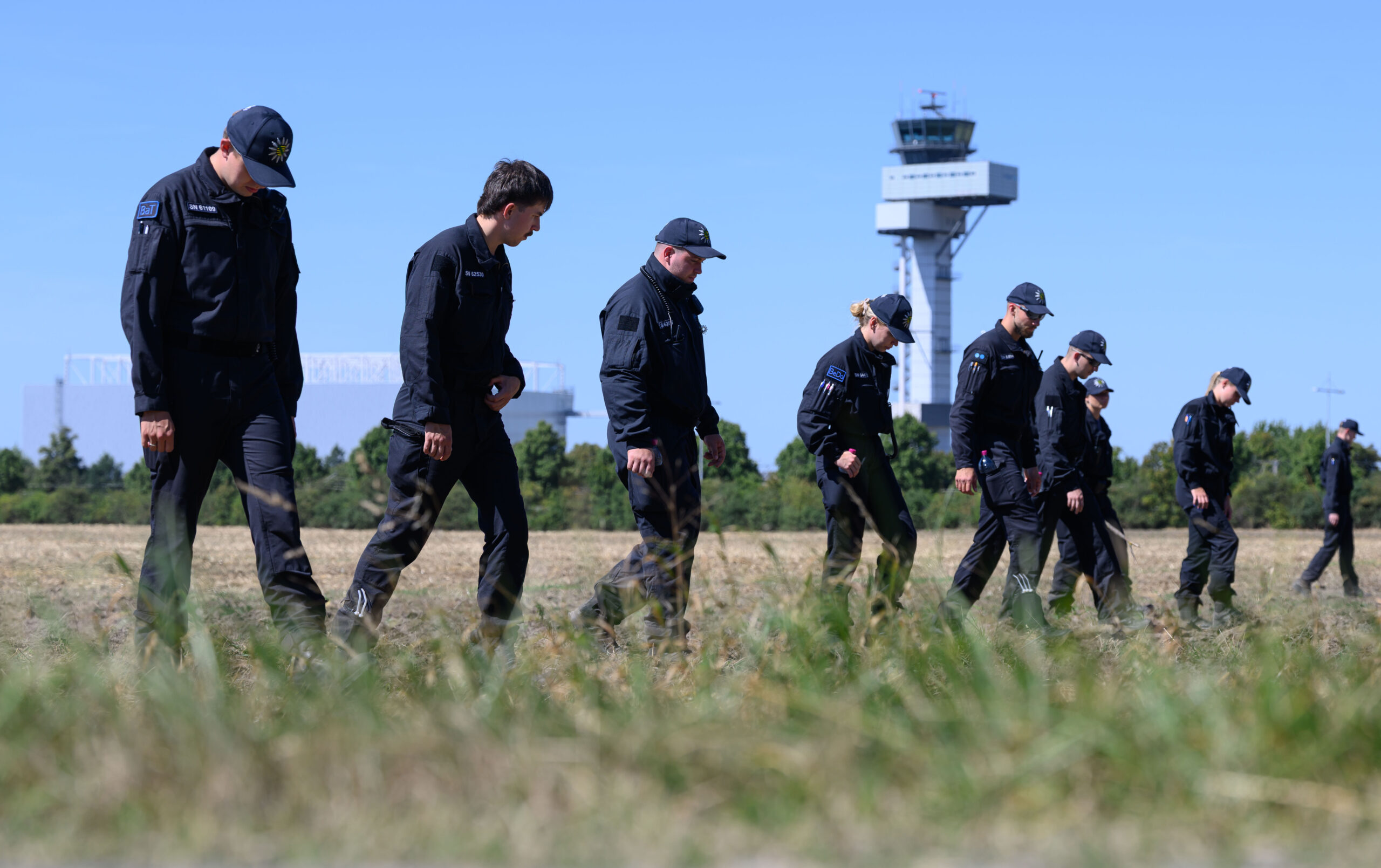
- Russian state responsibility for the Leipzig/Halle airport incident is likely, but a single coordinated Russian campaign against European support networks is unlikely to be established from the current reporting over the next 1-3 months. Germany, the UK and German investigators attributed the attempted explosives-laden drone attack to Russia, while Russian officials denied involvement. Separate reporting describes a Kremlin-linked cyberattack against Norwegian state platforms, a foiled arson attempt in Slovakia, a fire under investigation in Estonia and a Polish factory blaze attributed by Prime Minister Donald Tusk to Russia. The Leipzig incident date remains disputed, and the wider attribution rests largely on official statements and think-tank reporting. (Confidence: low · ASSESSED)
- I&W: Confirm: Germany, the UK or another European government publishes forensic or judicial findings linking a further incident to Russian state personnel or infrastructure. (1-3 months)
- I&W: Break: German investigators revise the Leipzig attribution, or investigations in Slovakia, Estonia and Poland publicly rule out Russian involvement. (1-3 months)
Outlook & scenarios
Sustained attritional campaign (65%)
Russia maintains pressure on the Pokrovsk, Kostiantynivka and Lyman sectors while continuing drone and missile strikes against Kyiv, Odesa, energy infrastructure and ports. Ukraine responds with deep strikes on Russian refineries, airfields and air-defence systems. Front-line movement remains local rather than decisive.
Diplomatic contact without settlement (30%)
The US envoy visits produce direct contact and a limited reciprocal arrangement, such as temporary airspace or strike deconfliction, but Russia and Ukraine remain divided over territory and the war continues after the meetings.
Short-lived operational pause (20%)
Moscow and Kyiv agree to a narrow, time-bound pause around the 5-6 September contacts. The pause reduces selected strikes but does not resolve territorial demands or halt force generation, and combat resumes after the agreed window.
Cross-border escalation wildcard (8%)
A confirmed Russian-linked attack on European infrastructure supporting Ukraine, or a Russian strike affecting British or other NATO military facilities, produces a direct crisis between Russia and European governments. The event triggers emergency consultations and a sharp expansion of defensive support to Ukraine.
Recommendations
- Prioritise daily collection on the Pokrovsk, Kostiantynivka, Lyman and Southern Slobozhanshchyna sectors. Cross-check Ukrainian General Staff reporting with geolocated imagery and other independent indicators before assessing territorial change.
- Maintain a separate strike-tracking series for Kyiv, Odesa, Kherson and Kamianske. Record drone and missile volumes, target categories, civilian effects and damage to energy or logistics infrastructure, while treating thermal detections as evidence of heat rather than proof of cause.
- Track Ukrainian strikes against Kirishi, Omsk and other Russian refineries, Yeysk and Millerovo airfields, and Russian air-defence systems. Pair damage reporting with fuel export restrictions and evidence of refinery recovery to distinguish local disruption from wider degradation.
- Monitor vessel movements and port status at Odesa and Chornomorsk, as well as closures affecting the Kerch Strait, the Crimean Bridge and the Kerch ferry crossing. Report confirmed commercial shipping changes separately from official claims and local-media alerts.
- Prepare a two-track readout for the 5-6 September envoy visits: one track for a temporary ceasefire or deconfliction mechanism, and another for continued strikes and front-line combat. Treat public statements about a peace proposal as intent signals until a dated, reciprocal and monitored arrangement is announced.
- Track Russian force-generation indicators in the State Duma, Penza Oblast and other recruitment centres. Separate contract recruitment, coercive recruitment and formal mobilisation in reporting, and flag any change in official policy against the conflicting statements already available.
- Maintain an attribution watch for the Leipzig/Halle incident and reported incidents in Norway, Slovakia, Estonia and Poland. Require corroborated investigative findings before treating separate incidents as one coordinated Russian campaign.
Confidence & uncertainty
Overall confidence is high because the central judgments on combat tempo, Russian strike activity and Ukrainian long-range operations draw on multiple official, multilateral, major-media and specialist sources, with corroboration from reported battlefield totals, official statements, geolocated imagery and thermal data. Confidence is lower for precise territorial control, Russian force-generation policy, the strategic effect of Ukrainian strikes and attribution of a wider European hybrid campaign. The main uncertainties are contradictory Russian and Ukrainian claims, incomplete battle-damage evidence and the outcome of the 5-6 September diplomatic contacts.
Intelligence gaps
- [EEI 1.1 · UNCOVERED] Geotagged UAV/satellite imagery showing abandoned defensive positions or newly occupied settlements. Recommended collection: overhead imagery
- [EEI 1.2 · UNCOVERED] Confirmed movement of frontline ambulance evacuation routes beyond previous coordinates. Recommended collection: SIGINT/medical logistics
- [EEI 2.1 · UNCOVERED] Concentration of assault battalions (≥3 mechanized companies) within 15km of contact line. Recommended collection: SIGINT/UAV
- [EEI 2.2 · UNCOVERED] Unusual artillery stockpile buildup at forward depots exceeding 30-day consumption rates. Recommended collection: overhead imagery/logistics
- [EEI 3.1 · UNCOVERED] Bridge structural damage assessments at 5 key Dnieper River crossings via multispectral imaging. Recommended collection: overhead imagery
- [EEI 3.2 · UNCOVERED] Rail traffic volume changes at Kryvyi Rih and Pokrovsk rail hubs compared to 7-day baseline. Recommended collection: commercial freight data
TLP:CLEAR