TLP:CLEAR · Disclosure is not limited.
Russia-Ukraine Front Line: Sustained Pressure and Expanding Rear-Area Strikes
Time window: Last 7 days · Audience: General analyst · Type: Situation report · DTG: 2026-09-04 07:11Z · Overall confidence: HIGH
BLUF
Russian forces are likely to sustain offensive pressure in the Pokrovsk, Kostiantynivka, Lyman and Kupiansk directions while very likely continuing strikes against Kyiv and Ukrainian transport, port and energy infrastructure. Ukrainian long-range attacks are likely to impose local disruption inside Russia, but a substantive ceasefire remains unlikely over the next 1-3 months.
Executive summary
Russia retains the initiative on most front-line sectors, although available reporting describes minimal territorial gains and no decisive breakthrough. Russian attacks are widening pressure on Kyiv, railways, ports, border crossings and civilian shipping. Ukraine is responding with long-range strikes, including against the Nefrit support ship in Sochi and infrastructure in Rostov Oblast. Putin's statement that constructive peace talks remain possible conflicts with Moscow's rejection of a trilateral summit, continued maximalist demands and rejection of a ceasefire based on current lines. Reporting on a possible new Russian recruitment drive also conflicts with Putin's public denial of mobilisation plans.
Change from previous assessment
Since the 3 September prior brief, the assessment gives greater weight to Russia's reported initiative across most front-line sectors while retaining the judgement that Russian forces have not achieved a decisive breakthrough. New reporting adds Russian use of jet-powered drones over Kyiv, six railway employees killed on 1 September, 198 port infrastructure attacks during 2026, attacks on named southern border crossings and the reported Ukrainian USV strike on the Nefrit in Sochi. The ceasefire judgement remains unlikely, but Putin's 3 September statement about constructive talks has increased uncertainty around Russian negotiating intent. A new, low-confidence judgement has been added on possible Russian manpower expansion because reporting of a 300,000 to 500,000 recruitment drive conflicts with Putin's denial of new mobilisation. The assessment of Russian-linked pressure against European support remains low confidence because Germany's Leipzig attribution is stronger than the evidence for a coordinated campaign, and the incident date remains disputed.
Key judgments
- Russian forces are likely to sustain offensive pressure in the Pokrovsk, Kostiantynivka, Lyman and Kupiansk directions over the next 0-14 days, while Ukrainian defence lines around Kramatorsk and Sloviansk hold and no decisive breakthrough occurs. Russia retains the initiative on most sectors, but the Russian Ministry of Defence claim of full control of Kostiantynivka remains contested by Ukraine, making the local territorial picture less certain than the wider assessment of sustained pressure. (Confidence: high · ASSESSED)
- I&W: Confirm: Russian attacks continue in at least three of the Pokrovsk, Kostiantynivka, Lyman and Kupiansk directions, or Russian forward groups move closer than 5 kilometres to Kramatorsk or Sloviansk. (0-14 days)
- I&W: Break: No reported Russian offensive action occurs in the named directions for 14 days, or verified Ukrainian counter-attacks restore positions near Kostiantynivka, Kramatorsk or Sloviansk. (0-14 days)
- Russian forces are very likely to continue high-volume drone and missile strikes against Kyiv and Ukrainian transport, port and energy infrastructure over the next 0-14 days. Recent reporting describes new jet-powered drones over Kyiv, six railway employees killed on 1 September, 198 attacks on port infrastructure during 2026, 28 civilian merchant vessels attacked in one month and four attacks on southern border crossings. The report of planned massive strikes on Ukrainian power plants is single-source, so confidence in the next target set is lower than confidence in continued Russian strike activity. (Confidence: high · ASSESSED)
- I&W: Confirm: A further Russian combined drone and missile sequence, or a strike involving at least 150 drones, hits Kyiv, a Ukrainian railway facility, a port or an energy site. (0-14 days)
- I&W: Break: No Russian strike is reported against Kyiv, Ukrainian railways, ports or energy infrastructure for 14 consecutive days. (0-14 days)
- Ukrainian forces are likely to continue long-range drone and unmanned surface vessel attacks against Russian refineries, maritime infrastructure, air-defence systems and naval support vessels over the next 0-14 days and 1-3 months. The Omsk refinery strike, the attack on the Nefrit in Sochi, strikes on Rostov Oblast warehouses and port infrastructure, and the reported Russian fuel crisis indicate growing reach and local disruption. The evidence does not establish strategic degradation of Russia's war effort, and some damage reporting relies on Ukrainian statements or think-tank summaries. (Confidence: medium · ASSESSED)
- I&W: Confirm: A further Ukrainian drone or unmanned surface vessel strike damages a Russian refinery, port, naval vessel or air-defence system and is followed by a documented fire, port closure or fuel restriction. (0-14 days)
- I&W: Break: No further Ukrainian long-range strike is reported inside Russia and no local disruption is documented during the next three months. (1-3 months)
- Russian attacks are likely to remain a major constraint on Ukraine's maritime and rail logistics over the next 0-14 days and 1-3 months. Shipping through the ports of Greater Odesa has reportedly been effectively stopped since 22 July, while attacks have damaged port infrastructure, civilian vessels, railway assets and border crossings including Vinogradivka-Vulcaneshty, Tabaky-Mirnoye, Reni-Giurgiulesti and Orlovka-Isaccea. Ukraine's requests for locomotives, alternative routes and a Lithuania-administered Transport Support Fund indicate that Kyiv is adapting to continuing disruption. The exact scale of the disruption rests partly on local-media reporting. (Confidence: medium · ASSESSED)
- I&W: Confirm: Greater Odesa shipping remains halted, another named border crossing or railway asset is damaged, or Ukraine activates further alternative routes and requests additional locomotives. (0-14 days)
- I&W: Break: Commercial shipping resumes through Greater Odesa and no new Russian attacks on Ukrainian railways or border crossings are reported for 30 consecutive days. (1-3 months)
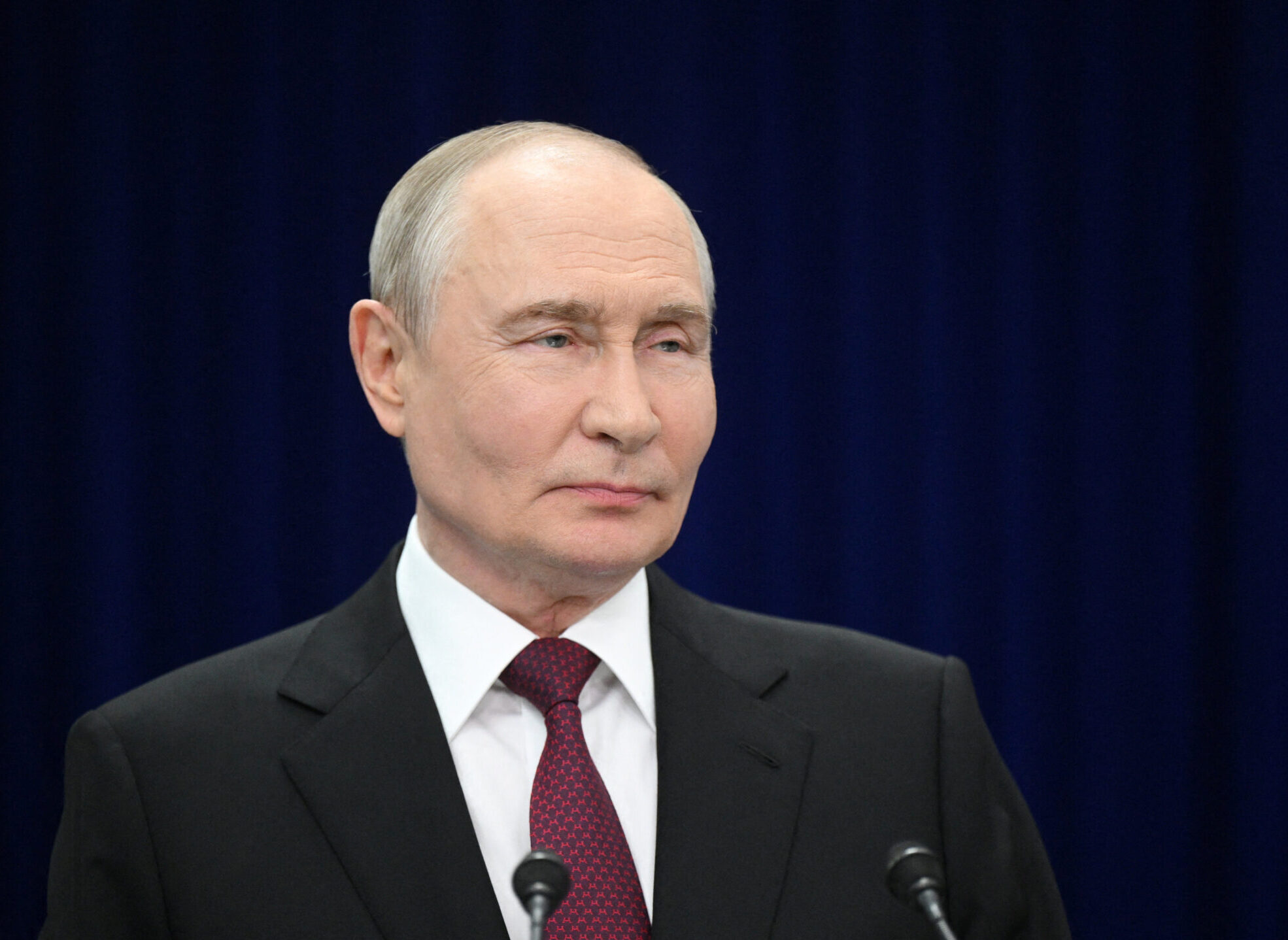
- A substantive ceasefire or negotiated settlement between Russia and Ukraine is unlikely over the next 1-3 months, despite Vladimir Putin's 3 September statement that constructive peace talks remain possible. Moscow has rejected a trilateral summit, Dmitry Peskov has said a summit has no point without a ready agreement, Sergei Lavrov has rejected a ceasefire based on current front lines, and Russian terms still require territorial concessions, withdrawal from Donbas, restrictions on NATO membership and limits on Ukraine's armed forces. The conflicting Russian statements leave private negotiating intent unresolved. (Confidence: medium · ASSESSED)
- I&W: Confirm: Moscow accepts a full, immediate and unconditional ceasefire, or schedules a Russia-Ukraine-US summit with a published agenda and draft agreement. (0-14 days)
- I&W: Break: Moscow rejects a ceasefire and repeats demands for Ukrainian territorial concessions, withdrawal from Donbas or restrictions on NATO membership and the Ukrainian military. (0-14 days)
- Russia is likely to continue expanding manpower through contract recruitment without an immediate formal mobilisation over the next 1-3 months, but confidence is low. Dmitry Medvedev reported about 200,000 defence contracts in the first six months of 2026, while other reporting describes a possible recruitment drive of 300,000 to 500,000 people and an assessment that Russian losses have exceeded replenishment since December 2025. Putin has publicly denied plans for a new mobilisation, creating a direct contradiction between reported internal planning and public policy. (Confidence: low · ASSESSED)
- I&W: Confirm: Russian authorities announce recruitment targets approaching 300,000 to 500,000 people, introduce regional quotas or report contract recruitment continuing at roughly 33,000 people per month. (0-3 months)
- I&W: Break: Putin or the Russian Cabinet announces a formal mobilisation, or Russian authorities publish evidence that contract recruitment has stopped expanding. (0-3 months)
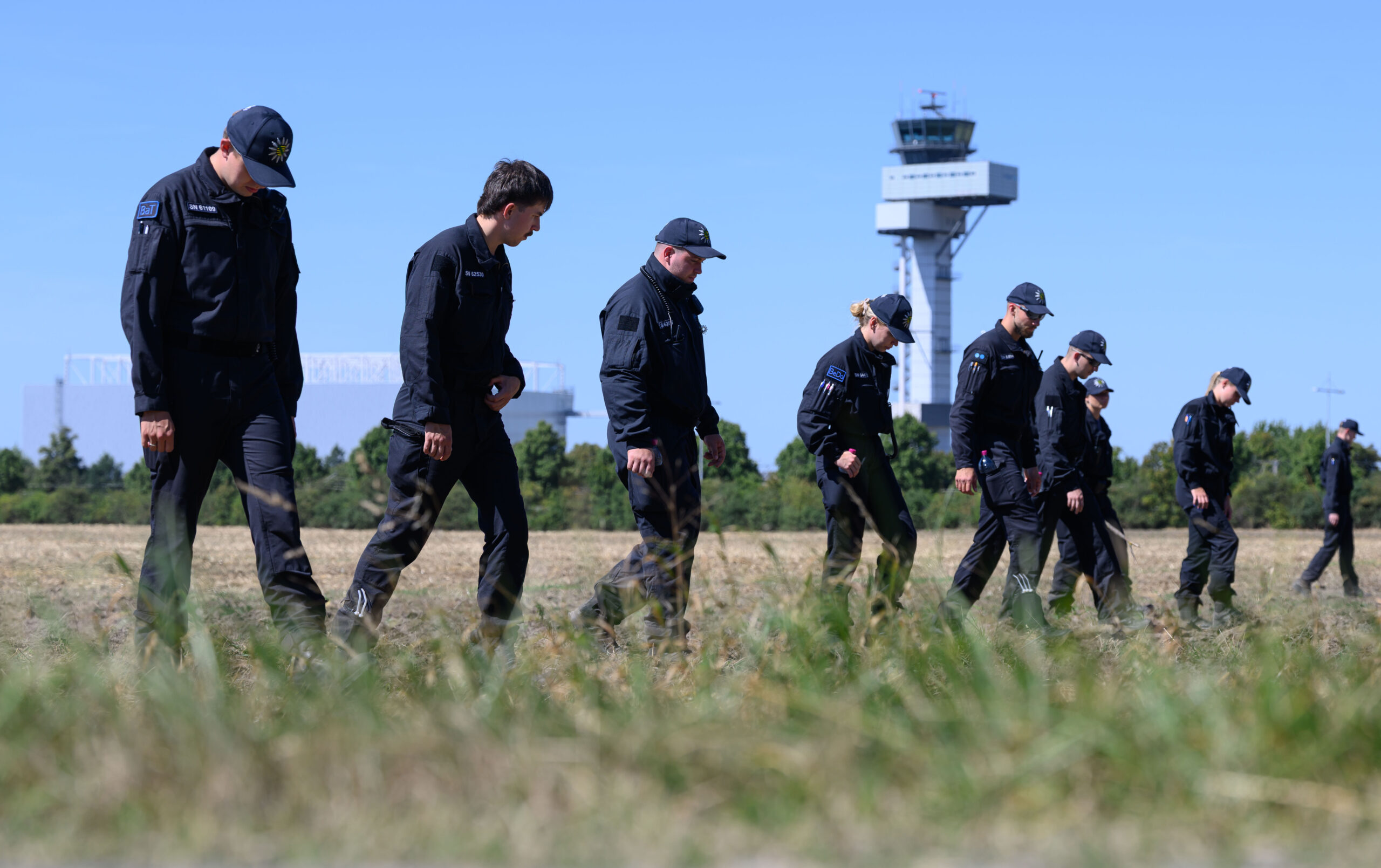
- Russia is likely to sustain grey-zone pressure against European support for Ukraine, but it is unlikely that current reporting will establish a single coordinated Russian-directed campaign across Germany, Poland, Slovakia and Norway. Germany has blamed Russia for the Leipzig Airport incident, the UK has summoned the Russian Chargé d'Affaires, and German investigators reportedly assessed state involvement. However, the Leipzig incident date is disputed, while attribution of reported arson, cyberattacks and other incidents in Poland, Slovakia and Norway remains less firmly established than the individual incidents themselves. (Confidence: low · ASSESSED)
- I&W: Confirm: German investigators publish additional evidence linking the Leipzig Airport incident to Russian state actors, or authorities in Poland, Slovakia or Norway publicly attribute a further incident to Russian state actors. (0-3 months)
- I&W: Break: Independent investigations attribute the reported incidents to non-Russian actors and no further incidents affecting European support to Ukraine are reported for three months. (0-3 months)
Outlook & scenarios
Continued attritional pressure and rear-area strikes (60%)
Russian forces sustain attacks in the Pokrovsk, Kostiantynivka, Lyman and Kupiansk directions while continuing drone and missile strikes against Kyiv, railways, ports and energy infrastructure. Ukrainian long-range attacks continue against Russian fuel, maritime and military targets, producing local disruption without changing the wider battlefield balance.
Limited Russian local gain without decisive breakthrough (25%)
Russian forces secure a local position near Kostiantynivka, Pokrovsk or Lyman and increase pressure towards Kramatorsk and Sloviansk. Ukrainian defence lines remain intact around the main urban areas, preventing a decisive operational breakthrough.
Negotiation channel opens without a ceasefire (25%)
A bilateral or US-facilitated channel opens after Putin's statement on constructive talks and the announced US envoy visit to Kyiv. Moscow continues to attach territorial, alliance and military conditions, so exploratory contacts do not produce a substantive ceasefire.
Wildcard: confirmed Russian-directed attack against a NATO member (8%)
A confirmed Russian-directed attack against a NATO member or major European transport facility triggers a direct alliance crisis and forces a rapid reassessment of escalation controls. This outcome is very unlikely, but its impact would exceed the current pattern of contested attribution and grey-zone activity.
Recommendations
- Maintain a daily front-line watch covering Pokrovsk, Kostiantynivka, Lyman, Kupiansk, Kramatorsk and Sloviansk. Separate verified changes in territorial control from Russian or Ukrainian claims, with specific attention to the unresolved Kostiantynivka status.
- Prioritise collection over the next 14 days on Russian launches of jet-powered drones, combined drone and missile attacks against Kyiv, and strikes on Ukrainian railway, port, border-crossing and power infrastructure. Record launch volume, target type, damage and duration separately.
- Track Ukrainian long-range effects inside Russia by checking the status of the Nefrit, the Omsk refinery, Rostov Oblast port operations and Russian fuel restrictions. Do not infer strategic degradation from individual fires or temporary closures without corroborated operational effects.
- Monitor Ukrainian maritime and rail resilience through Greater Odesa shipping activity, damage at the named Moldova and Romania crossings, locomotive deliveries and implementation of alternative routes. Treat reported shipping stoppage and port-attack totals as medium-confidence until independently corroborated.
- Treat Putin's peace-talk statement as exploratory until Moscow accepts a ceasefire, schedules a summit with a defined agenda or modifies its territorial, NATO and military demands. Maintain separate reporting on public statements and observable negotiating actions.
- Establish a dedicated manpower watch for Russian mobilisation decrees, regional recruitment quotas, contract volumes and force-generation measures. Keep the 300,000 to 500,000 recruitment report separate from the more firmly reported 200,000 contract figure and Putin's public denial.
- Require primary-source or multi-source verification before treating the Leipzig Airport incident as part of a coordinated Russian campaign. Record the incident date, attribution evidence and links to reported incidents in Poland, Slovakia and Norway separately.
Confidence & uncertainty
Overall confidence is high for the reported pattern of Russian front-line pressure, repeated strikes on Ukrainian urban and transport infrastructure, Ukrainian long-range attacks inside Russia and continuing diplomatic deadlock. The assessment draws on multiple official government, multilateral, major-media and high-reliability think-tank sources across the reporting period. The principal uncertainties concern the status of Kostiantynivka, conflicting casualty figures, the date and attribution of the Leipzig Airport incident, the distinction between contract recruitment and formal mobilisation, and Putin's conflicting negotiating signals. These uncertainties lower confidence in several forward-looking judgements without materially changing the high-confidence picture of sustained conflict activity.
Intelligence gaps
- [EEI 1.1 · UNCOVERED] Geotagged UAV/satellite imagery showing abandoned defensive positions or newly occupied settlements. Recommended collection: overhead imagery
- [EEI 1.2 · UNCOVERED] Confirmed movement of frontline ambulance evacuation routes beyond previous coordinates. Recommended collection: SIGINT/medical logistics
- [EEI 2.1 · UNCOVERED] Concentration of assault battalions (≥3 mechanized companies) within 15km of contact line. Recommended collection: SIGINT/UAV
- [EEI 2.2 · UNCOVERED] Unusual artillery stockpile buildup at forward depots exceeding 30-day consumption rates. Recommended collection: overhead imagery/logistics
- [EEI 3.1 · UNCOVERED] Bridge structural damage assessments at 5 key Dnieper River crossings via multispectral imaging. Recommended collection: overhead imagery
- [EEI 3.2 · PARTIAL] Rail traffic volume changes at Kryvyi Rih and Pokrovsk rail hubs compared to 7-day baseline. Recommended collection: commercial freight data
TLP:CLEAR