TLP:CLEAR · Disclosure is not limited.
Russia-Ukraine Front Line: Sustained Pressure and Long-Range Strike Escalation
Time window: Last 7 days · Audience: General analyst · Type: Situation report · DTG: 2026-08-29 07:08Z · Overall confidence: MEDIUM
BLUF
Russian forces retain pressure east of Slovyansk and towards the Donetsk Fortress Belt, while Ukrainian forces report local advances around Kostyantynivka and continue long-range strikes against Russian military and economic infrastructure. A decisive operational breakthrough remains unlikely over the next 1-3 months, but the UK announcement on missile production and Russia's response add a new escalation watchpoint.
Executive summary
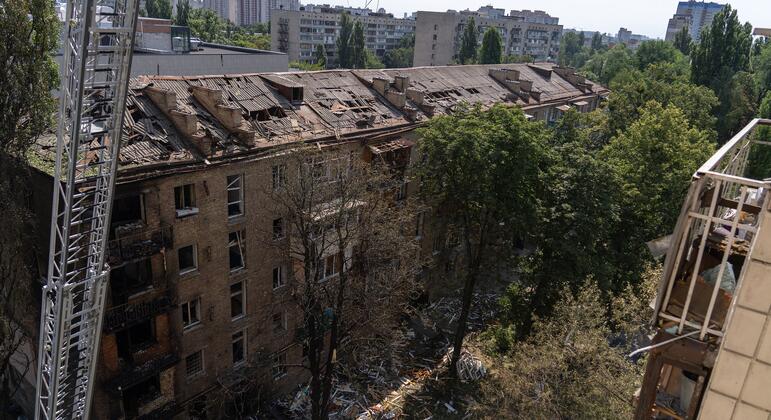
During 22-29 August 2026, reporting indicated Russian advances east of Slovyansk alongside Ukrainian advances in central Kostyantynivka, northeast of Oleksandrivka and west of Orikhiv. Ukrainian forces also struck Russian military assets in Krasnodar Krai and occupied Donetsk, while reported Ukrainian attacks disrupted the Perm oil refinery and hit four Ozon logistics hubs in southern Russia. Russian attacks continued to affect Ukrainian petrol stations and transport infrastructure, including facilities in Kharkiv, Kryvyi Rih, Kherson and the Odesa-linked border corridor. The front line therefore remains contested, with evidence of sustained Russian pressure but no reliable indication of an imminent decisive breakthrough.
Change from previous assessment
Since the 28 August 2026 brief, the front-line assessment is retained but now places greater weight on the reported Russian advance east of Slovyansk and Ukrainian advances in central Kostyantynivka, northeast of Oleksandrivka and west of Orikhiv. Confidence remains low because the territorial picture is thin. The long-range strike assessment is refreshed with reported Ukrainian attacks in Krasnodar Krai and occupied Donetsk between 23 and 26 August, alongside reported effects at the Perm refinery and four Ozon logistics hubs. The infrastructure judgment is narrowed from broad recurring disruption to a more specific assessment of local fuel and transport effects. A new escalation judgment covers the UK's 25 August missile-technology announcement and Russia's threats against British military targets. The prior breakthrough judgment is retained, while the current reporting does not independently reassess the nine-city strike described in the previous brief.
Key judgments
- Russian forces are likely to sustain offensive pressure east of Slovyansk and against the Donetsk Fortress Belt over the next 1-3 months, but a decisive breakthrough is unlikely. The Institute for the Study of War reported a recent Russian advance east of Slovyansk, while separate reporting placed Ukrainian advances in central Kostyantynivka, northeast of Oleksandrivka and west of Orikhiv. The reported 31 December 2026 deadline for seizing Donetsk Oblast provides Moscow an incentive to maintain pressure, but that deadline rests on a statement by Volodymyr Zelenskyy and lacks independent corroboration in the provided reporting. This is a low-confidence assessment because the territorial evidence is limited and the forward-looking conclusion is inferential. (Confidence: low · ASSESSED)
- I&W: Confirm: Within 0-14 days, independently geolocated Russian positions or assault activity are reported east of Slovyansk or at the approaches to the Donetsk Fortress Belt. (0-14 days)
- I&W: Break: Within 1-3 months, Russian forces are independently confirmed inside Slovyansk or central Kostyantynivka, or Ukrainian forces consolidate advances in all three reported areas around Kostyantynivka, Oleksandrivka and Orikhiv. (1-3 months)
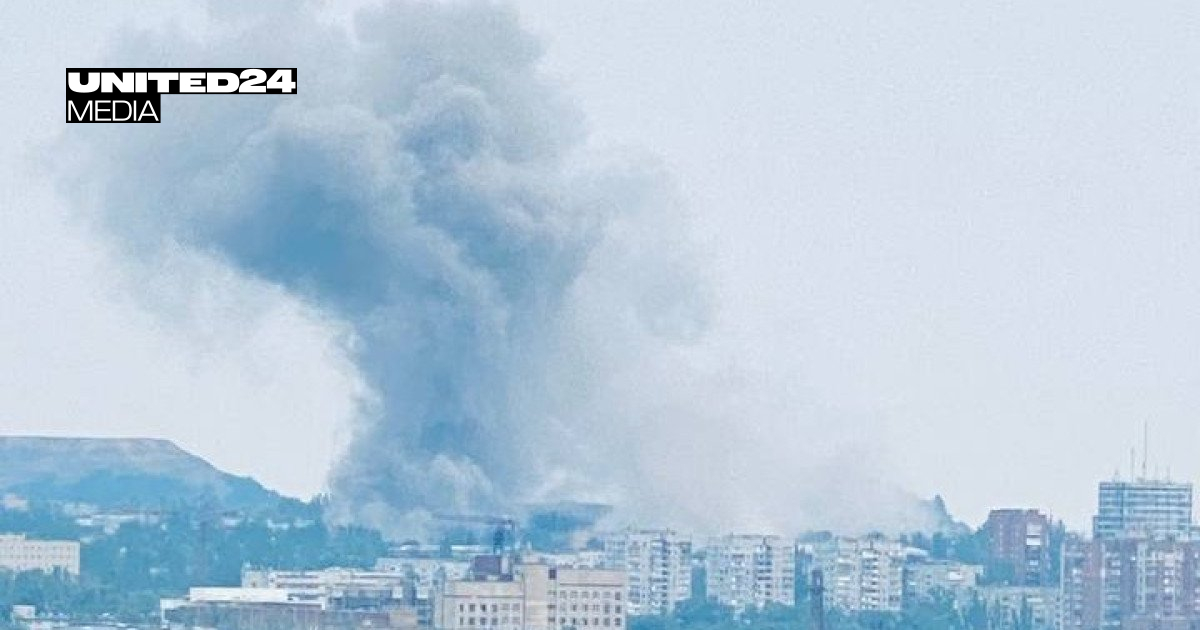
- Ukrainian forces are likely to continue long-range strikes against Russian military, fuel and logistics infrastructure over the next 1-3 months, extending from occupied Donetsk to Krasnodar Krai, Perm and southern Russia. Between 23 and 26 August, reporting described Ukrainian strikes on Russian military assets in Krasnodar Krai, two Russian-used facilities in occupied Donetsk, and several major drone attacks inside Russian territory. Ozon reported that four logistics hubs were hit, while Russia halted operations at the Perm oil refinery after Ukrainian drone attacks damaged key processing units. Confidence is medium because the strike pattern is reported across major-media, multilateral and think-tank sources, but the scale of damage and operational effect remain partly dependent on statements from involved parties. (Confidence: medium · ASSESSED)
- I&W: Confirm: Within 0-14 days, Russian or Ukrainian officials and commercial imagery confirm another Ukrainian strike on a named Russian refinery, Ozon logistics hub, air-defence asset or occupied-Donetsk military facility. (0-14 days)
- I&W: Break: Over the next 1-3 months, no further Ukrainian long-range strike against Russian territory or occupied Donetsk is reported and Perm refinery operations are confirmed restored. (1-3 months)
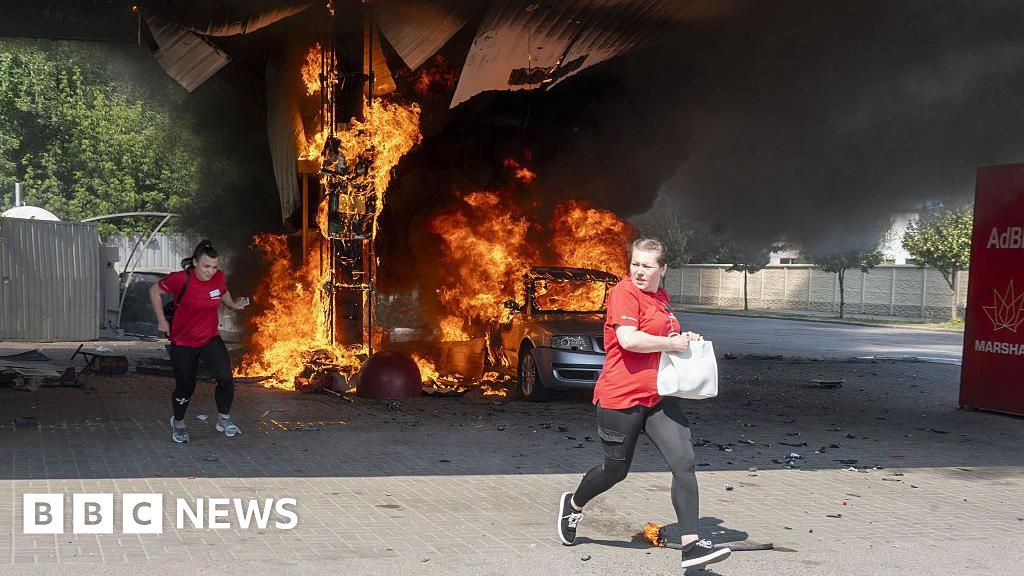
- Russian forces are likely to continue striking Ukrainian fuel and transport infrastructure over the next 1-3 months, causing recurring local disruption in Kharkiv, Kryvyi Rih and Ukrainian-controlled Kherson while keeping Odesa-linked bridges and crossings exposed. Reporting attributes more than 200 damaged Ukrainian petrol stations to Russian attacks since April, records two petrol stations hit in Kharkiv and three people killed at a petrol station outside Kryvyi Rih, and states that almost half of petrol stations in Ukrainian-controlled Kherson have stopped working. The reported national figure of 4% of filling stations damaged or destroyed indicates an uneven local effect rather than a nationwide fuel-system failure. The Odesa and Moldova-border strike pattern is less certain because the supporting reporting is low-confidence and has unresolved location and timeline issues. Confidence is medium overall, with lower confidence for the Odesa-border component. (Confidence: medium · ASSESSED)
- I&W: Confirm: Within 0-14 days, Ukrainian authorities or imagery confirm another Russian strike on a petrol station in Kharkiv or Kryvyi Rih, a closure in Ukrainian-controlled Kherson, or one of the named Odesa-linked crossings and bridges. (0-14 days)
- I&W: Break: Over the next 1-3 months, no further strikes on the named fuel and transport sites are reported and Ukrainian-controlled Kherson station operations return towards normal levels. (1-3 months)
- Russia is very likely to continue public threats against British military targets in response to Ukrainian use or planned production of UK-associated long-range missiles, but a direct Russian attack on a UK or other NATO target is unlikely over the next 1-3 months. On 25 August, the UK announced technical support for Ukraine's production of long-range missiles and the release of details on UK-made SCALP components. Russian officials subsequently warned that Moscow could strike British military targets inside and outside Ukraine. Western officials assess that Vladimir Putin wants to avoid a direct military confrontation with NATO. Confidence is medium because the threat reporting is corroborated by major-media sources, while Russian intent remains uncertain. (Confidence: medium · ASSESSED)
- I&W: Confirm: Within 0-14 days, Russian Foreign Ministry or Defence Ministry officials issue another explicit warning naming a British military target or British personnel after a Ukrainian SCALP-related strike or production announcement. (0-14 days)
- I&W: Break: Within 1-3 months, a confirmed Russian kinetic strike hits a British facility, vessel or personnel, or a target in another NATO state outside Ukraine. (1-3 months)
- Meaningful peace negotiations are unlikely to produce a settlement over the next 1-3 months. Vladimir Putin reiterated an unwillingness to engage in meaningful negotiations on 22 August, while his United Russia speech framed victory in Ukraine as the party's duty. A separate report described Volodymyr Zelenskyy's 23 August proposal to end the war as offering Ukrainian concessions while Putin and other Kremlin officials continued to reject their core demands. This is a medium-confidence assessment because the reporting relies substantially on think-tank interpretation and statements from the parties rather than evidence of a formal negotiating process. (Confidence: medium · ASSESSED)
- I&W: Confirm: Within 0-14 days, Putin or other Kremlin officials reject a formal ceasefire proposal while Russian military activity continues around Slovyansk and Donetsk. (0-14 days)
- I&W: Break: Within 1-3 months, Russia and Ukraine announce formal negotiations that produce a mutually accepted ceasefire or settlement framework. (1-3 months)
Outlook & scenarios
Protracted Russian pressure with Ukrainian local counterpressure (55%)
Russian forces maintain pressure east of Slovyansk and towards the Donetsk Fortress Belt. Ukrainian forces retain the ability to make local advances around Kostyantynivka, Oleksandrivka and Orikhiv. Both sides continue long-range strikes without securing a decisive operational breakthrough.
Russian operational gain in Donetsk (25%)
Russian forces convert their reported advance east of Slovyansk into further gains towards the Donetsk Fortress Belt, supported by Moscow's stated objective of seizing Donetsk Oblast by 31 December 2026. Ukrainian forces contain the advance elsewhere but lose ground on the Slovyansk axis.
Ukrainian disruption of Russia's rear areas (20%)
Ukrainian forces expand strikes on Russian refineries, logistics hubs and military facilities in occupied Donetsk, Krasnodar Krai and deeper inside Russia. Disruption at Perm and Ozon sites becomes recurrent, imposing local pressure on Russian fuel and military logistics without producing a front-line breakthrough.
Russian strike on a British or NATO-linked target (8%)
This low-probability, high-impact scenario involves Russia translating its warnings over UK-associated missiles into a kinetic strike against a British facility, vessel or personnel, or a target in another NATO state outside Ukraine. The conflict would enter a sharper escalation cycle while direct Russia-NATO confrontation becomes harder to contain.
Recommendations
- Prioritise daily collection on the Slovyansk axis, the Donetsk Fortress Belt and central Kostyantynivka. Require geolocated imagery or independent battlefield reporting before treating territorial claims as established.
- Track Ukrainian long-range strike activity separately by target category: Russian military assets, occupied-Donetsk facilities, oil refineries and logistics hubs. Record confirmed physical damage, operational downtime and claimed effects as separate fields.
- Maintain an escalation watchlist for the UK missile-production announcement. Flag Russian statements that name British targets, UK personnel or NATO territory, and distinguish rhetorical warnings from confirmed military activity.
- Monitor fuel and transport indicators in Kharkiv, Kryvyi Rih, Ukrainian-controlled Kherson and the Odesa-linked border corridor. Separate local station closures from evidence of national fuel-market disruption.
- Treat the reported 31 December 2026 Donetsk deadline, the alleged role of a Donetsk facility as a 51st Combined Arms Army command post, and the Odesa-border strike pattern as unconfirmed until independent evidence becomes available.
- Use the absence of a formal ceasefire framework as a live indicator rather than assuming diplomatic movement from public proposals. Reassess promptly if Russia and Ukraine announce negotiations with agreed terms.
Confidence & uncertainty
Overall confidence is medium. The strongest judgments draw on several major-media, think-tank and multilateral reports covering Russian and Ukrainian long-range strikes, refinery and logistics disruption, and local fuel infrastructure damage. Confidence is lower on territorial developments, the reported Russian deadline for Donetsk Oblast, the alleged command-post target in occupied Donetsk and the Odesa-border strike pattern because these rely on single-source, party-attributed or low-confidence reporting. The reporting set also contains unresolved date and location discrepancies.
Intelligence gaps
- [EEI 1.1 · UNCOVERED] Geotagged UAV/satellite imagery showing abandoned defensive positions or newly occupied settlements. Recommended collection: overhead imagery
- [EEI 1.2 · UNCOVERED] Confirmed movement of frontline ambulance evacuation routes beyond previous coordinates. Recommended collection: SIGINT/medical logistics
- [EEI 2.1 · UNCOVERED] Concentration of assault battalions (≥3 mechanized companies) within 15km of contact line. Recommended collection: SIGINT/UAV
- [EEI 2.2 · UNCOVERED] Unusual artillery stockpile buildup at forward depots exceeding 30-day consumption rates. Recommended collection: overhead imagery/logistics
- [EEI 3.1 · PARTIAL] Bridge structural damage assessments at 5 key Dnieper River crossings via multispectral imaging. Recommended collection: overhead imagery
- [EEI 3.2 · UNCOVERED] Rail traffic volume changes at Kryvyi Rih and Pokrovsk rail hubs compared to 7-day baseline. Recommended collection: commercial freight data
Cited sources
[1] Institute for the Study of War · Russian Offensive Campaign Assessment, August 23, 2026 (B) · sha256:6b844413e14b [2] understandingwar.org · Russian Offensive Campaign Assessment, August 22, 2026 (B) · sha256:4589d200783a [3] United Nations · Security Council LIVE: Civilian suffering grows in Russia-Ukraine war (A) · sha256:70d6d8fca789 [4] united24media.com · Ukrainian Missiles Strike Two Russian Military Facilities in Temporarily Occupied Donetsk, Video (B) · sha256:68aecf0fc788 [5] aljazeera.com · Russia to seize poorly protected infrastructure amid Ukraine drone attacks (B) · sha256:614568593dfa [6] aljazeera.com · Russia warns it could target UK in response to Kyiv firing British missiles (A) · sha256:137403038a67 [7] BBC · As Ukraine hits Russia's refineries, Russia targets Ukraine's petrol pumps (A) · sha256:1ade9554d55c [8] understandingwar.org · Russian Offensive Campaign Assessment, August 25, 2026 (B) · sha256:b69ecb74aca5 [9] npr.org · U.K. will help Ukraine make long-range missiles by sharing classified tech information (A) · sha256:fad37041d3eb [10] bbc.co.uk · Russia ramps up rhetoric but wants to avoid war with Nato - Western officials tell BBC (A) · sha256:2e7d7e6f5ab6
Source content hashes were computed at collection time; the cited text is preserved unmodified for the life of this product.
TLP:CLEAR