TLP:CLEAR · Disclosure is not limited.
Russia-Ukraine Front Line: Sustained Pressure, Contested Gains
Time window: Last 7 days · Audience: General analyst · Type: Situation report · DTG: 2026-09-01 07:14Z · Overall confidence: HIGH
BLUF
Russian forces are likely to maintain intense pressure across the Pokrovsk, Kostiantynivka, Sloviansk, Lyman and South Slobozhanskyi sectors over the next 0-14 days, but a decisive breakthrough remains unlikely. Ukrainian forces are likely to retain local counterattack capacity, while Russian strikes on Kyiv and Ukrainian infrastructure and Ukrainian strikes on Russian fuel and military targets are very likely to continue.
Executive summary
The front line remains highly active but lacks a confirmed decisive shift. Ukrainian reporting recorded 173 combat clashes on 31 August, including 32 Russian attacks repelled near Pokrovsk, 16 near Kostiantynivka, five near Lyman and two stopped in the Sloviansk sector. Russian forces also launched 13 assaults in the South Slobozhanskyi sector. Russian and Ukrainian claims remain directly opposed over control of Kostiantynivka and the distance of Russian forces from Sloviansk. The strike campaign is expanding in both depth and effect, with Russian attacks concentrated on Kyiv and Ukrainian infrastructure, and Ukrainian strikes affecting Russian refineries, airfields, logistics and maritime operations. Diplomatic contact at the G20 has not produced evidence of progress towards a ceasefire.
Change from previous assessment
Since the 31 August prior brief, the main assessment is unchanged: Russian forces are still likely to sustain pressure, a decisive breakthrough remains unlikely, and both sides are likely to continue long-range strikes. The update adds clearer 31 August operational detail, including 173 combat clashes, 32 Russian attacks repelled in the Pokrovsk sector, 16 in the Kostiantynivka sector, five advance attempts repelled in the Lyman sector, two Sloviansk advance attempts stopped and 13 Russian assaults in the South Slobozhanskyi sector. Confidence in any Russian capture of Kostiantynivka remains constrained by the direct contradiction between Russian and Ukrainian reporting. The brief adds a separate judgement on G20 contact and no negotiating progress, and retains low confidence in reports of an imminent 600,000-person Russian mobilisation because those reports conflict with an official denial and competing force estimates.
Key judgments
- Russian forces are likely to sustain high operational pressure across the Pokrovsk, Kostiantynivka, Sloviansk, Lyman and South Slobozhanskyi sectors over the next 0-14 days and 1-3 months, but a decisive Russian capture of Kostiantynivka, Sloviansk or Kramatorsk is unlikely. Ukrainian General Staff reporting recorded 173 clashes on 31 August, including 32 Russian attacks repelled in the Pokrovsk sector, 16 in the Kostiantynivka sector, five advance attempts stopped in the Lyman sector and two advance attempts stopped in the Sloviansk sector. Russian forces also launched 13 assaults in the South Slobozhanskyi sector. Kostiantynivka remains under Ukrainian control in Ukrainian reporting, while the Russian Ministry of Defence claims to have captured it. Russian proximity to Sloviansk is also unresolved, with Valery Gerasimov claiming a distance of four kilometres, compared with Deep State and ISW mapping that places Russian forces 12-16 kilometres away and another estimate of 5-15 kilometres. The assessment is based on multiple reports, but battlefield control and distance claims remain contested. (Confidence: medium · ASSESSED)
- I&W: Confirm if geolocated imagery establishes Russian forces inside Kostiantynivka or shows verified Russian positions moving materially closer to Sloviansk and Kramatorsk. (0-14 days)
- I&W: Break if Ukrainian forces continue to hold Kostiantynivka and independent geolocation confirms no Russian territorial gain near Sloviansk, Kramatorsk or Lyman. (0-14 days)
- Ukrainian forces are likely to retain local counterattack capacity around Dobropillia, Dvorichna, southern Donetsk and Zaporizhzhia over the next 0-14 days and 1-3 months, but an operational Ukrainian breakthrough is unlikely. ISW-linked geolocated reporting indicates Ukrainian advances in Vodyanske and Krasnopodillia south of Dobropillia and southwest of Dvorichna north of Kupiansk. Additional reporting describes Ukrainian advances in the Kharkiv, Donetsk and Zaporizhzhia regions. A Russian military blogger claimed further Russian gains near Zolotyi Kolodiaz, Novovodiane, Bilozetske and Dobropillia, but ISW said geolocated evidence did not support all of those claims. Separate social-media reporting that Russian forces pushed into Dobropillia remains uncorroborated. The assessment therefore rests on a combination of geolocated reporting and contested battlefield claims. (Confidence: medium · ASSESSED)
- I&W: Confirm if new geolocated footage shows Ukrainian forces holding additional positions around Vodyanske, Krasnopodillia, Dvorichna or the Nove-Katerynivka area. (0-14 days)
- I&W: Break if independent imagery confirms sustained Russian control inside Dobropillia or a Russian advance that severs Ukrainian positions south of the city. (0-14 days)
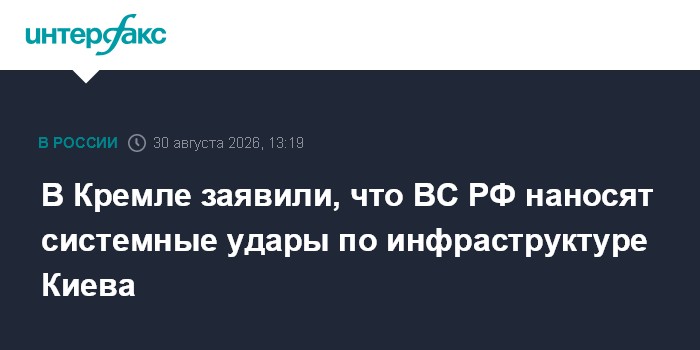
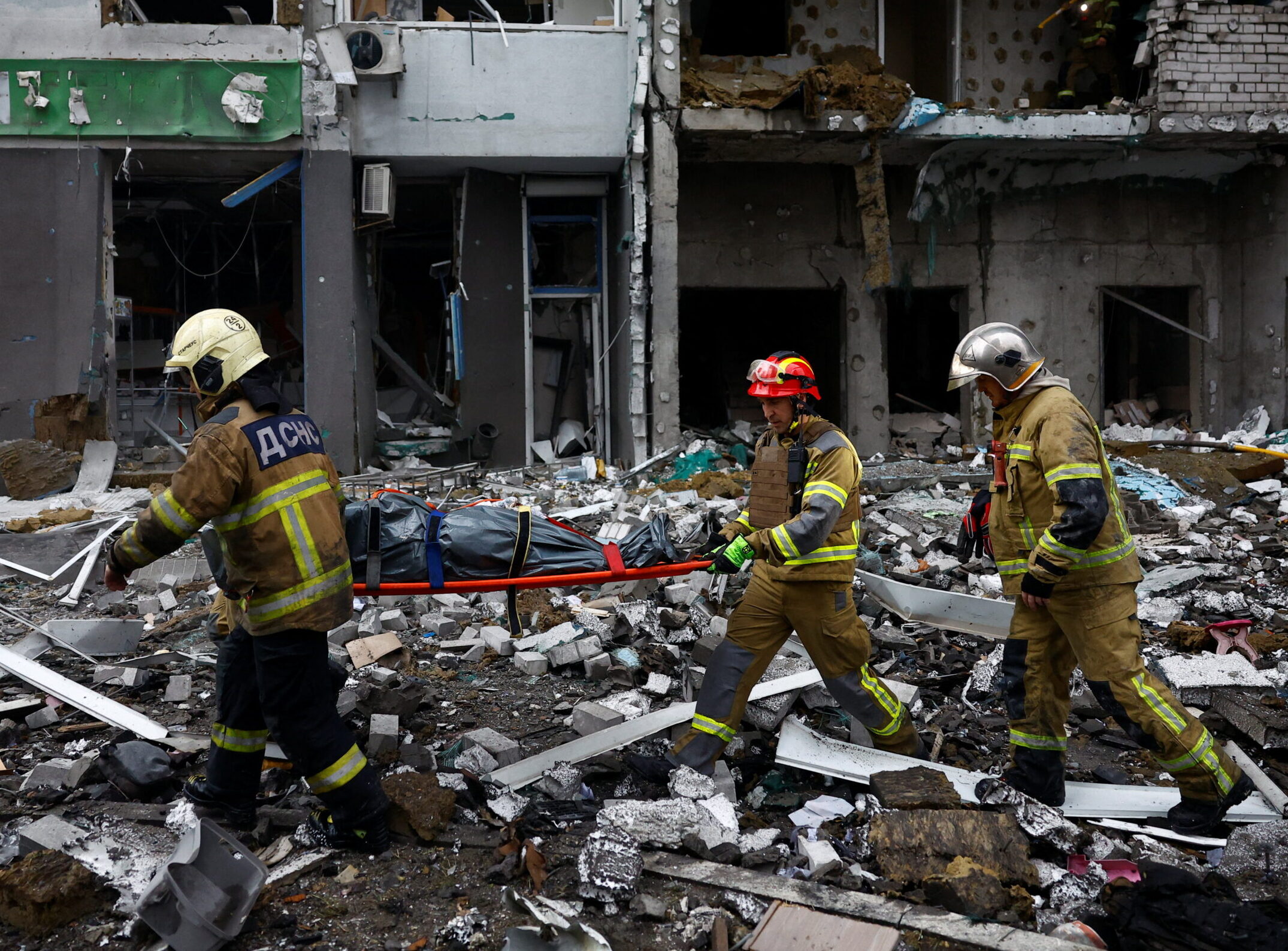
- Russian forces are very likely to continue high-volume combined drone and missile strikes against Kyiv City, Kyiv Oblast and Ukrainian military, logistics and civilian infrastructure over the next 0-14 days. The 28-29 August strike series lasted more than 28 hours and involved more than 550 S8000 Banderol, Shahed, Gerbera and Parodiya systems, alongside Onyx and Iskander-M missiles launched from occupied Crimea. Kyiv City reporting recorded strikes for a third consecutive day, with injuries and damage to residential and civilian infrastructure. Ukraine also reported a critical shortage of Patriot interceptors, although it intercepted seven Iskander-M or KN-23 ballistic missiles on 27 August. Russian claims that strikes target only military and near-military infrastructure conflict with Ukrainian and multilateral reporting of civilian harm. The continuation assessment has high confidence because the strike pattern is supported by multiple high-confidence reports, while attribution of intent remains contested. (Confidence: high · ASSESSED)
- I&W: Confirm if another combined Russian drone and missile series lasts more than 24 hours or produces new civilian casualties and infrastructure damage in Kyiv City or Kyiv Oblast. (0-14 days)
- I&W: Break if no Russian drone or missile strike is reported against Kyiv City or Kyiv Oblast for 14 consecutive days and Ukrainian reporting records improved ballistic-missile interception capacity. (0-14 days)
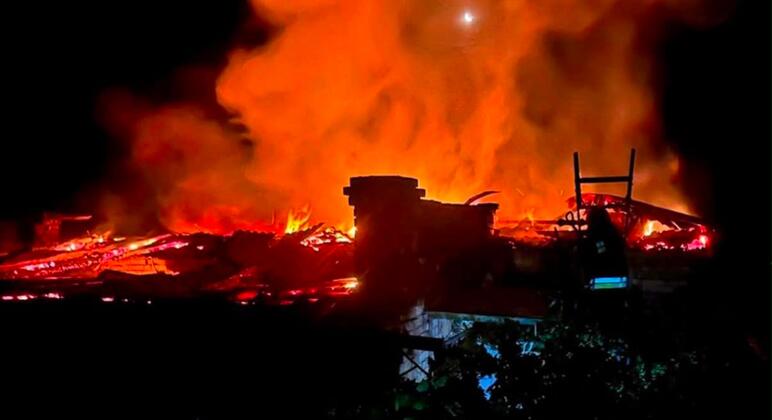
- Ukrainian forces are likely to continue long-range drone strikes against Russian refineries, airfields, military logistics and maritime infrastructure over the next 1-3 months, with local disruption very likely but a strategic degradation of Russia's war effort unlikely to be established. Ukraine has struck Russian refineries 31 times since the beginning of June, including a refinery in Omsk almost 2,500 kilometres from the Russia-Ukraine border. Ukrainian reporting also describes damage to a Tu-95MS bomber at Engels-2, 18 drone-storage buildings at Primorsko-Akhtarsk, a Sukhoi-24 at Saky, warehouses in Rostov Oblast and Russian maritime logistics infrastructure. The Rostov Oblast state of emergency and Russia's fuel export ban indicate operational effects. Claims that 25-30 percent of Russian refining capacity has been removed and that Russia faces its worst fuel crisis since the Soviet collapse remain insufficiently corroborated, lowering confidence in the broader strategic effect. (Confidence: medium · ASSESSED)
- I&W: Confirm if Ukrainian strikes produce further closures at Russian refineries, additional fuel-import measures or new restrictions on maritime operations in Rostov Oblast. (1-3 months)
- I&W: Break if Russian fuel exports resume without new restrictions, refinery operations return to reported normal levels and Ukrainian strikes show no further effect on ports or military logistics. (1-3 months)
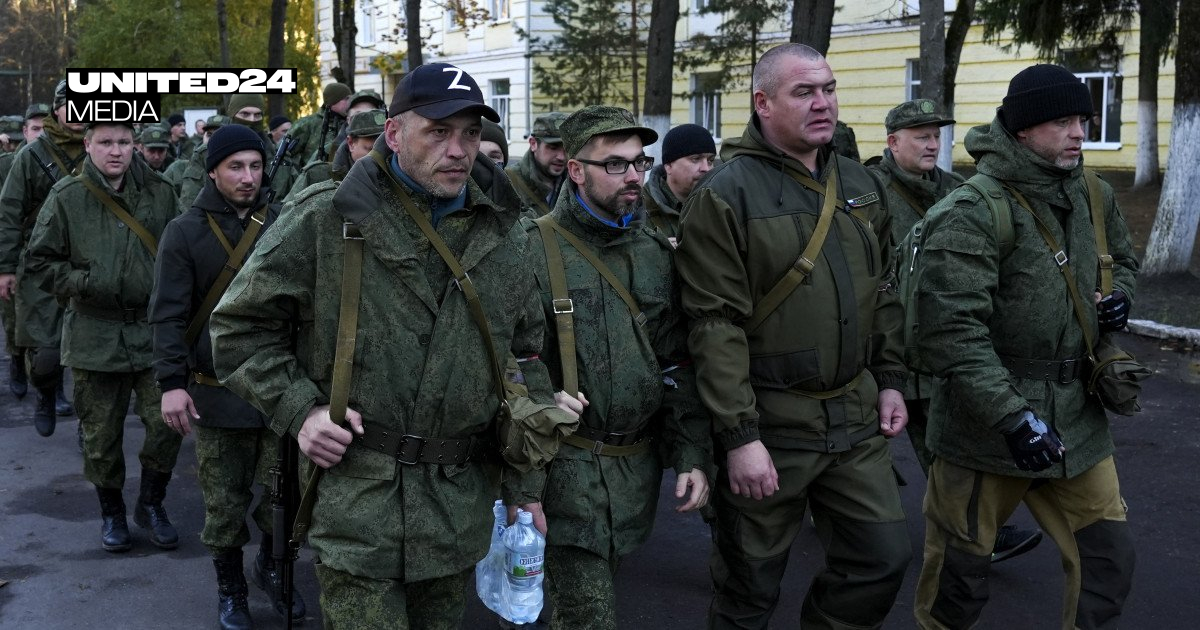
- Russian authorities are likely to expand administrative and coercive force-generation measures over the next 1-3 months, but an imminent mobilisation of 600,000 people beginning in September is unlikely to be confirmed. The Russian Ministry of Defence has proposed wider access to personal data for assessing citizens for military positions, and Russian military authorities have reportedly intensified coercive recruitment in Penza Oblast. These indicators point to force-generation pressure. They do not establish a 600,000-person mobilisation. That figure comes from a single report and conflicts with Dmitry Medvedev's official denial of mobilisation plans and with a separate report that Vladimir Putin is committed to deploying 300,000-400,000 additional troops. The judgement is low confidence because the central mobilisation claim is thinly corroborated and directly contradicted. (Confidence: low · ASSESSED)
- I&W: Confirm if Russia publishes a mobilisation order, introduces nationwide call-up measures or expands military recruitment beyond the reported activity in Penza Oblast. (0-14 days)
- I&W: Break if the draft personal-data amendment remains inactive, recruitment activity in Penza Oblast declines and Russian officials continue to deny mobilisation plans without contrary administrative evidence. (1-3 months)
- A ceasefire or substantive negotiated settlement between Russia and Ukraine is unlikely over the next 1-3 months, despite renewed high-level contact at the G20. Peace negotiations have made no progress in 2026. Anton Siluanov's attendance at US-hosted G20 finance talks and his meeting with Scott Bessent created a channel for discussion, but Russian and US accounts differ over whether the meeting focused on financial cooperation or the Ukraine peace plan. Bessent reportedly withheld economic relief until the war ends, while European ministers excluded Siluanov from the G20 family photograph and Lars Klingbeil said Europe was preparing further sanctions. The assessment has medium confidence because the absence of negotiating progress is directly reported, while the significance of the G20 contact remains uncertain. (Confidence: medium · ASSESSED)
- I&W: Confirm if Washington, Moscow and Kyiv announce a formal negotiating agenda, a ceasefire mechanism or a mutually accepted settlement framework. (1-3 months)
- I&W: Break if the G20 contact produces no follow-on meeting and Russia and Ukraine continue military operations without a jointly announced pause. (1-3 months)
Outlook & scenarios
Sustained Russian pressure, limited territorial change (65%)
Likely over the next 0-14 days. Russian forces continue attacks around Pokrovsk, Kostiantynivka, Sloviansk, Lyman and South Slobozhanskyi. Ukrainian Defence Forces hold key defensive positions and conduct local counterattacks near Dobropillia, Dvorichna and selected Donetsk and Zaporizhzhia positions. The front line shifts locally without a decisive Russian capture of Kostiantynivka, Sloviansk or Kramatorsk.
Local Ukrainian counterattacks constrain Russian advances (35%)
Also likely over the next 1-3 months. Ukrainian forces consolidate gains near Vodyanske, Krasnopodillia and Dvorichna and continue counterattacks near Nove, Katerynivka and Ridkodub. Russian forces retain the manpower and firepower to sustain attacks, but Ukrainian resistance prevents a rapid operational breakthrough.
Wildcard: reciprocal deep strikes and infrastructure disruption (15%)
Unlikely but high impact over the next 1-3 months. Russian forces intensify combined drone and missile strikes against Kyiv City, Kyiv Oblast and Ukrainian energy, logistics and civilian infrastructure. Ukrainian forces respond with further attacks on Russian refineries, airfields, warehouses, ports and maritime logistics. Civilian casualties, fuel disruption and humanitarian access problems increase before winter.
Limited diplomatic contact without a settlement (20%)
Unlikely over the next 1-3 months. US-Russia contact continues through financial or political channels after the Asheville G20 meeting, but Russia and Ukraine do not reach a ceasefire. European sanctions preparation continues while battlefield operations and long-range strikes persist.
Recommendations
- Maintain a 0-14 day sector dashboard covering Pokrovsk, Kostiantynivka, Sloviansk, Lyman, South Slobozhanskyi, Dobropillia and Dvorichna. Require geolocated evidence before recording a change in control.
- Report Kostiantynivka and the Russian distance from Sloviansk as disputed rather than settled. Separate Ukrainian General Staff reporting, Russian Ministry of Defence claims, Russian military-blogger claims and independent mapping in analytic products.
- Track Russian combined strikes against Kyiv City and Kyiv Oblast alongside Patriot interceptor availability. Pair official Ukrainian casualty and interception data with UN, WHO and municipal reporting, and keep target attribution separate from reported physical damage.
- Monitor the effects of Ukrainian long-range strikes on Russian refineries, Omsk, Engels-2, Primorsko-Akhtarsk, Rostov Oblast and maritime logistics. Treat claims about national refining losses as unconfirmed until operational closures, fuel-import measures or export restrictions provide additional evidence.
- Create a force-generation watchlist for enactment of the Russian Ministry of Defence personal-data amendment, recruitment activity in Penza Oblast, nationwide mobilisation measures and changes in official troop-recruitment statements. Do not treat the reported 600,000-person figure as confirmed.
- Prioritise humanitarian monitoring for Kyiv, Dnipro, Kyiv Oblast and Donetsk region. Track damage to WHO and UNICEF facilities, convoy access to hard-to-reach settlements, medical-supply stocks and winter-preparation capacity.
- Assess the G20 contact through follow-on actions rather than attendance alone. Monitor for a formal negotiating agenda, a ceasefire mechanism, changes in US economic-relief conditions or additional European sanctions measures.
Confidence & uncertainty
Overall confidence is high for the established pattern of intensive front-line combat, recurring Russian strikes on Ukraine, Ukrainian long-range attacks on Russian military and economic infrastructure, and continuing humanitarian effects. The assessment draws on corroborated reporting from WHO and UN agencies, ISW, Ukrainian official reporting, major media, NASA FIRMS and official government statements. The main uncertainties concern the control status of Kostiantynivka, Russian proximity to Sloviansk, the scale of Russian personnel losses, the operational effect of Ukrainian strikes on Russian refining and the likelihood of a Russian mobilisation. These uncertainties lower confidence in specific battlefield and force-generation judgements without overturning the broader situation assessment.
Intelligence gaps
- [EEI 1.2 · UNCOVERED] Confirmed movement of frontline ambulance evacuation routes beyond previous coordinates. Recommended collection: SIGINT/medical logistics
- [EEI 2.1 · PARTIAL] Concentration of assault battalions (≥3 mechanized companies) within 15km of contact line. Recommended collection: SIGINT/UAV
- [EEI 2.2 · UNCOVERED] Unusual artillery stockpile buildup at forward depots exceeding 30-day consumption rates. Recommended collection: overhead imagery/logistics
- [EEI 3.1 · UNCOVERED] Bridge structural damage assessments at 5 key Dnieper River crossings via multispectral imaging. Recommended collection: overhead imagery
- [EEI 3.2 · UNCOVERED] Rail traffic volume changes at Kryvyi Rih and Pokrovsk rail hubs compared to 7-day baseline. Recommended collection: commercial freight data
Cited sources
[1] Ukrinform · War update: 173 Clashes on the Front Line, Ukrainian Forces Neutralize Over 70 Russian Troops in Pokrovsk Sect (B) · Mon Aug 31 2026 20:50:00 GMT+0000 (Coordinated Universal Time) · sha256:45a64f4c09ff [2] UNITED24 Media · Ukraine Thwarts Russia’s 2026 Spring and Summer Offensives as Russian Losses Top 200,000 (B) · Mon Aug 31 2026 11:28:49 GMT+0000 (Coordinated Universal Time) · sha256:32fadff47cc7 [3] Observer Research Foundation (ORF) · Russia-Ukraine War: Frozen Front, Burning Hinterland (C) · Sat Aug 29 2026 13:06:08 GMT+0000 (Coordinated Universal Time) · sha256:e6ab22ff4160 [4] Al Jazeera · Ukraine reinforces Donetsk as it seeks to disrupt Russia’s weapons flow (A) · Fri Aug 28 2026 16:42:31 GMT+0000 (Coordinated Universal Time) · sha256:cd8e599ffb43 [5] United24 Media · Ukraine Pushes Forward in Kharkiv, Donetsk and Zaporizhzhia Regions, ISW Reports (B) · Thu Aug 27 2026 09:29:05 GMT+0000 (Coordinated Universal Time) · sha256:e46edcae3c29 [6] Balkan Mapper · DOBROPILLYA FRONT COLLAPSE 🗡️ Russian Forces Push Into City | Lyman Offensive Rebuffed [30-31 Aug] (E) · sha256:9d38c23afae3 [7] Institute for the Study of War (ISW) · Russian Offensive Campaign Assessment, August 29, 2026 (B) · Sat Aug 29 2026 22:06:07 GMT+0000 (Coordinated Universal Time) · sha256:abb3fede183d [8] Atlantic Council · Ukrainians are not superheroes with endless powers of resilience (C) · Thu Aug 27 2026 20:52:29 GMT+0000 (Coordinated Universal Time) · sha256:797080ccc97a [9] United Nations (UN News) · WHO reports more than 3,200 attacks on Ukraine’s healthcare system since full-scale invasion (A) · Fri Aug 28 2026 19:04:14 GMT+0000 (Coordinated Universal Time) · sha256:24473abcc473 [10] Interfax · В Кремле заявили, что ВС РФ наносят системные удары по инфраструктуре Киева (A) · Sun Aug 30 2026 10:19:00 GMT+0000 (Coordinated Universal Time) · sha256:01745ead52e7 [11] Institute for the Study of War (ISW) · Russian Offensive Campaign Assessment, August 28, 2026 (B) · Sat Aug 29 2026 02:28:23 GMT+0000 (Coordinated Universal Time) · sha256:698848144bcb [12] Atlantic Council · Drone parade showcases Ukraine's remarkable military transformation (C) · Thu Aug 27 2026 18:57:53 GMT+0000 (Coordinated Universal Time) · sha256:8b58185b4b6d [13] Institute for the Study of War (ISW) · Russian Offensive Campaign Assessment, August 31, 2026 (B) · Tue Sep 01 2026 01:48:34 GMT+0000 (Coordinated Universal Time) · sha256:0d1553775488 [14] UATV Português · CATÁSTROFE PARA PUTIN: Menos 40 000 soldados em agosto! A Ucrânia espera MÍSSEIS POTENTES (E) · sha256:8ffd8a34b3ec [15] UATV English · CATASTROPHIC LOSSES: Russia loses 40k troops in August! Ukraine to produce SCALP missiles (E) · sha256:bbc38140ba95 [16] Al Jazeera · US brings back Russia’s Siluanov to G20 finance talks, angering Europe (A) · Tue Sep 01 2026 02:23:03 GMT+0000 (Coordinated Universal Time) · sha256:ebf883d5ed55
Source content hashes were computed at collection time; the cited text is preserved unmodified for the life of this product.
TLP:CLEAR