TLP:CLEAR · Disclosure is not limited.
Russia-Ukraine Front Line: Sustained Strike Exchange Without Confirmed Breakthrough
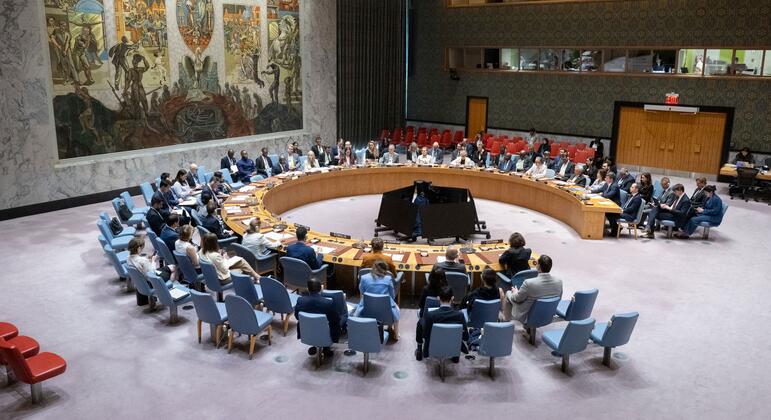
Time window: Last 7 days · Audience: General analyst · Type: Situation report · DTG: 2026-08-25 18:23Z · Overall confidence: MEDIUM
BLUF
Russian long-range strikes against Ukraine and Ukrainian deep strikes against Russian infrastructure are continuing. The supplied front-line reporting does not establish a decisive operational breakthrough, leaving sustained attrition and ballistic missile pressure as the most likely near-term pattern.
Executive summary
Between 18 and 25 August 2026, Russian forces conducted a deadly ballistic missile and drone attack on Kyiv, while Ukrainian forces continued strikes against Russian territory, fuel infrastructure and logistics. Ukraine remains exposed to ballistic missile pressure, with additional Patriot interceptor deliveries not scheduled until 2027 to 2028. Reports of Ukrainian advances near Kostyantynivka, Oleksandrivka and Orikhiv conflict with claims of Russian recaptures elsewhere, so the front-line balance remains unresolved. Civilian harm is likely to remain high, but reported casualty totals for the 20 August Kyiv attack should not be combined.
Change from previous assessment
Compared with the 25 August prior brief, the assessment retains the judgments that Russian long-range strikes and Ukrainian deep strikes are likely to continue, that Ukraine remains exposed to ballistic missile pressure, and that no decisive front-line breakthrough is established. The current material adds reporting of 726 Ukrainian drones intercepted by Russian air defences, a further Russian launch involving ballistic missiles and 271 drones, reported Russian fuel shortages and additional claims of Ukrainian territorial gains. These developments strengthen the assessment of a sustained strike exchange but do not raise confidence in a decisive front-line shift, which remains low. The prior AI partnership and UK coercive-warning judgments are not updated because the current material does not provide new implementation evidence for the former or enough corroboration to raise confidence in the latter.
Key judgments
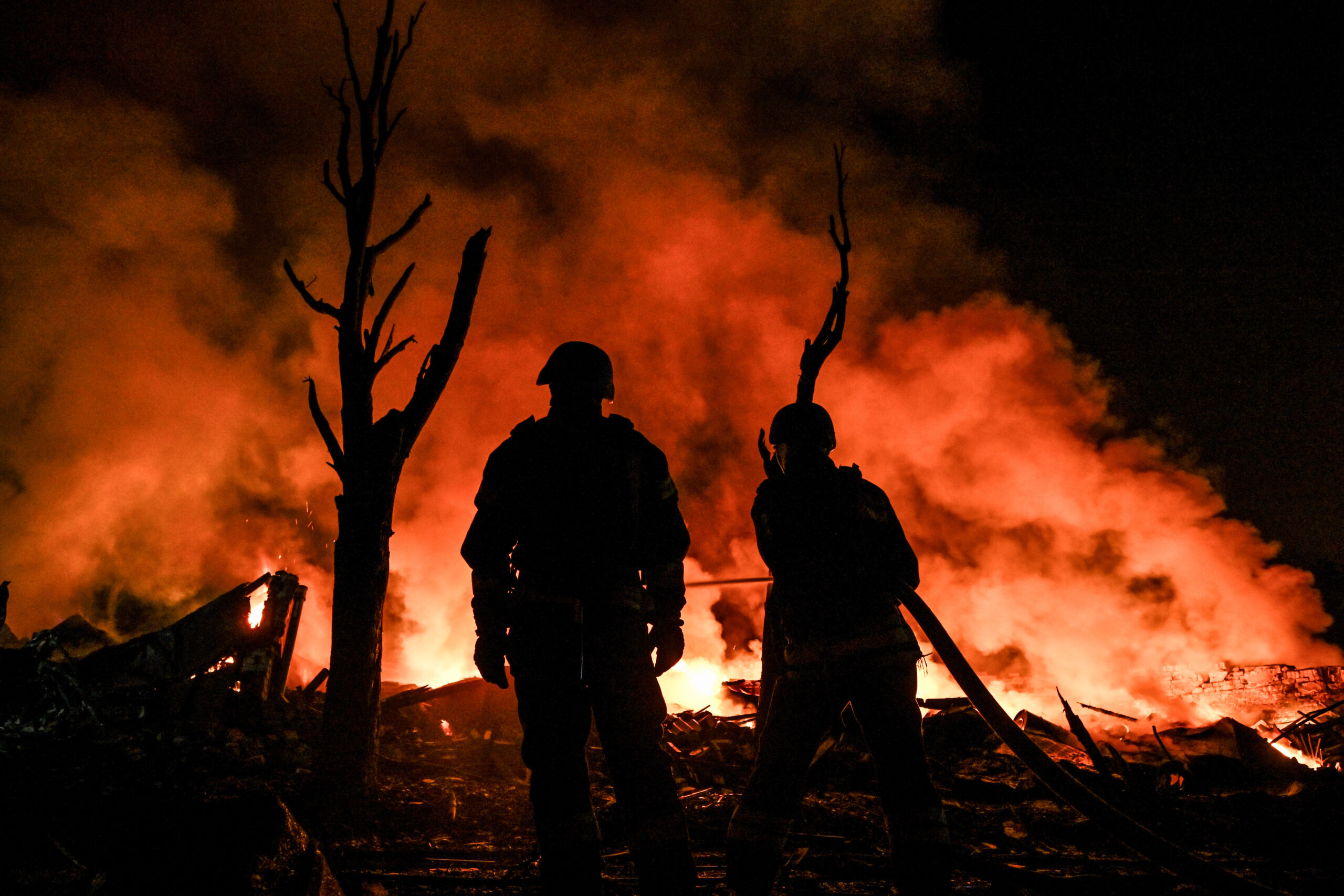
- Russian long-range strikes against Ukrainian populated areas are very likely to continue over the next 1 to 3 months. The 20 August attack on Kyiv involved ballistic missiles and long-range drones and killed at least 17 people according to Ukrainian authorities, while another account reported seven deaths in a nine-storey apartment building in Solomianskyi district. A separate report of 12 deaths and 30 injuries shows that the precise toll remains unresolved, but does not materially reduce confidence that the attack occurred. (Confidence: high · ASSESSED)
- I&W: Confirm: Ukrainian authorities or UN reporting records another Russian ballistic or long-range drone attack on Kyiv or another named Ukrainian populated area. (0-14 days)
- I&W: Break: 30 consecutive days pass without a reported Russian ballistic or long-range drone attack on a Ukrainian populated area. (0-30 days)
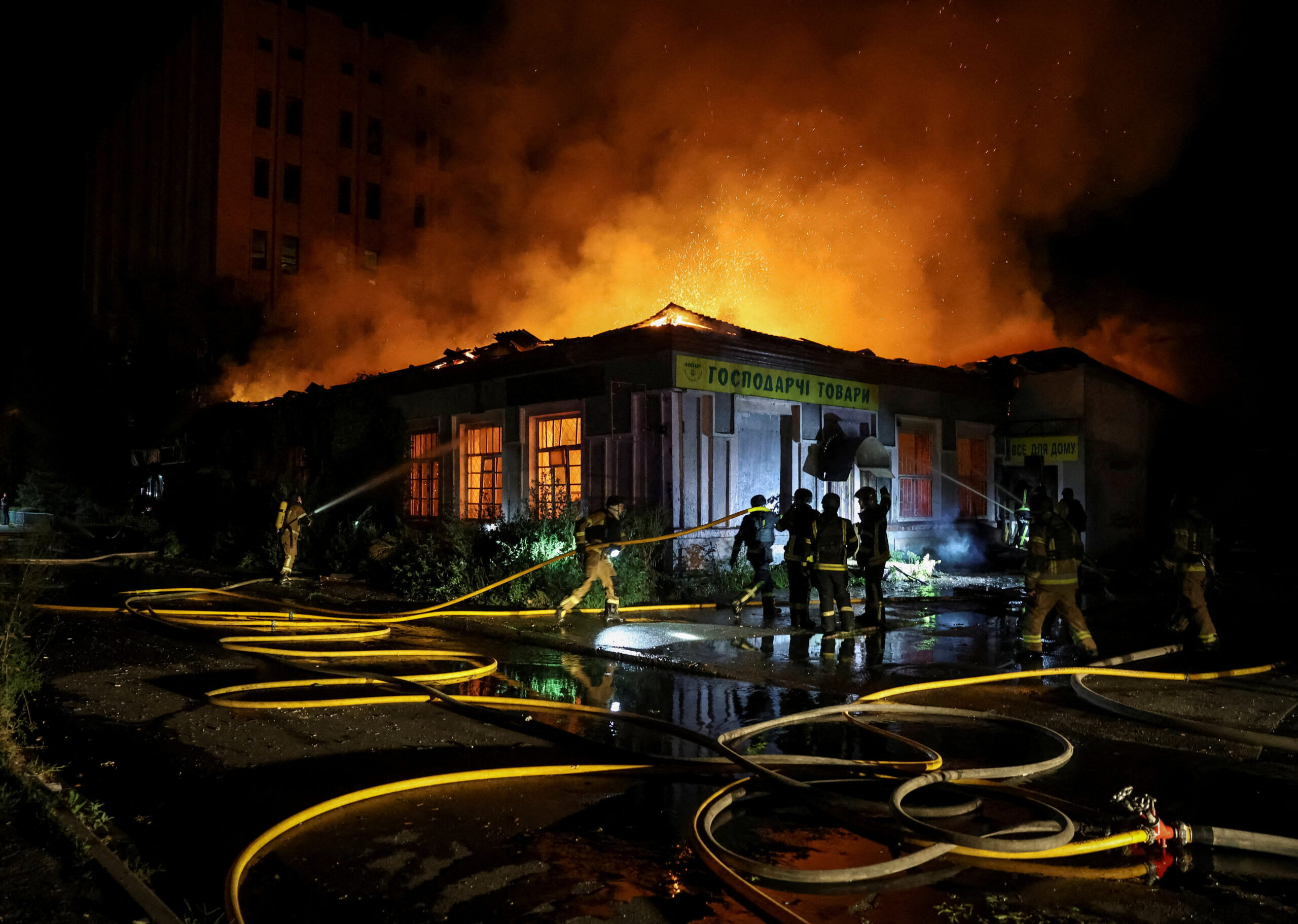
- Ukrainian forces are likely to continue long-range strikes against Russian oil, port and logistics infrastructure, and these strikes are likely to impose further pressure on Russian fuel availability and military transport. The direct effect on Russian front-line combat power remains unproven because the reporting combines Ukrainian statements, think-tank assessments and Russian acknowledgements, including a reported 71 per cent fall in military cargo traffic on the Crimea route and petrol availability at only 28 per cent of Russian filling stations. (Confidence: medium · ASSESSED)
- I&W: Confirm: Russian or Ukrainian reporting identifies additional damage to a named Russian refinery, port or logistics hub, alongside petrol availability falling below the reported 28 per cent level. (0-30 days)
- I&W: Break: Russian petrol availability returns above the previously reported 41 per cent level and no further reduction in military cargo traffic is reported along the Crimea supply route. (1-3 months)
- A decisive operational breakthrough by either side is unlikely over the next 1 to 3 months, but this is a low-confidence assessment. Reporting describes Ukrainian advances in central Kostyantynivka, northeast of Oleksandrivka and west of Orikhiv, alongside a claim that Ukraine reclaimed 745 square kilometres and recaptured 14 villages in Donetsk and Zaporizhzhia. Separate reporting states that Russian forces recaptured Berezove and Ternove, while the status of Novopavlivka and the scale of the reported Ukrainian gains are not independently reconciled. (Confidence: low · ASSESSED)
- I&W: Confirm: independent geospatial reporting continues to show local Ukrainian gains around Kostyantynivka, Oleksandrivka and Orikhiv while Russian forces retain or regain positions around Berezove, Ternove or Novopavlivka. (0-30 days)
- I&W: Break: corroborated reporting shows either side converting the reported local advances into a continuous territorial gain with follow-on movement beyond the named settlements. (1-3 months)
- Ukraine is likely to remain exposed to Russian ballistic missile pressure, while a scalable near-term expansion of Ukrainian ballistic missile defence is unlikely. Ukraine lacks a scalable answer to ballistic missiles, Ukrainian commanders prioritise ballistic missile defence, and Ukraine's Foreign Minister has described acute interceptor shortages. Germany's reported commitment of 600 PAC-2 missiles is scheduled for 2027 to 2028, leaving a near-term coverage gap. (Confidence: medium · ASSESSED)
- I&W: Confirm: another Russian ballistic missile attack is followed by Ukrainian reporting of interceptor shortages or reduced interception coverage. (0-14 days)
- I&W: Break: Ukraine receives a new operational ballistic missile defence capability or German PAC-2 deliveries begin before the reported 2027 to 2028 schedule. (1-3 months)
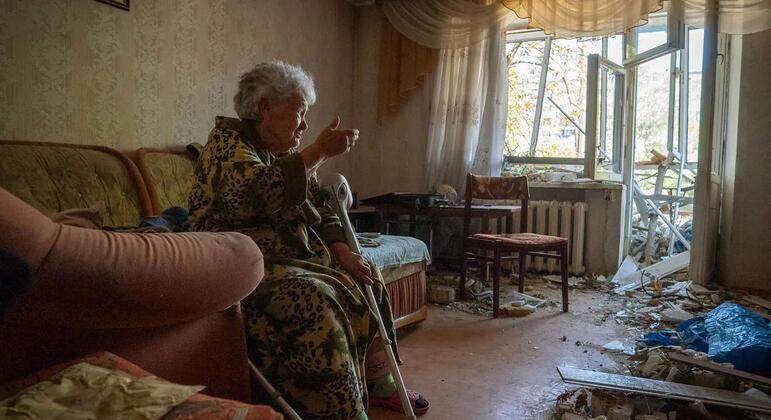
- Ukrainian civilian harm is very likely to remain high over the next 1 to 3 months. UN monitors confirmed 1,396 Ukrainian civilian deaths and 7,978 injuries in the first half of 2026, while the UN humanitarian aid office assessed July as the deadliest month for Ukrainian civilians since April 2022. The 20 August Kyiv attack adds evidence of continuing exposure, although the available reports give differing casualty totals. (Confidence: high · ASSESSED)
- I&W: Confirm: UN or Ukrainian reporting records further civilian deaths or injuries from Russian missile or drone strikes on Kyiv or another populated area. (0-30 days)
- I&W: Break: UN monitoring reports a sustained decline from the first-half 2026 civilian casualty rate and no further mass-casualty strike on a populated area. (1-3 months)
Outlook & scenarios
Sustained strike exchange and localised front-line movement (65%)
Very likely. Russian missile and drone attacks continue against Ukraine, while Ukrainian forces maintain deep strikes against Russian logistics and fuel infrastructure. Front-line changes remain localised, with neither side converting reported gains into a confirmed operational breakthrough.
Ukrainian logistics campaign produces local operational gains (25%)
Likely. Continued attacks on Russian supply routes, ports and fuel infrastructure reduce Russian transport capacity enough to support Ukrainian advances around named sectors such as Kostyantynivka, Oleksandrivka or Orikhiv. The probability remains limited by uncertainty over the scale and durability of reported territorial gains.
Russian missile pressure intensifies (25%)
Likely. Russia expands the use of ballistic missiles and long-range drones against Kyiv and other Ukrainian populated areas while Ukraine's interceptor shortage persists. Further pressure on Russian fuel infrastructure and the reported deployment of Rosgvardia units to petrol stations in Moscow Oblast add a domestic strain dimension, although the latter rests on single-source reporting.
Limited Russian attack on a NATO member (8%)
Very unlikely, but high impact. The Kremlin moves from airspace violations and coercive messaging to a limited attack on a NATO member within months, creating a direct alliance crisis. The underlying warning is based on medium-confidence reporting and should remain a wildcard rather than the baseline forecast.
Recommendations
- Maintain a 24-hour watch on Kyiv and other Ukrainian populated areas for ballistic missile launches, long-range drone attacks and civilian casualty updates. Keep the reported figures for the 20 August attack separate until Ukrainian and UN reporting reconcile the totals.
- Create a dedicated front-line evidence tracker for Kostyantynivka, Oleksandrivka, Orikhiv, Berezove, Ternove and Novopavlivka. Do not treat the reported 745 square kilometre gain or the capture of 14 villages as an established operational breakthrough without independent geospatial corroboration.
- Track Ukrainian interceptor expenditure, reported ballistic missile interception rates and any change to Germany's PAC-2 delivery schedule. Flag any delivery before 2027 to 2028 as a material change to the ballistic defence assessment.
- Monitor Russian petrol availability against the reported 28 per cent and 41 per cent reference points, alongside military cargo movement on the Crimea supply route. Assess these measures separately from claims about battlefield effects.
- Use NASA VIIRS thermal detections to corroborate the timing and location of fires or strikes, but do not use thermal anomalies alone to attribute cause or damage.
- Maintain a separate escalation watch for Kremlin warnings linked to British-made drones, further Russian drone or cruise missile incidents involving NATO airspace, and evidence of preparations for a limited attack on a NATO member.
Confidence & uncertainty
Overall confidence is medium. The occurrence of Russian attacks on Kyiv and the broader pattern of Russian and Ukrainian long-range strikes are supported by UN, official government and established think-tank reporting. Confidence is lower on the front-line balance, the scale of Ukrainian territorial gains and the direct battlefield effect of strikes on Russian infrastructure because these claims are unevenly sourced, partly undated and internally inconsistent. Casualty figures for the 20 August Kyiv attack also differ across reports.
Intelligence gaps
- [EEI 1.1 · UNCOVERED] Geotagged UAV/satellite imagery showing abandoned defensive positions or newly occupied settlements. Recommended collection: overhead imagery
- [EEI 1.2 · UNCOVERED] Confirmed movement of frontline ambulance evacuation routes beyond previous coordinates. Recommended collection: SIGINT/medical logistics
- [EEI 2.1 · PARTIAL] Concentration of assault battalions (≥3 mechanized companies) within 15km of contact line. Recommended collection: SIGINT/UAV
- [EEI 2.2 · UNCOVERED] Unusual artillery stockpile buildup at forward depots exceeding 30-day consumption rates. Recommended collection: overhead imagery/logistics
- [EEI 3.1 · UNCOVERED] Bridge structural damage assessments at 5 key Dnieper River crossings via multispectral imaging. Recommended collection: overhead imagery
- [EEI 3.2 · UNCOVERED] Rail traffic volume changes at Kryvyi Rih and Pokrovsk rail hubs compared to 7-day baseline. Recommended collection: commercial freight data
Cited sources
[1] United Nations · Russian missiles kill 17 more in Ukraine as Guterres calls for ceasefire (A) · sha256:7b0d1cd4e4b2 [2] United Nations · Заседание Совбеза ООН по Украине: замглавы ООН подчеркнула необходимость срочных дипломатических усилий для достижения мира (A) · sha256:0795059cfaed [3] Atlantic Council · What it feels like under a Russian missile attack, and what the US can do about it (B) · sha256:c85fa613adec [4] understandingwar.org · Russian Offensive Campaign Assessment, August 22, 2026 (B) · sha256:4589d200783a [5] Atlantic Council · As pressure mounts on Putin, Russia is escalating against Ukraine’s allies (C) · sha256:5813f6f4dc20 [6] Wikipedia · Middle strike campaign (B) · sha256:94cb185fc639 [7] understandingwar.org · Russian Offensive Campaign Assessment, August 19, 2026 (B) · sha256:16374a9013f4 [8] The Frontline Show · MASSIVE BREAKTHROUGH: Ukraine RECLAIMS 745 KM² as Russia’s Frontline COLLAPSES (B) · sha256:d2ef27844498 [9] Wikipedia · 2023 Ukrainian counteroffensive (B) · sha256:ea5f6048cbfd [10] Wikipedia · 2026 Ukrainian counteroffensive (B) · sha256:cdc4ba49eb3f [11] Atlantic Council · North Korean missiles are abetting Russia’s campaign to overwhelm Ukraine’s air defenses (C) · sha256:fec7a1220711 [12] kyivindependent.com · Ukraine war latest: 'Hunting their launch sites' —Zelensky reveals new details about Ukraine's ballistic missile defense (A) · sha256:876c0761c7bb
Source content hashes were computed at collection time; the cited text is preserved unmodified for the life of this product.
TLP:CLEAR