TLP:CLEAR · Disclosure is not limited.
Russia-Ukraine Front Line: Sustained Strikes, No Confirmed Breakthrough
Time window: Last 7 days · Audience: General analyst · Type: Situation report · DTG: 2026-08-26 07:08Z · Overall confidence: MEDIUM
BLUF
Russian long-range strikes against Ukraine and Ukrainian strikes against Russian military and industrial targets are very likely to continue over the next 1 to 3 months. The available reporting does not establish a decisive front-line breakthrough, while Ukraine remains exposed to Russian ballistic missiles and has no confirmed scalable defence solution.
Executive summary
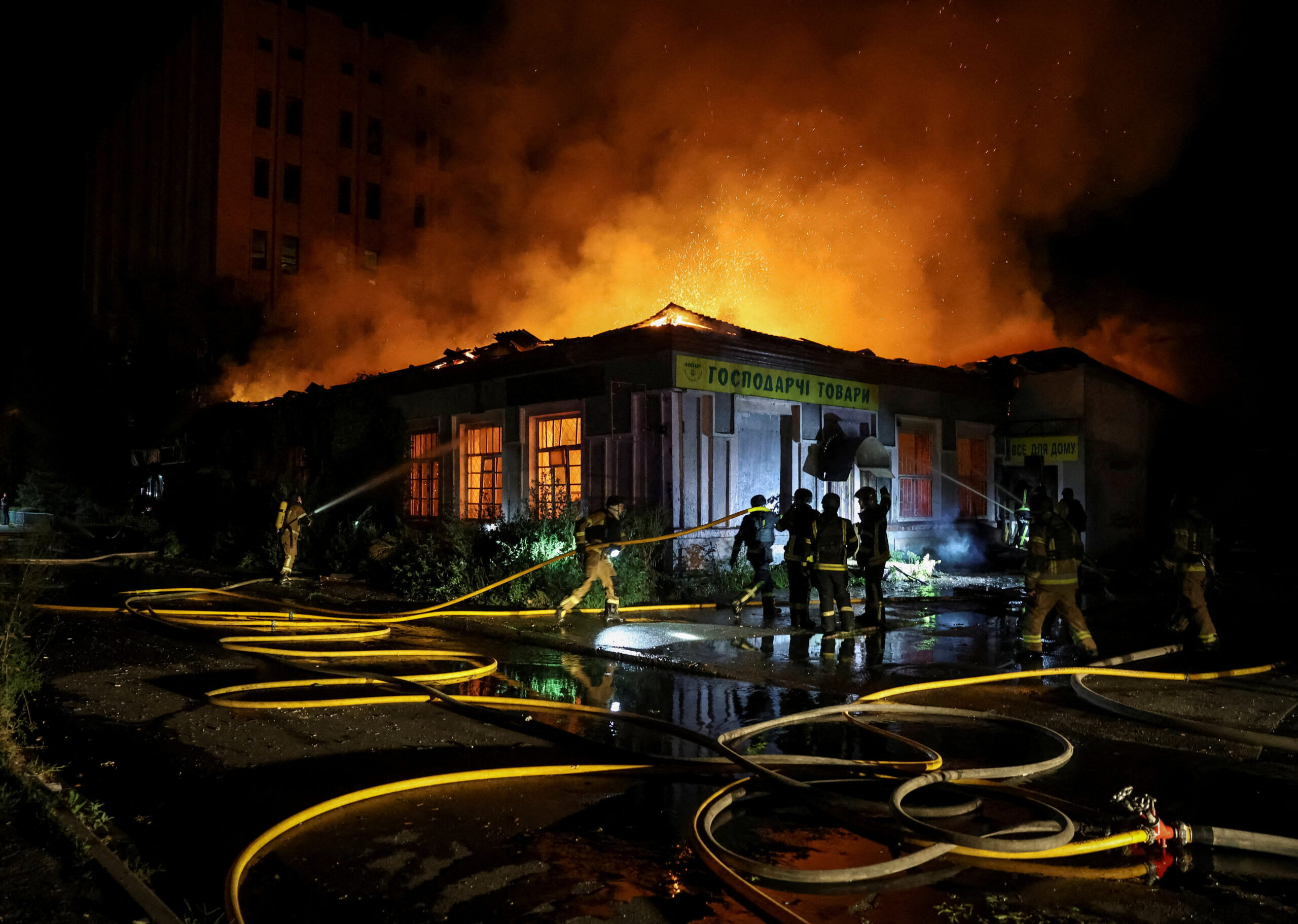
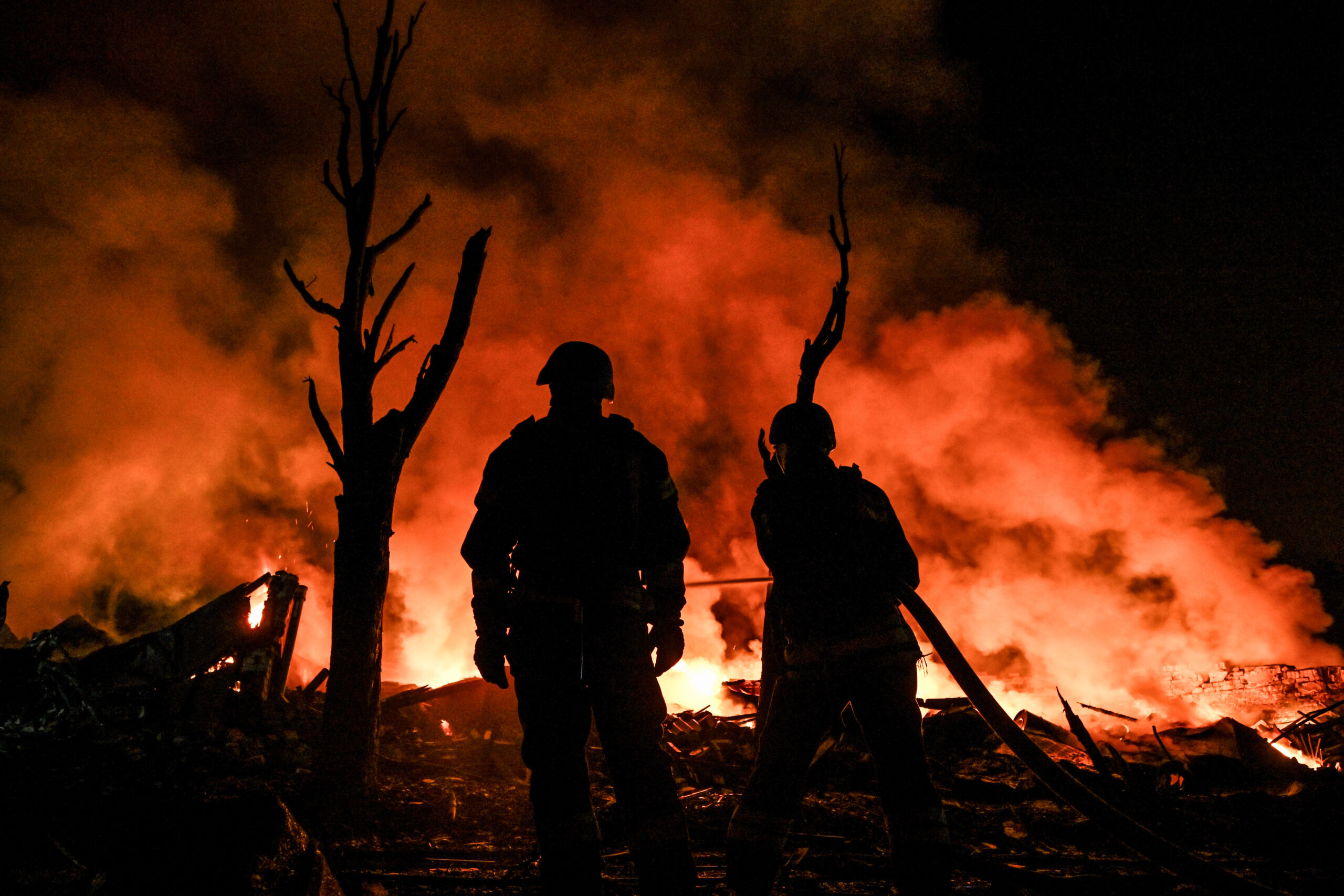
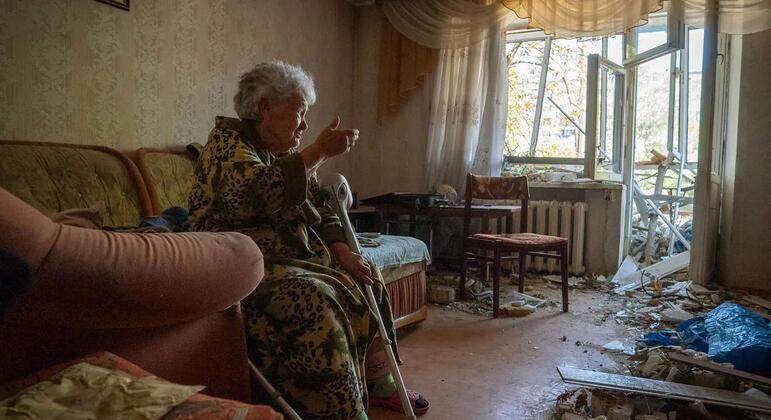
Between 19 and 21 August, Russian forces launched combined missile and drone attacks against Ukraine, including a major strike on Kyiv that damaged residential buildings, a children’s hospital, a school, industrial facilities and fuel infrastructure. Reported deaths from the Kyiv attack range from seven in one apartment building to 12 or 17 across the capital, so the precise toll remains unresolved. Ukrainian forces struck Russian sites at Primorsko-Akhtarsk, Akhtubinsk, Marinovka and Perm, while reporting linked Ukrainian long-range strikes to fuel shortages inside Russia. Front-line reporting remains mixed: Ukrainian forces reportedly advanced near Kostyantynivka, Oleksandrivka and Orikhiv, while Russia’s Defence Ministry reported improved tactical positions. Putin and Deputy Foreign Minister Sergei Ryabkov continue to frame the war around victory and Russian war aims, although John Ratcliffe’s reported Moscow visit indicates that a diplomatic channel remains active.
Change from previous assessment
The core assessment is broadly unchanged from the 25 August prior brief: Russian long-range strikes, Ukrainian deep strikes, ballistic missile pressure and sustained attrition remain the most likely near-term pattern, with no confirmed decisive breakthrough. This update adds more specific reporting on Russian strikes against Kyiv from 19 to 20 August and Ukrainian strikes against Primorsko-Akhtarsk, Akhtubinsk, Marinovka and Perm between 20 and 21 August. It also adds an explicit medium-confidence judgement that Russia’s public position remains resistant to meaningful peace negotiations, while retaining low confidence in the direction of front-line movement because Ukrainian and Russian reports remain unresolved.
Key judgments
- Russian long-range strikes against Ukrainian cities are very likely to continue over the next 1 to 3 months. Russia launched a massive combined strike during the night of 19 to 20 August and fired 22 missiles in two waves against Kyiv, including Iskander, Zircon and North Korean supplied KN-23 ballistic missiles. On 20 August, Russian ballistic strikes damaged residential buildings, a children’s hospital, a school, industrial facilities and fuel infrastructure in Kyiv City and Kyiv Oblast. The attack occurred with a reported death toll of seven in a nine-storey building, 12 in one account and 17 in another, but the discrepancy does not materially reduce confidence that the attack occurred. (Confidence: high · REPORTED)
- I&W: Ukrainian authorities record another Russian combined missile and drone strike against Kyiv City or Kyiv Oblast. (0 to 14 days)
- I&W: No Russian ballistic or combined missile and drone strike is recorded against Kyiv City, Kyiv Oblast or Zhytomyr City for 30 days. (0 to 30 days)
- Ukrainian forces are likely to continue deep strikes against Russian military, oil and logistics infrastructure, and these strikes are likely to add pressure to Russian fuel availability, although their direct effect on Russian front-line combat power remains unproven. Ukrainian officials reported strikes on the Russian drone storage and launch site at Primorsko-Akhtarsk, Akhtubinsk Airfield, Marinovka Airfield and the Lukoil Permnefteorgsintez refinery between 20 and 21 August. Putin acknowledged effects from Ukrainian long-range strikes on Russian fuel infrastructure. Russian reporting placed petrol availability at 28 per cent of filling stations on 18 August and identified motor oil shortages, but the fuel figures rely on a state newspaper citing a crowd-sourced application, and the operational effect is not independently established. (Confidence: medium · ASSESSED)
- I&W: Ukrainian forces report and independently document another strike on the Perm refinery, Marinovka Airfield, Akhtubinsk Airfield, Primorsko-Akhtarsk or another named Russian refinery, port or logistics hub. (0 to 30 days)
- I&W: Russian fuel reporting records petrol availability rising from 28 per cent of filling stations and no continuing motor oil shortage. (1 to 3 months)
- A decisive operational breakthrough by either side is unlikely over the next 1 to 3 months, but this remains a low-confidence assessment. Ukrainian forces reportedly advanced in central Kostyantynivka, northeast of Oleksandrivka and west of Orikhiv, while Russia’s Defence Ministry reported improved tactical positions across several sectors. Putin’s reported deadline for the complete capture of Donetsk by 31 December 2026 and Ukrainian commanders’ belief that they can hold the line until November indicate competing operational expectations. The available reporting does not independently reconcile the local advances with Russia’s claims of improved positions. (Confidence: low · ASSESSED)
- I&W: Independent geolocation confirms Ukrainian control extending beyond central Kostyantynivka, northeast of Oleksandrivka or west of Orikhiv. (0 to 30 days)
- I&W: Russian forces capture and hold an additional named settlement or sustain advances across several sectors for at least two weeks. (0 to 30 days)
- Ukraine is likely to remain exposed to Russian ballistic missile pressure over the next 1 to 3 months, while a rapid, scalable expansion of Ukrainian ballistic missile defence is unlikely. Ukraine reportedly lacks an effective scalable answer to ballistic missiles. Poland has released five PAC-3 interceptors, and Ukraine has reportedly asked Greece for 200 PAC-2 interceptors without confirmation of a transfer. Ukrainian Foreign Minister Andrii Sybiha described acute missile shortages, while Ukrainian technology teams are still developing faster interceptors against jet-powered Shahed drones. These reports are partly single-source and include low-confidence assessments, so confidence is medium rather than high. (Confidence: medium · ASSESSED)
- I&W: Another Russian ballistic strike damages a Ukrainian city despite Ukrainian forces intercepting a majority of drones and cruise missiles. (0 to 14 days)
- I&W: Greece confirms delivery of 200 PAC-2 interceptors, or allied deliveries expand Ukraine’s interceptor stocks enough to alter reported ballistic coverage. (0 to 3 months)
- Russia is unlikely to enter meaningful peace negotiations over the next 1 to 3 months, despite an active diplomatic channel. Sergei Ryabkov stated on 21 August that Russia would accept only a proposal aligned with Putin’s war aims and the ground realities. Putin stated on 22 August that United Russia had a duty to achieve victory in Ukraine, while separate reporting described his continued unwillingness to engage in meaningful negotiations. Volodymyr Zelensky has reiterated Ukraine’s commitment to negotiations, and John Ratcliffe reportedly travelled to Moscow for unannounced talks. The Moscow visit demonstrates contact, not a confirmed Russian policy shift. Putin’s statement on preparing for the return of servicemembers when the war ends also leaves the timing and purpose of any settlement unclear. (Confidence: medium · ASSESSED)
- I&W: Putin or Ryabkov publicly restates victory conditions or demands that any proposal conform to Russian war aims. (0 to 30 days)
- I&W: US-Russia or Russia-Ukraine contacts produce a publicly announced ceasefire proposal or formal negotiation framework. (0 to 3 months)
Outlook & scenarios
Continued attritional strike cycle (65%)
Russia sustains missile and drone attacks against Ukrainian cities while Ukrainian forces continue strikes on Russian airfields, refineries and logistics sites. Front-line positions remain contested without a decisive breakthrough. This is the most likely pattern over the next 1 to 3 months.
Incremental Russian front-line gains (25%)
Russian forces improve tactical positions across several sectors and press towards the 31 December 2026 Donetsk objective. Ukrainian forces retain local positions but face increased ballistic and drone pressure. A Russian advance remains likely to be incremental rather than decisive.
Expanded Ukrainian local gains and strike pressure (20%)
Ukrainian forces consolidate advances near Kostyantynivka, Oleksandrivka and Orikhiv while extending strikes against Russian military and fuel infrastructure. Russia continues long-range attacks, but Ukrainian local gains prevent a clear Russian operational breakthrough.
Drone-related external crisis (10%)
A further Russian-linked drone incident near Constanta or an armed drone incident at Leipzig Airport triggers a short diplomatic and security crisis involving European governments. The incident remains separate from the main front line but raises pressure on NATO states to respond.
Recommendations
- Maintain a 24-hour watch on Russian ballistic and drone launches, Ukrainian interception claims and confirmed impacts in Kyiv City, Kyiv Oblast and Zhytomyr City. Record the weapon type, launch volume, interception rate, damage and civilian toll separately.
- Track Ukrainian strikes against Primorsko-Akhtarsk, Akhtubinsk Airfield, Marinovka Airfield and the Lukoil Permnefteorgsintez refinery through official statements, geolocated imagery and follow-on reporting. Do not infer front-line effects from site damage without evidence of changes to Russian sortie rates, logistics or fuel distribution.
- Create a weekly Russian fuel stress tracker using petrol availability, motor oil shortages, refinery outages and transport disruptions. Treat the 28 per cent petrol availability figure as a baseline requiring confirmation from an independent source.
- Map control and reported advances around central Kostyantynivka, northeast of Oleksandrivka and west of Orikhiv. Reconcile Russian tactical-position claims with geolocated imagery before revising the assessment on breakthrough risk.
- Monitor Ukrainian interceptor inventories, the reported Greek PAC-2 request, Polish PAC-3 deliveries and progress on faster interceptors for jet-powered Shahed drones. Use confirmed deliveries, not political statements, to revise the ballistic defence assessment.
- Track statements by Putin, Ryabkov and Zelensky alongside any reported US-Russia contacts. Distinguish exploratory contact from a public ceasefire proposal or Russian acceptance of negotiations.
Confidence & uncertainty
Overall confidence is medium because the main strike events are supported by official, multilateral and high-prior think-tank reporting. The occurrence of the 19 to 21 August attacks and the continuation of long-range strike activity are well supported. Confidence is lower on the front-line balance, the operational effect of Ukrainian strikes on Russia’s war economy and the speed of Ukrainian ballistic defence expansion. Civilian casualty figures for the Kyiv attack also remain inconsistent, and several claims about fuel shortages, North Korean support and future intentions rely on single-source or lower-confidence reporting.
Intelligence gaps
- [EEI 1.1 · PARTIAL] Geotagged UAV/satellite imagery showing abandoned defensive positions or newly occupied settlements. Recommended collection: overhead imagery
- [EEI 1.2 · UNCOVERED] Confirmed movement of frontline ambulance evacuation routes beyond previous coordinates. Recommended collection: SIGINT/medical logistics
- [EEI 2.1 · UNCOVERED] Concentration of assault battalions (≥3 mechanized companies) within 15km of contact line. Recommended collection: SIGINT/UAV
- [EEI 2.2 · UNCOVERED] Unusual artillery stockpile buildup at forward depots exceeding 30-day consumption rates. Recommended collection: overhead imagery/logistics
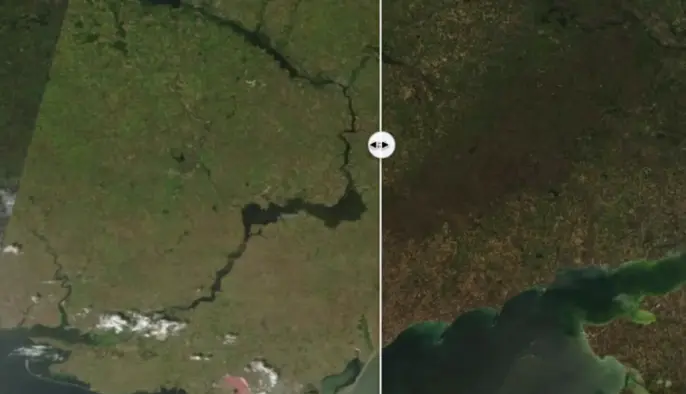
- [EEI 3.1 · UNCOVERED] Bridge structural damage assessments at 5 key Dnieper River crossings via multispectral imaging. Recommended collection: overhead imagery
- [EEI 3.2 · UNCOVERED] Rail traffic volume changes at Kryvyi Rih and Pokrovsk rail hubs compared to 7-day baseline. Recommended collection: commercial freight data
Cited sources
[1] Institute for the Study of War · Russian Offensive Campaign Assessment, August 20, 2026 (B) · sha256:1086732bf4fa [2] Atlantic Council · What it feels like under a Russian missile attack, and what the US can do about it (B) · sha256:c85fa613adec [3] United Nations · Russian missiles kill 17 more in Ukraine as Guterres calls for ceasefire (A) · sha256:7b0d1cd4e4b2 [4] gov.uk · The Ukrainian people should be in no doubt - the United Kingdom is behind you today, and for as long as it takes: UK statement at the UN Security Council (A) · sha256:f4498ba072dd [5] understandingwar.org · Russian Offensive Campaign Assessment, August 21, 2026 (B) · sha256:80fae086d20e [6] understandingwar.org · Russian Offensive Campaign Assessment, August 22, 2026 (B) · sha256:4589d200783a [7] understandingwar.org · Russian Offensive Campaign Assessment, August 19, 2026 (B) · sha256:16374a9013f4 [8] Times Now World · RUSSIA VS UKRAINE: Russia Destroys 460 Ukrainian UAVs & Claims 1,350+ Troops Lost In 24 Hours! (B) · sha256:0a4a615b8c28 [9] Апостроф · Фронт в Украине виден из космоса: спутниковые снимки показали изменения на местности с 2022 года (B) · sha256:ea9e4dfb8f28 [10] Atlantic Council · North Korean missiles are abetting Russia’s campaign to overwhelm Ukraine’s air defenses (C) · sha256:fec7a1220711 [11] BBC · CIA chief travels to Moscow for unannounced talks, US media reports (A) · sha256:d1746f3f336c
Source content hashes were computed at collection time; the cited text is preserved unmodified for the life of this product.
TLP:CLEAR