TLP:CLEAR, Disclosure is not limited.
Russia-Ukraine Front: Ukrainian Deep Strikes Expand as Crimea Supply Chokepoints Hit (5-12 Jun 2026)
Time window: Last 7 days · Audience: General analyst · Type: Situation report · DTG: 2026-06-12 07:14Z · Overall confidence: MEDIUM
BLUF
Ukraine very likely expanded long-range strikes into Russia on 10-11 June while intensifying interdiction of the Crimea land corridor via repeated bridge attacks at Chonhar, Armyansk, and Henichesk. These actions almost certainly contributed to fuel shortages across at least 25 Russian regions and price spikes in occupied Crimea, even as fighting and Russian aerial strikes persisted along the Donetsk, Zaporizhzhia front.
Executive summary
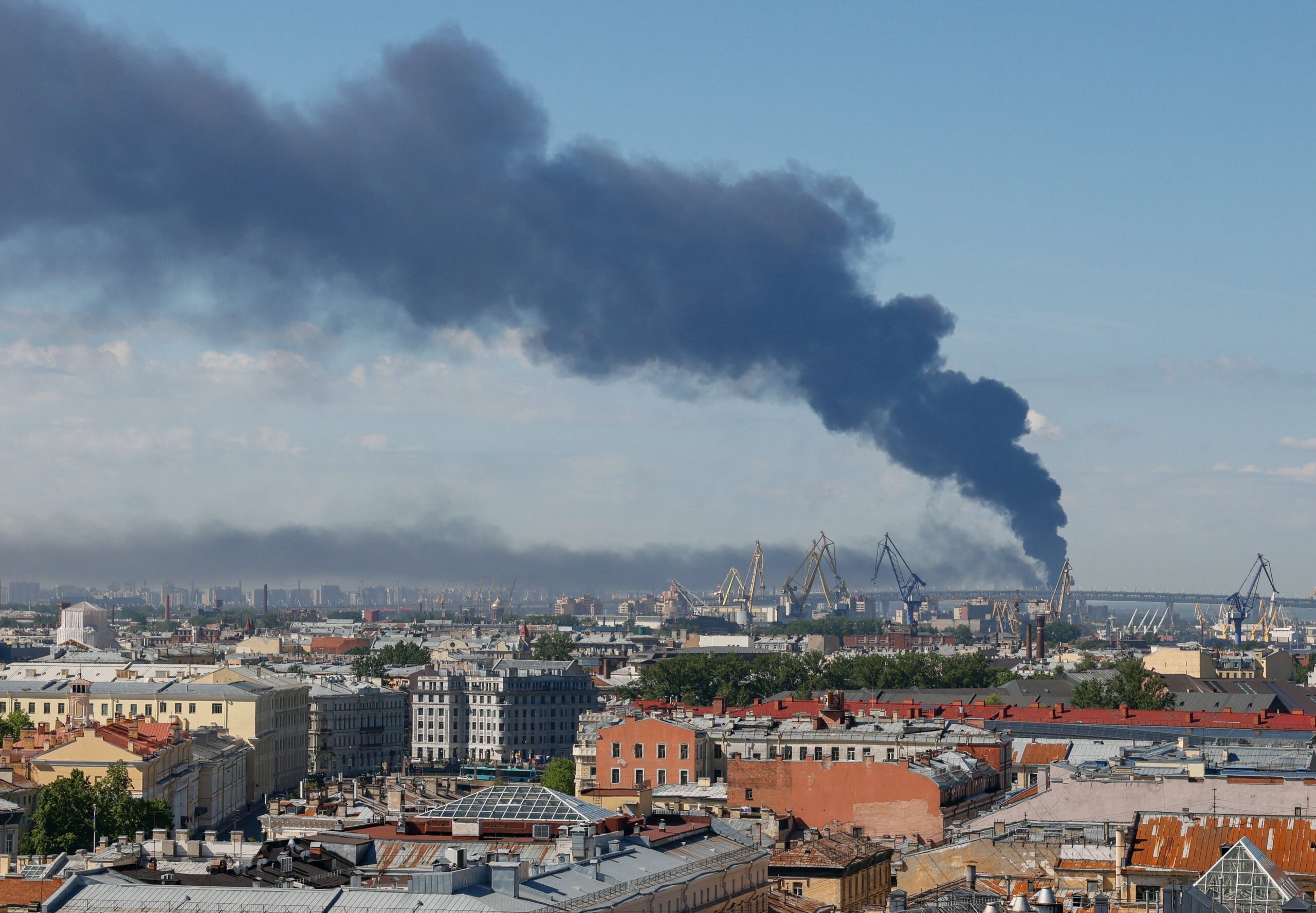
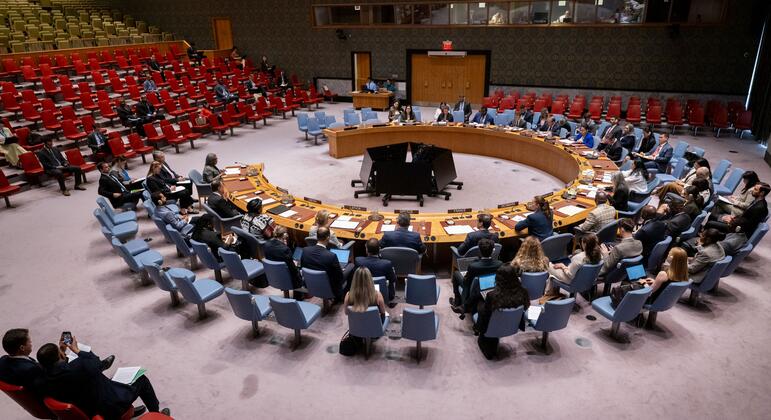
On 10 June, Ukrainian forces conducted long-range strikes inside Russia, including the VNIIR‑Progress defense plant in Cheboksary, oil infrastructure in Vladimir region, and a refinery in Samara region, according to public statements by regional officials and reporting from Kyiv and Moscow (with injury reports from Samara). Concurrently, at least 25 Russian regions reported gasoline shortages, up from 15 on 4 June, and refinery utilization reportedly fell 14% since the start of the year. In the south, Ukraine repeatedly struck the key crossings at Chonhar, Armyansk, and Henichesk; traffic on the Chonhar Bridge was suspended, and Ukraine’s unmanned systems commander reported a 71% drop in military cargo volume on the R‑280 over the last two weeks. Occupation authorities reported fuel restrictions across Crimea, Sevastopol, and other occupied regions, and pump prices in Crimea rose to about 82 rubles/liter for AI‑92 and nearly 90 rubles/liter for AI‑95. Along the front, battles continued across Donetsk and Zaporizhzhia, and Russian aerial strikes injured civilians in Zaporizhzhia, consistent with UN warnings that recent months have seen some of the most extensive aerial attacks of the conflict.
Change from previous assessment
Since the 11 June brief, new reporting details specific Ukrainian long‑range strikes on 10 June against defense and energy targets in Cheboksary, Vladimir, and Samara; documents expansion of Russian fuel shortages to at least 25 regions; confirms suspension of traffic on the Chonhar Bridge; and quantifies a 71% reduction in R‑280 military cargo over two weeks. We therefore raise confidence that Ukrainian interdiction is constraining the Crimea land corridor and Russian rear‑area logistics. We also note continued Russian aerial strikes injuring civilians in Zaporizhzhia and characterize the Donetsk, Zaporizhzhia front as active but fragile.
Key judgments
- Ukraine very likely expanded long‑range strikes into Russia on 10 June 2026, hitting the VNIIR‑Progress defense plant in Cheboksary and oil infrastructure in Vladimir and Samara regions, contributing to refinery outages and fuel shortages across at least 25 Russian regions (up from 15 a week earlier) and a reported 14% drop in refinery utilization year‑to‑date. (Confidence: high · REPORTED)
- I&W: Additional governor-confirmed or geolocated strikes on Russian energy or defense-industrial sites beyond 300 km from the front. (0-14 days)
- I&W: Russian regional authorities lift fuel rationing and industry data show refinery runs and gasoline availability rebounding toward pre-May levels. (1-3 months)
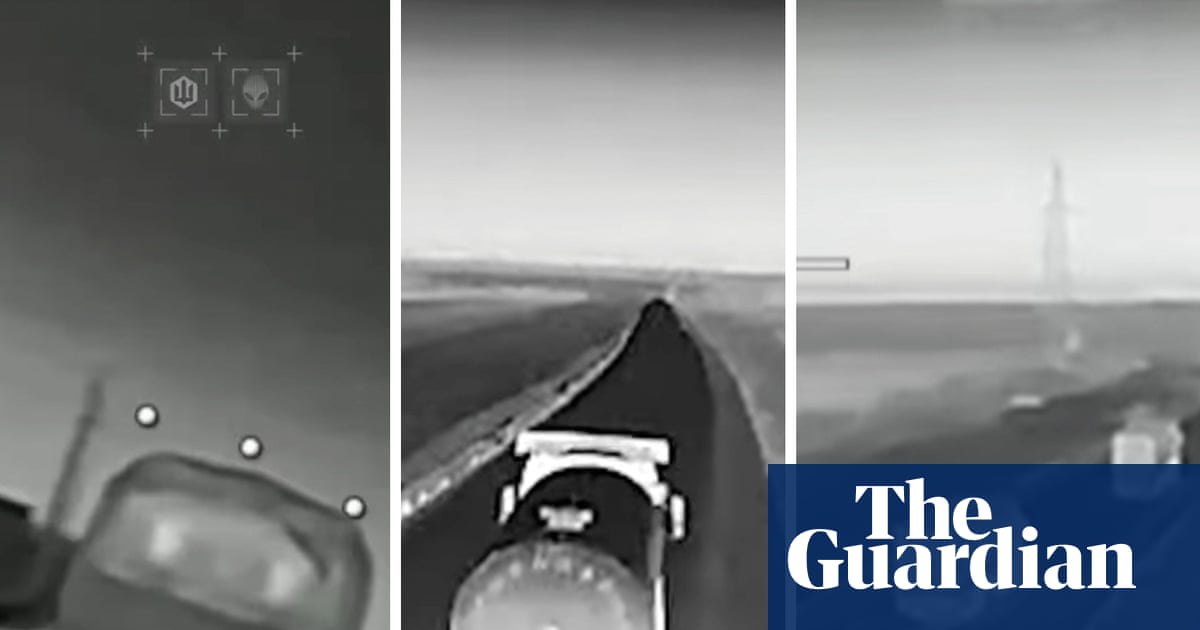
- Ukraine very likely degraded the land supply corridor to Crimea during 5-12 June by repeatedly striking the Chonhar, Armyansk, and Henichesk bridges, suspending traffic at Chonhar and driving a reported 71% fall in military cargo volume on the R‑280 over the past two weeks. (Confidence: medium · REPORTED)
- I&W: Persistent closure notices and imagery showing unrepaired damage or active repair work on Chonhar and Armyansk bridge spans. (0-14 days)
- I&W: Sustained heavy military trucking filmed or imaged crossing Chonhar/Armyansk indicating restoration of throughput. (0-14 days)
- Fuel shortages and price spikes in occupied Crimea almost certainly reflect the cumulative impact of Ukrainian strikes on Russian oil infrastructure and interdiction of overland routes to the peninsula. (Confidence: medium · ASSESSED)
- I&W: Crimean AI‑92/AI‑95 pump prices remain near or above ~82/90 rubles per liter with continued rationing orders by occupation authorities. (0-14 days)
- I&W: Price normalization toward ~75 rubles per liter and easing of rationing following reported resupply via restored overland routes. (0-14 days)
- Active hostilities very likely persisted along the Donetsk, Zaporizhzhia front this week, while Russian forces continued aerial strikes that injured civilians in Zaporizhzhia, consistent with a front that has stabilized but remains fragile. (Confidence: medium · ASSESSED)
- I&W: Local administrations report additional Russian aerial strikes causing casualties in Zaporizhzhia and adjacent sectors. (0-14 days)
- I&W: Sustained reductions in reported strikes and casualties along this axis alongside fewer UN warnings on aerial attack intensity. (1-3 months)
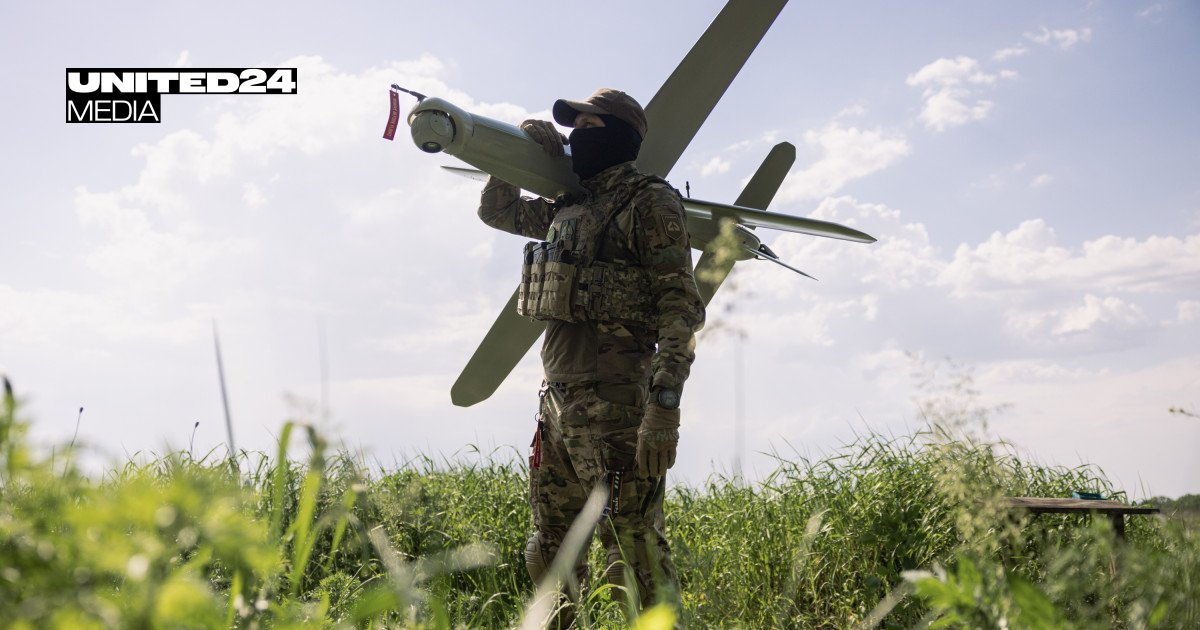
- Ukraine likely retains the capacity to pressure Russian rear areas beyond 300 km, including demonstrated reach to St. Petersburg earlier in June, which will likely continue to disrupt Russian logistics and domestic normalcy. (Confidence: medium · ASSESSED)
- I&W: Further governor-acknowledged or corroborated Ukrainian strikes on targets >300 km from the front (e.g., northern Russia) with visible damage. (0-14 days)
- I&W: Consistent Russian air-defense reports of very high shootdown counts accompanied by a marked decline in confirmed impacts on rear-area infrastructure. (0-14 days)
Outlook & scenarios
Sustained interdiction erodes Russia’s southern logistics, 60%
Continued Ukrainian strikes keep the Chonhar, Armyansk, Henichesk crossings intermittently closed or capacity-constrained, while deep strikes on Russian energy and defense-industrial sites persist. Fuel shortages in occupied Crimea endure and military cargo volumes on the R‑280 remain depressed, slowing Russian force regeneration and resupply into Zaporizhzhia and Kherson.
Russian adaptation blunts, but does not negate, interdiction effects, 45%
Russian forces accelerate repairs and implement mitigation measures (route diversification, tighter movement control, additional counter‑UAS), partially restoring traffic across key Crimea approaches and stabilizing fuel availability in occupied areas. Ukrainian strikes continue, but logistics friction declines from current peaks and front-line tempo normalizes at a higher sustainment cost.
Deep‑strike, retaliation cycle intensifies, 50%
Ukrainian long‑range attacks expand against Russian energy and defense nodes, while Russia increases aerial barrages against Ukrainian cities and front‑adjacent regions. Civilian harm and infrastructure damage rise, and UN reporting highlights continued high-intensity aerial attack patterns without decisive front-line shifts.
Recommendations
- Task commercial satellite imagery over the Chonhar, Armyansk, and Henichesk crossings every 48-72 hours to assess structural damage, repair activity, and traffic density; cross‑cue with open‑source FPV footage.
- Establish a standing OSINT dashboard tracking AI‑92/AI‑95 prices and rationing notices in Crimea and Sevastopol alongside reported fuel availability across Luhansk, Donetsk, Kherson, and Zaporizhzhia to quantify interdiction effects.
- Maintain a rolling catalog of Russian regional governor statements, industrial incident reports, and fire/thermal anomalies at refineries and defense plants to validate battle damage assessments from deep strikes.
- Monitor Russian logistics adaptation indicators (temporary bridging, ferry operations, convoy timing changes, counter‑UAS deployments) along the R‑280 and approach roads, prioritizing dawn/dusk ISR windows.
- Correlate front‑line casualty and strike reports in Zaporizhzhia and Donetsk with UN and local administration releases to detect shifts in Russian aerial attack tempo that could presage changes in ground operations.
Confidence & uncertainty
Overall confidence is medium. Key events, Ukraine’s 10 June deep strikes in Cheboksary, Vladimir, and Samara regions; widespread Russian fuel shortages; and bridge attacks at Chonhar/Armyansk/Henichesk, are supported by multiple major media reports and official/para‑official statements. Quantification of logistics effects (e.g., the 71% decline on the R‑280) and unit‑attributed bridge strikes rely on credible reporting but are not yet extensively corroborated by independent imagery. The persistence of front‑line fighting in Donetsk, Zaporizhzhia is consistent with multiple sources, though precise territorial dynamics remain uncertain.
Alternative analysis (red cell)
While the reporting documents a series of long‑range strikes and bridge/route attacks in early June, the evidence is uneven: several key inferences rest on single‑source official statements, unit social‑media posts, or lower‑grade attribution. A more cautious estimate is that Ukrainian forces conducted notable long‑range and bridge‑area attacks in early June, but the extent to which those specific events caused widespread refinery outages, produced the reported 25‑region fuel shortage, degraded the Crimea land corridor permanently, or prove sustained >300 km operational reach is insufficiently corroborated by independent, multi‑source forensic and logistical data.
Intelligence gaps
- [EEI 1.1 · UNCOVERED] Geotagged UAV/satellite imagery showing abandoned defensive positions or newly occupied settlements, recommended collection: overhead imagery
- [EEI 1.2 · UNCOVERED] Confirmed movement of frontline ambulance evacuation routes beyond previous coordinates, recommended collection: SIGINT/medical logistics
- [EEI 2.1 · UNCOVERED] Concentration of assault battalions (≥3 mechanized companies) within 15km of contact line, recommended collection: SIGINT/UAV
- [EEI 2.2 · UNCOVERED] Unusual artillery stockpile buildup at forward depots exceeding 30-day consumption rates, recommended collection: overhead imagery/logistics
- [EEI 3.1 · PARTIAL] Bridge structural damage assessments at 5 key Dnieper River crossings via multispectral imaging, recommended collection: overhead imagery
- [EEI 3.2 · UNCOVERED] Rail traffic volume changes at Kryvyi Rih and Pokrovsk rail hubs compared to 7-day baseline, recommended collection: commercial freight data
Cited sources
[1] Los Angeles Times, Ukraine launches long-range strikes on military and energy sites in Russia - Los Angeles Times (A) · sha256:22425d2be91f [2] united24media.com, Fuel Shortages Spread Across 25 Russian Regions as Ukrainian Strikes Hit Refineries (B) · sha256:90a0c1b79367 [3] theguardian.com, ‘Highway of death’: the Ukrainian drone campaign menacing Russian logistics (A) · sha256:d789cef1328e [4] businessinsider.com, Ukraine's latest drone class is crippling Russia's supply bridges (B) · sha256:98095e6d13ab [5] Atlantic Council, Putin can no longer shield ordinary Russians from the war he unleashed (C) · sha256:d6d9600ca693 [6] TSN English, RUSSIA'S SUMMER OFFENSIVE HITS A WALL! Ukraine keeps grinding down Russian assaults! (B) · sha256:bebbad030b33 [7] United Nations, Security Council LIVE: UN officials warn humanitarian toll in Ukraine is worsening (A) · sha256:e9a798cfa43b [8] youtube.com, Ep 2, Russia's Next Move: The Front Line Right Now, Rob Lee & Dmytro Putiata (Part 1) (F) · sha256:127b2caea7f1 [9] united24media.com, Inside Ukraine’s Logistic Lockdown (B) · sha256:a77fee4cb8c7
Source content hashes were computed at collection time; the cited text is preserved unmodified for the life of this product.
Red cell review: PARTIAL DISSENT
TLP:CLEAR