TLP:CLEAR · Disclosure is not limited.
Russia-Ukraine: Kyiv hit by 11 July missile strike as Ukraine hammers Taganrog, Azov, Ilsky fuel network
Time window: Last 7 days · Audience: General analyst · Type: Situation report · DTG: 2026-07-11 07:31Z · Overall confidence: MEDIUM
BLUF
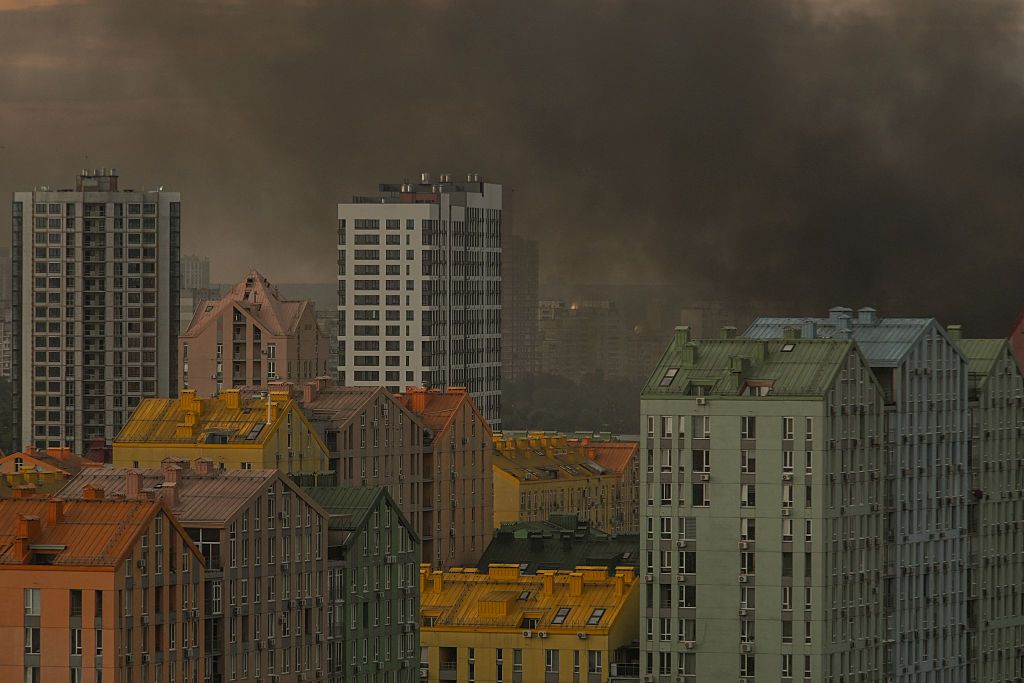
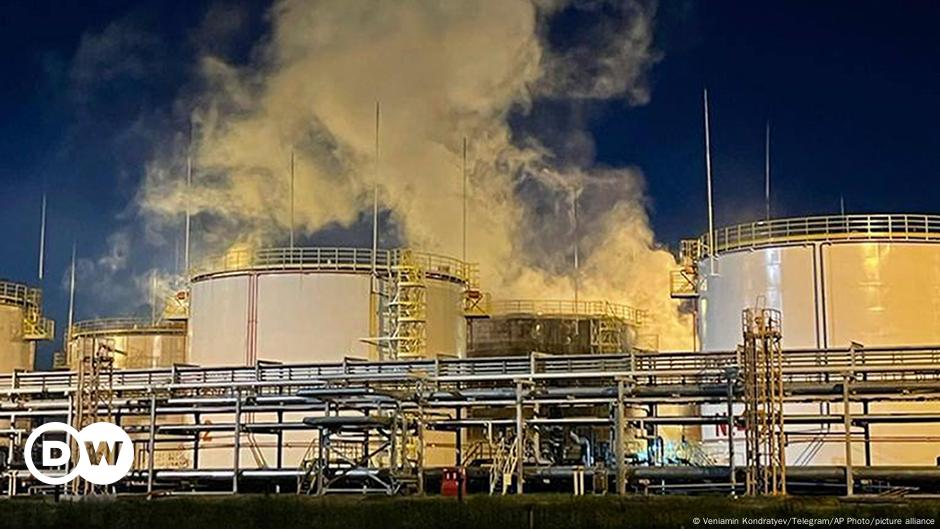
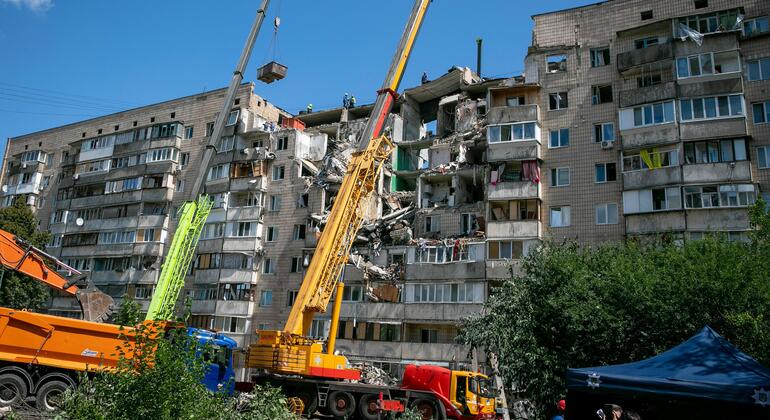
Russia very likely launched a 12‑missile strike, including ballistic weapons, against Kyiv on 11 July injuring at least 10 people, while Ukraine very likely set ablaze fuel and port targets at Taganrog, Azov and the Ilsky refinery on 10 July. Ukraine’s deep‑strike campaign is very likely degrading Russian fuel logistics, including to Crimea.
Executive summary
In the 4-11 July window, the front featured a sharp reciprocal strike cycle. Russia very likely hit Kyiv around 03:40 on 11 July with a mixed salvo that injured at least 10 civilians and triggered extensive air defence activity. On 10 July, Ukraine very likely struck multiple southern Russian energy and port nodes, igniting fires at the Ilsky refinery in Krasnodar, hitting two oil storage facilities in Azov, and forcing Taganrog authorities to declare an emergency and evacuate residents. Heavy fighting on the front line persists and Russia’s summer campaign faces challenges, but Kyiv’s leadership assesses no near‑term turning point and acknowledges manpower strain. Ukraine’s sustained interdiction of refineries, shadow tankers and Azov, Crimea logistics is very likely contributing to fuel shortages acknowledged by President Vladimir Putin and constraining Russian sustainment.
Change from previous assessment
Since the 10 July brief, we assess with high confidence that Ukraine’s 10 July strikes ignited fires at Ilsky, hit Azov depots and forced evacuations in Taganrog, and that Russia struck Kyiv on 11 July with a mixed missile salvo that injured at least 10. We retire, for now, the prior signalling of a northern push toward Chernihiv due to lack of new corroborating claims in this window. Confidence in the judgment on Russian fuel stress is raised by leadership acknowledgements tied to repeated strikes.
Key judgments
- Russia very likely launched a 12‑missile, partly ballistic, strike against Kyiv around 03:40 on 11 July, injuring at least 10 people, while Ukrainian air defences reported downing two guided missiles and 111 drones during the attack window. (Confidence: high · REPORTED)
- I&W: Kyiv City Military Administration publishes a final munitions breakdown and impact map for the 11 July strike. (0-14 days)
- I&W: Hospital and emergency services release consolidated casualty statistics matching initial reports. (0-14 days)
- Ukraine very likely struck multiple energy and port sites in southern Russia on 10 July, igniting fires at the Ilsky refinery in Krasnodar, hitting two oil storage facilities in Azov, and prompting an emergency declaration and evacuations in Taganrog. (Confidence: high · REPORTED)
- I&W: Local authorities or port notices confirm partial suspension of Taganrog cargo operations pending repairs. (0-14 days)
- I&W: Regional emergency services share post‑incident assessments confirming structural damage at Ilsky and Azov depots. (0-14 days)
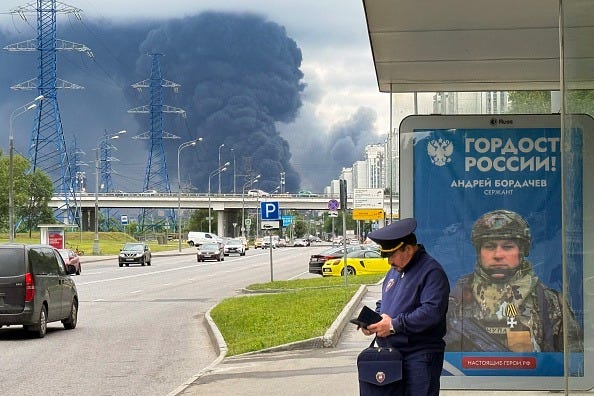
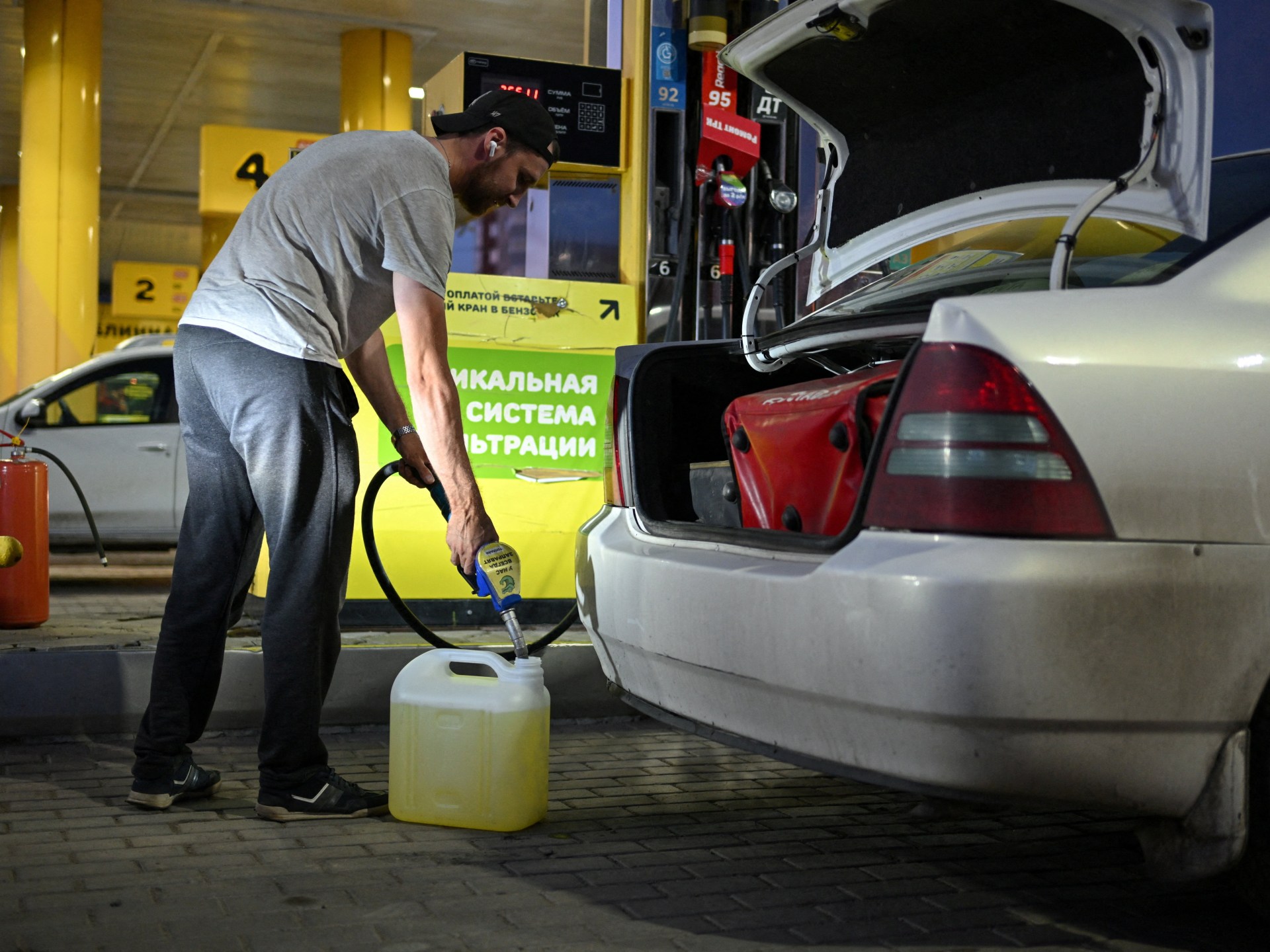
- Ukraine’s sustained deep‑strike campaign is very likely degrading Russian fuel supply and logistics, including to Crimea, and contributing to fuel shortages acknowledged by President Vladimir Putin. (Confidence: high · ASSESSED)
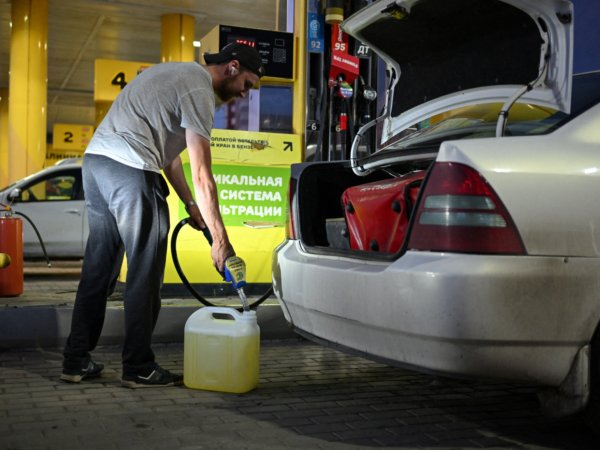
- I&W: Additional federal or regional directives in Russia impose fuel rationing or restrict sales. (1-3 months)
- I&W: Official statements announce restored throughput at key refineries and stabilised retail fuel prices, breaking the shortage trend. (1-3 months)
- Heavy fighting almost certainly persists along the front line, and Ukraine likely holds Russian advances on many sectors while Russia’s summer campaign faces challenges, but Kyiv’s leadership assesses no near‑term turning point and reports manpower strain; Russian claims of fresh gains, including Huliaipole and large territorial totals, remain contested. (Confidence: medium · ASSESSED)
- I&W: Independent geolocated evidence confirms or refutes control claims around Huliaipole or Kostiantynivka. (0-14 days)
- I&W: Official operational maps from either side show notable shifts in front‑line control beyond local tactical gains. (0-14 days)
- Ukraine likely expanded interdiction of maritime logistics supporting Crimea and the Sea of Azov using strikes on shadow tankers and pressure on the R‑280 Novorossiya highway, amplifying constraints on fuel delivery routes. (Confidence: medium · ASSESSED)
- I&W: Port or maritime safety notices in Taganrog, Kerch or adjacent Sea of Azov hubs cite tanker damage or navigation restrictions. (0-14 days)
- I&W: Russian authorities publicise sustained, unimpeded fuel convoys into Crimea via the Kerch Strait, indicating restored flow. (1-3 months)
- Thermal satellite detections in Ukraine over the past two days likely reflect ongoing fires or strike aftermath but do not establish causality. (Confidence: medium · ASSESSED)
- I&W: Subsequent thermal products show persistent hot spots co‑located with confirmed strike sites. (0-14 days)
- I&W: Thermal detections drop to background levels despite ongoing reported combat activity. (0-14 days)
Outlook & scenarios
Strike‑for‑strike cycle persists through late July (70%)
Russia sustains large mixed salvos against Kyiv and other urban centres while Ukraine continues deep strikes on refineries, ports and tankers around the Sea of Azov. Civilian harm remains high and fuel‑supply disruptions inside Russia continue, especially affecting Crimea.
Russian escalation with larger salvos and broader target set (45%)
Guided by the Kremlin’s intent to escalate, Russia increases the frequency and size of ballistic and cruise missile attacks and targets defence‑industrial nodes in Kyiv and beyond. Ukraine’s air defence remains under pressure and intercept rates fluctuate.
Ukrainian interdiction degrades Crimea, Azov logistics to operational effect (50%)
Continued strikes on refineries, shadow tankers and the Novorossiya corridor drive sustained fuel shortages acknowledged by Russian leadership. Russian authorities impose rationing and re‑route supply, slowing operational tempo on selected front sectors.
Recommendations
- Fuse battle damage assessment for Taganrog port, Azov fuel depots and the Ilsky refinery using official statements, responder imagery and commercial overhead to quantify functional degradation and repair timelines.
- Prioritise collection on Russian fuel availability: track public rationing directives, refinery status updates and official statements on shortage mitigation to gauge logistics risk to Russian operations and Crimea supply.
- Maintain a Kyiv early‑warning analytic line: catalogue 11 July launch signatures, munition types and ingress routes to refine risk to critical infrastructure and civilian areas.
- Expand maritime monitoring in the Sea of Azov and Kerch approaches: correlate AIS gaps, port notices and reported strikes on shadow tankers to assess Ukraine’s interdiction effectiveness.
- Validate reported intercept and launch counts by comparing official tallies with sensor and open‑source time‑series to bound over‑ or under‑reporting risk in both Ukrainian and Russian claims.
- Track contested sectors including Huliaipole and Kostiantynivka for verifiable control changes using geolocated imagery and consistent map updates to separate tactical from operational shifts.
- Maintain a standing product linking Ukraine’s refinery and tanker strikes to documented Russian fuel shortages and price interventions to inform assessments of Russian sustainment capacity through the summer campaign.
Confidence & uncertainty
Overall confidence is medium. The Kyiv strike and the Taganrog, Azov, Ilsky events rest on multiple, generally reliable sources and official statements that corroborate timing, locations and immediate effects. Assessments about the cumulative impact on Russian fuel logistics and front‑line momentum are well supported by repeated reporting and leadership acknowledgements, but they combine sources with varying reliability and some contested or aggregate figures. Russian claims of territorial gains and very high intercept counts introduce uncertainty, and satellite thermal detections confirm heat but not cause.
Alternative analysis (red cell)
Alternative reading: reporting on the July 10–11 events is fragmentary and partially single‑sourced; it is plausible that multiple localized incidents (regional fires, debris, emergency responses) were reported independently and subsequently conflated into narratives of a coordinated multi‑missile/drone campaign and systemic fuel interdiction. Absent corroborating ISR, geolocated imagery, and supply‑chain metrics, analysts should treat claims of large strike tallies, disabled refining percentages, and pervasive interdiction as provisional and prioritize collection to adjudicate competing accounts.
Intelligence gaps
- [EEI 1.1 · UNCOVERED] Geotagged UAV/satellite imagery showing abandoned defensive positions or newly occupied settlements. Recommended collection: overhead imagery
- [EEI 1.2 · UNCOVERED] Confirmed movement of frontline ambulance evacuation routes beyond previous coordinates. Recommended collection: SIGINT/medical logistics
- [EEI 2.1 · UNCOVERED] Concentration of assault battalions (≥3 mechanized companies) within 15km of contact line. Recommended collection: SIGINT/UAV
- [EEI 2.2 · UNCOVERED] Unusual artillery stockpile buildup at forward depots exceeding 30-day consumption rates. Recommended collection: overhead imagery/logistics
- [EEI 3.1 · UNCOVERED] Bridge structural damage assessments at 5 key Dnieper River crossings via multispectral imaging. Recommended collection: overhead imagery
- [EEI 3.2 · UNCOVERED] Rail traffic volume changes at Kryvyi Rih and Pokrovsk rail hubs compared to 7-day baseline. Recommended collection: commercial freight data
Cited sources
[1] kyivindependent.com · Russian ballistic missile attack on Kyiv injures 10 (B) · sha256:fb8e0942c66a [2] United Nations · Security Council LIVE: ‘Urgent de-escalation’ needed now in Ukraine amid spike in civilian deaths (A) · sha256:8a8781bb6c9e [3] euronews.com · Ukrainian drones hit southern Russian refineries and Azov port (A) · sha256:594c5dbda6a5 [4] dw.com · Ukrainian drone strikes ignite fires at Russian oil sites (A) · sha256:59df89355b6c [5] counteroffensive.news · “When will war end” searches peak in Russia (B) · sha256:e54fb7d0b1ae [6] bundle.app · Ukraine chokes fuel to Crimea, Russian consumers, targeting military supply (B) · sha256:b99b462ac3f2 [7] Jamaica Inquirer · Ukraine chokes fuel to Crimea, Russian consumers, targeting military supply - Jamaica Inquirer – Daily Jamaica News (B) · sha256:2b8b73fb1744 [8] Frontline Brief · Ukraine War Update | Heavy Fighting Continues as Russia's Summer Campaign Faces Challenges (B) · sha256:d1bd270ba8b5 [9] meduza.io · Ukraine’s drones have opened a summer window of opportunity behind Russian lines. Front-line soldiers tell Ukrainska Pravda the army is on track to waste it. (B) · sha256:546221c438eb [10] Times Now World · RUSSIA UNLEASHES HELL: Moscow Claims Seven New Gains in Ukraine Offensive | Times Now World (B) · sha256:e9c1cb10dad3 [11] WION · Russian Missiles Batter Ukraine's Last Defensible Frontline | Fall of Kostiantynivka |WION GAME PLAN (B) · sha256:b35bbbf16d9a [12] Al Jazeera · Ukraine chokes fuel to Crimea, Russian consumers, targeting military supply (A) · sha256:587e14668910 [13] firms.modaps.eosdis.nasa.gov · NASA FIRMS thermal detections — Ukraine (2d) (F) · sha256:03a2af0e0a4b
Source content hashes were computed at collection time; the cited text is preserved unmodified for the life of this product.
Red cell review: PARTIAL DISSENT
TLP:CLEAR