TLP:CLEAR · Disclosure is not limited.
Sahel: JNIM Pressure Raises Regional Stability Risk
Time window: Last 7 days · Audience: General analyst · Type: Situation report · DTG: 2026-08-19 12:13Z · Overall confidence: HIGH
BLUF
JNIM is very likely sustaining the Sahel's main jihadist pressure, using attacks and an economic blockade in Mali while expanding into Benin and north-western Nigeria. The 13 August Ghana-Burkina Faso defence agreement responds to cross-border risk, but conflicting reporting on Ghanaian casualties and direct attacks limits confidence in the extent of spillover.
Executive summary
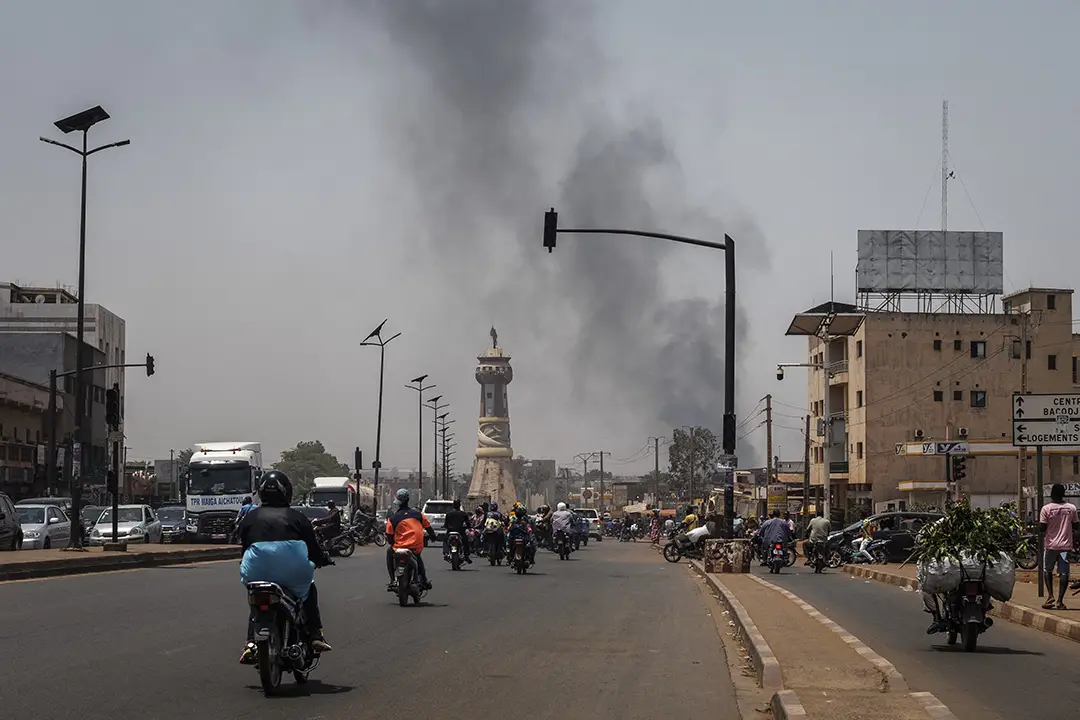
Reporting through 19 August indicates that JNIM remains the most capable jihadist actor in the Sahel. The group has around 6,000 active fighters, has disrupted Mali's economy through a blockade of Bamako, and has expanded into Benin and north-western Nigeria. JNIM and the Front de Libération Azawad have demonstrated the ability to coordinate attacks against Malian and Russian positions, while the Russian Africa Corps has suffered reported defeats after April. The Sahel continues to carry a heavy humanitarian burden, with nearly 49,000 deaths linked to violent extremism since 2022 and severely constrained humanitarian access. Ghana and Burkina Faso signed a defence cooperation agreement on 13 August, but conflicting accounts of jihadist activity affecting Ghanaian traders prevent a firm assessment of direct attacks inside Ghana.
Key judgments
- JNIM is very likely the principal jihadist driver of the Sahel's current instability. The group has around 6,000 active fighters, launched an economic blockade that largely crippled Bamako, spread from Mali into Benin and north-western Nigeria, and is assessed in one report as accounting for 76 per cent of militant-linked fatalities in the region. The 76 per cent estimate is medium-confidence reporting, so the scale of JNIM's dominance is less certain than the direction of the trend. (Confidence: medium · ASSESSED)
- I&W: Confirm: During the next 0-14 days, independent reporting attributes new attacks in Mali, Benin or north-western Nigeria to JNIM and records renewed disruption of routes into Bamako. (0-14 days)
- I&W: Break: Over the next 1-3 months, Malian, Beninese and Nigerian authorities document a sustained fall in JNIM attacks and no further expansion beyond existing areas of activity. (1-3 months)
- JNIM and the FLA have very likely demonstrated an operational capability that can outmatch Malian and Russian forces at selected sites, although reporting on attribution and territorial control remains contested. Reports describe coordinated attacks on Malian and Russian positions on 25 April, the killing of Defence Minister Sadio Camara, FLA control of Kidal, JNIM capture of an army base at Kidal, attacks at Anéfis and Kenioroba on 4 July, and increasing Africa Corps defeats after April. Other accounts attribute parts of the April fighting to unnamed rebels and report heavy gunfire in Kidal, weakening confidence in the precise sequence and control status. (Confidence: medium · ASSESSED)
- I&W: Confirm: Within 0-14 days, verified imagery or independent reporting shows JNIM or the FLA retaining Kidal or capturing another Malian military site while Malian or Africa Corps forces withdraw. (0-14 days)
- I&W: Break: Within 1-3 months, Malian Armed Forces and the Africa Corps verifiably re-establish control of Kidal and the Anéfis-Kenioroba area without a comparable follow-on attack. (1-3 months)
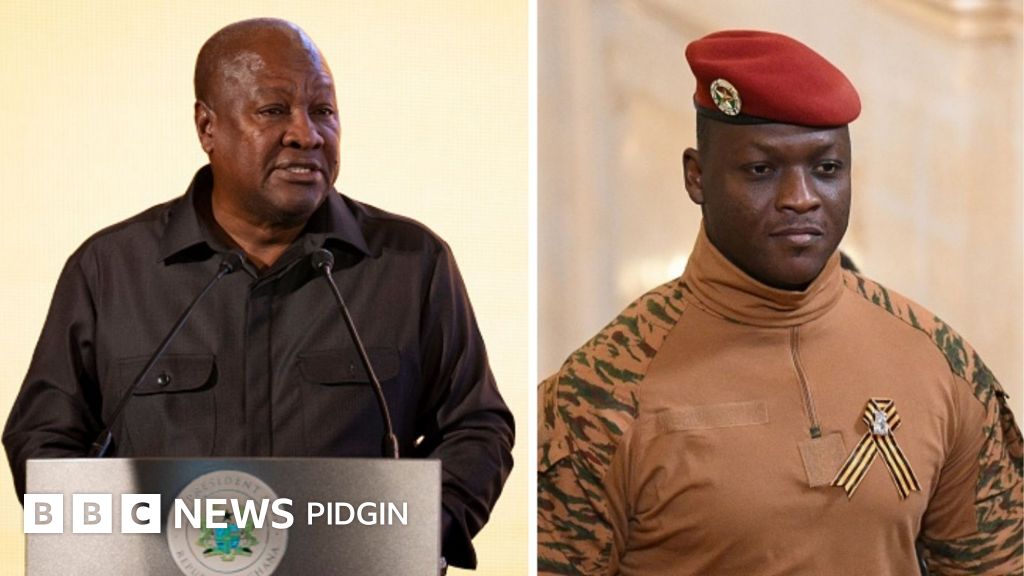
- Further jihadist pressure on Gulf of Guinea states is likely, with Ghana currently a watch point rather than a confirmed theatre of direct attack. JNIM has begun spreading into Benin and north-western Nigeria, while earlier UN reporting warned that terrorist groups were targeting coastal states. Ghana and Burkina Faso signed a defence cooperation agreement on 13 August that includes intelligence sharing and military escorts, but reporting conflicts over whether Ghanaian traders were killed in a jihadist attack and whether Ghana has experienced any direct jihadist attack. (Confidence: medium · ASSESSED)
- I&W: Confirm: During the next 0-14 days, verified reporting records a JNIM-claimed attack or armed assault in Benin, north-western Nigeria or northern Ghana, or documents attacks on traders along Ghana-Burkina routes. (0-14 days)
- I&W: Break: Over the next 1-3 months, no verified jihadist activity is recorded outside Mali and Burkina Faso, while Ghana-Burkina escorts operate without attacks on the protected routes. (1-3 months)
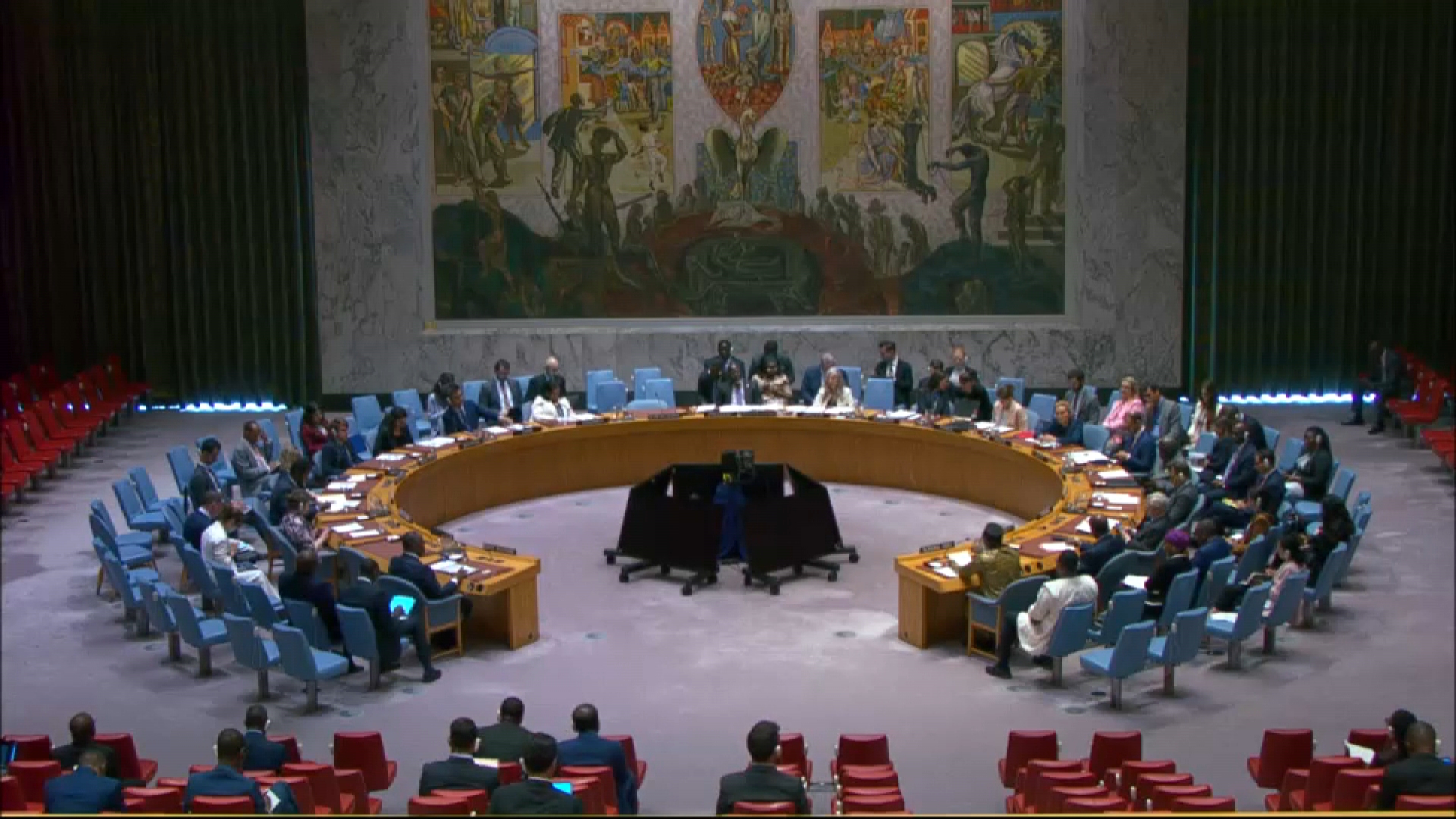
- Humanitarian pressure in the Sahel is very likely to remain severe over the next three months. UN reporting states that access is severely constrained in many areas and that women, children and young people bear the brunt of displacement, insecurity, rights violations and limited access to essential services. The reported burden includes nearly 49,000 deaths linked to violent extremism in the Sahel since 2022, 9,928 fatalities linked to militant Islamist groups, and 42 per cent of total reported fatalities in Africa. (Confidence: high · ASSESSED)
- I&W: Confirm: Within 0-14 days, UN agencies or aid partners report new access denials, suspended operations or reduced assistance in Mali, Burkina Faso or areas affected by JNIM expansion. (0-14 days)
- I&W: Break: Within 1-3 months, UN partners report expanded humanitarian access and increased delivery of essential services in the main affected areas. (1-3 months)
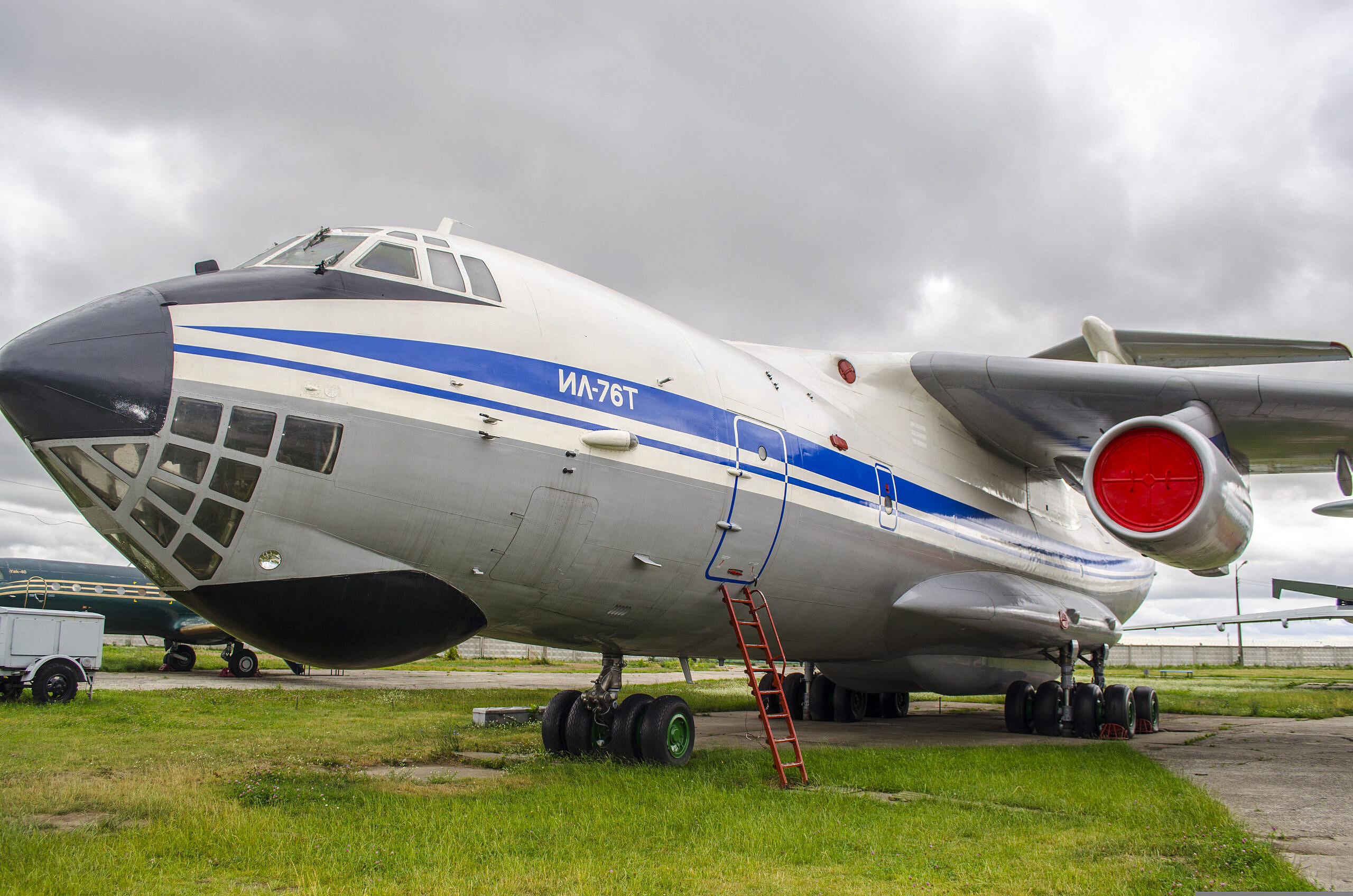
- Existing security arrangements are unlikely to reverse JNIM's momentum in Mali within the next three months. Reporting states that Sahelian states are unable to defend themselves from rebel uprisings, that the Russian Africa Corps suffered increasing defeats after April, and that fellow members of the Alliance of Sahelian States failed to deploy forces under their regional defence agreement. Russian military-linked aircraft nevertheless conducted 75 flights to Burkina Faso, Mali and Niger between 1 January 2025 and 31 July 2026, indicating continued external support without evidence that it has restored security control. (Confidence: medium · ASSESSED)
- I&W: Confirm: During the next 0-14 days, additional reporting records Africa Corps losses, a further loss of a Malian position, or continued failure by Alliance of Sahelian States members to deploy forces. (0-14 days)
- I&W: Break: Within 1-3 months, Alliance of Sahelian States forces conduct a documented joint deployment and Malian or Africa Corps units retake and hold positions previously lost to JNIM or the FLA. (1-3 months)
Outlook & scenarios
Continued JNIM attritional expansion (65%)
JNIM maintains pressure through attacks, economic disruption and coercion in Mali and Burkina Faso while testing routes into Benin and north-western Nigeria. The Ghana-Burkina Faso agreement improves protection for some traders but does not prevent wider jihadist pressure. Humanitarian access contracts further in contested areas.
Partial containment along the Ghana-Burkina Faso corridor (35%)
Ghana and Burkina Faso implement intelligence sharing, military escorts and stronger northern-border security. The measures reduce attacks on traders and slow movement towards northern Ghana. JNIM remains active in Mali and Burkina Faso, so containment remains local rather than regional.
Malian security rupture (15%)
This unlikely but high-impact scenario involves renewed JNIM-FLA coordination, further Africa Corps losses and continued failure of Alliance of Sahelian States members to deploy forces. JNIM or allied forces then secure additional military sites and impose wider disruption around Bamako, producing a sharper regional security shock.
Humanitarian access contraction (50%)
Fighting and economic disruption further restrict aid movement in Mali and Burkina Faso. Assistance reaches fewer communities, with women, children and young people facing increased displacement and reduced access to essential services. This scenario can accompany either continued JNIM expansion or partial security containment.
Recommendations
- For the next 14 days, prioritise collection on JNIM and FLA activity around Bamako, Kati, Kidal, Anéfis and Kenioroba, with separate confirmation of group attribution and territorial control.
- Track implementation of the 13 August Ghana-Burkina Faso defence agreement. Record the number, location and duration of military escorts, intelligence-sharing activity, northern-border deployments and attacks affecting traders.
- Reconcile the conflicting Ghana reporting before using it to assess direct jihadist penetration. Separate attacks inside Ghana from attacks on Ghanaian nationals or traders in Burkina Faso or another neighbouring state.
- Prepare options for US support to Nigeria that centre on intelligence sharing and training, while excluding unilateral US military action in line with President Bola Tinubu's stated position.
- Maintain an access and displacement watch for Mali, Burkina Faso, Benin and north-western Nigeria. Flag any new aid suspension, route closure or reduction in services affecting women, children and young people.
- Retain Niger as a high-risk operating environment for US personnel and travellers, and use the US warning on terrorism, crime and civil unrest as the baseline for near-term risk planning.
- Review the reported casualty and attribution discrepancies before incorporating them into trend models, particularly the eight-versus-nine Nigerian soldier figures and the competing accounts of Ghanaian trader deaths.
Confidence & uncertainty
Overall confidence is high because UN reporting, major-media reporting, official statements and think-tank analysis corroborate the broad pattern of sustained jihadist violence, JNIM expansion, pressure on Malian and Russian forces, and severe humanitarian access constraints. Confidence is lower for precise casualty totals, the attribution of some attacks, the status of Kidal and the extent of direct jihadist activity inside Ghana. Several claims also contain stale or inconsistent dates, so tactical sequencing and short-term trend estimates require continued verification.
Cited sources
[1] adf-magazine.com · Terrorist Rule in Mali Would Upend Region (B) · sha256:f14da53baf47 [2] allafrica.com · Africa: Mounting Fatalities Linked to Militant Islamist Violence in Africa Amid Shifting Tactics (B) · sha256:17da0901a39d [3] Harvard Political Review · The Malian Rebel Spring Offensive and the New Order in the Sahel - Harvard Political Review (B) · sha256:14d9dcf71863 [4] Wikipedia · 2026 Mali offensives (B) · sha256:6dcaf0b6ff15 [5] The Globe and Mail · Islamist group used $50-million ransom to escalate its attacks in Mali, UN says (A) · sha256:deda7f75565b [6] United Nations · UN / WEST AFRICA THE SAHEL (A) · sha256:5b32bc02133e [7] BBC News Pidgin · Ghana-Burkina Faso defence deal: Why Ghana dey question security deal wey Ghana and Burkina Faso newly sign - Wetin dey inside di deal - BBC News Pidgin (A) · sha256:fddcd2c228e4 [8] c4ads.org · Routes and Ramifications (C) · sha256:f92ba2f975c2
Source content hashes were computed at collection time; the cited text is preserved unmodified for the life of this product.
TLP:CLEAR