TLP:CLEAR · Disclosure is not limited.
Sahel Security Situation: Displacement, New Security Ties and Unverified Arms Flows
Time window: Last 7 days · Audience: General analyst · Type: Situation report · DTG: 2026-11-12 13:25Z · Overall confidence: MEDIUM
BLUF
UNHCR reports nearly 64,000 people have fled violence in northern Nigeria for Niger since the start of the year, while only around 5 per cent of Nigerian refugee arrivals have been registered. Algeria’s reported deployment in northern Niger and Mali’s renewed security engagement with Turkey add external partners, but the scale and operational effects of these moves remain unclear.
Executive summary
UNHCR reports that Niger is hosting a growing influx of people fleeing violence in northern Nigeria, with arrivals concentrated in Diffa and Tahoua and registration sharply constrained. Algeria’s parliament approved army detachments for Niger, and a reported convoy reached Arlit on 30 October; the deployment’s size and operational tasking remain undisclosed amid a dispute with the EU. In Bamako, Mali and Turkey reaffirmed plans to deepen security cooperation, but no specific programme or delivery was announced. FAMa and Nigeria’s DSS reported separate seizures of communications equipment and weapons; the claimed destinations and supply chains are not independently established. Allegations of Ukrainian support for armed groups in Mali remain contested.
Change from previous assessment
Since the earlier brief on 12 November, this assessment adds UNHCR’s quantified figures for arrivals from northern Nigeria and the low registration rate, and records the FAMa report of a 2,000-radio seizure near Tombouctou. The Mali-Turkey engagement is now assessed as an explicit commitment to training and capacity-building, though no programme or delivery is reported. The Algerian deployment assessment is unchanged in substance; parliamentary approval on 25 October adds detail to the chronology, while the mission’s size and tasking remain unclear. The current claims do not update the prior assessments on US-Mali dialogue or Kidal’s status.
Key judgments
- Humanitarian pressure in Niger is likely to remain acute over the next month. UNHCR reported nearly 64,000 arrivals fleeing violence in northern Nigeria since the start of the year, including more than 23,000 people in Diffa, over two-thirds of them children. Around 5 per cent of Nigerian refugee arrivals this year had been registered, and about 4,600 people crossed into Diffa and Tahoua in October. (Confidence: medium · ASSESSED)
- I&W: Confirm: UNHCR reports more than 4,600 arrivals in Diffa and Tahoua in a comparable month, or registration remains near 5 per cent. (0-30 days)
- I&W: Break: a comparable UNHCR update reports fewer than 4,600 arrivals in Diffa and Tahoua and a rise in registration above the current 5 per cent. (0-30 days)
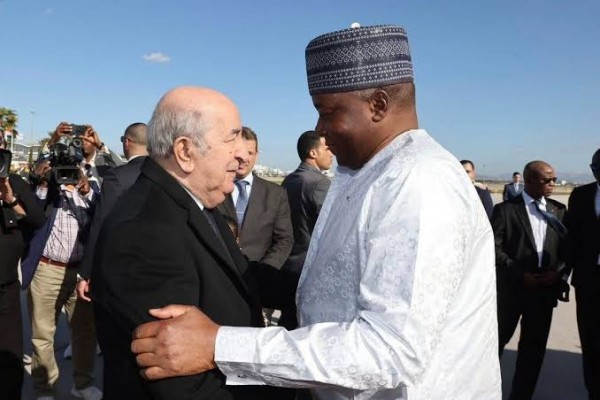
- Algeria has very likely established a military presence in northern Niger. Algerian lawmakers approved army detachments on 25 October, and Reuters reported that the first convoy reached Arlit on 30 October. Algiers says Niger requested the mission and that it is intended to protect joint energy projects. The force’s size, positions and operational tasking remain unconfirmed; the EU has requested details, while Niger and Algeria have rejected what they describe as interference. (Confidence: medium · REPORTED)
- I&W: Confirm: Algerian or Nigerien officials disclose troop numbers, named units, locations or operational tasks for the deployment. (0-30 days)
- I&W: Break: Algeria or Niger publicly confirms that the detachments have withdrawn or that no Algerian forces remain in northern Niger. (0-3 months)
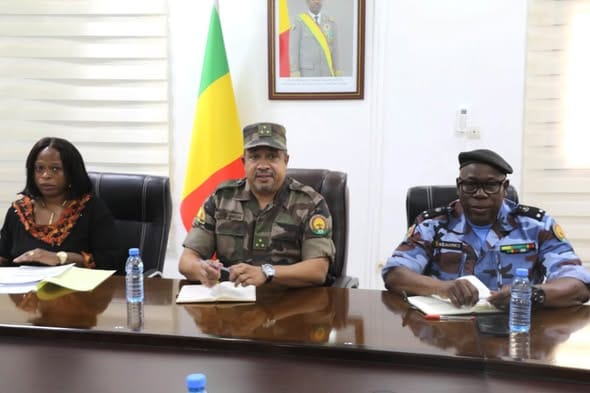
- Mali and Turkey are likely to deepen security cooperation through training, expertise-sharing and capacity-building, but reporting records a stated commitment rather than a specific programme, contract or delivery. Mali’s Security Minister Daoud Aly Mohammedine met a Turkish delegation led by Deputy Defence Minister Bilal Durdali in Bamako on 11 November. (Confidence: medium · ASSESSED)
- I&W: Confirm: Mali or Turkey announces a signed training agreement or a programme with dates and participating Malian units. (0-3 months)
- I&W: Break: Malian or Turkish officials state that no programme was agreed, or publicly cancel planned training or capacity-building activity. (0-3 months)
- FAMa reported seizing 2,000 TYT radios, one pick-up and eight motorcycles north of Tombouctou. FAMa said the radios were destined for armed groups, but the intended recipients are not independently established. The seizure was announced on 11 November, while a separate account dates the operation to 9 November. (Confidence: low · REPORTED)
- I&W: Confirm: a court filing or independently corroborated investigation identifies armed-group recipients or verifies the cargo’s route from Bassikounou. (0-30 days)
- I&W: Break: an investigation or court record identifies a non-armed-group destination or contradicts FAMa’s account of the cargo’s purpose. (0-3 months)
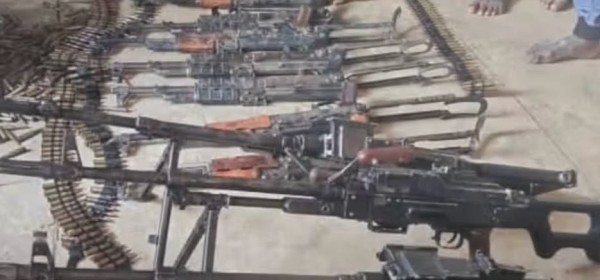
- Nigeria’s DSS reported seizing 21 AK-47 rifles, four PKT machine guns and 825 magazines in Dawakawa, Sokoto State, on 10 November. Nigerian reporting says the cargo entered from Niger by camel, but this single seizure does not establish a sustained arms route or identify the final recipients. (Confidence: low · ASSESSED)
- I&W: Confirm: the DSS names suppliers, transporters, financiers or recipients, or reports another seizure tied to the same route. (0-30 days)
- I&W: Break: the DSS or a court record identifies a different point of origin or establishes that the seized cargo was not part of a cross-border supply network. (0-3 months)
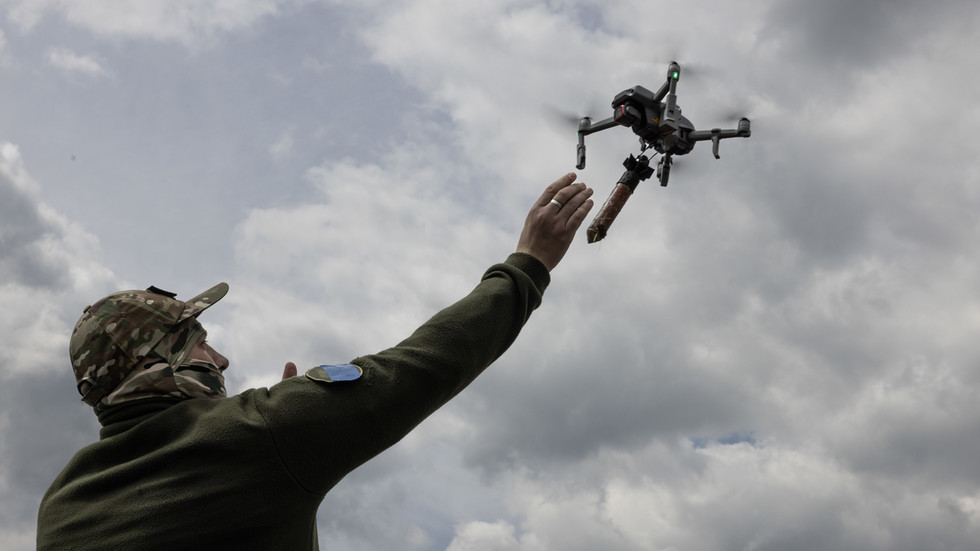
- Ukrainian involvement in support or training for armed groups in Mali remains unverified. CNN reported Ukrainian specialists assisting Tuareg rebels with drones, and Le Monde reported earlier cooperation involving Ukrainian military intelligence; Russian officials made broader training allegations, while Ukraine’s Foreign Ministry rejected the claims as unsupported. The available reporting does not resolve the extent of any assistance or the identity of its recipients. (Confidence: low · ASSESSED)
- I&W: Confirm: independently authenticated material identifies Ukrainian personnel, training locations and dates, or verifiable operational support to named groups. (0-3 months)
- I&W: Break: an independent investigation finds no substantiation for the reported assistance, or authenticated evidence shows the reporting misidentified its personnel or recipients. (0-3 months)
Outlook & scenarios
Continued displacement and constrained response (55%)
Violence in northern Nigeria continues to drive arrivals into Diffa and Tahoua. Niger’s registration and assistance gaps persist, while Algeria’s presence remains described as protection for joint energy interests and Mali-Turkey cooperation remains at the stage of stated commitments.
Security partnerships become more operational (25%)
Niger and Algeria disclose a clearer mandate or operational footprint, and Mali and Turkey announce a dated training or capacity-building programme. Greater detail on the Algerian deployment would keep the EU-Niger dispute active if Brussels continues to seek clarification.
Further seizures clarify cross-border flows (15%)
Additional investigations or seizures in Nigeria or the Tombouctou region identify suppliers, routes or recipients. This would establish whether the reported cargoes reflect connected trafficking networks rather than separate incidents.
Wildcard: escalation over allegations of Ukrainian support (5%)
A new round of allegations by AES governments, Russian officials or Ukraine prompts further formal diplomatic action. Independently verified evidence of training or operational support would raise the stakes; continued reliance on competing official assertions would leave attribution unresolved.
Recommendations
- Track UNHCR updates on arrivals in Diffa and Tahoua alongside registration rates. Keep reported arrivals separate from registered refugee totals when assessing the scale of unmet needs.
- Monitor public Algerian and Nigerien statements for the deployment’s mandate, troop numbers, locations and operational activity. Do not infer a broader mission from the reported convoy to Arlit alone.
- Seek follow-up reporting or court records on the FAMa radio seizure and the DSS arms cargo. Treat claims about intended recipients, routes and links between incidents as unconfirmed until corroborated.
- Record the Mali-Turkey meeting as a stated security commitment. Update the assessment only when officials identify a programme, dates, participating units or delivered equipment.
- Keep Ukrainian-support allegations distinct from verified reporting. Record the Russian officials’ allegations, media accounts and Ukraine’s denial separately, and avoid treating attribution as established without independently verifiable evidence.
Confidence & uncertainty
UNHCR provides a credible multilateral basis for the reported displacement and registration figures. Reporting on Algeria’s deployment draws on media accounts and official statements, but the force’s size and tasking remain undisclosed. The Mali-Turkey commitment and the two reported seizures rely heavily on local or official accounts, while claims of Ukrainian support are directly contested and not independently resolved. These differences support medium overall confidence, with lower confidence in the seizure details and attribution claims.
Intelligence gaps
- [EEI 1.1 · PARTIAL] Number, location, and scale of attacks (IEDs, ambushes, complex attacks) per week against towns, military bases, police posts, or convoys, with casualty and equipment-loss counts. Recommended collection: ground/HUMINT
- [EEI 1.2 · PARTIAL] Observed movement and size of armed columns (vehicle counts, heavy weapons present) along approach routes to population centers or borders documented by imagery, local reporting, or border guards. Recommended collection: imagery/SATCOM
- [EEI 1.3 · PARTIAL] Reports of occupation, administration, or imposition of checkpoints/taxes by armed groups in named towns, villages, markets, or on specified road segments. Recommended collection: OSINT (local media/social)
- [EEI 1.4 · PARTIAL] Seizure or acquisition of heavy weapons or air-defense systems (mortars >81mm, artillery, armored vehicles, MANPADS) attributed to specific groups as evidenced by photos, captured weapons inventories, or weapons interdictions. Recommended collection: forensics/field reporting
- [EEI 2.2 · PARTIAL] Detentions, public dismissals, resignations, or public statements by senior military, police, or government officials indicating factional splits (named individuals, ranks, units). Recommended collection: diplomatic/OSINT
- [EEI 3.2 · PARTIAL] Recorded movements of known smuggling routes and convoy volumes: counts of commercial/privately registered vehicles and informal river crossings on specific cross-border corridors. Recommended collection: ground/HUMINT
- [EEI 3.3 · UNCOVERED] Monitored financial flows linked to illicit trade: large cash movements, changes in declared gold exports at named mines/ports, or arrests of money couriers with amounts and origins. Recommended collection: financial/forensics
- [EEI 3.4 · UNCOVERED] Observed changes at border security posts: closures, reductions in personnel, destroyed checkpoints, or documented agreements allowing free movement at named crossings. Recommended collection: imagery/OSINT
Red cell review: CONCUR WITH COMMENT
TLP:CLEAR