TLP:CLEAR · Disclosure is not limited.
Saudi-Houthi escalation: Riyadh interceptions, Sanaa strikes and Taiz access risks
Time window: Last 1 day · Audience: General analyst · Type: Situation report · DTG: 2026-11-10 10:47Z · Overall confidence: HIGH
BLUF
On 10 November, Saudi Arabia reported intercepting missiles aimed at Riyadh and threats in the south and Eastern Province, while coalition airstrikes continued across Yemen. The reported missile totals differ, the East-West Pipeline fire caused no reported disruption, and the available claims do not establish either a blanket maritime blockade or the stated figure of 800,000 people cut off from aid in Taiz.
Executive summary
Reporting on 10 November describes further Saudi air-defence activity and coalition strikes in Yemen, extending the Saudi-Houthi exchange covered in the 9 November brief. Accounts differ on the number, type and location of intercepted projectiles. Saudi Arabia’s Energy Ministry reported a limited fire at the East-West Pipeline on 9 November and said operations were unaffected; the perpetrator remains unconfirmed. Reports describe worsening access and shortages in Taiz, but the claims provided do not substantiate the figure of 800,000 people cut off from aid. They also do not substantiate a Qatari warning of imminent war. Houthi advances near Bab al-Mandab have been reported, alongside reports that Saudi-backed Yemeni forces recaptured nearby positions; the claims do not establish a functioning blockade.
Change from previous assessment
Since the 9 November brief, reporting adds a 10 November round of Saudi air-defence alerts and claimed interceptions, with conflicting counts and locations, and reports of more than 100 coalition airstrikes across several Yemeni governorates. A reported 9 November fire at the East-West Pipeline is a new development; operations were reported unaffected and responsibility remains unconfirmed. The Taiz assessment remains low confidence because the current claims do not independently establish the scale of aid deprivation or verify the 800,000 figure. The available reporting still does not establish a functioning Bab al-Mandab blockade or an imminent wider Gulf war.
Key judgments
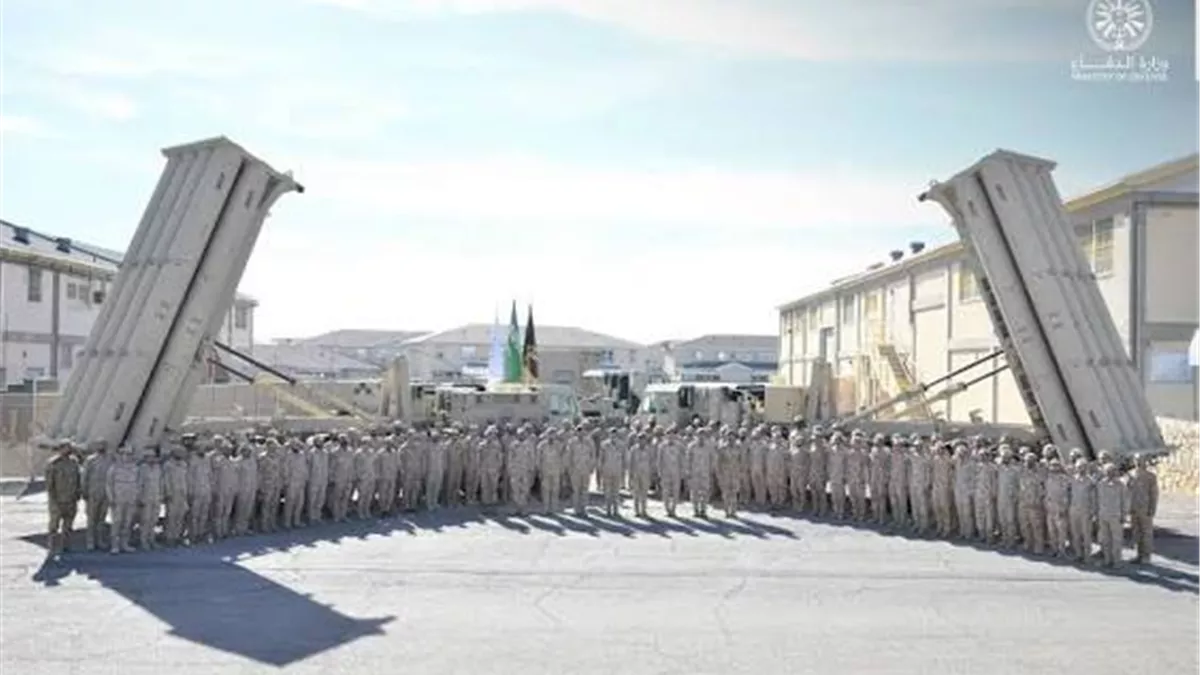
- Saudi air defences very likely intercepted multiple projectiles during the 10 November threat, but the total and geographic spread remain unresolved. Coalition accounts describe two missiles towards Riyadh and report additional threats towards southern Saudi Arabia or the Eastern Province; some accounts include a drone. The Houthi attribution comes from coalition statements and is not independently verified. Confidence is medium because several reports cover the incident, but their projectile counts and locations conflict. (Confidence: medium · REPORTED)
- I&W: A Saudi coalition statement gives a consistent count, weapon types and intercept locations for the 10 November incident. (0-14 days)
- I&W: Saudi authorities issue a correction or deny one or more reported intercepts, or subsequent reporting verifies a different count or location. (0-14 days)
- The Saudi-led coalition is very likely sustaining a broad air campaign across Yemen, including strikes in Sanaa and reports of more than 100 strikes across Saada, Al-Jawf, Marib, Taiz and Lahj in 24 hours. Houthi-affiliated reporting says strikes hit the al-Mafzar gas facility and a state oil company building in Sanaa. Casualty accounts from the al-Mafzar strikes conflict, reporting one death and either three or about nine injuries; those figures rely on local reporting and remain unverified. Confidence is medium for the continued air campaign and low for the casualty totals. (Confidence: medium · REPORTED)
- I&W: Further coalition or Yemeni government reporting documents airstrikes in the named governorates, with dates and locations that can be checked against independent reporting or imagery. (0-14 days)
- I&W: Independent reporting or imagery fails to corroborate strikes at the al-Mafzar facility or the state oil company building. (0-30 days)
- Saudi-Houthi military activity is likely to intensify over the next 14 days. Reports describe stepped-up Houthi attacks on Saudi airports, ports and oil facilities, alongside coalition airstrikes and fighting on several Yemeni fronts. The reported strike totals are claims by the parties and have not been independently verified. Confidence is medium because multiple outlets report activity, while key details depend on belligerent statements. (Confidence: medium · ASSESSED)
- I&W: Saudi authorities report new missile or drone alerts or interceptions, alongside dated reports of coalition strikes in Yemen. (0-14 days)
- I&W: Saudi and Houthi authorities announce a sustained halt to cross-border attacks and coalition strikes, with no verified incidents for seven consecutive days. (0-14 days)
- Humanitarian access in Taiz is likely to remain severely constrained in the near term. Human Rights Watch, as reported in major media, says Houthi forces encircled the city and cut its last main supply road, worsening shortages of fuel, food, water, medicine and cooking gas. Other reporting describes continued fighting and disrupted supplies. The encirclement and scale of shortages rest on limited reporting; the supplied claims do not verify the figure of 800,000 people cut off from assistance. Confidence is low. (Confidence: low · ASSESSED)
- I&W: Reporting from Taiz confirms the main supply road remains cut and documents continued shortages or aid convoys unable to reach the city. (0-30 days)
- I&W: Independent reporting or humanitarian updates confirm that the main supply road has reopened and aid deliveries have resumed into Taiz. (0-30 days)
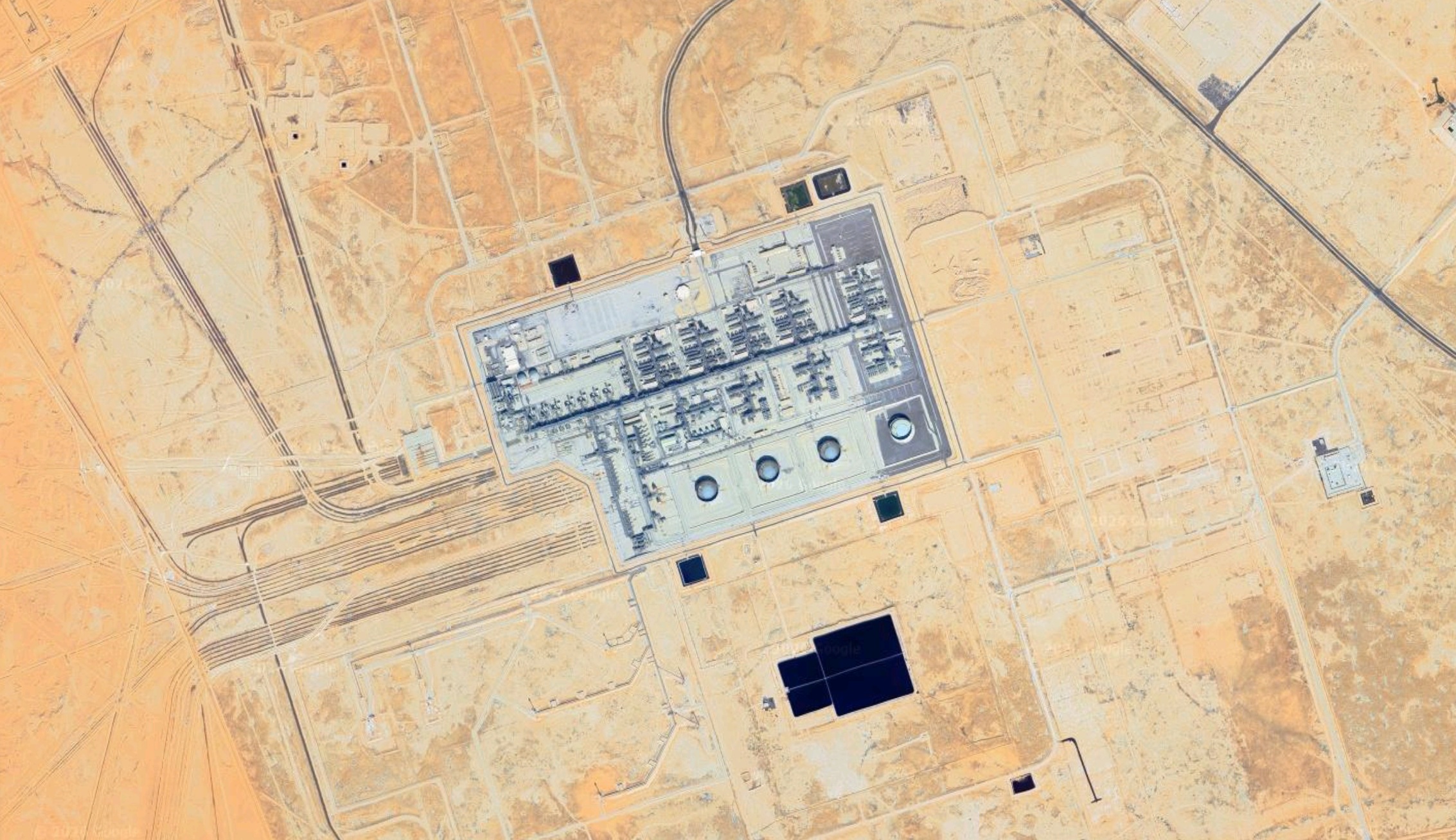
- The East-West Pipeline was very likely targeted on 9 November, causing a limited fire that Saudi Arabia’s Energy Ministry said was extinguished without disrupting operations. Saudi authorities have not named a perpetrator, and the Houthis have not claimed responsibility. The event and reported operational status are supported by ministry-based reporting; attribution remains unconfirmed. Confidence is medium. (Confidence: medium · REPORTED)
- I&W: Saudi Arabia’s Energy Ministry reports a change in East-West Pipeline operations or another fire, with a specific site and operational impact. (0-14 days)
- I&W: Saudi authorities publish an investigation identifying a non-Houthi cause or state that the reported incident was not an attack. (0-30 days)
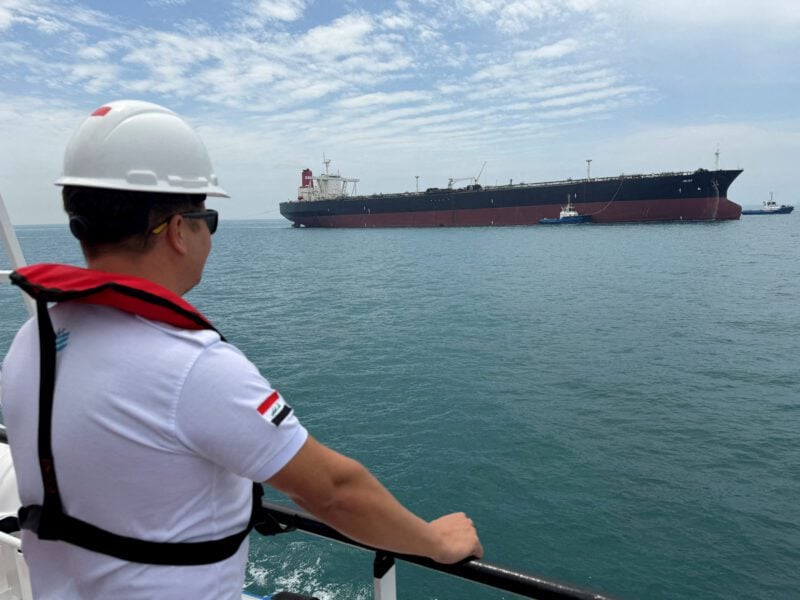
- A functioning Houthi blockade of Bab al-Mandab is not established by the available reporting. Houthi advances towards the strait have been reported, but another account says Saudi-backed Yemeni forces subsequently recaptured nearby positions. The International Maritime Organization has condemned Houthi attacks against merchant vessels, but the claims do not establish that the strait is closed or under Houthi control. Confidence is medium. (Confidence: medium · ASSESSED)
- I&W: The IMO or identifiable shipping operators report a specific vessel attack, detention or transit restriction at Bab al-Mandab. (0-30 days)
- I&W: Verified reporting confirms Saudi-backed Yemeni forces hold the reported nearby positions and merchant transits continue without Houthi-imposed restrictions. (0-30 days)
Outlook & scenarios
Continued Saudi-Houthi exchange (65%)
Saudi air-defence alerts and reported Houthi missile or drone attacks continue, while the Saudi-led coalition maintains airstrikes in Yemen. Projectile counts remain disputed, and neither side secures a decisive change in the reported front lines around Taiz.
Partial reduction in cross-border attacks (27%)
Saudi and Houthi cross-border attacks fall from the current reported tempo, but coalition strikes and ground clashes inside Yemen continue. Access to Taiz remains constrained unless the main supply road reopens and aid deliveries resume.
Energy or shipping disruption expands the crisis (8%)
A further attack causes sustained disruption to the East-West Pipeline or a verified incident impedes merchant shipping near Bab al-Mandab. Such an outcome would increase pressure on Saudi Arabia and its partners to expand defensive measures and would raise the risk of a wider regional response.
Recommendations
- Maintain a dated incident log for Saudi missile and drone alerts. Record each reported projectile type, interception location and source separately until Saudi coalition reporting reconciles the 10 November counts.
- Track East-West Pipeline operating status through Saudi Energy Ministry statements and independent reporting. Keep the perpetrator assessment open unless an investigation or independently corroborated evidence identifies responsibility.
- Seek current humanitarian updates on Taiz from Human Rights Watch and aid organisations, focusing on the status of the main supply road, convoy access and documented population figures. Do not use the 800,000 figure without corroboration.
- Monitor dated reports of vessel attacks, transit restrictions and Houthi positions near Bab al-Mandab. Distinguish attacks on individual vessels from evidence of a sustained blockade or control of the strait.
- Treat casualty figures for the al-Mafzar strikes as unverified until independent reporting reconciles the conflicting reports of three and about nine injuries.
Confidence & uncertainty
Overall confidence is high for the broad picture of renewed Saudi-Houthi military activity because multiple major-media reports describe Saudi alerts and interceptions, coalition strikes in Yemen, and the reported pipeline fire, drawing in part on official statements. Confidence is lower for the exact number and location of intercepted projectiles, the al-Mafzar casualty figures, responsibility for the pipeline incident and the scale of humanitarian access constraints in Taiz. Some reports repeat statements from parties to the conflict rather than independently verifying them.
Intelligence gaps
- [EEI 1.1 · PARTIAL] Verified launches, flight paths, impact locations, and warhead types for Houthi missiles and drones directed at Riyadh, airports, military sites, and energy infrastructure. Recommended collection: imagery/OSINT
- [EEI 1.3 · PARTIAL] Changes in Saudi air-defense deployments, airspace closures, civil-defense alerts, and restrictions on aviation or critical-facility access. Recommended collection: official statements/aviation notices
- [EEI 2.1 · PARTIAL] Houthi control of roads, checkpoints, mountain passes, and supply routes connecting Taiz to government-held areas. Recommended collection: ground reporting/imagery
- [EEI 2.2 · PARTIAL] Changes in front lines, artillery positions, troop concentrations, and attacks against Taiz's western, northern, and southern access routes. Recommended collection: OSINT/satellite imagery
- [EEI 2.3 · PARTIAL] Verified reductions in food, fuel, medicine, and humanitarian access reaching Taiz, including the number of people unable to receive aid. Recommended collection: UN/NGO reporting
- [EEI 2.4 · PARTIAL] Civilian displacement, casualty trends, hospital capacity, and reported shortages in Taiz and surrounding districts. Recommended collection: humanitarian reporting/local media
- [EEI 3.1 · PARTIAL] Houthi announcements, preparations, or attacks involving anti-ship missiles, naval drones, mines, or attempts to obstruct ports and shipping lanes. Recommended collection: maritime/OSINT
- [EEI 3.2 · UNCOVERED] Naval vessel posture changes, convoy activity, port-security measures, and new exclusion or warning zones in the Red Sea, Gulf of Aden, and approaches to the Gulf. Recommended collection: maritime/AIS
- [EEI 3.3 · UNCOVERED] Commercial vessel diversions, port disruptions, shipping delays, freight-rate changes, and war-risk insurance premium movement. Recommended collection: shipping/insurance reporting
- [EEI 3.4 · UNCOVERED] Evidence of attacks, support, or retaliatory actions involving Iran, Qatar, the United Arab Emirates, Bahrain, Kuwait, or other Gulf states. Recommended collection: official statements/OSINT
- [EEI 4.1 · PARTIAL] Public or private ceasefire proposals, mediation efforts, negotiation contacts, and stated conditions from the Houthis, Saudi Arabia, Yemen's government, Qatar, and the UN. Recommended collection: diplomatic reporting
- [EEI 4.3 · PARTIAL] New arms transfers, foreign military personnel, intelligence support, or air-defense deployments to parties in the conflict. Recommended collection: customs/imagery/official reporting
- [EEI 4.4 · PARTIAL] Concrete changes in humanitarian funding, aid access agreements, border-crossing policy, or UN warnings concerning food insecurity and civilian protection. Recommended collection: UN/NGO reporting
Red cell review: CONCUR WITH COMMENT
TLP:CLEAR