TLP:CLEAR · Disclosure is not limited.
SITREP: Hormuz threat at Severe, US strikes on Iran, and Israel, Hezbollah front simmers
Time window: Last 7 days · Audience: General analyst · Type: Situation report · DTG: 2026-07-08 00:30Z · Overall confidence: LOW
BLUF
Maritime risk in the Strait of Hormuz is very likely to remain acute after multiple tanker attacks prompted a Severe threat rating and fresh US strikes on Iranian sites. The Israel, Hezbollah front remains active but constrained, while Gulf capitals hedge between Washington, Tehran and Israeli defence support. Energy and freight markets are likely to stay volatile.
Executive summary
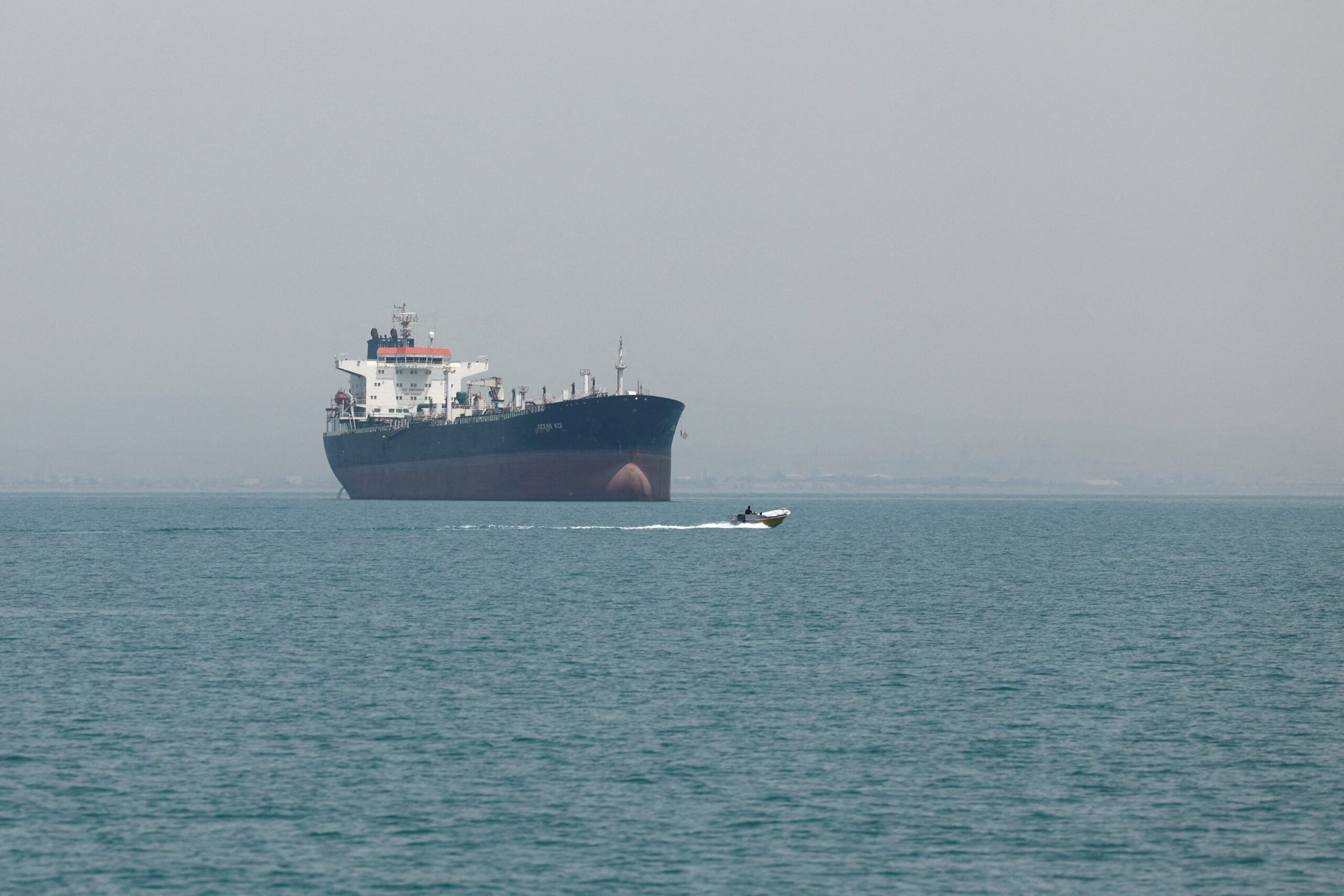
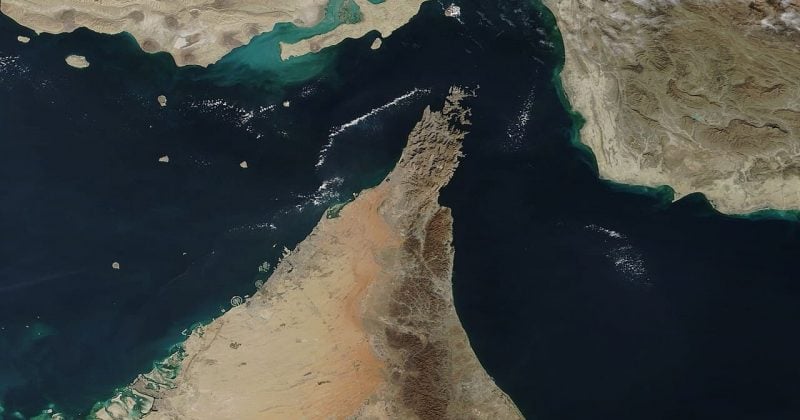
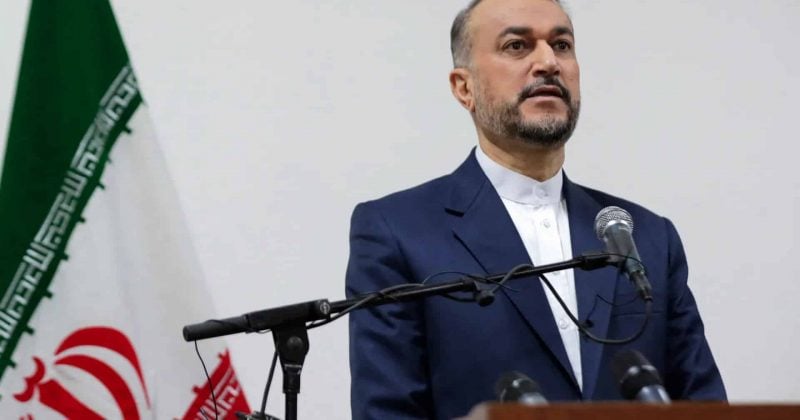
Over 1-8 July, at least two tankers were hit in the Strait of Hormuz and the Joint Maritime Information Center raised its assessment to Severe, citing multiple attacks in 24 hours. The US conducted new strikes on Iran on 7 July and hit Iranian air defences and launch sites on 8 July, following June strikes on coastal facilities, framing these as responses to shipping attacks and to maintain commerce through Hormuz. In Lebanon, fighting between Israel and Hezbollah has persisted since March with intermittent ceasefire steps and Israeli leaders signalling they will not withdraw from southern Lebanon. The UAE received an Israeli Iron Dome battery and interceptors after senior-level calls, and the system reportedly intercepted dozens of Iranian missiles aimed at the Gulf state. Reported casualties include scores killed inside Israel by ballistic attacks and several thousand civilians claimed killed in Iran, highlighting a rising humanitarian toll amid contested figures. Tehran says it remains committed to the Islamabad MoU addressing Hormuz but accuses the US of violating a ceasefire and warns of immediate retaliation to threats.
Key judgments
- It is very likely the maritime threat to commercial shipping in the Strait of Hormuz will remain severe in the near term, with additional attacks or interdictions plausible. (Confidence: high · ASSESSED)
- I&W: UKMTO or JMIC advisories reporting further mine contacts, UAV or missile strikes on tankers transiting Hormuz. (0-14 days)
- I&W: Royal Navy and Marine Nationale minehunters publicly commence de-mining in Omani waters and JMIC downgrades its Hormuz threat below Severe. (1-3 months)
- It is likely the United States will continue limited, precision strikes against Iranian air defence and launch sites tied to attacks on shipping over the coming days. (Confidence: high · ASSESSED)
- I&W: CENTCOM statements identifying additional Iranian launch or air-defence sites struck, with battle damage details. (0-14 days)
- I&W: A sustained absence of US kinetic actions paired with official emphasis on de-escalation and maritime diplomacy. (0-14 days)
- It is likely the Israel, Hezbollah front will remain active but constrained, with intermittent ceasefire moves, continued shelling, and an Israeli hold in parts of southern Lebanon through July. (Confidence: medium · ASSESSED)
- I&W: IDF communiqués reaffirming no withdrawal from southern Lebanon alongside further reported shelling incidents. (0-14 days)
- I&W: Joint announcements on a phased IDF pullback from named areas in southern Lebanon under a renewed monitoring arrangement. (1-3 months)
- Gulf capitals are very likely to intensify hedging, diversifying security ties and accommodating selective Israeli and Iranian demands on their soil in response to the war’s spillover. (Confidence: medium · ASSESSED)
- I&W: Additional GCC requests or acceptance of Israeli air-defence deployments or public steps to deepen economic ties with Iran. (1-3 months)
- I&W: Public GCC refusals of third-country deployments accompanied by reaffirmed exclusive reliance on US security guarantees. (1-3 months)
- Global energy and freight markets are likely to remain volatile as Hormuz disruptions persist, spurring renewed attention to bypass corridors such as IMEC over the next quarter. (Confidence: medium · ASSESSED)
- I&W: Gulf tanker day rates remain elevated near or above recent peaks and officials signal an IMEC ministerial or related corridor steps. (1-3 months)
- I&W: JMIC downgrades Hormuz risk and day rates fall alongside easing spot oil prices. (0-14 days)
- The humanitarian toll is likely to rise across theatres, though casualty figures are contested and politically charged. (Confidence: medium · ASSESSED)
- I&W: Official casualty updates in Israel and Iran trend upward week on week following missile and air attacks. (0-14 days)
- I&W: Sustained ceasefire compliance that halts cross-border missile fire for at least two weeks. (0-14 days)
- Iran is likely to continue balancing public commitment to the Islamabad MoU with accusations of US violations and threats of immediate retaliation, reducing prospects for a durable maritime de-escalation in the short term. (Confidence: medium · ASSESSED)
- I&W: Iranian MFA or military statements invoke the MoU while warning of immediate response after further US or Israeli actions. (0-14 days)
- I&W: A joint US, Iran announcement details concrete MoU steps to reopen Hormuz, including agreed transit protocols. (1-3 months)
Outlook & scenarios
Hormuz flashpoint escalates (45%)
Further attacks on tankers and attempted interdictions sustain a Severe security posture at Hormuz. The US conducts additional limited strikes on Iranian launch and air-defence sites. Gulf governments harden air and maritime defences and demand reassurance. Freight rates and insurance premiums rise, with episodic oil price spikes.
Managed de-escalation via MoU and de-mining (35%)
Oman-facilitated diplomacy enables British and French minehunters to begin a limited de-mining effort in Omani waters while Washington and Tehran operationalise elements of the Islamabad MoU. JMIC downgrades the threat and escorted transits resume on defined lanes. Market volatility eases, though residual risk persists.
Northern front widens (40%)
Israeli operations in southern Lebanon intensify and Hezbollah resumes higher-volume fire, with ceasefire initiatives stalling. Cross-border exchanges increase civilian displacement and casualties. The US and regional mediators struggle to align positions while Israel signals an extended presence south of the Litani.
Gulf hedging reorders alignments (25%)
Select GCC states deepen parallel tracks: limited security cooperation with Israel on air defence, guarded economic engagement with Iran, and calibrated messaging to Washington. The US presence remains, but regional partners diversify suppliers and crisis-management channels, complicating collective maritime security.
Recommendations
- Maintain a standing OSINT watch on UKMTO and JMIC advisories for Hormuz, and log each incident with time, platform type and geolocation to update a shipping risk picture for USG stakeholders.
- Exploit NASA FIRMS thermal detections and commercial SAR/EO imagery to corroborate reported strikes on Iranian launch and air-defence sites and to detect possible mine-laying patterns along Hormuz approach lanes.
- Task maritime analysts to track British and French mine-countermeasures vessel movements and official communiqués on Omani de-mining to assess prospects for threat downgrades.
- Synchronise with CENTCOM public affairs to obtain releasable strike battle damage assessments that can inform maritime industry advisories without compromising sources and methods.
- Develop a short-term routing and insurance impact brief for US operators transiting the Gulf, integrating day-rate movements and the latest JMIC posture, with options for delay, diversion or convoying.
- Assign the Levant cell to monitor IDF statements on posture in southern Lebanon and Hezbollah operational tempo, mapping ceasefire initiatives against on-the-ground activity.
- Track GCC requests for air-defence deployments and Iran, GCC economic overtures to anticipate hedging moves that could affect US access and coordination.
- Maintain an indicators log for all judgments, updating confidence levels as confirmatory or disconfirming events occur.
Confidence & uncertainty
Overall confidence is low because several core elements rest on mixed-quality sourcing and contain unresolved contradictions. The timeline and attribution of key war milestones differ across credible claims, including the conflict start date and responsibility for the assassination of Iran’s supreme leader. Shipping incident counts and the extent of mining activity vary by source, and casualty figures are contested and politically framed. While multiple major-media and official statements corroborate tanker attacks, US strikes, and a Severe maritime threat posture, gaps and inconsistencies reduce confidence in precise timelines and magnitudes.
Alternative analysis (red cell)
Multiple key judgments rely on mixed-admiralty event reports, projectionary economic estimates, and contested casualty figures. A defensible alternative reading is that the situation remains volatile but contingent: concrete escalation or durable de-escalation depends on near-term independent verification of the Islamabad MoU, confirmed mine-laying/attacks from ISR or commercial AIS, and explicit policy choices by the United States and Gulf capitals. Absent those corroborating indicators, higher-confidence directional judgments in the brief should be treated as provisional.
Cited sources
[1] aljazeera.com · Iran war live: US says launched new strikes after attacks on vessels (A) · sha256:aa79d2e475fa [2] The Jerusalem Post · Live Updates: Latest from Israel, Iran, and Middle East | The Jerusalem Post (B) · sha256:60ff0ecf00f3 [3] gcaptain.com · Three Tankers Attacked Near Strait of Hormuz as JMIC Warns of 'Severe' Threat (A) · sha256:a8b43daa30da [4] gcaptain.com · Iran Mining Hormuz to Funnel Ships Into Its Waters, U.S. Navy Says (A) · sha256:dab8c84d41b1 [5] gcaptain.com · Hormuz Strikes Threaten Progress on Europe’s De-mining Mission (B) · sha256:19b0d769544c [6] islamtimes.com · Iran Raps US Aggression, Defends Right to Self-Defense - Islam Times (A) · sha256:fa17432e4cf6 [7] maritime-executive.com · US Forces Still Poised in the Arabian Gulf Area (B) · sha256:bc323b87762b [8] Wikipedia · 2026 Lebanon war (B) · sha256:59634a5de2ca [9] Atlantic Council · What the US-Iran deal means for the rest of the Middle East (and beyond) (C) · sha256:5f93318fe142 [10] Al Jazeera · ‘Will not leave’: Is Israel killing the US-Iran MoU by staying in Lebanon? (A) · sha256:fda714d6e5ad [11] Al Jazeera · How US-Iran war may push Gulf countries to ‘diversify’ security alliances (A) · sha256:835e3831bacd [12] The Jerusalem Post · Israel sent dozens of IDF soldiers, Iron Dome system to UAE during Iran war, minister confirms (A) · sha256:929b3c9b85e6 [13] cryptobriefing.com · Iran blocks Strait of Hormuz, threatening global oil supply amid conflict (B) · sha256:726861c72492 [14] gcaptain.com · U.S. Revokes Iran Oil Waiver After Hormuz Attacks, Launches New Military Strikes (B) · sha256:5e12f0e145d0 [15] Atlantic Council · A network of corridors is the only reliable hedge against Middle East chokepoint disruptions (B) · sha256:ed6453550f3a [16] gcaptain.com · LNG Tanker 'Al Rekayyat' at Risk of Exploding After Attack Near Hormuz (A) · sha256:85a8e8b63072 [17] cryptobriefing.com · Iran warns of immediate response amid US-Israel tensions (B) · sha256:caa2d021f496
Source content hashes were computed at collection time; the cited text is preserved unmodified for the life of this product.
Red cell review: PARTIAL DISSENT
TLP:CLEAR