TLP:CLEAR · Disclosure is not limited.
SITREP: Iran, Israel escalation, Gulf spillover and Hormuz disruption
Time window: Last 1 day · Audience: General analyst · Type: Situation report · DTG: 2026-07-12 09:42Z · Overall confidence: LOW
BLUF
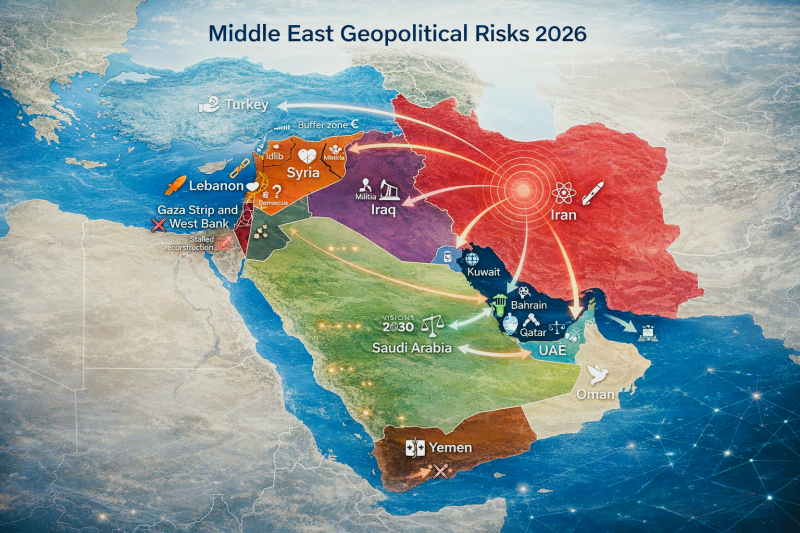
Armed exchanges between the United States and Israel on one side and Iran on the other are very likely to persist, with Iranian missile and drone salvos following late‑February strikes inside Iran. Maritime traffic through the Strait of Hormuz has fallen sharply, and the threat environment in the United Arab Emirates remains elevated.
Executive summary
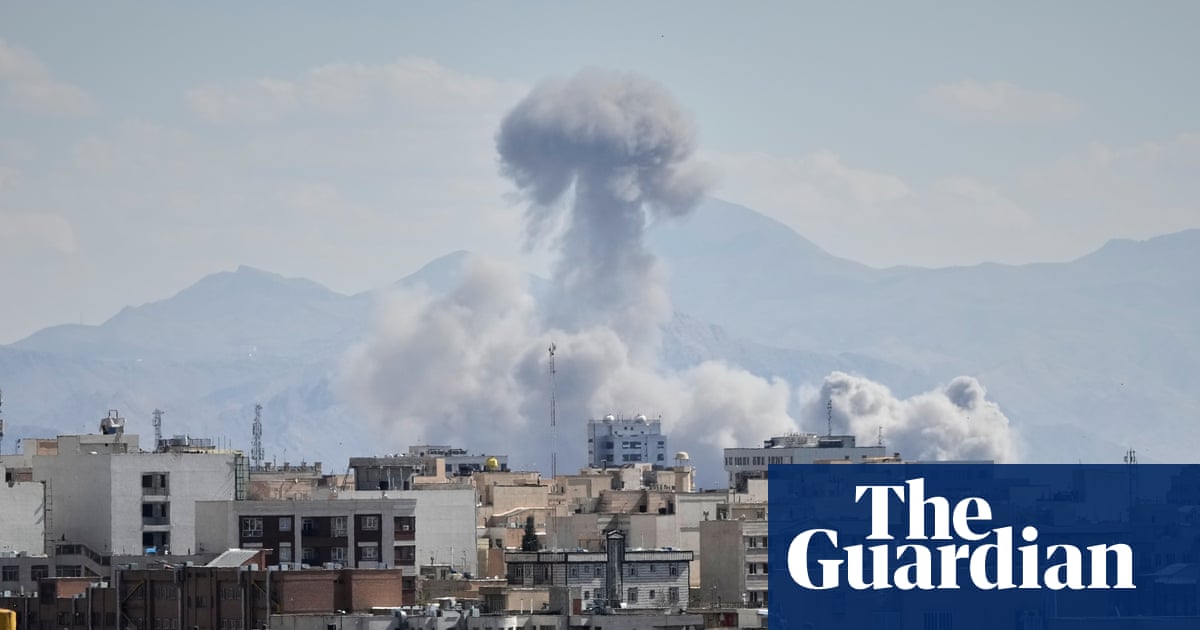
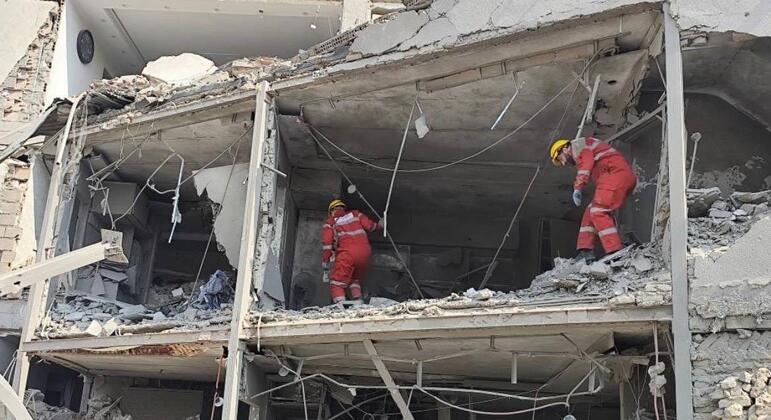
Joint US, Israeli strikes inside Iran beginning on 28 February 2026 and further attacks on 1 March were followed by Iranian waves of missiles and drones targeting Israel and US bases across the Gulf. The Israel Defense Forces publicly framed Iran’s actions as pushing the region toward escalation, and the UN Secretary‑General told the Security Council that US and Israeli airstrikes violated international law. Shipping through the Strait of Hormuz has fallen sharply, with vessel transits along the southern route off Oman’s coast dropping into the single digits after renewed attacks and US retaliatory strikes. The IMO Council has called on member states not to recognise Tehran’s claim of sovereignty over the strait and condemned Iran’s move to establish a traffic‑control entity. The UAE threat picture remains acute, given official US travel and aviation advisories, a prior ordered departure of US government dependants and employees, and Tehran’s stated intent to target US‑linked locations in the country. Civilian harm inside Iran was extensive in late February and early March, including at least 180 killed in Tehran and reports of explosions near hospitals.
Change from previous assessment
New details since the 11 July brief include trade‑press reporting that southern‑lane Hormuz transits fell into single digits after renewed attacks and US retaliatory strikes, UN Security Council remarks on a lost continuity of knowledge regarding Iran’s nuclear programme, and explicit IMO Council language urging states not to recognise Iranian sovereignty claims over Hormuz. The UAE threat picture remains elevated, reaffirmed by existing US travel and aviation advisories and Tehran’s intent to target US‑linked locations. Attribution around Ali Khamenei’s reported killing remains contested, so confidence on leadership dynamics is unchanged and remains cautious.
Key judgments
- US and Israeli forces very likely executed joint strikes against targets in Iran beginning 28 February 2026, and Iran very likely retaliated with waves of missiles and drones against Israel and US bases across the Gulf. (Confidence: high · REPORTED)
- I&W: IRGC Aerospace Force publicly announces fresh strike waves or publishes targeting claims against Israeli air bases. (0-14 days)
- I&W: A 14‑day halt in cross‑border strikes acknowledged by US and Israeli officials. (0-14 days)
- It is likely Supreme Leader Ali Khamenei was killed during the initial strikes, but attribution remains disputed between a combined US, Israeli operation and the Israeli Air Force alone. (Confidence: medium · REPORTED)
- I&W: Official Iranian announcements formalising an interim leadership arrangement consistent with reported transition figures. (0-14 days)
- I&W: Authoritative evidence of Khamenei’s continued leadership activity from Iranian state institutions. (0-14 days)
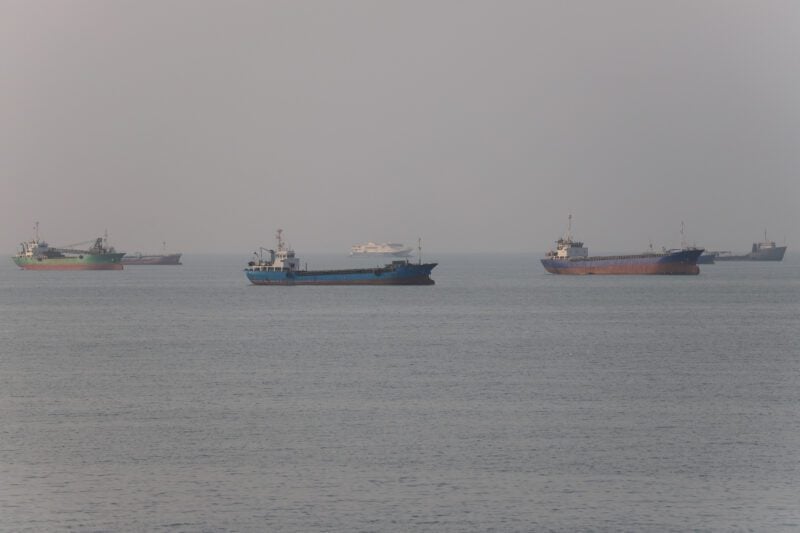
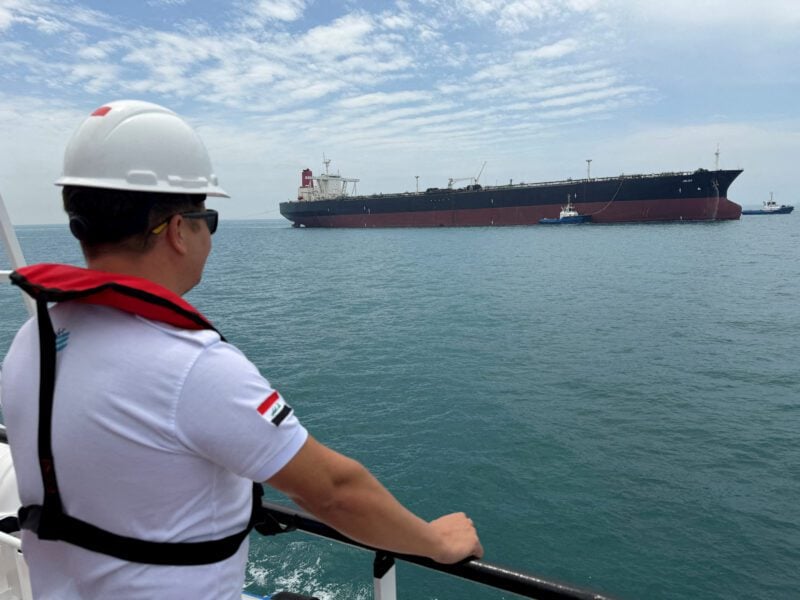
- Maritime traffic through the Strait of Hormuz is very likely severely disrupted, with the southern route off Oman’s coast dropping into the single digits after renewed attacks and US retaliatory strikes. (Confidence: high · REPORTED)
- I&W: INTERTANKO and AIS data show southern‑lane transits persist in single digits. (0-14 days)
- I&W: Northern‑lane traffic returns to and sustains more than 70 daily transits. (1-3 months)
- The threat environment in the United Arab Emirates is very likely elevated for US‑linked targets and civil aviation. (Confidence: high · REPORTED)
- I&W: Iranian state or IRGC channels explicitly reference US‑linked targets in Abu Dhabi or Dubai. (0-14 days)
- I&W: US State Department downgrades its UAE travel advisory level. (1-3 months)
- Regional spillover via Iranian‑aligned groups is likely to persist, keeping multiple fronts active beyond Iran and Israel. (Confidence: medium · ASSESSED)
- I&W: Additional public claims of strikes on Israeli targets from Yemeni Armed Forces or other Iran‑aligned groups. (0-14 days)
- I&W: A verified two‑week cessation of cross‑border fire along the Israel, Lebanon frontier. (0-14 days)
- Energy market risk is likely to remain elevated while Hormuz traffic is depressed and de‑escalation remains uncertain. (Confidence: medium · ASSESSED)
- I&W: IEA and industry notes continue to condition outlooks on rapid de‑escalation and restored Hormuz flows. (1-3 months)
- I&W: Sustained rebound of Hormuz southern‑lane transits from single digits to pre‑ceasefire norms. (1-3 months)
- International pushback against Iran’s attempt to assert sovereignty over the Strait of Hormuz is likely to persist, limiting broad recognition of Tehran’s control claims. (Confidence: medium · ASSESSED)
- I&W: Major flag states publicly align with the IMO Council’s position in policy statements or guidance to shipowners. (1-3 months)
- I&W: Prominent shipping nations begin seeking passage permits from Iran’s claimed authority for Hormuz. (1-3 months)
- Civilian harm inside Iran from the late‑February and early‑March strikes was very likely high, including at least 180 killed in Tehran and explosions reported near hospitals. (Confidence: high · REPORTED)
- I&W: Follow‑up casualty updates from the Iranian Red Crescent reflecting nationwide totals for the period. (0-14 days)
- I&W: Official Iranian reporting materially revises casualty figures downward for 28 February, 1 March events. (1-3 months)
Outlook & scenarios
Protracted tit‑for‑tat with proxy engagement and constrained shipping (60%)
Cross‑border strikes and retaliatory volleys persist at a controlled yet elevated tempo, with Iran‑aligned groups in Yemen and Lebanon keeping additional fronts active. Hormuz traffic remains depressed, especially via the southern Omani route, sustaining insurance costs and market uncertainty. International bodies keep condemning Iranian control claims over Hormuz without shifting the maritime status quo.
Limited de‑escalation and partial maritime recovery (35%)
US signalling against further escalation, calls for talks, and quiet technical channels reduce strike frequency. The northern Hormuz lane gradually recovers toward post‑ceasefire transit levels while the southern lane improves from single digits. Diplomatic pressure via the IMO Council holds, and shuttle diplomacy by regional actors keeps lines open.
Wider regional war and severe energy shock (20%)
Iran expands target sets consistent with prior warnings, with higher‑volume salvos and more frequent proxy attacks against US or Israeli interests in Gulf states. Israel and the United States increase operations inside Iran. Hormuz flows deteriorate further, approaching conditions described as the largest recorded supply disruption, and the risk environment in the UAE intensifies.
Recommendations
- Maintain a daily Hormuz dashboard that tracks southern‑lane and northern‑lane transits against pre‑ceasefire benchmarks, using INTERTANKO reporting where available, to cue early warnings on maritime risk.
- Stand up an indications log for Iranian and IRGC Aerospace Force communiqués announcing or threatening expanded targeting of Israeli air bases, and cross‑reference with Israeli air defence reporting to validate strike patterns.
- Preserve dual analytic lines on Iranian leadership: one assuming Khamenei’s death and interim stewardship, and one assuming continuity, and gate any shift on authoritative state announcements.
- For UAE risk, align posture with US travel and FAA advisories and prior ordered‑departure decisions: map US‑linked facilities in Abu Dhabi and Dubai mentioned in Iranian rhetoric and set alerting for any naming of specific targets.
- Tie energy‑market analysis to observable maritime indicators: treat a sustained northern‑lane return to more than 70 daily transits as a break‑glass threshold for downgrading energy disruption risk, and continued single‑digit southern‑lane counts as confirming elevated risk.
- Use the IMO Council position in maritime engagement with carriers, insurers and flag states to discourage acceptance of any unilateral Iranian permit regime for Hormuz transits.
Confidence & uncertainty
The brief relies on a mix of high‑confidence official statements and trade reporting alongside medium and lower‑confidence claims from media and think‑tank sources, with notable attribution conflicts and timeline discrepancies. Core developments such as late‑February US, Israeli strikes and Iranian missile and drone responses are well attested, and shipping disruption through Hormuz is corroborated by sector reporting. However, the reported killing of Ali Khamenei has competing attributions, some elements rest on single‑source accounts, and several claims come from less authoritative venues. These factors, plus unresolved contradictions across dates and attributions, justify a low overall confidence rating for the integrated assessment.
Alternative analysis (red cell)
An alternative, defensible interpretation is that significant strikes on Iran occurred but attribution, exact timing, and the scale of US involvement remain contested; several key facts (notably Khamenei’s reported death and precise joint-force participation) lack independent, high-admiralty confirmation. Maritime and energy impacts are plausible but the reporting mixes timeframes and datasets, making sustained quantitative claims (single-digit southern-route traffic, prolonged market disruption) uncertain. Resolving these uncertainties requires time-stamped forensic strike validation, AIS/satellite shipping logs, independent casualty verification, and intercepts confirming command-and-control.
Intelligence gaps
- [EEI 1.1 · PARTIAL] Number, type, launch times, and trajectories of ballistic missiles, cruise missiles, armed UAV strikes, and combat-air sorties launched by Iranian or Israeli forces toward the other's territory or forward bases within a 72-hour window. Recommended collection: signals/intel
- [EEI 1.2 · PARTIAL] Observable changes in Israeli and Iranian force posture: mobilization or reserve call-up orders, unit road/rail movements, dispersal or sortie rates of air squadrons, redeployment of air-defense batteries, and activation of civil-defense alerts or sirens in major population centers. Recommended collection: open-source/media
- [EEI 2.1 · PARTIAL] Counts, launch locations (coordinates), weapons types, and assessed damage from rocket/missile/drone strikes originating from Lebanon into northern Israel attributed to Hezbollah or allied groups. Recommended collection: open-source/media
- [EEI 2.2 · PARTIAL] Reported attacks by Iranian-backed militias in Iraq and Syria: rocket/IED strikes on bases hosting US/coalition or Israeli personnel, documented militia unit movements toward borders, and captured movement or transfer of weapons systems to forward militia positions. Recommended collection: human
- [EEI 2.3 · PARTIAL] Maritime harassment or attacks by proxies (e.g., Houthis): incidents of missile/rocket strikes against commercial vessels, small-boat swarm attacks, discovery or detonation of naval mines, and corresponding AIS anomalies in the Red Sea, Gulf of Aden, or southern Arabian Gulf. Recommended collection: maritime/AIS
- [EEI 3.1 · PARTIAL] Movements and arrival dates of foreign military assets into the region: carrier strike groups, amphibious ships, surface combatants, strategic airlift/tanker deployments, and air/sea patrol patterns by US, European, Russian, or regional militaries. Recommended collection: imagery/satellite
- [EEI 3.3 · PARTIAL] Immediate commercial and market indicators: rerouting of commercial tankers and container vessels (e.g., avoidance of Bab el-Mandeb or Strait of Hormuz), sudden spikes in war-risk insurance premiums for regional sea lanes, temporary port closures, and near-term price moves in regional benchmark crude tied to incidents. Recommended collection: financial/market
Cited sources
[1] Wikipedia · Reactions to the 2026 Iran war (B) · sha256:625c4f452002 [2] United Nations · Security Council LIVE: ‘Lost continuity of knowledge’ on Iran’s nuclear programme since US-Israel attacks, top UN official warns (A) · sha256:fc21a388ea4b [3] Wikipedia · Timeline of the 2026 Iran war (B) · sha256:f016d479525b [4] The Guardian · Monday briefing: What does the escalation in the Middle East mean for global stability? (A) · sha256:ec154c1cbecc [5] Wikipedia · 2026 United States military buildup in the Middle East (B) · sha256:92e64216b11a [6] Atlantic Council · A network of corridors is the only reliable hedge against Middle East chokepoint disruptions (B) · sha256:ed6453550f3a [7] gcaptain.com · INTERTANKO: Hormuz Tanker Transits Via Southern Route Fall to Single Digits After Renewed Fighting (C) · sha256:ec7edd5042d6 [8] U.S. Department of State · United Arab Emirates Travel Advisory (A) · sha256:7a0c71f2991b [9] devdiscourse.com · Region on Edge: Iran-Israel Tensions Escalate Amid Diplomatic Struggles | International (B) · sha256:23d162d3aac8 [10] Wikipedia · Middle Eastern crisis (2023–present) (B) · sha256:0dd79b411c4a [11] news.az · Why does the Middle East conflict risk matter globally | News.az (B) · sha256:7ef270868270 [12] Bloomingbit · Iran warns of 'region-wide escalation across the Middle East' if tensions rise… warning to the U.S. and Israel (B) · sha256:dd9870837e41 [13] Wikipedia · Iran–Israel proxy conflict (B) · sha256:f36cd8abbb81 [14] gcaptain.com · Oil Market Recovery Hinges on Hormuz Stability as IEA Warns Renewed Fighting Clouds Outlook (B) · sha256:9fb2249bf1e2 [15] gcaptain.com · Countries Must Reject Iran Efforts to Control Hormuz, UN Agency Document Says (B) · sha256:d250c18c950b [16] arabnews.com · The regional implications of escalating Iran-Israel tensions (B) · sha256:c7064f2f67b7
Source content hashes were computed at collection time; the cited text is preserved unmodified for the life of this product.
Red cell review: PARTIAL DISSENT
TLP:CLEAR