TLP:CLEAR, Disclosure is not limited.
SITREP: Iran, US Exchanges, Missile Salvos, and Maritime Risk in the Middle East (4-11 June 2026)
Time window: Last 7 days · Audience: General analyst · Type: Situation report · DTG: 2026-06-11 12:15Z · Overall confidence: MEDIUM
BLUF
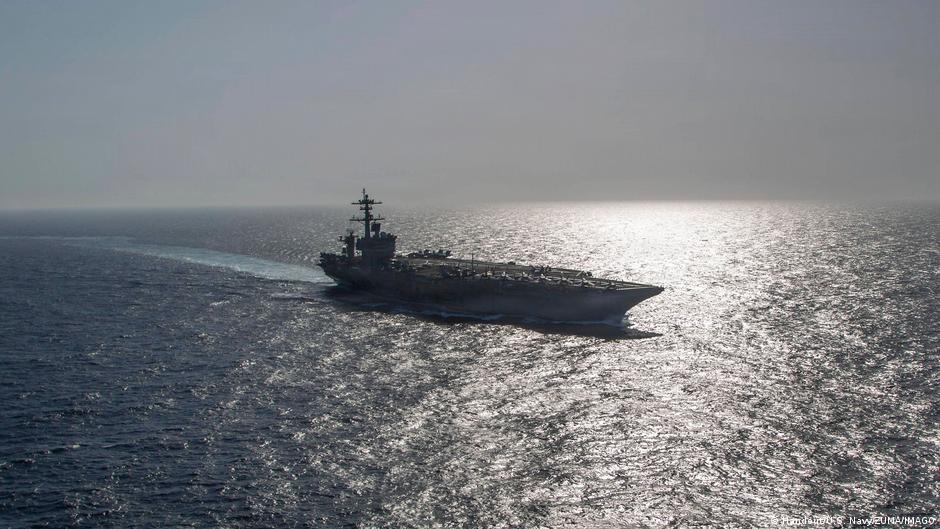
US, Iran hostilities re-flared 8-11 June with Iranian missile salvos on Israel and US-linked hosts in Jordan, Kuwait, and Bahrain and US airstrikes on Iran; Jordan and Kuwait reported intercepts and Kuwait briefly closed airspace. Maritime and air hazards around the Strait of Hormuz are high, even amid irregular oil flows and rerouting, making wider regional escalation likely in the coming weeks.
Executive summary
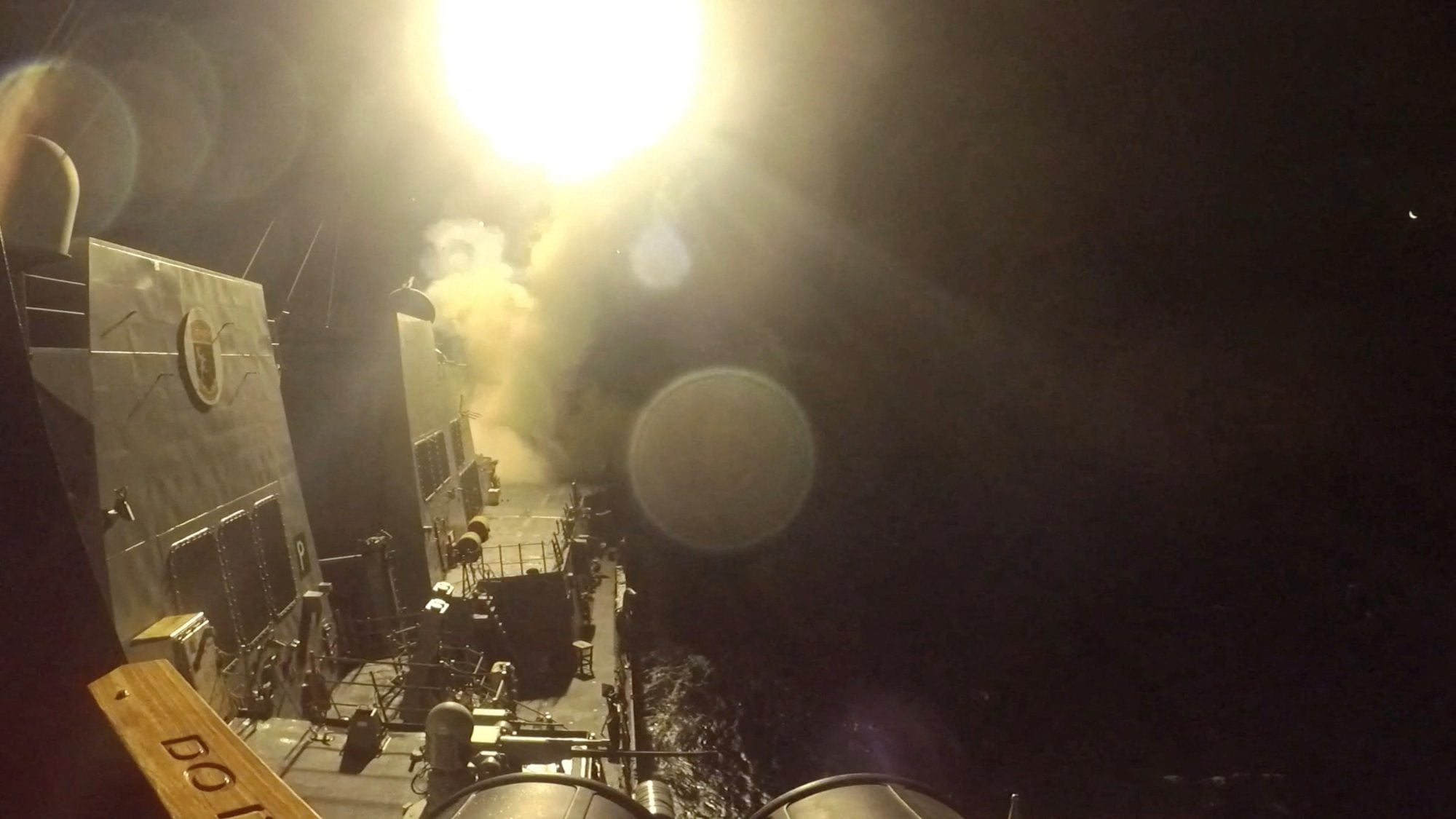
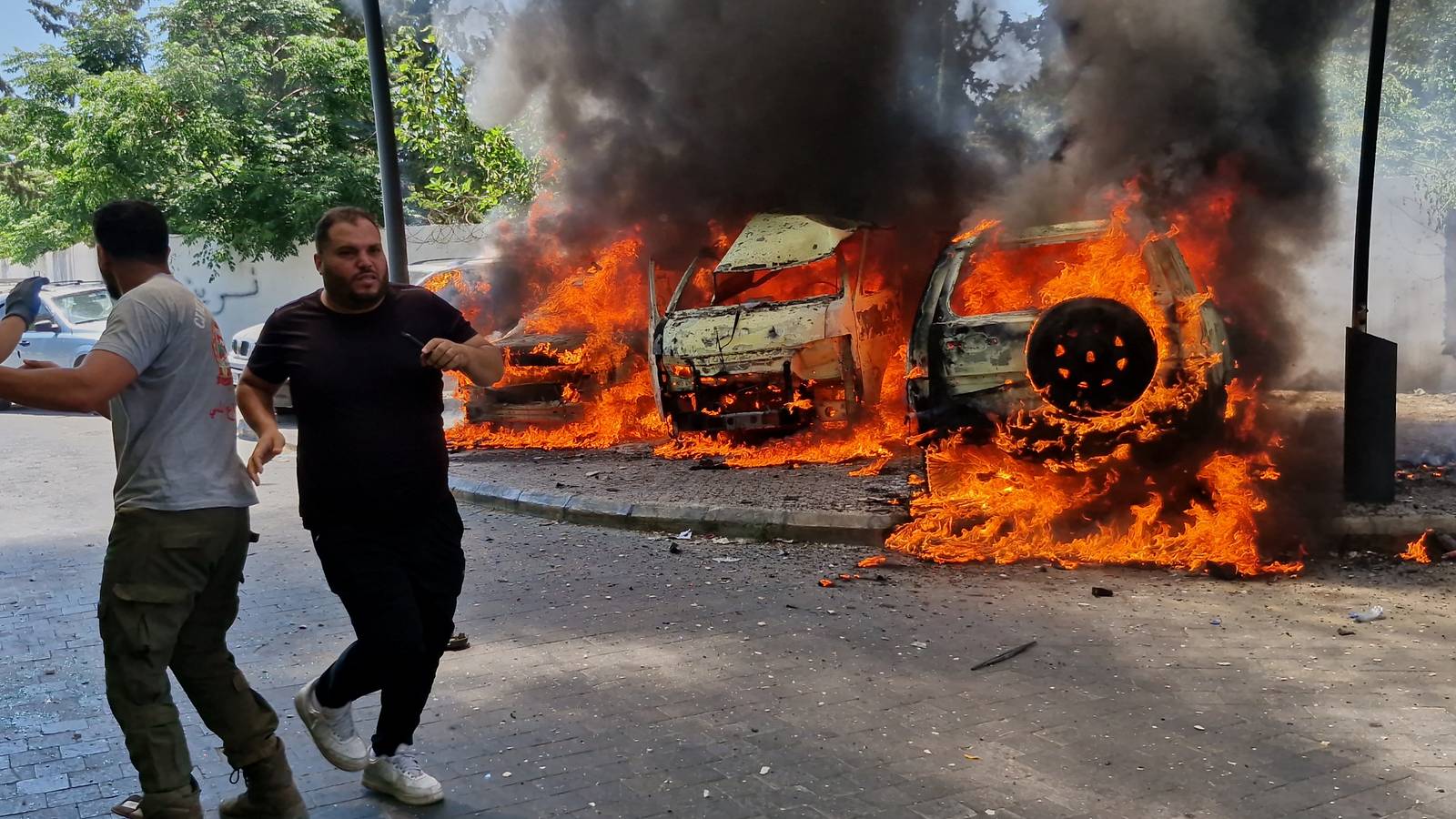
Between 8-11 June, Iran’s Islamic Revolutionary Guard Corps (IRGC) claimed missile attacks on Israel and on US-associated targets in Jordan, Kuwait, and Bahrain, while the United States conducted airstrikes on Iranian targets. Jordan and Kuwait reported intercepting incoming missiles/projectiles, and Kuwait temporarily closed its airspace; the US Embassy in Jordan issued immediate shelter guidance. Diplomatic signals are mixed: the UN Security Council convened a high-level debate warning of cross-border reverberations; the UK condemned Iranian attempts to close Hormuz and urged de-escalation, while US and Iranian back-channels reportedly continue. The status of the Strait of Hormuz is contested, Tehran and some reporting assert closure, while CENTCOM denies it, and evidence shows reduced but ongoing oil flows and ship-to-ship transfers outside the strait, alongside increased Suez tanker traffic. Sanctions pressure intensified with new OFAC designations tied to IRGC/MODAFL procurement networks. The humanitarian toll in Lebanon remains severe and would worsen if ground operations expand.
Key judgments
- The US, Iran conflict has re-escalated since 8-11 June through reciprocal strikes and missile launches, very likely raising the risk of additional spillover to Jordan, Kuwait, Bahrain, and Israel over the next 1-3 months. (Confidence: high · REPORTED)
- I&W: Additional declared Iranian missile/drone salvos against Israel or US-linked bases in Jordan, Kuwait, or Bahrain. (0-14 days)
- I&W: A publicly acknowledged ceasefire by both Washington and Tehran accompanied by at least 14 consecutive days without reported cross-border launches. (0-2 months)
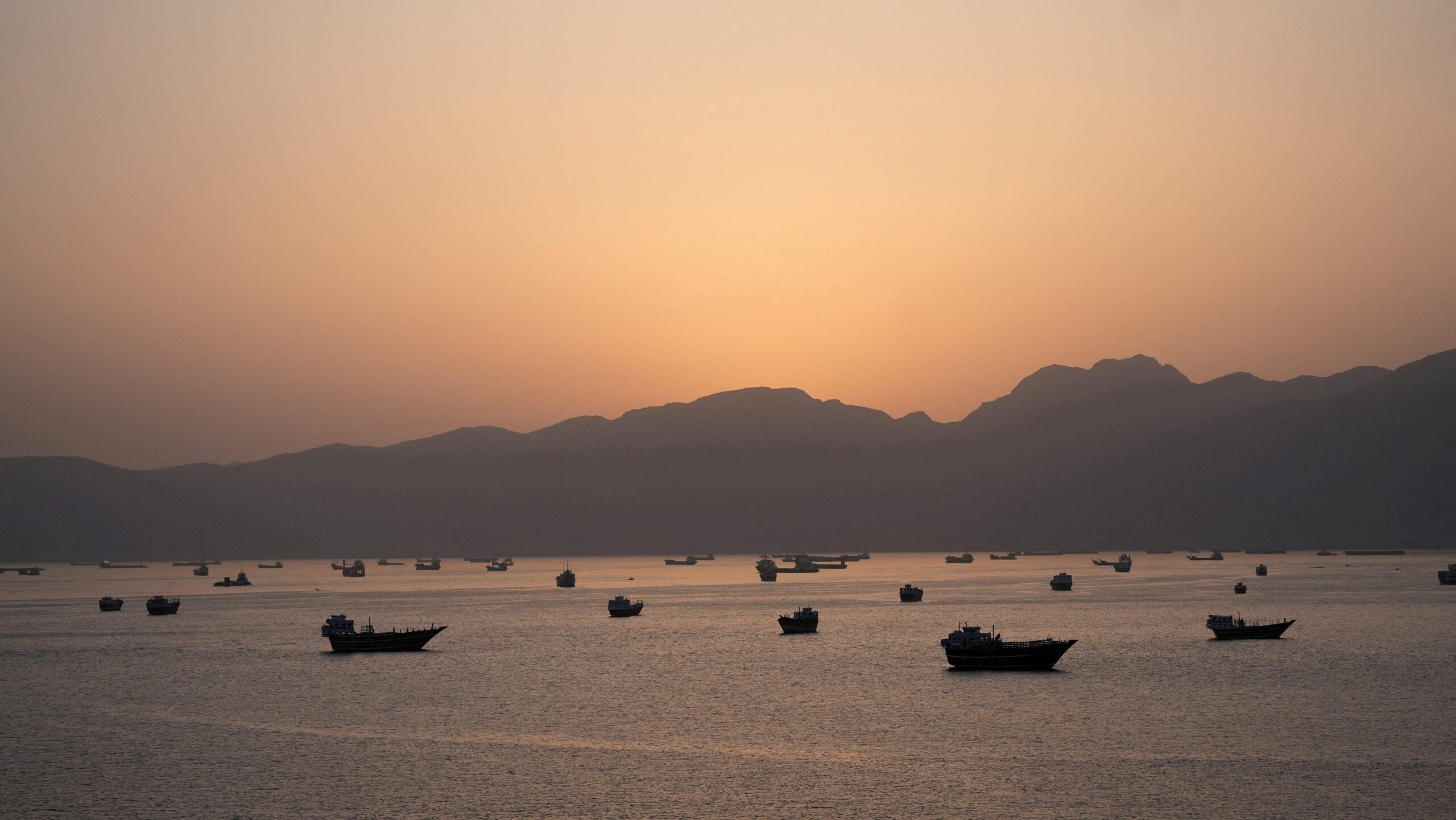
- The Strait of Hormuz is likely operating in a degraded, irregular state rather than fully closed: oil is still flowing at reduced levels via covert or escorted transits and rerouting, while navigational risk for shipping and airspace remains high. (Confidence: medium · ASSESSED)
- I&W: Sustained satellite/port data showing continued loadings at UAE terminals and ship-to-ship transfers off Oman, with irregular AIS activity through Hormuz. (0-2 months)
- I&W: Official navigation warnings lifted and visible return to normal, AIS-on tanker transits through Hormuz for at least two consecutive weeks. (1-3 months)
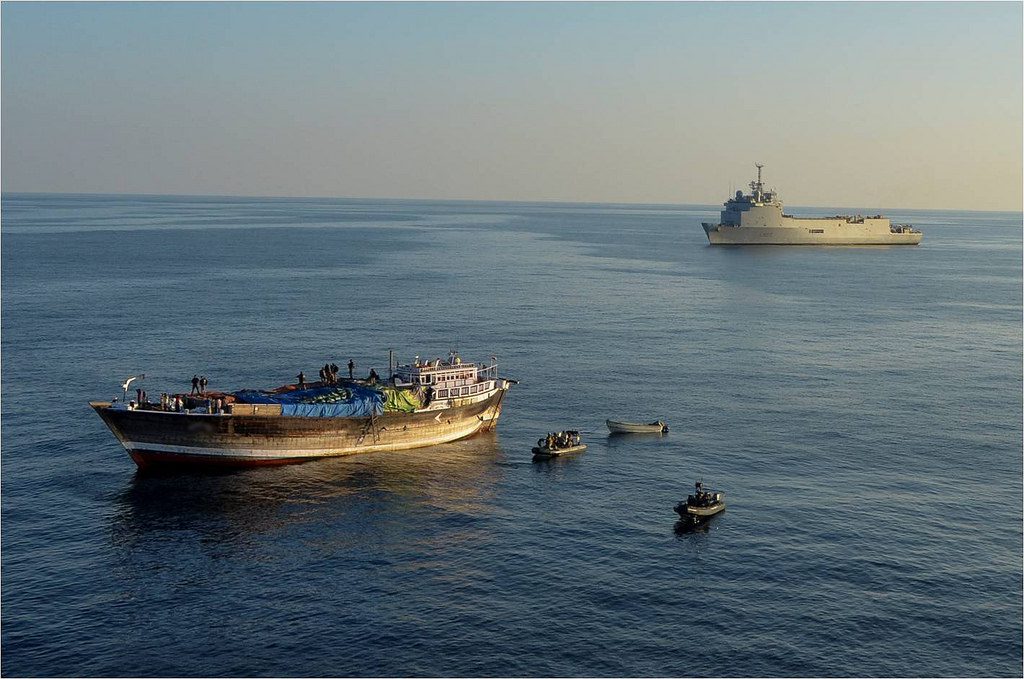
- Iran-aligned activity around Yemen is likely to produce sporadic long-range launches and maritime security incidents, but confirmed Houthi anti-shipping attacks in the Southern Red Sea have paused in recent days; recent small-craft engagements off Yemen appear more consistent with piracy. (Confidence: medium · ASSESSED)
- I&W: UKMTO/JMIC confirmation of renewed Houthi missile/drone strikes against merchant shipping in the Southern Red Sea or Bab el-Mandeb. (0-14 days)
- I&W: Additional UKMTO-reported small-craft approaches resolved as piracy with no Houthi claim of responsibility. (0-2 months)
- Threats to US-linked personnel and infrastructure in GCC states, especially the United Arab Emirates, are likely to remain elevated as long as exchanges persist. (Confidence: high · ASSESSED)
- I&W: Public claims or intercept reports of Iranian missiles/drones targeting UAE or Bahrain, or a further tightening of US/FAA aviation NOTAMs for GCC airspace. (0-14 days)
- I&W: US State Department downgrades the UAE travel advisory and the FAA rescinds cautionary NOTAMs for the region. (1-3 months)
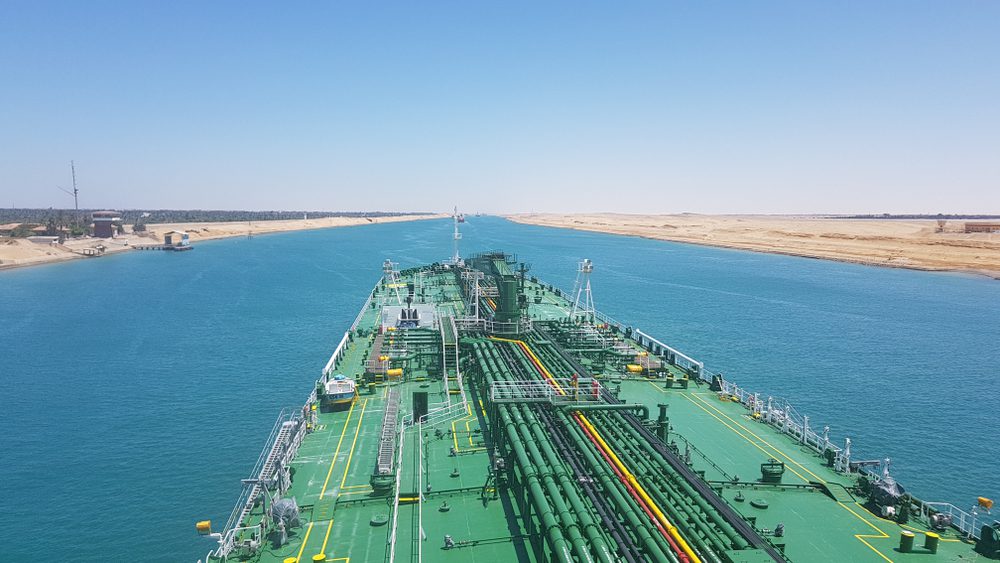
- Global oil trade is adapting around Hormuz disruptions: Suez Canal oil tanker transits and revenues have increased, while expanded US sanctions on IRGC/MODAFL-linked procurement networks are likely constraining Iranian revenue streams. (Confidence: medium · ASSESSED)
- I&W: Monthly Suez Canal tanker counts and revenue remain above prior-year levels while OFAC issues additional Iran-related designations. (1-3 months)
- I&W: Verified rebound of AIS-on tanker passages through Hormuz and a corresponding decline in Suez oil traffic. (1-3 months)
- The humanitarian toll in Lebanon is very likely to worsen if Israeli operations expand; reported fatalities exceed 3,600 and roughly a quarter of the population is displaced. (Confidence: medium · ASSESSED)
- I&W: Additional Israeli evacuation orders for major Lebanese cities and sustained cross-border strikes for 14+ days. (0-2 months)
- I&W: Verified pause in Israeli air/ground operations in Lebanon and the opening of humanitarian corridors. (0-2 months)
Outlook & scenarios
Managed de-escalation and return to a fragile truce, 45%
Indirect contacts via Pakistan and Qatar help re-freeze fighting after 8-11 June, aligning with prior public signals of halting attacks and mutual pledges to stop. Israel keeps major retaliatory options on hold, and Tehran calibrates messaging to pressure adherence to the April ceasefire while avoiding further salvos. Air and maritime advisories remain in place but gradually ease as reported launches abate.
Rolling, limited exchanges with persistent regional spillover, 60%
US, Iran tit-for-tat strikes continue at a low-to-moderate tempo, with Iran periodically targeting US-linked bases in Jordan, Kuwait, and Bahrain and launching occasional salvos at Israel, while Washington executes discrete strike packages in Iran. Jordan and Kuwait report further intercepts and intermittent airspace restrictions. Hormuz remains hazardous but not entirely shut; oil flows continue via irregular transits, STS transfers off Oman, and increased Suez routing.
Maritime miscalculation triggers acute Hormuz crisis, 25%
An at-sea incident, amid Iranian warnings to fire on transiting vessels and elevated hazards, leads to direct confrontation and a temporary but severe reduction in Hormuz traffic. CENTCOM contests Tehran’s closure claims, but insurers and shippers pull back, and regional airspace restrictions proliferate. Global energy markets lean harder on Suez and alternative outlets until a stand-down is negotiated.
Recommendations
- Establish a daily cross-portfolio watch on Iranian missile/drone activity and intercept reporting from Jordan, Kuwait, and Bahrain; fuse with partner statements to assess spillover risk and warning timelines.
- Maintain a maritime common operating picture for Hormuz: track AIS-on/off tanker behavior, ship-to-ship transfers off Oman, UAE terminal loadings, and IMO/JMIC/UKMTO advisories; flag any trend toward sustained AIS-on normalization or verified stoppage.
- Exploit NASA FIRMS thermal detections near Bandar Abbas, Qeshm, Mahshahr, and other strike-reported locales to corroborate incident timing and intensity, recognizing FIRMS records heat signatures rather than causation.
- Task financial intelligence on OFAC-designated networks (e.g., Mustad Limited; Domus Trading HK; facilitators Liu Boyu and Manuchehr Golchin) to map procurement nodes and choke points supporting IRGC/MODAFL; cue interagency for follow-on designations.
- Monitor and archive aviation risk changes: FAA NOTAM updates, GCC airspace restrictions (e.g., Kuwait), and US mission shelter-in-place advisories to refine threat-to-air operations assessments.
- Track Suez Canal oil tanker volumes and revenue against pre-crisis baselines to gauge displacement from Hormuz and update energy-impact estimates.
- Validate casualty and displacement figures for Lebanon through multi-source comparison and watch for additional Israeli evacuation orders (e.g., Tyre) as a leading indicator of expanding ground operations.
Confidence & uncertainty
Overall confidence is medium. Core developments (mutual strikes; missile launches; Jordanian and Kuwaiti intercepts; Kuwait’s airspace closure; UN/UK statements; OFAC actions) are supported by multiple official or major-media sources. Uncertainty is highest around the operational status of the Strait of Hormuz due to conflicting official and media claims and reporting of ongoing oil flows alongside closure assertions. Humanitarian figures in Lebanon vary across sources, indicating range-bound but consistent severity. The trajectory of indirect diplomacy and future military pacing remains uncertain.
Alternative analysis (red cell)
The collection is noisy and contains multiple self‑attributions, advisories, and medium/low admiralty reports that sometimes contradict one another. A sober alternative estimate is that capabilities for long‑range strikes and maritime harassment are demonstrated, but the current evidence does not consistently show sustained, multi‑source confirmation of an irrevocable re‑escalation or systemic economic collapse; caution and further targeted collection are warranted before treating broad 'very likely' outcomes as settled.
Cited sources
[1] insurancejournal.com, US, Iran Exchange Strikes, Putting Lasting Peace Deal at Risk (A) · sha256:9a927321dc06 [2] military.com, Trump Threatens More Strikes on Iran After Tehran Fires Back at Countries in the Region (B) · sha256:9d614bf06b4e [3] dw.com, Middle East: US says it completed latest attacks on Iran (A) · sha256:81a63686e735 [4] Hawaii Public Radio, After trading missile fire, Israel and Iran pull back, for now (A) · sha256:924090204f13 [5] gcaptain.com, Ceasefire Frays as U.S. and Iran Exchange Fresh Strikes (A) · sha256:bd5c7a43ed10 [6] gcaptain.com, Oil Tankers Go Dark to Sneak More Gulf Barrels Through Hormuz (B) · sha256:78370010f5ee [7] gcaptain.com, Trump Claims Covert U.S. Operation Helped 200 Ships Transit Hormuz (B) · sha256:3aee3b1cba37 [8] gcaptain.com, First Seafarer Casualties Reported in U.S. Iran Blockade Enforcement Campaign (B) · sha256:5d44a3584467 [9] gcaptain.com, Suez Canal Gets Oil-Tanker Boost Amid Hormuz Strait Shutdown (B) · sha256:7c5fec239a79 [10] gcaptain.com, Armed Security Team Repels Suspected Pirate Attack Off Yemen (B) · sha256:51cce53028f0 [11] U.S. Department of State, United Arab Emirates Travel Advisory (A) · sha256:7a0c71f2991b [12] Atlantic Council, How will the Iran war change the US role in the world? (C) · sha256:a2eb6a65f845 [13] U.S. Department of the Treasury, Economic Fury Disrupts Foreign Networks Supporting Iran’s Military and Weapons Programs (A) · sha256:7458294dafd9 [14] military.com, The War Front That Could Sink Trump’s Negotiations With Iran (B) · sha256:73812fdcb375 [15] meduza.io, Трамп говорит, что мирная сделка с Ираном «в основном согласована», но при этом в регионе продолжается война (B) · sha256:dc2a005a489e
Source content hashes were computed at collection time; the cited text is preserved unmodified for the life of this product.
Red cell review: PARTIAL DISSENT
TLP:CLEAR