SITREP: Israel, Gaza, Lebanon Escalation (2-9 June 2026)
Time window: Last 7 days · Audience: General analyst · Type: Situation report · DTG: 2026-06-09 09:11Z · Overall confidence: MEDIUM
BLUF
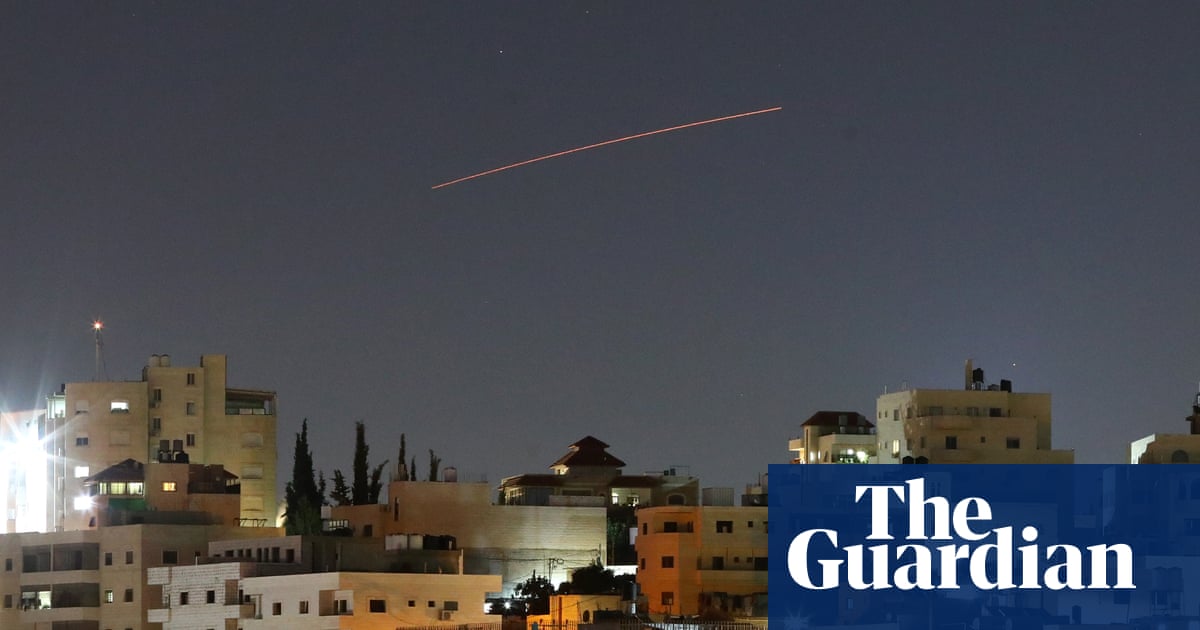
Very likely the Israel, Lebanon front remains active despite ceasefire language: Hezbollah rejected the plan and both sides continued strikes, while Iran launched missiles at Israel that the IDF reports it intercepted. In Gaza, hostilities and reported post-ceasefire casualties persist and civilian movement remains almost certainly severely constrained.
Executive summary
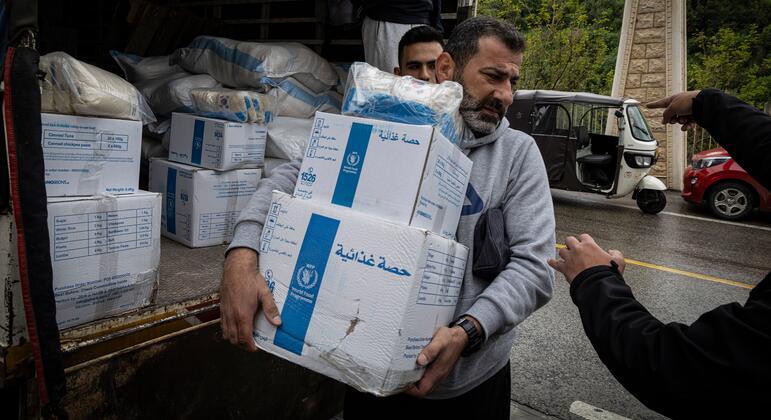
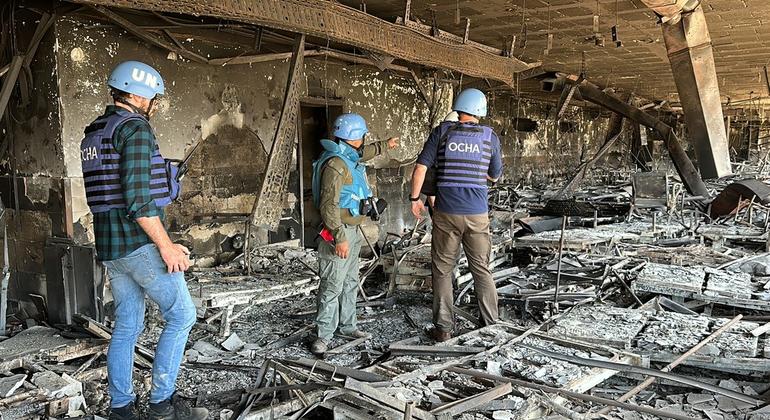
Open sources during 2-9 June indicate ongoing cross‑border strikes between Israel and Hezbollah despite U.S.-led ceasefire efforts, including Israeli airstrikes in Beirut’s southern suburbs and continued Hezbollah attacks. Iran launched missiles at Israel and the IDF reported intercepting them; the IRGC signaled further strikes while the U.S. President urged Israel not to retaliate. Lebanon faces severe humanitarian impacts: UN and Lebanese authorities report over one million displaced and several thousand killed and wounded; health services are impeded, and UNIFIL peacekeepers have been killed. In Gaza, Israeli strikes killed at least nine and wounded 20 on 7 June, and reporting cites hundreds of Palestinian fatalities and thousands injured since the October 2025 ceasefire. FCDO advisories underscore that Gaza crossings remain closed to civilians, no independent exit routes exist for foreign nationals, and no consular support is available from within Gaza.
Key judgments
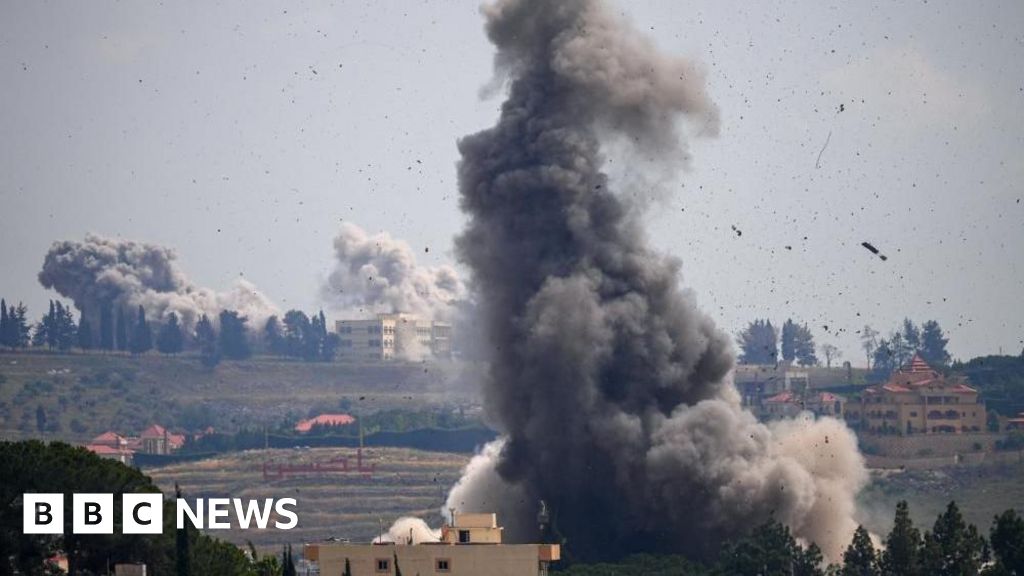
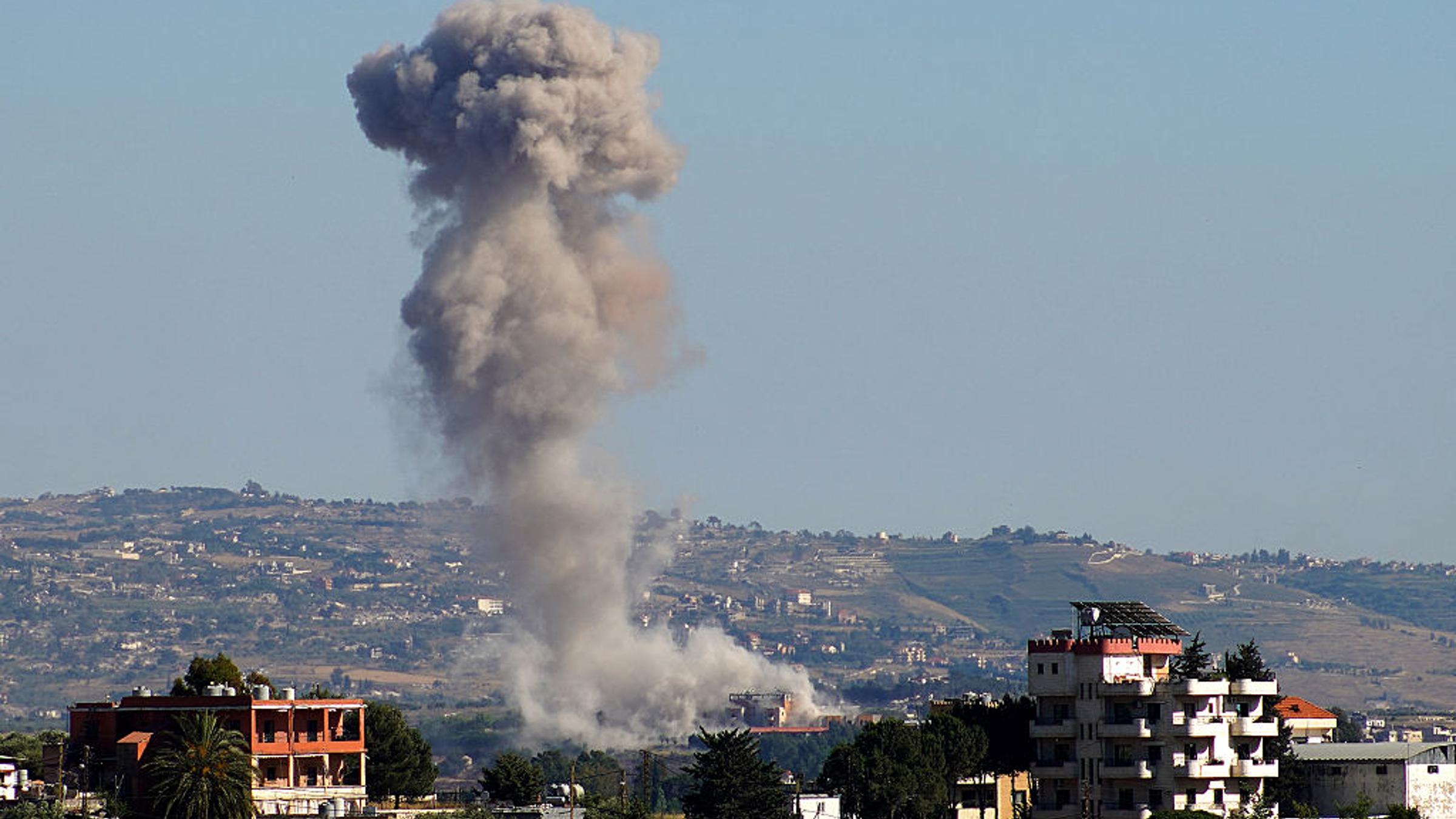
- It is very likely that the Israel, Hezbollah ceasefire framework is not holding operationally, with reciprocal strikes and Hezbollah’s formal rejection of the proposal; Israeli strikes hit Beirut’s southern suburbs (killing two, wounding 11), Hezbollah continued attacks on Israeli forces, Israel reported striking Hezbollah infrastructure, and Iran launched missiles at Israel that the IDF reports it intercepted. (Confidence: high)
- It is very likely that Israel will sustain ground and fire operations in southern Lebanon in the near term despite ceasefire announcements, as stated by Defense Minister Israel Katz; hostile engagements continued, including Hezbollah rocket attacks targeting Israeli soldiers in Qantara. (Confidence: medium)
- There is a roughly even chance of additional Iran, Israel missile and air exchanges in the immediate term: the IRGC signaled a week of strikes following Iran’s launch at Israel, but U.S. President Trump urged Prime Minister Netanyahu not to retaliate and Israel reported intercepting Iranian missiles, factors that could temper immediate escalation. (Confidence: medium)
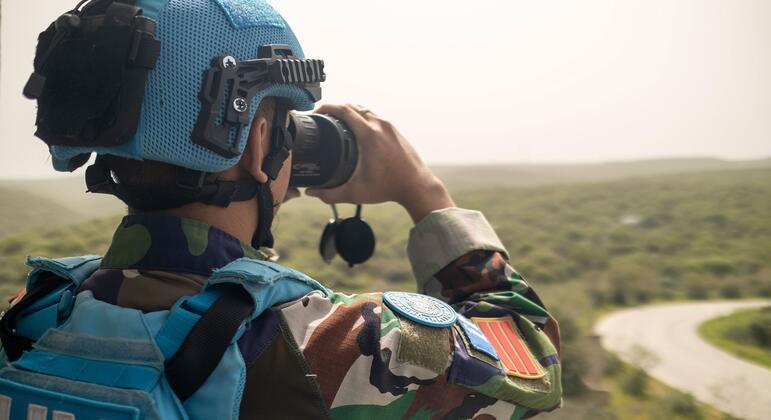
- It is very likely that Lebanon faces a severe humanitarian emergency with over one million displaced and thousands killed and wounded; UN and Lebanese Health Ministry reporting indicate at least 3,468-3,613 killed and roughly 10,870-11,072 wounded, while attacks on healthcare impede services and UNIFIL peacekeepers have suffered fatalities. (Confidence: medium)
- It is likely that hostilities and reported ceasefire violations in Gaza are ongoing despite ceasefire frameworks; Israeli strikes killed at least nine and wounded 20 in the Gaza Strip on 7 June, and single‑source reporting cites 961 Palestinian deaths and 3,020 injuries since the October 2025 ceasefire. (Confidence: medium)
- It is almost certainly the case that civilian movement and consular assistance in Gaza are severely constrained: FCDO advises against all travel to Gaza and within 500 m of the Gaza border; crossings have been closed to civilians since 6 May 2024; there are no independent exit routes for foreign nationals; and consular support from within Gaza is unavailable. (Confidence: high)
- It is likely that Hezbollah will continue posing an adaptive aerial threat along the border, including explosive drones and targeted rocket attacks that bypass Israeli defenses, heightening miscalculation risks as illustrated by Israeli strikes that killed Lebanese Army personnel. (Confidence: medium)
- It is likely that Israel faces an elevated domestic lone‑actor threat environment linked to the conflict, as indicated by the Arab Israeli gunman attack near Kokhav Yair that killed one and wounded five. (Confidence: medium)
Outlook & scenarios
Fragile containment with sporadic strikes and continued talks, 55%
Low‑to‑moderate intensity exchanges persist along the Israel, Lebanon border despite ceasefire language; Israel sustains limited ground and fire operations while Hezbollah conducts intermittent rocket/drone attacks. Iranian follow‑on salvos are limited; negotiations resume in Washington the week of 22 June toward a comprehensive arrangement, but without near‑term disarmament outcomes. Indicators: repeated Israeli statements that operations continue; limited, largely intercepted Iranian launches; Hezbollah tactical harassment without deep strikes; Washington meeting held as scheduled.
Escalatory spiral to wider missile and air exchanges, 40%
Hezbollah intensifies cross‑border fire and drone employment; Israel expands airstrikes including in Beirut; Iran executes the IRGC‑signaled multi‑day strike campaign, prompting Israeli counter‑strikes. Civilian and LAF casualties rise and UNIFIL risk increases. Indicators: renewed Iranian ballistic salvos and IRGC messaging of sustained operations; high‑casualty strikes in Dahieh; Israeli public statements signaling broadened target sets; increased Hezbollah rocket salvos at IDF positions.
Negotiated de‑escalation with pilot security zones, 25%
Israel and Lebanon implement elements of the announced framework (e.g., pilot security zones inside Lebanon with Hezbollah exclusion) and reduce active fires as a prelude to further talks; Hezbollah conditions on comprehensive cessation and Israeli withdrawal shape sequencing. Indicators: U.S. statements on implementing pilot zones; Hezbollah signaling on ceasefire acceptance terms; confirmation of senior‑level meetings in Washington with timelines for next steps.
Recommendations
- Establish an incidents baseline and daily update cycle fusing major‑media and UN reporting for cross‑border fires, Hezbollah drone/rocket events, and Israeli strikes; explicitly log whether incidents occur despite ceasefire language, and geolocate strikes in Beirut’s southern suburbs and Qantara for pattern analysis.
- Produce a Lebanon humanitarian impact range estimate rather than a point figure (e.g., fatalities 3,468-3,613; wounded ~10,870-11,072), reconcile UN and Lebanese Health Ministry feeds, and map displacement concentrations and service gaps affecting women’s protection and maternal care.
- Develop escalation indicators and triggers for Iran, Israel exchanges (renewed IRGC strike messaging, fresh Iranian launches, reported IDF interceptions, U.S. urging restraint) to support rapid posture recommendations.
- Task an analytic line on Hezbollah air threat adaptation and IDF countermeasures, including cataloging explosive‑drone TTPs and border‑area target sets, to inform force‑protection advisories and miscalculation risk with LAF.
- For Gaza, update movement‑risk overlays and brief mission planners: FCDO advises against travel to Gaza and within 500 m of the border; crossings are closed to civilians; there are no independent exit routes; and no consular support is available from within Gaza.
- Support policy teams ahead of the week‑of‑22‑June talks by framing negotiating space: log Hezbollah’s stated ceasefire conditions and Israel’s intent to continue operations, and track references to pilot security zones.
- Include domestic security watch items in Israel for lone‑actor violence potentially linked to the conflict environment, based on the Kokhav Yair attack pattern (3d299b1c).
Confidence & uncertainty
Overall confidence is medium. Many judgments are underpinned by high‑reliability reporting from the UN and major media regarding strikes, displacement, and casualties in Lebanon, and official FCDO advisories on Gaza movement constraints. However, ceasefire status is inconsistently reported (e.g., announcements vs. Hezbollah’s rejection and continued operations), casualty figures in Lebanon vary by source (UN vs. Lebanese Health Ministry), and some background claims derive from aggregators such as Wikipedia. Assessments involving Iran, Israel escalation and cumulative Gaza casualties rest on single‑source or partially corroborated reporting, lowering confidence for those specific elements.