TLP:CLEAR · Disclosure is not limited.
Situation Report: Iran-Israel Conflict and Regional Risks, 2 November 2026
Time window: Last 1 day · Audience: General analyst · Type: Situation report · DTG: 2026-11-02 14:42Z · Overall confidence: HIGH
BLUF
A renewed US or joint US-Israeli strike campaign against Iran after 3 November is a roughly even chance over the next 14 days, but the supplied reporting does not establish an approved strike order. Iran’s leadership has directed preparations for an immediate response, while the reported tanker mine incident in the Strait of Hormuz remains disputed.
Executive summary
Reporting on 2 November adds detail to the risk of renewed strikes: Benjamin Netanyahu is reported to be pressing Donald Trump to act after the US midterm elections, while Trump has also said he wants negotiations to have a chance. Mojtaba Khamenei and IRGC spokesman Hossein Mohebbi have signalled readiness for a rapid response if Iran is attacked. Shipping risk in the Strait of Hormuz remains elevated, but Iranian claims that two tankers hit mines conflict with a US official’s account. J.D. Vance reportedly offered to restart stalled talks; there is no report that Tehran has accepted.
Change from previous assessment
Since the 1 November brief, reporting has added Netanyahu’s reported push for an immediate post-election strike, Trump’s stated interest in a short operation, and further Iranian statements about an immediate response without geographic restriction. The strike outlook remains a roughly even chance rather than being raised, because Trump is also reported to favour giving negotiations a chance and no approved order is reported. The maritime assessment remains elevated, but new claims that tankers hit mines do not resolve the earlier dispute over the cause of vessel damage.
Key judgments
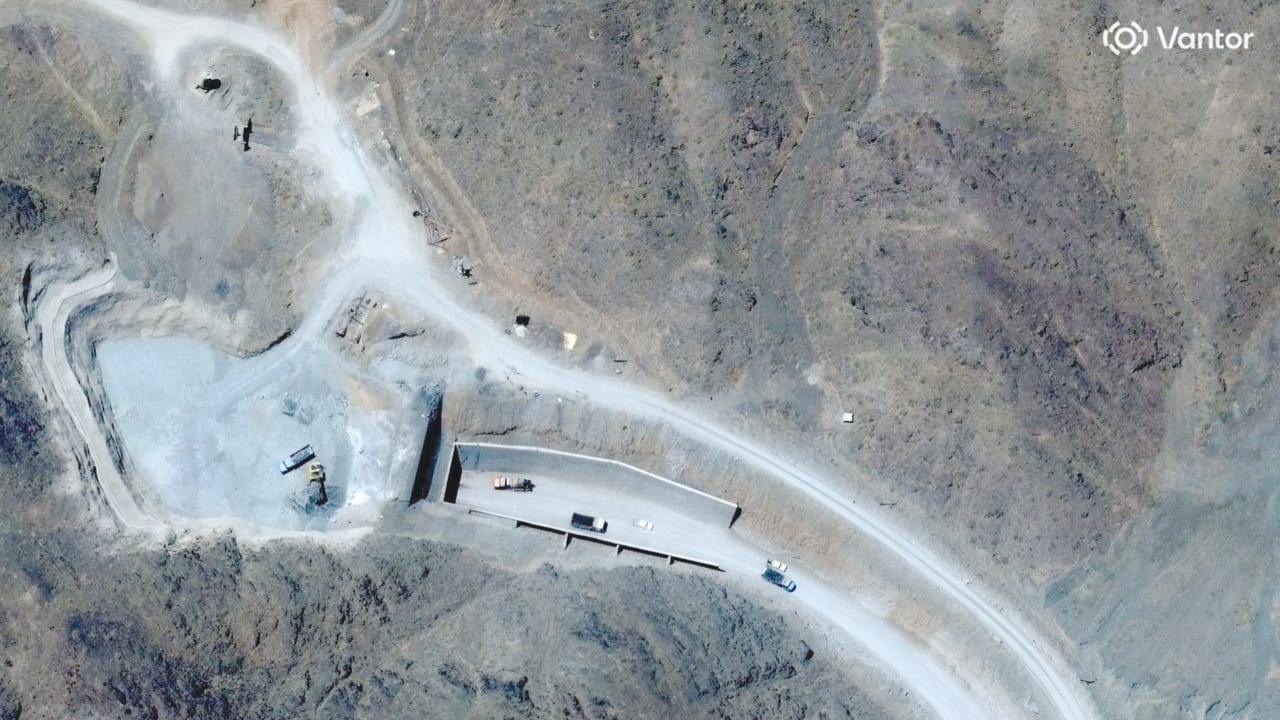
- A renewed US or joint US-Israeli strike campaign against Iran after 3 November is a roughly even chance over the next 14 days. Netanyahu is reported to be urging Trump to strike after the elections, and Trump has spoken of a short operation and of remaining Iranian nuclear sites. However, Trump has also reportedly favoured giving negotiations a chance first. The supplied reporting does not establish an approved strike order. (Confidence: medium · ASSESSED)
- I&W: A White House or Pentagon announcement authorising strikes, or verified US or Israeli strikes on an Iranian site, would confirm the judgement. (0 to 14 days)
- I&W: An announced US-Iran meeting accompanied by an explicit White House statement that strikes are deferred would weaken the judgement. (0 to 14 days)
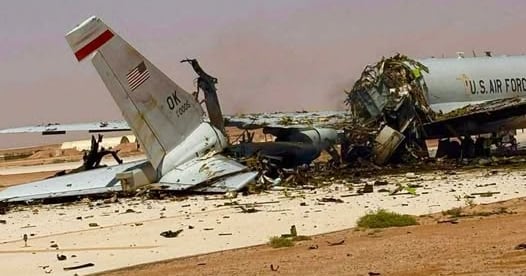
- If the US or Israel strikes Iran again, Iran is likely to retaliate against Israel. Attacks on US military facilities in the Middle East are a roughly even chance: Mojtaba Khamenei ordered an immediate response without geographic restriction, and reporting describes more than 115 Iranian-led drone and missile attacks on 26 US bases and facilities by August. These statements and past attacks indicate risk, not a confirmed order for a new attack on US facilities. (Confidence: medium · ASSESSED)
- I&W: Verified Iranian missile or drone launches directed at US military facilities after a renewed strike would confirm the risk of retaliation extending beyond Israel. (0 to 30 days)
- I&W: If a renewed strike occurs, an Iranian response confined to Israel, with no verified attacks on US facilities during the following seven days, would weaken the assessment of wider retaliation. (0 to 30 days)
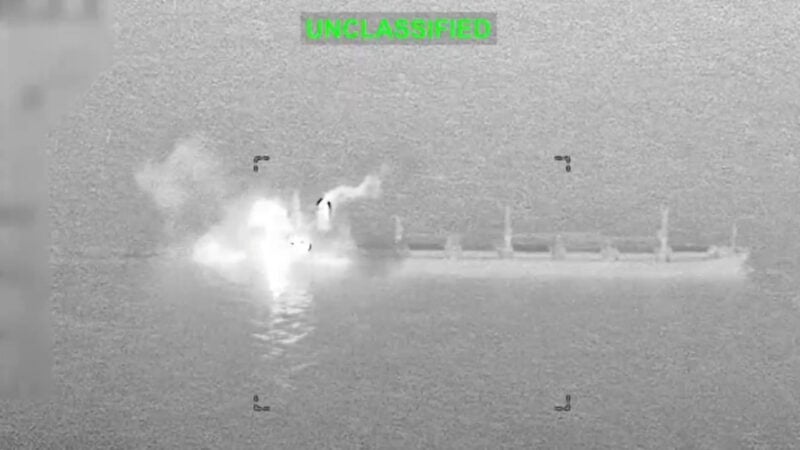
- Commercial shipping risk in the Strait of Hormuz is likely to remain elevated over the next 14 days, but the claim that two tankers hit mines is unverified and conflicts with a US official’s denial. A US official cited at least 28 open-source reports of shipping damage in October, and the International Maritime Organization counted 121 incidents in Hormuz and the wider region since the war began, including 24 confirmed seafarer deaths. Reporting also differs in emphasis: shipments were put at about 80 per cent of prewar levels, while CENTCOM said about 95 per cent of ships transit without incident. (Confidence: medium · ASSESSED)
- I&W: UKMTO, the IMO or vessel operators independently confirming damage to the two reported tankers and identifying a mine as the cause would confirm the mine-strike account. (0 to 14 days)
- I&W: A verified non-mine cause for the tanker damage, alongside shipping volumes returning to prewar levels, would weaken the assessment of elevated maritime risk. (0 to 14 days)
- A restart of US-Iran talks is a roughly even chance over the next 14 days, while a near-term agreement is unlikely. Vance reportedly sent Mohsen Rezaei an offer to restart stalled talks, but no supplied reporting shows Tehran has accepted. Trump’s statements favouring negotiations coexist with warnings that the US may strike Iranian nuclear sites. (Confidence: medium · ASSESSED)
- I&W: An Iranian acceptance of Vance’s offer and a publicly announced meeting date would confirm that talks are restarting. (0 to 14 days)
- I&W: An explicit Iranian rejection of the offer, or a new US or Israeli strike before a meeting is announced, would weaken the prospect of a near-term diplomatic opening. (0 to 14 days)
- The IRGC announced on 2 November that it plans to expand its Jan Fadaian training programme to at least 12 centres. Tehran Garrison Commander Hassan Hassanzadeh said the first brigade had completed initial training and joined exercises involving 313,000 participants. The report does not establish that these participants are deployable combat forces. (Confidence: low · REPORTED)
- I&W: Iranian authorities identifying additional centres as open and publishing details of the first brigade’s next exercise would confirm implementation of the announced programme. (1 to 3 months)
- I&W: No announcement of additional centres opening or of the brigade taking part in another exercise would weaken the claim that expansion is being implemented. (1 to 3 months)
Outlook & scenarios
Talks resume and strikes are deferred (40%)
Tehran accepts Vance’s offer and US-Iran talks restart. Trump defers military action while negotiations proceed. Shipping through the Strait of Hormuz remains below prewar levels, with no confirmed mine strike.
Strikes follow the US midterm elections (35%)
The US or Israel strikes Iran after 3 November. Iran retaliates against Israel, and US military facilities in the Middle East face a heightened risk of attack. Talks stall as both sides trade threats.
Coercive standoff continues without new strikes (20%)
Washington and Tehran continue public pressure and indirect efforts to reopen talks, but no agreement is reached. Shipping incidents and elevated insurance costs persist while commercial traffic continues through the Strait of Hormuz.
Iranian response extends beyond West Asia (5%)
Low probability, high impact. Following a renewed strike, Iran carries out the geographically unrestricted response its leadership has threatened, extending the conflict beyond West Asia.
Recommendations
- Track political authorisation separately from military preparation. Record any White House or Pentagon decision, verified strike activity, and reported US-Israeli preparations as distinct indicators rather than treating public threats as an order.
- Seek confirmation that Tehran has received and accepted Vance’s offer. Keep the talks scenario separate from strike-warning reporting until a meeting is announced.
- Treat the reported tanker mine strikes as unverified. Compare Iranian statements with UKMTO, IMO and vessel-operator reporting before attributing cause, and track both transit volumes and reported damage.
- In assessments of Iran’s ability to retaliate, distinguish reported attack history from claims about future targeting. Do not treat the 313,000 exercise participants as deployable forces without further reporting.
Confidence & uncertainty
Overall confidence is high for the underlying event picture. The briefing draws on 28 usable sources, including major-media and wire-service reporting on public statements, prior military activity and shipping incidents. Confidence is lower in forecasts: US and Israeli signals on strikes conflict with reporting that Trump favours negotiations, no approved strike order is established, and the tanker mine account is disputed.
Intelligence gaps
- [EEI 1.1 · UNCOVERED] Observed repositioning, sustained increases, or new forward basing of Iranian conventional or IRGC forces (armored units, missile batteries, aircraft, naval vessels) toward borders or regional launch points. Recommended collection: IMINT/satellite
- [EEI 1.2 · UNCOVERED] Hezbollah or other Iran-aligned proxy forces conducting mass mobilization, visible rocket/artillery emplacements, cross-border firing incidents, or preparations for cross-border operations from Lebanon, Syria, Iraq or Yemen. Recommended collection: HUMINT/ground ISR
- [EEI 1.4 · PARTIAL] Interdicted or observed shipments (air, sea, land manifests, seizures, satellite imagery of transfers) of advanced weapons or missile components from Iran toward proxy groups or forward staging points. Recommended collection: maritime/AIS
- [EEI 2.1 · UNCOVERED] Satellite or on-the-ground imagery showing fires, damage, or operational shutdown at major oil export facilities, refineries, storage terminals, or key pipeline infrastructure in the Gulf and Red Sea. Recommended collection: IMINT/satellite
- [EEI 2.3 · PARTIAL] Significant and sustained reductions or rerouting of tanker transits through the Strait of Hormuz (ship traffic counts, pilot reports, port call cancellations) and announcements of closure or restricted navigation zones (NOTAMs, maritime advisories). Recommended collection: maritime/NOTAMs
- [EEI 2.4 · PARTIAL] Rapid increases in war-risk insurance premiums for Middle East routes, shipping company advisories to avoid region, or major charter cancellations tied to the conflict. Recommended collection: financial/open-source
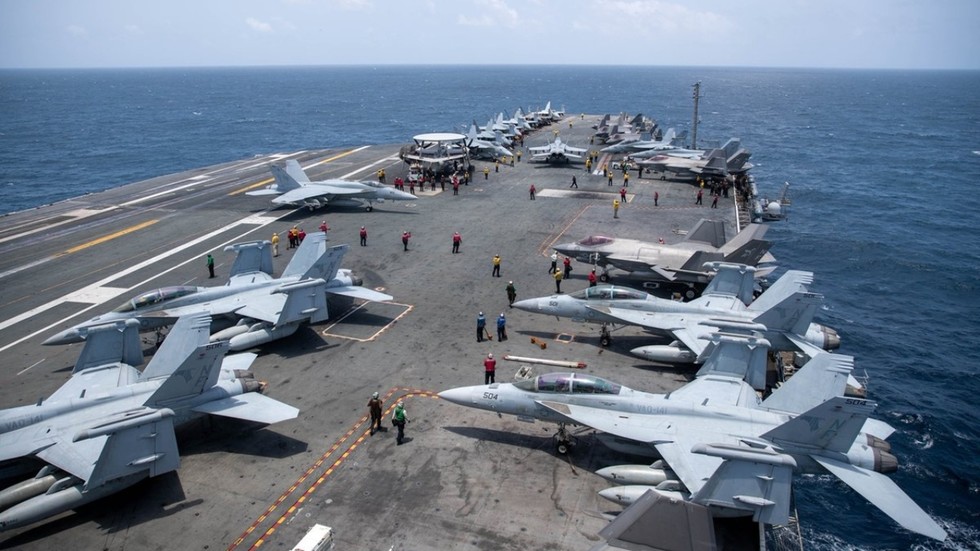
- [EEI 3.1 · UNCOVERED] Movement/arrival of major foreign military assets into the region: US carrier strike groups, amphibious ready groups, strategic bomber flights, Russian/Chinese naval taskings, or allied expeditionary units (visible in AIS, NOTAMs, satellite imagery, official releases). Recommended collection: IMINT/satellite
- [EEI 3.2 · UNCOVERED] Official expedited arms transfers, basing/overflight agreements, or declarations of operational support (formal government announcements, defense ministry releases, logistics flight manifests). Recommended collection: open-source/diplomatic
- [EEI 3.3 · UNCOVERED] Embassy evacuations, large-scale personnel movements, issuance of government travel bans/advisories, or multinational security alerts affecting foreign nationals and diplomatic posture in the region. Recommended collection: diplomatic/open-source
- [EEI 3.4 · PARTIAL] High-level diplomatic/UN activity: scheduled or emergency Security Council meetings, published ceasefire proposals, or multilateral statements committing support/condemnation that precede changes in military posture. Recommended collection: open-source/diplomatic
Red cell review: CONCUR WITH COMMENT
TLP:CLEAR