TLP:CLEAR · Disclosure is not limited.
South China Sea: PRC patrol signalling and Philippine upgrades keep maritime friction elevated
Time window: Last 7 days · Audience: General analyst · Type: Situation report · DTG: 2026-07-04 10:13Z · Overall confidence: LOW
BLUF
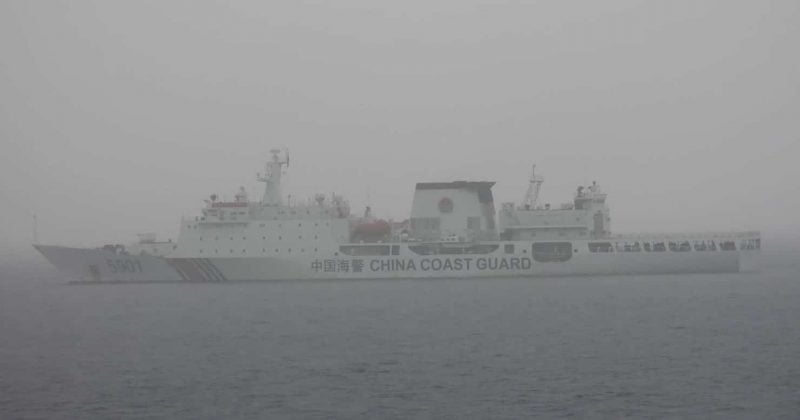
China signalled resolve with a 4 July coast guard patrol east of Taiwan while stating it will sustain routine patrols and maritime control actions in the South China Sea. Manila is moving to upgrade outpost bases and acquire long-range patrol aircraft, and there is a roughly even chance of a non-lethal at-sea confrontation in the coming 1-3 months.
Executive summary
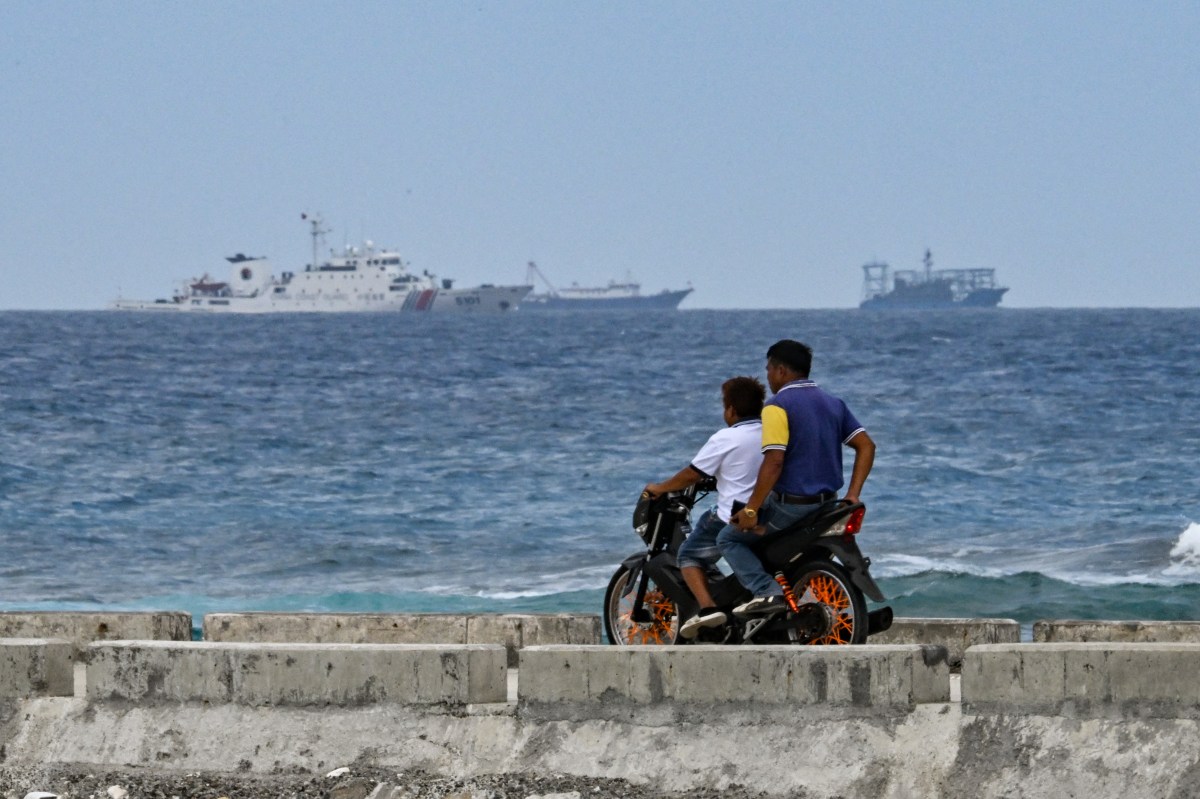
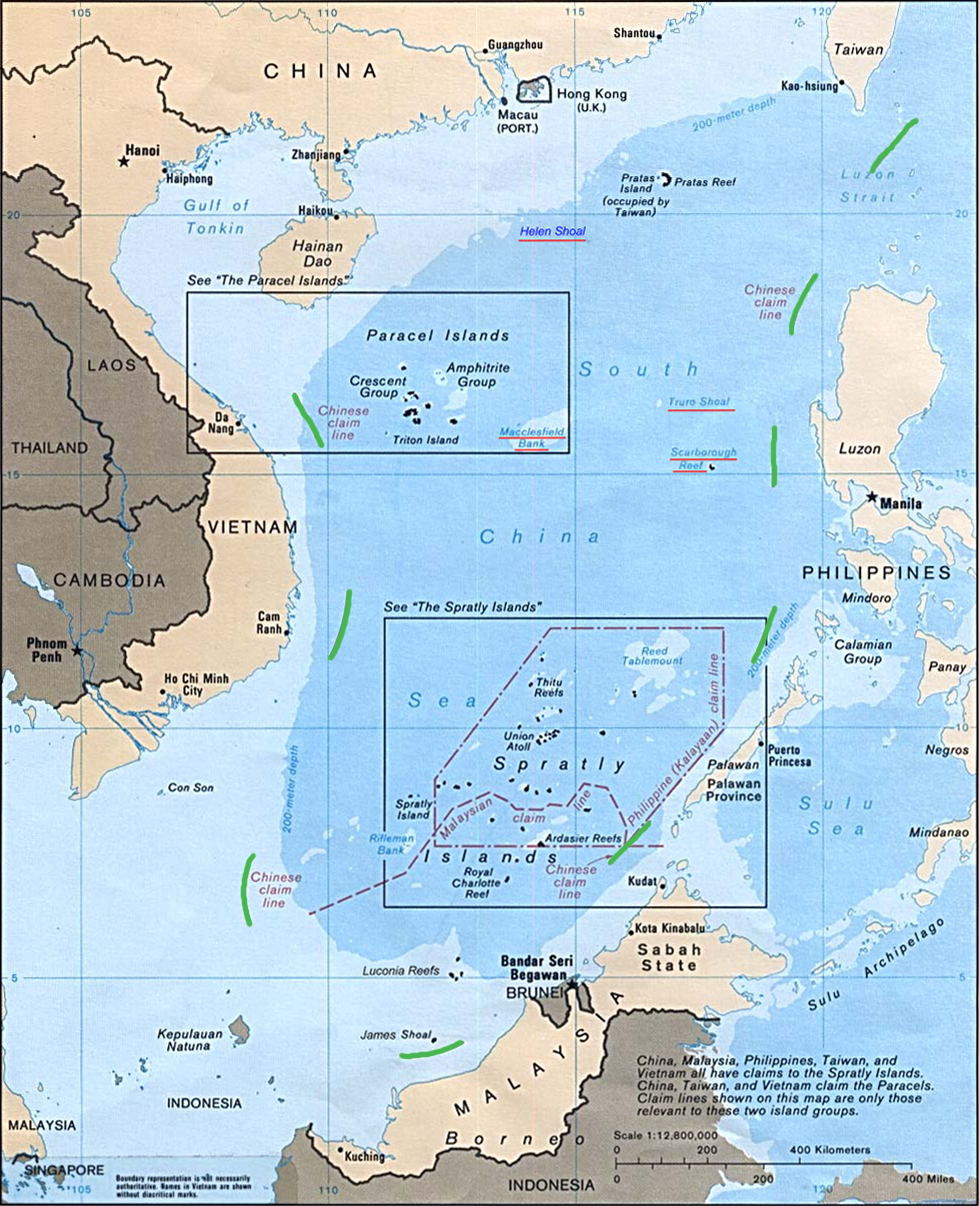
Chinese authorities say they will continue routine patrols and maritime control actions in the South China Sea and have maintained a routine state of military readiness. On 4 July, China launched a coast guard patrol east of Taiwan, which Chinese and regional reporting links to perceived challenges from Japan, Philippines maritime delimitation moves and growing U.S., Philippines engagement. Taiwan’s coast guard deployed monitoring vessels and directed local shipping to ignore boarding requests, heightening risk tolerance at sea. In parallel, the Philippine Air Force announced plans to upgrade strategic bases on two China-contested islands and to procure long-range patrol aircraft and additional helicopters, while Manila’s alliance with the United States endures. Legal friction remains baked in: the 2016 arbitral award rejected historical-rights claims within the nine-dash line, which Beijing continues to reject.
Change from previous assessment
Since the 3 July brief, China launched a coast guard patrol east of Taiwan on 4 July and Chinese outlets reiterated continuation of routine patrols and maritime control actions in the South China Sea. Philippine plans to upgrade outpost bases and pursue long-range patrol aircraft remain in focus. We broadened the near-term confrontation risk to include Taiwan-facing interactions as well as South China Sea patrols and lowered confidence due to conflicting dates and reliance on lower-tier sources for some Taiwan-related directives.
Key judgments
- China will very likely sustain routine patrols and maritime control actions across the South China Sea over the next month, consistent with official statements and recent maritime closures and patrol confirmations. (Confidence: high · REPORTED)
- I&W: New Sanya or Hainan Maritime Safety Administration navigation warnings announcing South China Sea military training or sea-control restrictions (0-14 days)
- I&W: People’s Liberation Army Southern Theater Command publicising additional South China Sea air or naval patrols (0-30 days)
- Beijing is likely using the 4 July China Coast Guard patrol east of Taiwan to signal resolve in response to Japan, Philippines maritime delimitation talks and growing U.S., Philippines engagement. (Confidence: medium · ASSESSED)
- I&W: China Coast Guard or state media explicitly frame follow-on patrols as safeguarding maritime rights after Japan, Philippines delimitation steps or U.S., Philippines activities (0-30 days)
- I&W: A lull in publicised coast guard patrols alongside reduced Chinese protests over U.S., Philippines cooperation (1-3 months)
- The Philippines is likely hardening its posture by upgrading strategic bases on two China-contested islands and acquiring long-range patrol aircraft and additional helicopters, which will gradually improve maritime domain awareness and presence. (Confidence: medium · REPORTED)
- I&W: Philippine Air Force or Department of National Defense award notices for island airstrip or facility upgrades (1-3 months)
- I&W: Issuance of tenders or contracts for maritime patrol aircraft or additional helicopters (1-3 months)
- Legal friction will persist: the 2016 arbitral tribunal invalidated China’s nine-dash line historical-rights claim and Beijing continues to reject the award. (Confidence: high · REPORTED)
- I&W: Chinese Foreign Ministry statements around the 12 July anniversary restating non-acceptance of the 2016 award (0-14 days)
- I&W: Any Chinese statement acknowledging elements of the award or proposing processes consistent with the ruling (1-3 months)
- There is a roughly even chance of a non-lethal confrontation at sea in the next 1-3 months involving China Coast Guard interactions with Taiwanese or Philippine government vessels, given declared law-enforcement patrols and Taiwan’s orders to ignore boarding coupled with a pledge to intervene. (Confidence: low · ASSESSED)
- I&W: Official releases or verified footage of a close-quarters manoeuvre, attempted boarding, or non-kinetic force by the China Coast Guard against a Taiwan or Philippine vessel (0-60 days)
- I&W: Publication of deconfliction procedures by Taiwan or Philippine authorities mandating stand-off distances or third-party escorting (1-3 months)
Outlook & scenarios
Baseline grey-zone: routine PRC patrols, periodic frictions, no lethal use of force (65%)
China sustains routine patrols and maritime control actions across the South China Sea, while periodically showcasing coast guard presence east of Taiwan. Taiwan’s and the Philippines’ patrols shadow and contest these activities, leading to intercepts, close manoeuvres and diplomatic protests but no lethal force. Manila progresses planning for base upgrades and aviation acquisitions without near-term fielding.
Escalatory incident: non-lethal confrontation with injury or material damage (35%)
A China Coast Guard interaction with a Taiwan or Philippine government vessel results in a collision, water-cannoning or attempted boarding that causes minor injuries or damage. Taipei or Manila publicises the event and files protests, and partners issue statements of support. Operations continue but with heightened alert and tighter rules of engagement.
Managed de-escalation: quieter patrol optics and procedural engagement (20%)
Following international messaging and domestic priorities, Beijing reduces publicity around patrols and limits high-friction manoeuvres. Taiwan and the Philippines adopt clearer deconfliction procedures at sea. Frictions persist but with fewer headline incidents while legal and diplomatic contestation continues.
Recommendations
- Task daily collection and logging of China Maritime Safety Administration navigation warnings for the South China Sea and correlate with open AIS to map likely patrol boxes within 24 hours of issuance.
- Maintain an incident watch on Taiwan’s coast guard channels for reports of close approaches, boarding attempts or expulsion actions and archive any released imagery for geolocation.
- Track Philippine Air Force and Department of National Defense procurement notices and contracting for island base works and maritime patrol aircraft to estimate capability timelines.
- Build an analytic calendar keyed to 12 July, preparing lines for likely Chinese and Philippine statements on the arbitral award and capturing any shifts in legal language.
- Monitor Chinese messaging linking coast guard operations to Japan, Philippines maritime delimitation talks or U.S., Philippines activities to assess signalling intent and escalation risk.
- Prepare de-escalation indicators and thresholds for leadership, including any publication of Taiwan or Philippine at-sea deconfliction SOPs and evidence of changes in patrol rules of engagement.
Confidence & uncertainty
Overall confidence is low because several key elements rely on mixed-quality open sources, including blog-level reports for Taiwan-related directives and law-enforcement patrol intent, and there are contradictions on dates for Chinese operations east of Taiwan. The current time window includes few directly reported South China Sea incidents, so some judgments extrapolate from official statements and 2023 patterns rather than multiple contemporaneous, corroborated events. If more corroborated, near-term South China Sea incident reporting becomes available, the confidence could be raised.
Alternative analysis (red cell)
The July 4 coast guard patrol east of Taiwan is plausibly routine or operational testing and cannot be decisively attributed to signaling aimed at Japan, the Philippines, or U.S. activity absent PRC intent statements or internal directives. Likewise, Philippine announcements of base upgrades and aircraft acquisitions indicate declared intent but not demonstrated capability; without deliveries, completed construction, or operational deployments the claim that Manila is materially hardening its posture is not yet established.
Intelligence gaps
- [EEI 1.1 · PARTIAL] Number, class, and position (time-stamped) of Chinese Coast Guard (CCG), People’s Armed Forces Maritime Militia (PAFMM), and other PRC paramilitary/auxiliary vessels inside Philippine-claimed EEZ or within 12 nautical miles of Philippine-occupied features (e.g., Scarborough Shoal, Second Thomas/Ayungin Shoal, and other named features). Recommended collection: maritime/AIS
- [EEI 1.2 · UNCOVERED] Observed maneuvers or posture indicating hostile action: vessel-to-vessel blocking/contact, use of water cannons, boarding attempts, formation maneuvers to interdict Philippine vessels, or sustained stationing near Philippine resupply/relief routes. Recommended collection: imagery/satellite
- [EEI 1.3 · UNCOVERED] Incidents of Philippine vessels (coast guard, navy, supply boats, civilian fishing vessels) being ordered to alter course, detained, chased, or physically impeded — with time, location, involved units, and damage/injuries if any. Recommended collection: open-source/official statements
- [EEI 1.4 · UNCOVERED] Abrupt changes to vessel identification behavior: AIS transponder deactivations, spoofing, or mismatches between flagged identity and observed equipment/markings among PRC maritime law-enforcement or militia vessels operating near Philippine claims. Recommended collection: maritime/AIS
- [EEI 2.2 · PARTIAL] Public declarations, maritime notices, or newly published 'maritime safety' or exclusion zones, with effective dates and coordinates, issued by Chinese authorities that could be used to justify interdiction or exclusion of Philippine activity. Recommended collection: open-source/official statements
- [EEI 2.3 · UNCOVERED] Evidence of mobilization orders, tasking lists, or logistics planning for Maritime Militia units (vessel requisitions, local fisheries bureau instructions, fuel/resupply manifests) indicating intent to employ militia alongside CCG/PLAN assets. Recommended collection: HUMINT/defense
- [EEI 3.1 · UNCOVERED] Deployment and movement of Philippine Coast Guard and Navy vessels (class, location, on-station times) and scheduled or unscheduled escort/resupply missions to occupied features. Recommended collection: military/AIS
- [EEI 3.2 · PARTIAL] Air component activity: number and frequency of Philippine air patrol sorties, maritime domain awareness flights, and air-to-surface or maritime strike assets placed on alert or redeployed toward contested areas. Recommended collection: imagery/satellite
- [EEI 3.3 · PARTIAL] Requests for diplomatic, intelligence, or military assistance from allies (e.g., U.S., Australia, Japan) including notifications of planned joint patrols, port calls, or freedom of navigation operations with dates and participating units. Recommended collection: open-source/official statements
- [EEI 3.4 · UNCOVERED] Changes to Philippine rules of engagement, emergency law measures, mobilization orders, or civil advisories (evacuations, fishing bans) that alter civilian or military behavior in contested maritime zones. Recommended collection: open-source/official statements
Cited sources
[1] 163.com · 忍耐24小时,中方准时下封海令,解放军例行巡航,菲防长又说错话 (B) · sha256:8db562c64032 [2] marinelink.com · China launches coast patrol east of Taiwan in spite international opposition (D) · sha256:ebc8efd51848 [3] cryptobriefing.com · China launches coast guard patrol east of Taiwan amid regional tensions (B) · sha256:789d135f0224 [4] newsweek.com · U.S. ally Philippines plans bases on front lines of South China Sea dispute (B) · sha256:bbfe12aae835 [5] zh.wikipedia.org · 九段线 (C) · sha256:ae859077998d [6] Wikipedia · Territorial disputes in the South China Sea (F) · sha256:9bd4070987a2
Source content hashes were computed at collection time; the cited text is preserved unmodified for the life of this product.
Red cell review: PARTIAL DISSENT
TLP:CLEAR