South China Sea: PRC, Taiwan Coast Guard Confrontations Near Pratas Intensify Amid Japan, Philippines Maritime Talks
Time window: Last 7 days · Audience: General analyst · Type: Situation report · DTG: 2026-06-09 10:19Z · Overall confidence: MEDIUM
BLUF
PRC coast guard and affiliated vessels are very likely to continue probing Taiwan-administered waters near the Pratas Islands and south of Taiwan, sustaining elevated risk of gray‑zone incidents in the next several weeks. Concurrent Japan, Philippines maritime boundary talks are likely to keep tensions high around Taiwan’s eastern approaches, while Taipei is expanding coast guard capacity that will increase the tempo of encounters.
Executive summary
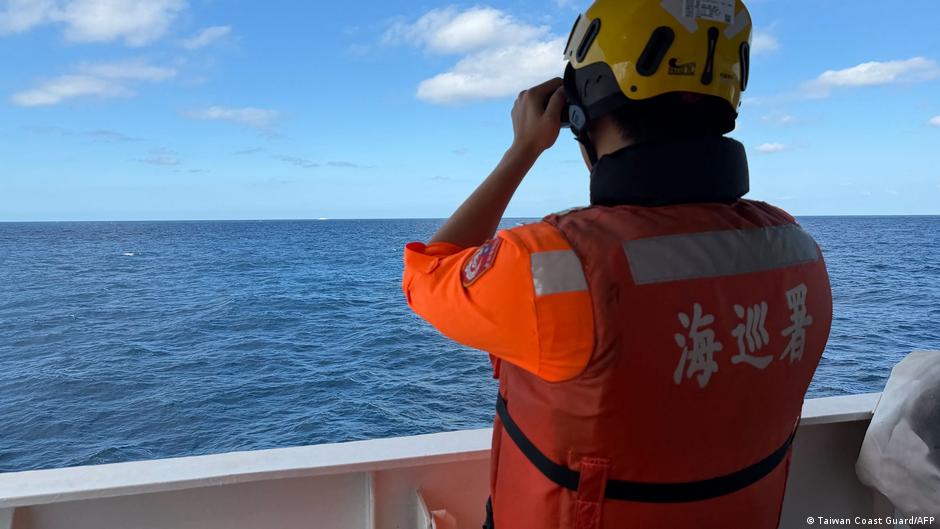
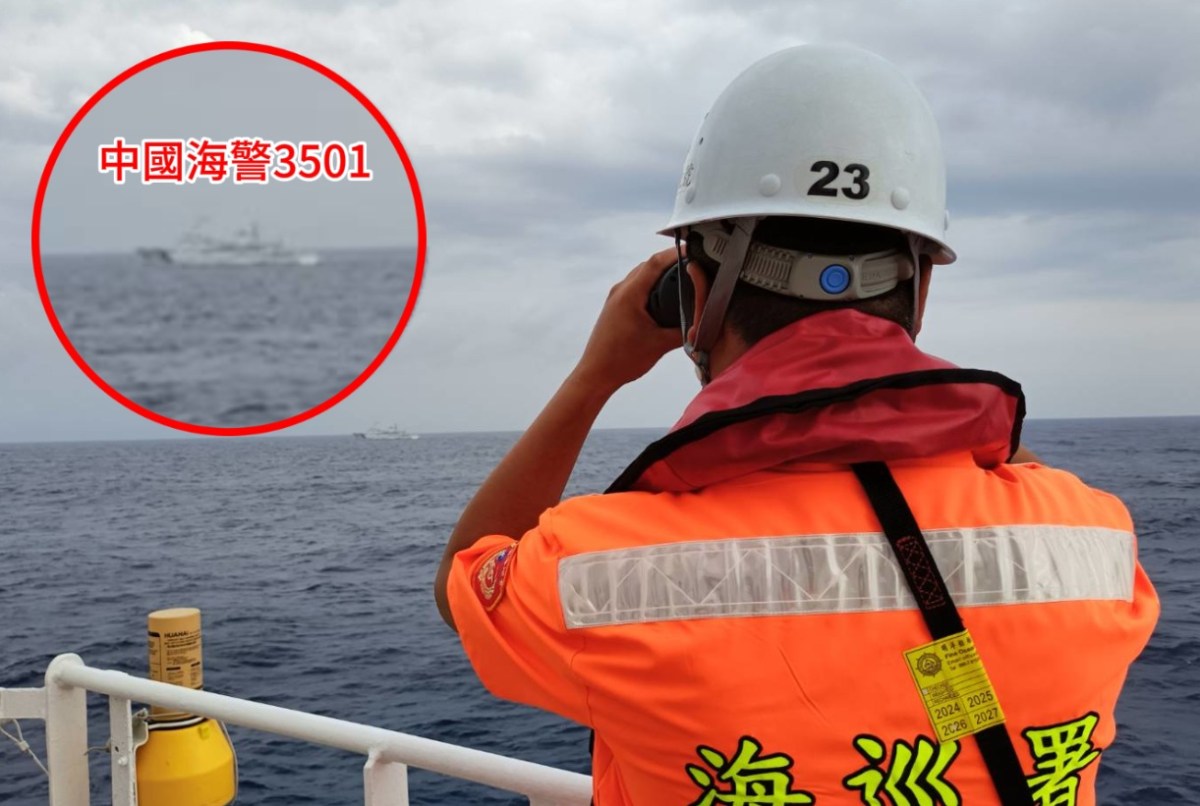
Reporting indicates multiple recent PRC, Taiwan coast guard confrontations near the Taiwan-controlled Pratas Islands and off Taiwan’s south: Taipei detected four Chinese government vessels departing Xiamen, deployed multiple coast guard ships, and stated it expelled four Chinese ships from its restricted waters, with radio warnings and close‑quarters maneuvering involving China Coast Guard hull 3501 and Taiwan patrol boat Xunhu No. 9. Taiwan’s coast guard characterized PRC activity as violating international law and noted a rise in Chinese coast guard operations over the past two weeks. Chinese state media has previously framed such actions as “special maritime traffic law‑enforcement operations” east of Taiwan. In parallel, Japan and the Philippines have agreed to start maritime boundary talks; Taiwan’s Foreign Ministry asked Tokyo and Manila to ensure their discussions do not impact Taiwan’s sovereignty rights. Taiwan’s Ocean Affairs Council has secured more than $935 million to acquire 40 new coast guard patrol vessels, signaling a capacity increase. The strategic stakes remain high for Beijing, with 80% of China’s energy imports reported to transit the South China Sea.
Key judgments
- Very likely PRC coast guard and affiliated research/survey vessels will continue to test Taiwan-administered waters near the Pratas Islands and south of Taiwan over the next 2-4 weeks, keeping the risk of a tactical mishap (e.g., collision or ramming) elevated. (Confidence: medium)
- Very likely Taiwan is increasing maritime law enforcement readiness and will further expand capacity with 40 new coast guard patrol vessels, enabling faster intercepts but also raising encounter frequency with PRC ships. (Confidence: medium)
- Likely PRC east‑of‑Taiwan “law‑enforcement” operations will correlate with heightened sensitivities around Japan, Philippines maritime boundary talks and Taiwan’s sovereignty assertions, maintaining a roughly even chance of further high‑visibility PRC patrols near Taiwan’s eastern and southern approaches in the near term. (Confidence: low)
- Unlikely that current gray‑zone encounters escalate to naval combat in the next month; both sides have recently relied on coast guard platforms, radio warnings, and maneuvering rather than kinetic force. (Confidence: low)
- Likely PRC, Philippines maritime friction will persist around features such as Thitu Island, given reported increases in PRC deployments in the South China Sea and Manila’s sustained infrastructure on the island. (Confidence: medium)
- Very likely Beijing’s assertive maritime posture is reinforced by the strategic vulnerability of its energy flows through the South China Sea; disruption there would carry high costs for the PRC. (Confidence: low)
- Roughly even chance that the 8 June 2026 Mindanao earthquake and anticipated large‑scale demonstrations in the Philippines will temporarily divert some interagency bandwidth, modestly affecting near‑term West Philippine Sea patrol tempo; there is insufficient evidence of direct operational impacts. (Confidence: low)
Outlook & scenarios
Baseline gray‑zone pressure near Pratas and Taiwan’s south, 60%
PRC coast guard, survey, and fishing vessels continue routine probes into Taiwan‑administered “restricted” waters near the Pratas Islands and off Taiwan’s southern coast. Taiwan’s coast guard detects departures from Xiamen, shadows, issues radio warnings (e.g., by Xunhu No. 9), and expels vessels. Minor close‑quarters incidents occur but remain non‑kinetic.
Flashpoint incident with limited non‑lethal escalation, 30%
A PRC coast guard cutter (e.g., hull 3501 or similar) conducts aggressive maneuvering, prompting contact or a water‑cannoning event against a Taiwan cutter inside the Taiwan‑claimed restricted line around Pratas. Injuries and platform damage trigger heightened deployments and sharp diplomatic exchanges, but forces remain below naval combat thresholds.
Talks‑linked east‑of‑Taiwan spike, 30%
As Japan, Philippines maritime boundary talks advance, PRC publicizes a new “special maritime traffic law‑enforcement operation” east of Taiwan to signal resolve. Taiwan deploys additional cutters and broadcasts legal protests, keeping tensions high around the Bashi Channel and eastern approaches.
Wildcard: Temporary PRC exclusion notice around Pratas/Bashi, 10%
PRC announces a temporary law‑enforcement or safety zone near Pratas or along the Bashi Channel, complicating commercial routing and forcing concentrated Taiwan coast guard responses. A miscalculation in congested waters leads to an accidental collision with broader diplomatic fallout.
Recommendations
- Prioritize maritime domain awareness on China Coast Guard hull 3501 and other discrete PRC platforms operating near Pratas; geofence Xiamen departures and the Pratas restricted line for alerts using AIS and commercial imagery (supported by detections of four Chinese government vessels departing Xiamen and the 07:32 local detection four miles outside the restricted zone).
- Expand OSINT/COMINT collection of radio exchanges in the vicinity (e.g., Taiwan patrol boat Xunhu No. 9 broadcasts) and archive audio artifacts for pattern analysis and escalation indicators.
- Task analytic tracking of Taiwan’s Ocean Affairs Council procurement of 40 new coast guard patrol vessels (> $935 million) to model response time improvements and projected encounter frequency by patrol sector.
- Develop incident indicators and warnings specific to gray‑zone encounters: number of PRC hulls entering Taiwan‑claimed restricted waters, sudden speed increases toward the restricted line (e.g., acceleration from 5 to 9 knots), and coordinated coast guard, survey ship operations near Pratas.
- Maintain a watch on Japan, Philippines maritime boundary talks and synchronize with regional desks to anticipate PRC signaling operations east of Taiwan; prepare rapid‑response talking points on legal framing consistent with reported Taiwan and Japan positions.
- Produce a targeted risk note for commercial operators transiting near the Pratas Islands and Taiwan’s southern approaches summarizing recent expulsion events, standoff patterns, and likely PRC “law‑enforcement” activity to inform routing and contingency planning.
- Monitor Philippine domestic bandwidth following the 8 June Mindanao earthquake and any large‑scale demonstrations for potential short‑term impacts on West Philippine Sea patrol tempo; validate with open reporting from the Philippine Coast Guard where available.
Confidence & uncertainty
Overall confidence is medium. Multiple independent, generally reliable outlets (DW, Newsweek, MarineLink) corroborate increased PRC coast guard activity, Taiwan deployments, and confrontations near the Pratas Islands and off southern Taiwan, including specific hull numbers, times, and radio exchanges. Some details conflict (e.g., whether Taiwan deployed “more than five” versus “seven” coast guard vessels; whether four Chinese ships were expelled), which we reflect as uncertainty in vessel counts and reduce precision accordingly. Links between Japan, Philippines boundary talks and PRC east‑of‑Taiwan operations rest partly on older or single‑source reporting, lowering confidence. The strategic energy flow estimate through the South China Sea is single‑source, albeit treated as high confidence in provided material, so we weight it cautiously. There is limited direct evidence tying Philippine domestic disruptions to near‑term maritime operations, and we treat that assessment as low confidence.