TLP:CLEAR · Disclosure is not limited.
South China Sea: Reported China Coast Guard Collision Raises Near-Term Risk
Time window: Last 7 days · Audience: General analyst · Type: Situation report · DTG: 2026-09-18 10:08Z · Overall confidence: HIGH
BLUF
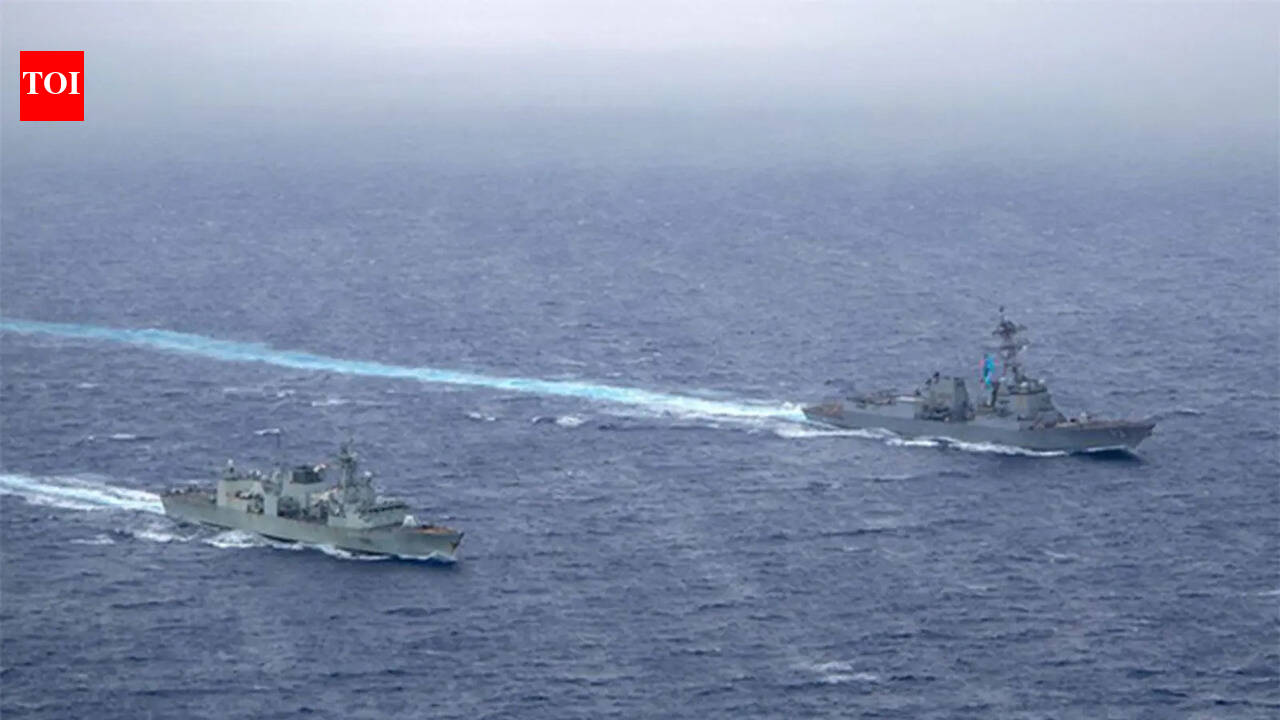
The Philippine Coast Guard reports that a China Coast Guard vessel collided with BRP Datu Magat Salamat about 54 nautical miles off Palawan on 18 September, damaging the Philippine vessel during a fuel mission for fishermen. China is very likely to sustain coercive maritime pressure, but a sustained armed clash remains very unlikely over the next 1-3 months.
Executive summary
The reported collision is the most serious new development since the previous brief and follows water-cannon allegations near Scarborough Shoal, the reported expulsion of Philippine vessels, repeated tracking of Philippine aircraft, and Chinese live-fire navigation warnings covering 14-20 September. The Philippine vessel sustained damage to its starboard side after the encounter at around 11:13 local time. China and the Philippines are likely to maintain opposing public positions, while the scheduled 23 September visit by Xi Jinping to Washington provides a near-term diplomatic watchpoint. Claims about a Chinese fire-control radar lock and US missile deployments in the Philippines remain less well corroborated than the collision and navigation warnings.
Change from previous assessment
Since the 17 September prior brief, the assessment has changed from an immediate watch window for a possible China-Philippines encounter to a reported physical collision involving a China Coast Guard vessel and BRP Datu Magat Salamat on 18 September. Confidence in the judgement that recurring coercive encounters are likely has increased, while confidence that escalation will remain below a sustained armed clash is lower because physical contact has now occurred. The assessment that a sustained armed clash remains very unlikely is retained.
Key judgments
- China is very likely to sustain coast guard-led pressure against Philippine vessels and aircraft in the South China Sea over the next 1-3 months. The reported 18 September collision involving China Coast Guard and BRP Datu Magat Salamat, the July water-cannon allegation near Scarborough Shoal, the August reported expulsions around Scarborough Shoal, and September reports of PLA Southern Theater Command tracking and a fire-control radar lock indicate pressure across maritime and air domains. Confidence in the overall pattern is high, but the collision attribution and intent rest chiefly on Philippine Coast Guard reporting carried by major media, while the radar-lock report comes from a blog. (Confidence: high · ASSESSED)
- I&W: Confirm: another China Coast Guard manoeuvre, water-cannon use, collision, or expulsion involving a named Philippine government vessel near Scarborough Shoal or Palawan. (0-14 days)
- I&W: Break: no further named China Coast Guard encounter and no reported PLA Southern Theater Command tracking or hail of Philippine aircraft. (1-3 months)
- A sustained armed clash between Chinese and Philippine forces is very unlikely over the next 1-3 months, despite likely recurring coercive encounters. The 14-20 September live-fire navigation warning, the earlier 8-11 September warning, China's reported year-round 2025 patrol presence around Second Thomas Shoal, and the reported collision indicate a pattern of pressure that has so far centred on patrols, manoeuvres, warnings, and physical contact rather than a sustained exchange of fire. Confidence is medium because the latest collision increases escalation risk and the available reporting does not independently establish the conduct or intent of both sides. (Confidence: medium · ASSESSED)
- I&W: Confirm: a further encounter remains limited to radio hails, dangerous manoeuvres, water cannon, or a single collision, followed by the departure of both sides' vessels. (0-14 days)
- I&W: Break: PLA or China Coast Guard personnel discharge weapons against a Philippine government vessel, inflict casualties, or hold a Philippine vessel in place after an encounter. (0-30 days)
- China and the Philippines are likely to sustain public diplomatic confrontation through the period surrounding Xi Jinping's scheduled 23 September state visit to Washington. China's stated opposition to external Philippine security partnerships, its rejection of the South China Sea arbitration anniversary statement, and the Japan-Philippines logistics agreement will sustain political signalling, although that agreement is reported to cover fuel, food, medical supplies, exercises, training, and disaster relief without a mutual-defence clause. Confidence is medium because the main direction of policy is consistent across the reporting, while some related claims rely on lower-reliability sources. (Confidence: medium · ASSESSED)
- I&W: Confirm: the Chinese Embassy in the Philippines issues another warning about external security partners, or Manila publicly links the Japan-Philippines agreement to South China Sea security. (0-14 days)
- I&W: Break: the 23 September visit is cancelled or China and the Philippines announce a specific maritime deconfliction measure that reduces public confrontation. (0-14 days)
- The reported US deployments of NMESIS to Batanes and Typhon with Tomahawk activity in Leyte are likely to increase Chinese threat perceptions, but their operational effect on the South China Sea remains insufficiently established. Both deployment claims come from blog reporting, and neither is independently corroborated in the approved material. Confidence is low. (Confidence: low · ASSESSED)
- I&W: Confirm: an official US or Philippine statement, or clear imagery, verifies NMESIS in Batanes or continued Typhon deployment and Tomahawk activity in Leyte. (0-30 days)
- I&W: Break: an official denial or verified removal of either reported missile system from the Philippines. (0-30 days)
- NASA FIRMS data are very unlikely to establish that military strikes or shelling occurred in the Philippines area as of 17 September. NASA recorded two thermal detections in the previous two days, none with high confidence, and states that the data record heat rather than cause. Confidence is high. (Confidence: high · ASSESSED)
- I&W: Confirm: NASA FIRMS records high-confidence detections near the maritime incident area and independent imagery links them to an explosion or weapons use. (0-14 days)
- I&W: Break: new reporting continues to show only low-confidence thermal detections without independent evidence of a military cause. (0-14 days)
Outlook & scenarios
Continued coercive encounters without sustained clash (75%)
China Coast Guard is very likely to continue patrols, warnings, manoeuvres, and episodic physical pressure against Philippine vessels around Scarborough Shoal, Palawan, and Second Thomas Shoal. The 14-20 September live-fire closure will end, but the broader patrol pattern is likely to continue. A sustained armed clash remains very unlikely.
Managed de-escalation after competing statements (45%)
China and the Philippines are likely to issue competing accounts of the BRP Datu Magat Salamat collision while avoiding another immediate physical encounter. The scheduled Xi Jinping visit on 23 September provides a near-term setting for political management, although the underlying maritime pressure is likely to remain.
Repeat collision or personnel injury (25%)
A further collision, water-cannon incident, or dangerous manoeuvre involving a named Philippine government vessel is an unlikely but plausible outcome over the next 30 days. A second incident involving damage or personnel injury would raise pressure on Manila to respond and increase the risk of a rapid crisis.
High-impact armed incident (8%)
An armed exchange involving the PLA or China Coast Guard and Philippine forces is very unlikely but would have high regional impact. A weapon discharge, deaths, or a sustained detention of a Philippine vessel would mark a break from the currently reported pattern of warnings, patrols, manoeuvres, and ramming.
Recommendations
- Prioritise 24-hour collection on the BRP Datu Magat Salamat collision, including imagery of the vessel's starboard damage, the location about 54 nautical miles off Palawan, the identity of the China Coast Guard vessel, and any subsequent contact involving Philippine government vessels.
- Maintain a focused watch on Scarborough Shoal, Palawan, and Second Thomas Shoal for China Coast Guard expulsions, water-cannon use, dangerous manoeuvres, and PLA Southern Theater Command tracking or hails of Philippine aircraft.
- Track the Zhanjiang Maritime Safety Administration live-fire closure through 20 September and compare each notice with observed vessel and aircraft activity. Treat the closure as a military activity indicator, not as evidence of an attack.
- Monitor Chinese Embassy statements, Philippine Defence Secretary Teodoro's public remarks, and outcomes from the scheduled 23 September Xi Jinping visit for evidence of diplomatic management or additional maritime pressure.
- Validate the blog-only claims about NMESIS in Batanes and Typhon with Tomahawk activity in Leyte through official US or Philippine releases and independently observed imagery before using them in warning assessments.
- Use NASA FIRMS detections only as supplementary evidence. Do not attribute thermal anomalies to strikes, shelling, or other military causes without independent imagery or reporting.
Confidence & uncertainty
Overall confidence is high because the latest collision, vessel damage, repeated coast guard activity, live-fire navigation warnings, and historical patrol pattern are supported by multiple major-media reports and official-government data. The main uncertainties concern the intent and exact manoeuvres during the collision, the blog-only fire-control radar-lock and US missile deployment reports, and the absence of an independently reported Chinese account of the 18 September encounter.
Intelligence gaps
- [EEI 1.1 · PARTIAL] Number, class, and position (time-stamped) of Chinese Coast Guard (CCG), People’s Armed Forces Maritime Militia (PAFMM), and other PRC paramilitary/auxiliary vessels inside Philippine-claimed EEZ or within 12 nautical miles of Philippine-occupied features (e.g., Scarborough Shoal, Second Thomas/Ayungin Shoal, and other named features). Recommended collection: maritime/AIS
- [EEI 1.4 · UNCOVERED] Abrupt changes to vessel identification behavior: AIS transponder deactivations, spoofing, or mismatches between flagged identity and observed equipment/markings among PRC maritime law-enforcement or militia vessels operating near Philippine claims. Recommended collection: maritime/AIS
- [EEI 2.1 · UNCOVERED] Issued directives, patrol orders, or internal guidance from PRC Central Military Commission, PLAN, CCG, or provincial maritime authorities that specify objectives, geographic limits, patrol tempos, or escalation thresholds for operations near Philippine-claimed features. Recommended collection: signals/communications
- [EEI 2.3 · UNCOVERED] Evidence of mobilization orders, tasking lists, or logistics planning for Maritime Militia units (vessel requisitions, local fisheries bureau instructions, fuel/resupply manifests) indicating intent to employ militia alongside CCG/PLAN assets. Recommended collection: HUMINT/defense
- [EEI 3.1 · PARTIAL] Deployment and movement of Philippine Coast Guard and Navy vessels (class, location, on-station times) and scheduled or unscheduled escort/resupply missions to occupied features. Recommended collection: military/AIS
- [EEI 3.2 · PARTIAL] Air component activity: number and frequency of Philippine air patrol sorties, maritime domain awareness flights, and air-to-surface or maritime strike assets placed on alert or redeployed toward contested areas. Recommended collection: imagery/satellite
- [EEI 3.3 · PARTIAL] Requests for diplomatic, intelligence, or military assistance from allies (e.g., US, Australia, Japan) including notifications of planned joint patrols, port calls, or freedom of navigation operations with dates and participating units. Recommended collection: open-source/official statements
- [EEI 3.4 · UNCOVERED] Changes to Philippine rules of engagement, emergency law measures, mobilization orders, or civil advisories (evacuations, fishing bans) that alter civilian or military behavior in contested maritime zones. Recommended collection: open-source/official statements
Cited sources
[1] Times of India · China Coast Guard vessel rams Philippine ship on mission to aid fishermen at sea (B) · Fri Sep 18 2026 07:44:00 GMT+0000 (Coordinated Universal Time) · sha256:39e2b614b08e [2] NetEase (163.com) self-media account; specific author not determinable · 中国为啥不懂菲律宾?因为菲每年送2700多亿进账! (E) · Tue Sep 15 2026 12:00:44 GMT+0000 (Coordinated Universal Time) · sha256:216b355df576 [3] 搜狐时间线 (Sohu Timeline) · 南海又划禁区,中国用行动告诉菲律宾:外援没用 - 搜狐时间线 (B) · Mon Sep 14 2026 09:55:00 GMT+0000 (Coordinated Universal Time) · sha256:7f0f28a4ed6e [4] BBC · Wife of US scholar jailed in China asks Trump raise arrest at Xi meeting (A) · Thu Sep 17 2026 17:08:00 GMT+0000 (Coordinated Universal Time) · sha256:c05b8e4dddf8 [5] NASA · NASA FIRMS thermal detections — Philippines (2d) (A) · sha256:b74c4bf9a2d2
Source content hashes were computed at collection time; the cited text is preserved unmodified for the life of this product.
Red cell review: CONCUR WITH COMMENT
TLP:CLEAR