TLP:CLEAR · Disclosure is not limited.
South China Sea: Scarborough platform and Itu Aba incursion keep tensions elevated
Time window: Last 7 days · Audience: General analyst · Type: Situation report · DTG: 2026-06-15 10:13Z · Overall confidence: MEDIUM
BLUF
A Chinese movable platform inside Scarborough Shoal and the first recorded entry by Chinese official vessels into Itu Aba’s restricted waters point to a sustained grey-zone push. Manila is protesting, Beijing is rejecting, Washington is watching, and the near-term risk of open war remains limited.
Executive summary
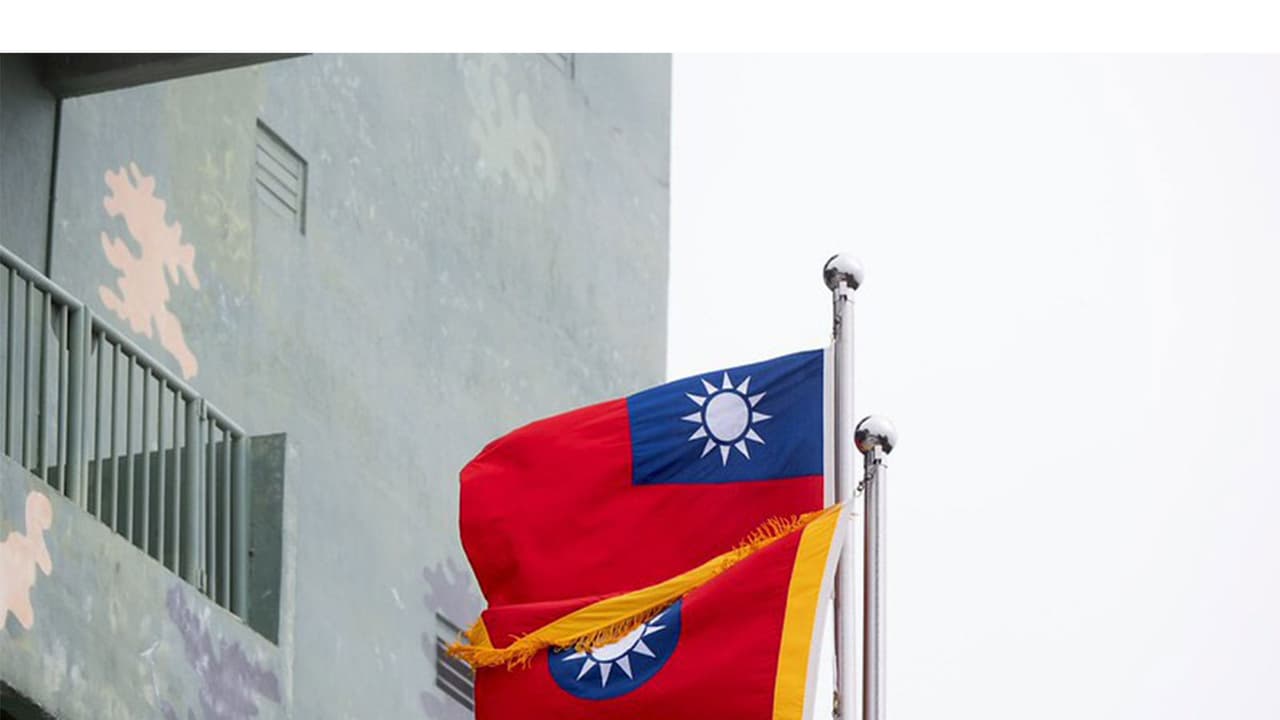
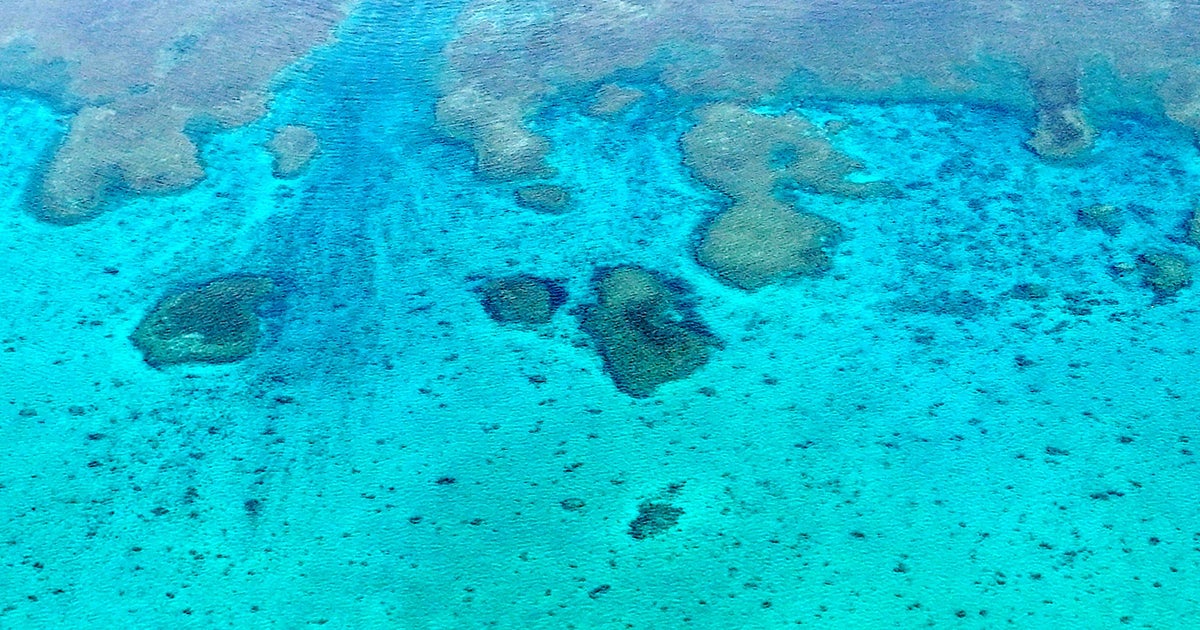
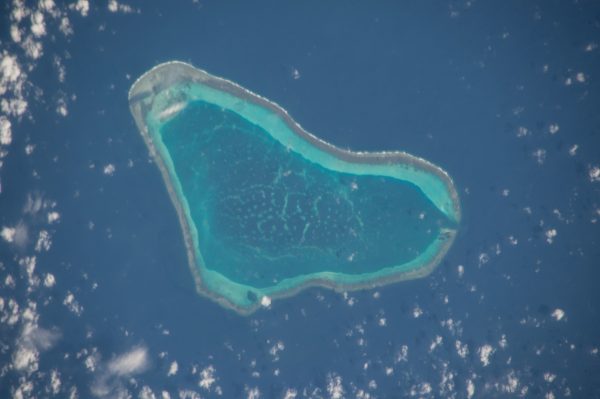
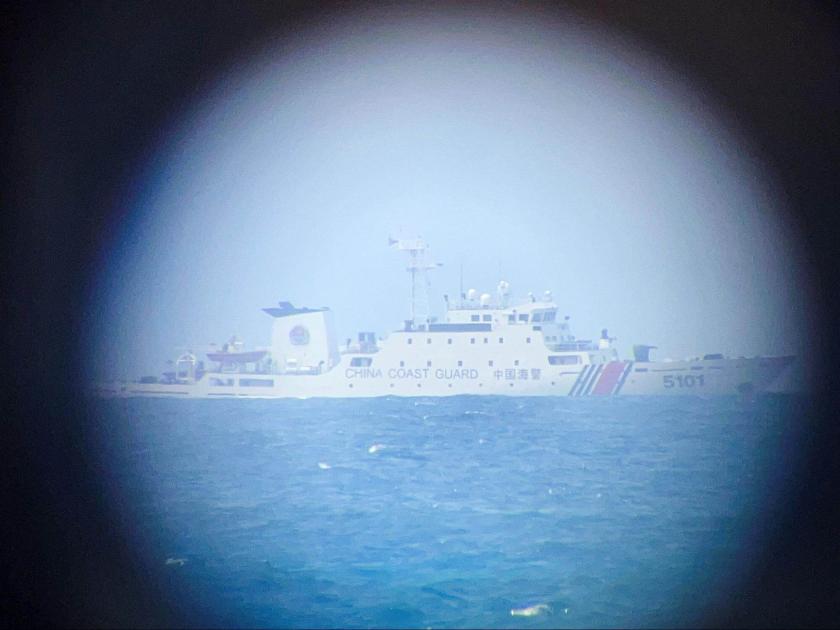
Philippine authorities reported a 6 by 6 metre floating platform with an antenna inside Scarborough Shoal, identified by aerial surveillance on 11 June after first being seen in satellite imagery on 25 May and with six Chinese nationals observed aboard on 30 May. Manila has urged removal and taken diplomatic action, while China has rejected the objections and restated sovereignty claims; U.S. intelligence is monitoring activity at the shoal. Separately, two Chinese official vessels, Sansha Zhifa 301 and Sansha 2, twice entered the restricted waters around Taiwan-controlled Itu Aba on Friday morning, exiting minutes later after Taiwanese vessels tracked and ordered them to leave. Taiwan’s Coast Guard Administration issued its strongest condemnation and noted this was the first recorded official PRC incursion into Itu Aba’s restricted zone. Regionally, China’s coast guard and maritime militias remain active, the Philippines has deployed assets near Thitu, and Vietnam has expanded construction on 21 features. The pattern is consistent with persistent grey-zone competition rather than a march to open conflict.
Change from previous assessment
New reporting on a movable platform inside Scarborough Shoal, China’s rejection of Philippine objections, and U.S. intelligence monitoring adds a second live friction point alongside the Itu Aba incursion covered previously. Assessments now weight Scarborough as a near-term escalation risk while maintaining a limited war-risk outlook. This is an initial synthesis of the Scarborough development layered onto the prior Itu Aba-focused brief.
Key judgments
- Chinese official vessels Sansha Zhifa 301 and Sansha 2 twice entered Itu Aba’s restricted waters at 8:28 and 8:31 on Friday, then exited by about 8:43 after Taiwanese vessels tracked and ordered them to leave; Taiwan’s Coast Guard Administration issued its strongest condemnation and said this was the first recorded official PRC incursion into Itu Aba’s restricted zone. (Confidence: high · REPORTED)
- I&W: Repeat short-duration entries by Sansha Zhifa 301, Sansha 2 or other PRC official hulls into Itu Aba’s 4-6 km restricted zone logged by Taiwan’s Coast Guard Administration. (0-14 days)
- I&W: Absence of further PRC entries into Itu Aba’s restricted waters and a reduction in CGA incident reporting about the feature. (1-3 months)
- China is likely setting conditions for a more durable presence inside Scarborough Shoal, using a movable 6 by 6 metre platform first spotted on 25 May and seen again on 30 May with six Chinese nationals aboard; Manila has urged removal and lodged diplomatic action, Beijing has rejected the objections and restated sovereignty at Huangyan Dao, and U.S. intelligence is monitoring activity at the shoal. (Confidence: medium · ASSESSED)
- I&W: Arrival of Chinese engineering or coast guard support craft, moorings, or additional barges inside Scarborough’s lagoon on satellite or Philippine aerial imagery. (0-14 days)
- I&W: Verified removal of the 6 by 6 metre platform from inside the shoal and public acknowledgement by Manila or Beijing. (0-14 days)
- Grey-zone friction is likely to persist across the Spratlys and Scarborough, with China relying on coast guard and militia presence, the Philippines deploying assets near Thitu, and Vietnam expanding construction on 21 features, while U.S. and partners continue freedom of navigation operations. (Confidence: medium · ASSESSED)
- I&W: New reports of CCG or militia blocking, ramming, or water-cannoning near Thitu, Scarborough, or other Spratly features without sustained occupation. (0-14 days)
- I&W: Announcement or conduct of multinational FONOPs transits through contested waters. (1-3 months)
- There is a very likely limited risk of direct interstate war in the South China Sea in the near term; coercive law-enforcement style actions and infrastructure moves are the most probable pathways for escalation. (Confidence: medium · ASSESSED)
- I&W: No verified incidents of lethal force at sea and continued reliance on demarches and public statements to manage incidents. (1-3 months)
- I&W: Initiation of fixed construction inside Scarborough Shoal or another contested feature, which Philippine officials judge would mark an escalation. (0-14 days)
- Legal-diplomatic steps alone are unlikely to shift Beijing’s behaviour at Scarborough given China’s effective control since 2012, its rejection of Manila’s objections and its assertion of sovereignty at Huangyan Dao, despite the 2016 arbitration ruling against historical titles. (Confidence: medium · ASSESSED)
- I&W: Expanded Chinese coast guard patrolling inside or at the mouth of Scarborough’s lagoon coupled with continued Chinese public claims of sovereignty. (1-3 months)
- I&W: Announcement of a bilateral arrangement allowing sustained Filipino fishing access inside Scarborough with third-party verification. (1-3 months)
Outlook & scenarios
Managed grey-zone stalemate (60%)
The Scarborough platform remains in place without overt fortification, PRC coast guard presence ebbs and flows, Manila sustains protests, and incidents like short-duration incursions near Itu Aba recur. Tensions stay high but contained to non-lethal confrontations, with periodic FONOPs and partner surveillance.
Incremental entrenchment at Scarborough (35%)
China adds moorings or additional platforms inside Scarborough’s lagoon and maintains a protective coast guard cordon. Philippines escalates diplomatic and legal steps but avoids kinetic action. Access for Filipino fishermen tightens further and at-sea confrontations increase in frequency.
Acute incident and short crisis (25%)
A collision, ramming or water-cannon injury near Scarborough or Itu Aba triggers a sharp diplomatic crisis. Washington increases surveillance and signalling, Beijing surges coast guard numbers, but both sides step back from sustained force or new permanent construction after several weeks.
De-escalation by removal (20%)
Following quiet talks, the movable platform inside Scarborough is withdrawn and PRC presence reverts to routine patrolling. Manila claims a diplomatic win, but underlying disputes and PRC sovereignty assertions remain unchanged.
Recommendations
- Task daily commercial satellite imagery and SAR collection on Scarborough Shoal to detect any moorings, dredging, barge arrivals or changes to the 6 by 6 metre platform footprint.
- Build and maintain a watchlist of Chinese coast guard hull numbers active at Scarborough, Thitu and around Itu Aba, and cross-cue with AIS, radio intercepts and open-source video.
- Catalogue and time-stamp future PRC entries into Itu Aba’s restricted waters, prioritising identification of Sansha Zhifa 301, Sansha 2 and any replacement hulls to assess patterning and intent.
- Exploit Philippine government aerial products from the National Task Force for the West Philippine Sea and align them with partner reporting to validate removals or additions inside the shoal.
- Prepare an indicators and warning matrix for escalation at Scarborough, including triggers such as emplacement of fixed structures, movement of construction support vessels into the lagoon, or extended exclusion of Filipino fishermen.
- Use ACLED’s new South China Sea maritime coverage to baseline incident frequency and co-plot with Philippine, Taiwanese and media reporting for trend analysis.
- Coordinate with legal analysts to map messaging lines around the 2016 arbitration ruling and PRC sovereignty assertions, anticipating likely public affairs narratives after any new incident.
Confidence & uncertainty
Overall confidence is medium. Many details are drawn from major media and official statements on specific incidents at Scarborough and Itu Aba, which are consistent across sources. Judgments that extend from these reports into future behaviour rely on analytic inference and think tank assessments about conflict dynamics and escalation thresholds. Key uncertainties include Beijing’s intent for the movable platform, the tempo of coast guard deployments at multiple features, and whether a single acute incident could prompt a faster shift from grey-zone tactics to fixed construction or sustained occupation.
Alternative analysis (red cell)
Multiple judgments rely on limited or medium‑grade reports (B2/B6/A6/F1) and at least one identified contradiction, and several analytic inferences extend beyond what the cited evidence can robustly support. Reasonable alternative interpretations—e.g., routine patrol activity rather than a novel incursion, temporary platforms rather than preparations for durable occupation, episodic grey‑zone incidents rather than sustained escalation, and a non‑negligible risk of escalation via miscalculation—are defensible given current sourcing. Closing the identified evidence gaps (time‑stamped tracks, time‑series imagery, independent HUMINT/SIGINT, internal policy signals) is necessary to resolve these competing readings.
Intelligence gaps
- [EEI 1.1 · UNCOVERED] Number, class, and position (time-stamped) of Chinese Coast Guard (CCG), People’s Armed Forces Maritime Militia (PAFMM), and other PRC paramilitary/auxiliary vessels inside Philippine-claimed EEZ or within 12 nautical miles of Philippine-occupied features (e.g., Scarborough Shoal, Second Thomas/Ayungin Shoal, and other named features). Recommended collection: maritime/AIS
- [EEI 1.2 · UNCOVERED] Observed maneuvers or posture indicating hostile action: vessel-to-vessel blocking/contact, use of water cannons, boarding attempts, formation maneuvers to interdict Philippine vessels, or sustained stationing near Philippine resupply/relief routes. Recommended collection: imagery/satellite
- [EEI 1.3 · UNCOVERED] Incidents of Philippine vessels (coast guard, navy, supply boats, civilian fishing vessels) being ordered to alter course, detained, chased, or physically impeded — with time, location, involved units, and damage/injuries if any. Recommended collection: open-source/official statements
- [EEI 1.4 · UNCOVERED] Abrupt changes to vessel identification behavior: AIS transponder deactivations, spoofing, or mismatches between flagged identity and observed equipment/markings among PRC maritime law-enforcement or militia vessels operating near Philippine claims. Recommended collection: maritime/AIS
- [EEI 2.1 · UNCOVERED] Issued directives, patrol orders, or internal guidance from PRC Central Military Commission, PLAN, CCG, or provincial maritime authorities that specify objectives, geographic limits, patrol tempos, or escalation thresholds for operations near Philippine-claimed features. Recommended collection: signals/communications
- [EEI 2.2 · UNCOVERED] Public declarations, maritime notices, or newly published 'maritime safety' or exclusion zones, with effective dates and coordinates, issued by Chinese authorities that could be used to justify interdiction or exclusion of Philippine activity. Recommended collection: open-source/official statements
- [EEI 2.3 · UNCOVERED] Evidence of mobilization orders, tasking lists, or logistics planning for Maritime Militia units (vessel requisitions, local fisheries bureau instructions, fuel/resupply manifests) indicating intent to employ militia alongside CCG/PLAN assets. Recommended collection: HUMINT/defense
- [EEI 3.1 · UNCOVERED] Deployment and movement of Philippine Coast Guard and Navy vessels (class, location, on-station times) and scheduled or unscheduled escort/resupply missions to occupied features. Recommended collection: military/AIS
- [EEI 3.2 · UNCOVERED] Air component activity: number and frequency of Philippine air patrol sorties, maritime domain awareness flights, and air-to-surface or maritime strike assets placed on alert or redeployed toward contested areas. Recommended collection: imagery/satellite
- [EEI 3.3 · UNCOVERED] Requests for diplomatic, intelligence, or military assistance from allies (e.g., U.S., Australia, Japan) including notifications of planned joint patrols, port calls, or freedom of navigation operations with dates and participating units. Recommended collection: open-source/official statements
- [EEI 3.4 · UNCOVERED] Changes to Philippine rules of engagement, emergency law measures, mobilization orders, or civil advisories (evacuations, fishing bans) that alter civilian or military behavior in contested maritime zones. Recommended collection: open-source/official statements
Cited sources
[1] newsable.asianetnews.com · Taiwan Blasts Beijing as Chinese Ships Enter Itu Aba Restricted Waters (B) · sha256:63203eac857f [2] CBS News · U.S. monitoring Chinese activity in South China Sea around disputed shoal (A) · sha256:9aad39299c5a [3] thediplomat.com · Philippines Urges China to Remove ‘Movable Platform’ at Disputed South China Sea Shoal (B) · sha256:5155d15ce0e3 [4] Asia Times · China's latest South China Sea shocks reopen old wounds - Asia Times (B) · sha256:9474a29d3002 [5] acleddata.com · Q&A: As South China Sea confrontations ramp up, what’s the risk of open conflict? (B) · sha256:7916ad9f9999 [6] Wikipedia · Territorial disputes in the South China Sea (F) · sha256:1d5bd5a3150d
Source content hashes were computed at collection time; the cited text is preserved unmodified for the life of this product.
Red cell review: PARTIAL DISSENT
TLP:CLEAR