TLP:CLEAR · Disclosure is not limited.
South China Sea Tensions: Collision and Grey-Zone Pressure
Time window: Last 7 days · Audience: General analyst · Type: Situation report · DTG: 2026-09-22 10:07Z · Overall confidence: HIGH
BLUF
The 18 September collision involving a Chinese Coast Guard vessel and Philippine vessel MMOV 3015 almost certainly occurred, but fault and the precise location remain unresolved. China Coast Guard pressure against Philippine government vessels is likely to recur over the next 1-3 months, while a sustained armed clash remains very unlikely.
Executive summary
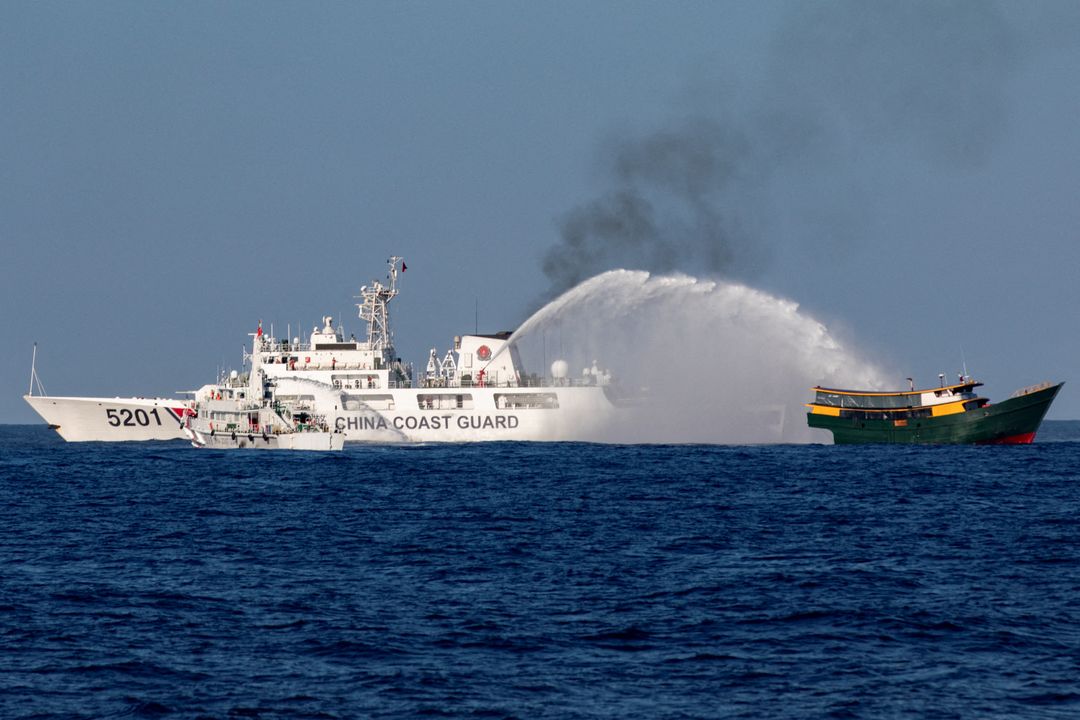
The 18 September collision off Palawan, which China Coast Guard reporting places near Sabina Shoal, produced competing Chinese and Philippine accounts of responsibility. Philippine reporting identified the Chinese vessel as CCG-21585 and stated that it rammed BRP Datu Magat Salamat, while China said the Philippine vessel cut across the Chinese vessel's bow. The Philippine vessel reportedly suffered major damage, but there were no casualties or injuries. The episode has been accompanied by warnings from China Coast Guard, a reported Chinese entry ban on Philippine Defence Minister Gilberto Teodoro, Taiwan's donation of a coastguard vessel to the Philippines, and a stronger maritime-surveillance focus by Malaysia. The immediate risk is repeated grey-zone encounters rather than sustained armed conflict.
Change from previous assessment
Since the 21 September brief, confidence in the occurrence of the 18 September collision has increased from likely to almost certain because the current reporting adds the Philippine vessel identity, reported damage and absence of casualties. Fault attribution remains unresolved, and the location assessment now explicitly retains both the Palawan and Sabina Shoal accounts. The assessment now adds Taiwan's acknowledged coastguard-vessel donation, Malaysia's stronger maritime-surveillance posture and the reported entry ban on Philippine Defence Minister Gilberto Teodoro. The judgement that a sustained armed clash is very unlikely is retained, but remains low confidence because the evidence still rests partly on the limits of reporting about weapons use.
Key judgments
- The 18 September collision almost certainly occurred, but fault and precise location remain unresolved. The Philippine Coast Guard identified the Chinese vessel as CCG-21585 and the Philippine vessel as BRP Datu Magat Salamat, or MMOV 3015, and said the Chinese vessel rammed it off Palawan within the Philippine exclusive economic zone. China Coast Guard reporting instead placed the incident near Xianbin Jiao, or Sabina Shoal, and blamed a Philippine vessel for cutting across the Chinese vessel's bow. Separate reporting stated that the Philippine vessel suffered major damage without casualties or injuries. (Confidence: high · REPORTED)
- I&W: CONFIRM: Independent imagery or navigational data places CCG-21585 and MMOV 3015 in contact and clarifies whether the incident occurred off Palawan or near Sabina Shoal. (0-14 days)
- I&W: BREAK: Reliable evidence shows that the vessels did not make contact or identifies a different pair of vessels. (0-14 days)
- China Coast Guard pressure against Philippine government vessels is likely to recur around Sabina Shoal, off Palawan and near Scarborough Shoal over the next 1-3 months. The supporting record includes the 18 September collision, a China Coast Guard warning that Manila would bear the consequences of further acts of infringement, and a Philippine report that China used a water cannon against Philippine vessels near Scarborough Shoal. The forecast is an analytic inference, and the available accounts do not independently establish fault in the reported incidents. (Confidence: medium · ASSESSED)
- I&W: CONFIRM: China Coast Guard and Philippine Coast Guard report another collision, water-cannon use or dangerous close manoeuvre involving named government vessels around Sabina Shoal, Palawan or Scarborough Shoal. (0-3 months)
- I&W: BREAK: Public reporting records no further Chinese Coast Guard physical interference with Philippine government vessels during the next 1-3 months. (1-3 months)
- China and the Philippines are very likely to maintain competing public accounts of maritime incidents, with diplomatic pressure accompanying the operational encounters. China has assigned full responsibility for the collision to the Philippines, while the Philippine Coast Guard has blamed China and China Coast Guard has warned Manila of consequences. The reporting also records China's ban on Philippine Defence Minister Gilberto Teodoro from entering Beijing. The future assessment rests on repeated official statements, while the reported ministerial ban is supported by a single trade-publication account. (Confidence: medium · ASSESSED)
- I&W: CONFIRM: China Coast Guard, the Chinese Ministry of Foreign Affairs and the Philippine Coast Guard issue further statements assigning blame or announcing measures linked to the collision. (0-30 days)
- I&W: BREAK: China and the Philippines withdraw their competing accounts, accept a common incident description or publicly reverse the reported entry ban on Gilberto Teodoro. (0-3 months)
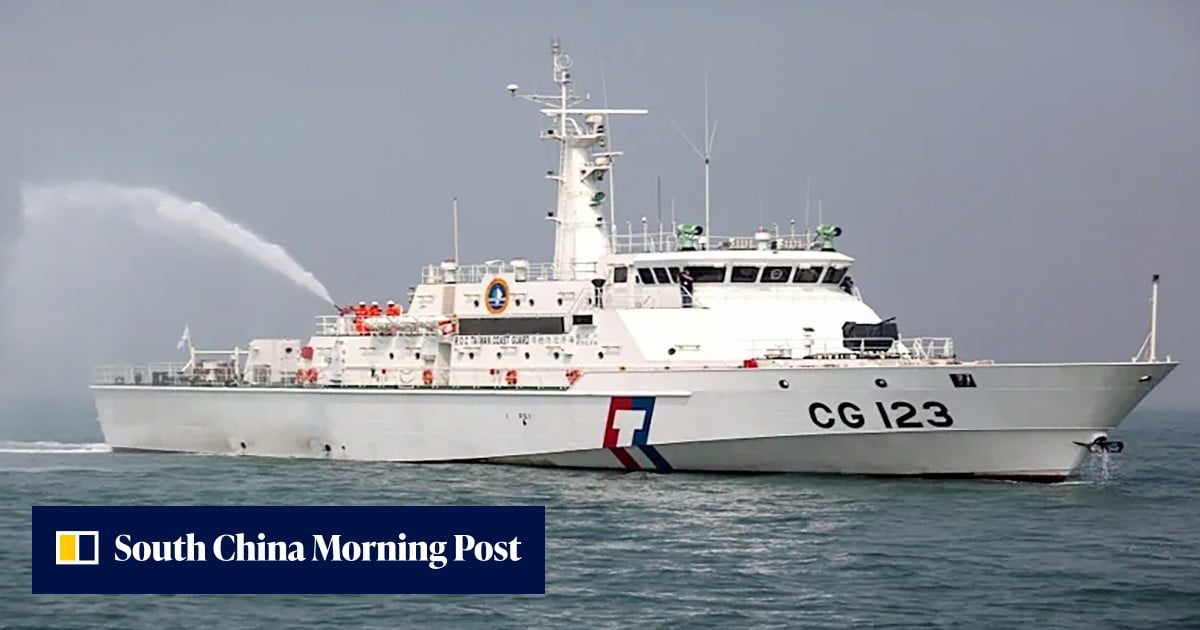
- Taiwan has acknowledged donating a coastguard vessel to the Philippines, and associated reporting identifies it as the retired Kinmen patrol ship travelling under the temporary name BLING NO.1. The transfer is assessed as a potential addition to Philippine maritime patrol capacity, but the vessel's operational deployment and effect on encounters with China are not established. Confidence is reduced because the vessel identity and delivery details rely partly on sources familiar with the transfer and Taiwanese media. (Confidence: medium · ASSESSED)
- I&W: CONFIRM: BLING NO.1 is formally transferred to the Philippines and enters service as a law-enforcement or maritime patrol vessel. (0-3 months)
- I&W: BREAK: Taiwan or the Philippines cancels the transfer, identifies a different vessel or reports that BLING NO.1 will not enter Philippine service. (0-3 months)
- Malaysia is likely to strengthen its maritime-surveillance posture as foreign coast guard vessels and research ships remain present in its South China Sea exclusive economic zone. The Royal Malaysian Air Force has called for greater aerial watch, maintains quick reaction alert readiness and regular patrols over Beting Patinggi Ali, has deployed a TAI Anka-S drone from Labuan Air Base, and expects delivery of Leonardo ATR-72 maritime patrol aircraft next year. The pace and scale of implementation remain uncertain, particularly across Sabah and Sarawak, where the Royal Malaysian Air Force acknowledges surveillance gaps. (Confidence: medium · ASSESSED)
- I&W: CONFIRM: The Royal Malaysian Air Force announces or conducts additional TAI Anka-S surveillance activity from Labuan Air Base or additional fighter patrols over Beting Patinggi Ali. (0-3 months)
- I&W: CONFIRM: Malaysia receives or publicly schedules the Leonardo ATR-72 delivery while expanding patrol coverage over Sabah and Sarawak. (3-12 months)
- A sustained armed clash between China and the Philippines is very unlikely over the next 1-3 months. The approved reporting records a collision, water-cannon use, close manoeuvres and warnings, but no confirmed firearms use; the reported September collision caused no casualties or injuries. This is a low-confidence assessment because it depends partly on the limits of the available reporting and does not resolve how either side would respond to a future fatal incident. (Confidence: low · ASSESSED)
- I&W: BREAK: Confirmed firearms use, weapons discharge or fatalities involving the China Coast Guard, the Philippine Coast Guard or other Chinese and Philippine maritime forces. (0-3 months)
- I&W: CONFIRM: Further encounters remain limited to warnings, close manoeuvres, collisions or water-cannon use without weapons discharge or casualties. (0-3 months)
Outlook & scenarios
Continued managed grey-zone pressure (60%)
China Coast Guard vessels continue warnings, close manoeuvres and physical interference with Philippine government vessels around Sabina Shoal, off Palawan and near Scarborough Shoal. China and the Philippines repeat competing accounts of responsibility, while encounters remain below the threshold of sustained armed conflict. Taiwan's donated vessel and Malaysia's surveillance measures develop in parallel.
Repeat collision with wider diplomatic escalation (25%)
Another close encounter or collision involving a China Coast Guard vessel and a Philippine government vessel produces further damage or injuries. China Coast Guard warnings intensify, Manila renews public accusations against China, and existing diplomatic measures such as the reported entry ban on Gilberto Teodoro are followed by additional pressure.
Short operational pause (10%)
China Coast Guard and Philippine Coast Guard activity produces no new reported physical contact for several weeks. The competing accounts of the 18 September collision remain in place, while Malaysia continues maritime-surveillance activity and the Philippines proceeds with the Taiwan vessel transfer.
Armed encounter, low-probability high-impact wildcard (5%)
A collision or water-cannon incident involving China Coast Guard and Philippine government vessels results in fatalities or confirmed weapons use. The event triggers a sharp military and diplomatic response by China and the Philippines and breaks the current assessment that sustained armed conflict is very unlikely.
Recommendations
- Separate event confirmation from fault attribution in all reporting. Treat the 18 September contact involving CCG-21585 and MMOV 3015 as a high-confidence reported collision, while carrying both the China Coast Guard and Philippine Coast Guard accounts until independent evidence resolves responsibility and location.
- Prioritise collection of independent imagery and navigational data for the 18 September incident. Resolve whether the contact occurred off Palawan or near Sabina Shoal, and determine whether the reported 5-metre and 10-metre manoeuvres refer to separate events.
- Maintain a 0-3 month warning watch on China Coast Guard activity around Sabina Shoal, off Palawan and near Scarborough Shoal. Flag any new collision, ramming allegation, water-cannon use, dangerous close pass or maritime warning involving a named Philippine government vessel.
- Verify the reported entry ban on Philippine Defence Minister Gilberto Teodoro through an official Chinese notice or a further Philippine government statement, and track whether China Coast Guard or Chinese Ministry of Foreign Affairs warnings lead to additional diplomatic measures.
- Track BLING NO.1 by vessel identity, location and service status. Confirm whether the retired Kinmen patrol ship completes transfer to the Philippines and enters law-enforcement service, rather than assuming that the donation has already increased Philippine operational capacity.
- Monitor Royal Malaysian Air Force activity from Labuan Air Base, patrols over Beting Patinggi Ali and progress towards delivery of the Leonardo ATR-72 maritime patrol aircraft. Record whether these measures close acknowledged surveillance gaps across Sabah and Sarawak.
- Retain the very unlikely assessment for sustained armed conflict, but immediately elevate the warning level if reporting confirms firearms use, weapons discharge, fatalities or involvement by additional Chinese or Philippine military forces.
Confidence & uncertainty
Overall confidence is high because opposing Chinese and Philippine official accounts, separate major-media reporting and trade-publication reporting corroborate the occurrence of the 18 September collision, its Palawan and Sabina Shoal location context, the reported damage and the absence of casualties. Confidence is lower for fault attribution, the precise location, the operational effect of Taiwan's donated vessel and the pace of Malaysia's surveillance expansion. The armed-conflict assessment remains low confidence because the available reporting does not establish how either side would respond to a future fatal or weapons-related incident.
Intelligence gaps
- [EEI 1.1 · PARTIAL] Number, class, and position (time-stamped) of Chinese Coast Guard (CCG), People’s Armed Forces Maritime Militia (PAFMM), and other PRC paramilitary/auxiliary vessels inside Philippine-claimed EEZ or within 12 nautical miles of Philippine-occupied features (e.g., Scarborough Shoal, Second Thomas/Ayungin Shoal, and other named features). Recommended collection: maritime/AIS
- [EEI 1.4 · UNCOVERED] Abrupt changes to vessel identification behavior: AIS transponder deactivations, spoofing, or mismatches between flagged identity and observed equipment/markings among PRC maritime law-enforcement or militia vessels operating near Philippine claims. Recommended collection: maritime/AIS
- [EEI 2.1 · UNCOVERED] Issued directives, patrol orders, or internal guidance from PRC Central Military Commission, PLAN, CCG, or provincial maritime authorities that specify objectives, geographic limits, patrol tempos, or escalation thresholds for operations near Philippine-claimed features. Recommended collection: signals/communications
- [EEI 2.2 · UNCOVERED] Public declarations, maritime notices, or newly published 'maritime safety' or exclusion zones, with effective dates and coordinates, issued by Chinese authorities that could be used to justify interdiction or exclusion of Philippine activity. Recommended collection: open-source/official statements
- [EEI 2.3 · UNCOVERED] Evidence of mobilization orders, tasking lists, or logistics planning for Maritime Militia units (vessel requisitions, local fisheries bureau instructions, fuel/resupply manifests) indicating intent to employ militia alongside CCG/PLAN assets. Recommended collection: HUMINT/defense
- [EEI 3.1 · PARTIAL] Deployment and movement of Philippine Coast Guard and Navy vessels (class, location, on-station times) and scheduled or unscheduled escort/resupply missions to occupied features. Recommended collection: military/AIS
- [EEI 3.2 · UNCOVERED] Air component activity: number and frequency of Philippine air patrol sorties, maritime domain awareness flights, and air-to-surface or maritime strike assets placed on alert or redeployed toward contested areas. Recommended collection: imagery/satellite
- [EEI 3.3 · UNCOVERED] Requests for diplomatic, intelligence, or military assistance from allies (e.g., US, Australia, Japan) including notifications of planned joint patrols, port calls, or freedom of navigation operations with dates and participating units. Recommended collection: open-source/official statements
- [EEI 3.4 · UNCOVERED] Changes to Philippine rules of engagement, emergency law measures, mobilization orders, or civil advisories (evacuations, fishing bans) that alter civilian or military behavior in contested maritime zones. Recommended collection: open-source/official statements
Cited sources
[1] TRT World · China, Philippines trade blame over South China Sea vessel collision (B) · Fri Sep 18 2026 10:06:21 GMT+0000 (Coordinated Universal Time) · sha256:30009dc8a4bb [2] Marine Insight · Chinese Coast Guard Ship Rams Into Philippine Govt Vessel In The South China Sea (C) · Sat Sep 19 2026 10:17:25 GMT+0000 (Coordinated Universal Time) · sha256:714958f46450 [3] South China Morning Post · Taipei donates coastguard vessel to Manila amid South China Sea tensions (A) · Thu Sep 17 2026 09:00:14 GMT+0000 (Coordinated Universal Time) · sha256:7c3ace54a635 [4] New Straits Times · Evolving threats push RMAF to strengthen maritime watch [WATCH] (A) · Sun Sep 20 2026 23:03:29 GMT+0000 (Coordinated Universal Time) · sha256:2a858271eeb6
Source content hashes were computed at collection time; the cited text is preserved unmodified for the life of this product.
TLP:CLEAR