TLP:CLEAR · Disclosure is not limited.
South China Sea tensions: diplomatic escalation and persistent coast guard pressure
Time window: Last 7 days · Audience: General analyst · Type: Situation report · DTG: 2026-09-10 10:05Z · Overall confidence: HIGH
BLUF
China and the Philippines have entered a sharper diplomatic exchange while Chinese Coast Guard pressure remains evident at contested South China Sea sites. Another coercive maritime encounter is likely over the next 1-3 months, but a sustained armed clash is unlikely.
Executive summary
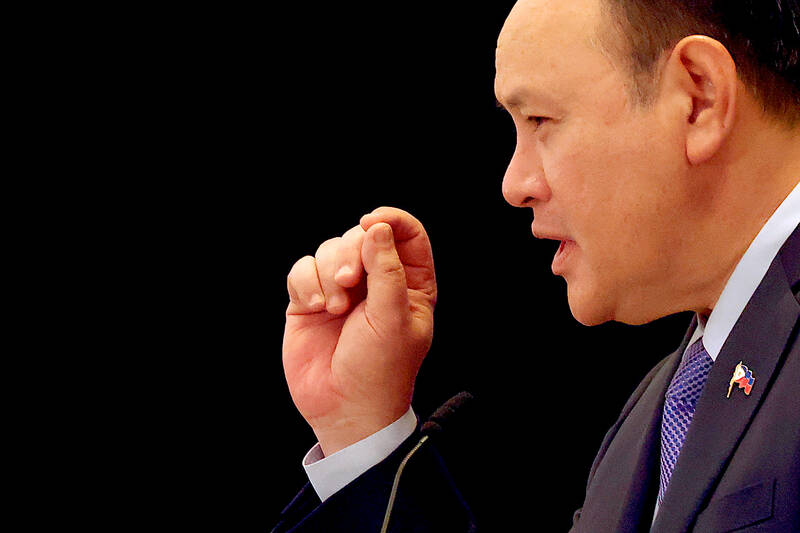
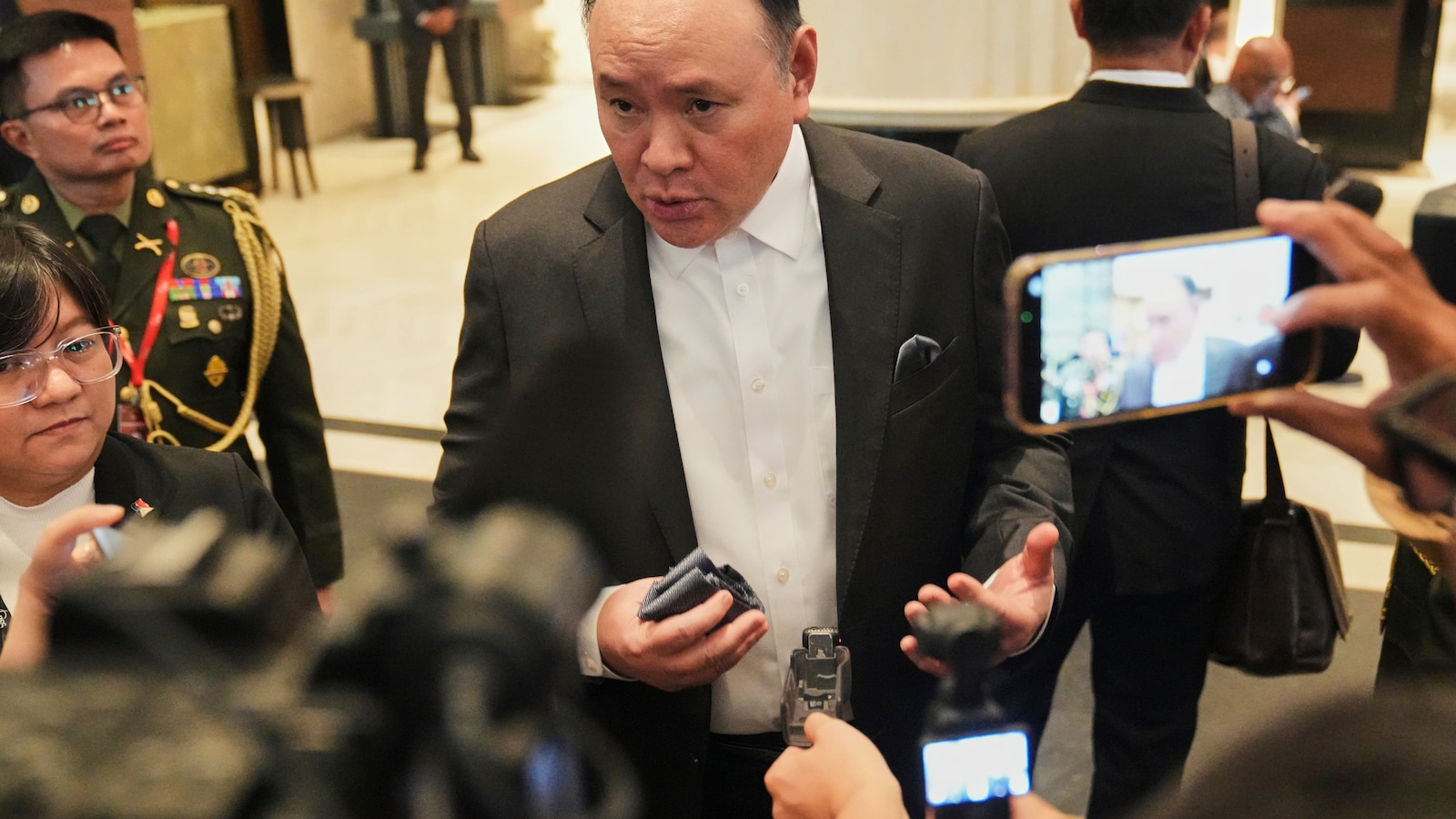
Reporting from 7 to 9 September describes Philippine Defence Secretary Gilberto Teodoro Jr accusing China of coercion after a note attributed to a Chinese embassy military attaché was delivered during the Seoul Defense Dialogue. Chinese Foreign Ministry spokesperson Mao Ning responded with public criticism of Philippine officials. Separate reporting documents repeated Chinese and Philippine coast guard confrontations, including water-cannon use, ramming and a July 2026 baton allegation at or near contested shoals. Chinese Coast Guard patrols east of Taiwan, averaging two cutters per month since June 2026, add pressure to the wider maritime picture. Exact dates for the Seoul incident, the Mao Ning briefing and the July confrontation remain contested.
Change from previous assessment
Since the 9 September brief, the assessment has added a new diplomatic escalation line covering the Seoul note incident, Teodoro's public response and Mao Ning's rebukes. It has retained the judgement that Chinese Coast Guard activity east of Taiwan is likely to continue and broadened the maritime-risk assessment to include the July 2026 Second Thomas Shoal confrontation and repeated water-cannon and ramming reporting. Confidence in the sustained-clash judgement remains low because the new incident reporting contains date and attribution disputes. The NASA warning remains unchanged in substance, but the current supplied count is three detections as of 9 September rather than the five noted previously, and the difference is unresolved. The prior low-confidence judgement on Philippine-Ukraine maritime uncrewed-platform co-production is retired because no new supporting claim appears in this reporting window.
Key judgments
- The reported China-Philippines diplomatic exchange sharpened between 7 and 9 September. Philippine Defence Secretary Gilberto Teodoro Jr described the note incident at the Seoul Defense Dialogue as coercion, bullying and aggression, while Chinese Foreign Ministry spokesperson Mao Ning accused Philippine officials of stirring up trouble. China had also sanctioned Teodoro earlier in 2026. Confidence is medium because the supplied accounts disagree over the exact dates of the Seoul incident and Mao Ning briefing, although major-media reporting corroborates the substance of the exchange. (Confidence: medium · REPORTED)
- I&W: Confirm: Mao Ning or another Chinese Foreign Ministry spokesperson issues another direct rebuke of Teodoro or the Philippine Government within 0-14 days. (0-14 days)
- I&W: Break: Beijing and Manila publicly stop personal accusations and record no new diplomatic confrontation linked to the South China Sea over 1-3 months. (1-3 months)
- China and the Philippines are likely to experience another coercive coast guard encounter at Second Thomas Shoal or Scarborough Shoal over the next 1-3 months. Reporting records repeated coast guard clashes, water-cannon use and ramming involving Philippine resupply vessels, alongside a July 2026 allegation that Chinese Coast Guard personnel struck a Filipino sailor with a wooden baton. Confidence is medium because the supplied accounts disagree over whether the baton-related confrontation occurred on 1 or 20 July, and China gave a conflicting account involving Filipino rubber boats. (Confidence: medium · ASSESSED)
- I&W: Confirm: Chinese and Philippine coast guard vessels use water cannons, ramming or physical force during a named resupply or patrol encounter at Second Thomas Shoal or Scarborough Shoal. (0-14 days)
- I&W: Break: Philippine resupply operations at Second Thomas Shoal proceed without Chinese Coast Guard physical interference for 1-3 months. (1-3 months)
- China is likely to sustain Coast Guard patrols east of Taiwan over the next 1-3 months. Ship-tracking reporting describes an average of two Chinese Coast Guard cutters per month since June 2026, patrol coverage of 27,100 square nautical miles and vessels operating 30 nautical miles from Taiwan's eastern coast. The reporting characterises these as the first such patrols in data extending back to January 2025. Confidence is medium because the pattern rests chiefly on one major-media account and the supplied evidence does not establish whether the patrols will expand beyond the reported area. (Confidence: medium · ASSESSED)
- I&W: Confirm: at least one additional Chinese Coast Guard cutter deployment is reported east of Taiwan beyond the current patrol pattern. (0-30 days)
- I&W: Break: no Chinese Coast Guard cutter deployment is reported east of Taiwan during the next 1-3 months. (1-3 months)
- A sustained armed clash between China and the Philippines is unlikely over the next 1-3 months, although an acute coercive encounter remains likely. The supplied reporting describes water-cannon use, ramming, physical confrontation and a baton allegation, while US and Philippine forces maintain security cooperation. It does not report firearms, military weapons, deaths or sustained combat. This is a low-confidence inference because the forecast rests on limited incident reporting and does not reveal Chinese or Philippine future intent. (Confidence: low · ASSESSED)
- I&W: Confirm: a further encounter at Second Thomas Shoal or Scarborough Shoal involves water cannons, ramming or physical contact without reported firearms or military weapons. (0-14 days)
- I&W: Break: independent reporting confirms deaths or the use of firearms or other military weapons by Chinese or Philippine forces during a South China Sea encounter. (0-14 days)
- Closer maritime coordination among the Philippines, the US, Japan, the UK and other Western and Asian countries is likely over the next 1-3 months. Japan and the Philippines have announced plans to define their overlapping maritime border, Washington has reaffirmed security commitments and maritime cooperation with Manila, and the US, UK and other states have reaffirmed the 2016 ruling on China's claims. This is a medium-confidence inference because the supplied evidence shows announcements and existing cooperation, not completed implementation or a proven causal response to Chinese pressure. (Confidence: medium · ASSESSED)
- I&W: Confirm: Japan and the Philippines announce a concrete mechanism for maritime border work, or the US and Philippines announce a new maritime cooperation activity. (1-3 months)
- I&W: Break: no follow-on measure emerges from the Japan-Philippines border plan and no new US-Philippine maritime activity is announced. (1-3 months)
- The three NASA FIRMS detections recorded in the Philippines area as of 9 September are very unlikely by themselves to indicate Chinese maritime activity or a conflict-related incident. NASA reported zero high-confidence detections and states that the system records heat rather than cause. Confidence is high because the data and their interpretation limits come from an official NASA system. (Confidence: high · ASSESSED)
- I&W: Confirm: NASA FIRMS records no high-confidence detection that aligns with an independently reported maritime incident in the Philippines area. (0-14 days)
- I&W: Break: a high-confidence NASA FIRMS detection is geographically and temporally matched to an independently reported strike, shelling or other conflict-related event. (0-14 days)
Outlook & scenarios
Managed coercion and diplomatic pressure (60%)
China is likely to maintain Coast Guard pressure, public criticism and maritime signalling while the Philippines is likely to continue invoking the 2016 arbitration ruling and US security ties. Encounters remain below sustained armed conflict over the next 1-3 months.
Acute coast guard confrontation (25%)
An acute encounter at Second Thomas Shoal or Scarborough Shoal is unlikely but remains the main near-term escalation route. It would involve water-cannon use, ramming or physical contact and trigger fresh protests from Beijing and Manila.
Temporary diplomatic stabilisation (10%)
A temporary reduction in public rhetoric and uninterrupted Philippine activity at contested sites is unlikely. This outcome would require the Seoul-related exchange to fade without a new maritime incident and for existing US-Philippine and Japan-Philippine cooperation to continue without public escalation.
Lethal or armed escalation (5%)
A lethal encounter involving firearms or military weapons is very unlikely, but it would produce a high-impact break from the current pattern of water cannons, ramming and physical confrontation. Such an event would sharply raise the risk of sustained China-Philippines confrontation.
Recommendations
- Maintain a daily incident log for Chinese and Philippine Coast Guard activity at Second Thomas Shoal and Scarborough Shoal. Record vessel identity where available, water-cannon use, ramming, physical contact, casualties and mission outcome.
- Set an escalation alert for any confirmed firearm or military-weapon use, death or serious damage involving Chinese or Philippine forces. Track a second water-cannon or ramming event within 14 days as a separate warning threshold.
- Verify original footage, event records and official transcripts for the Seoul Defense Dialogue note incident and the Mao Ning briefing before using them in trend analysis. Retain the conflicting 7 and 8 September dates for the forum incident, and the 8 and 9 September dates for the briefing, until resolved.
- Track Chinese Coast Guard deployments east of Taiwan separately from South China Sea incidents. Use the reported average of two cutters per month, 30 nautical miles from Taiwan's eastern coast and 27,100 square nautical miles of patrol coverage as the current baseline.
- Do not treat NASA FIRMS thermal detections as evidence of Chinese maritime activity without a matching incident report or other independent corroboration.
- Update the regional-coordination assessment when Japan and the Philippines produce a concrete border-work mechanism or when the US and Philippines announce a new maritime cooperation activity.
Confidence & uncertainty
Overall confidence is high for the reported situation because the central diplomatic and maritime claims draw on major-media reporting, the thermal data come from NASA FIRMS, and the east-of-Taiwan patrol pattern is based on ship-tracking analysis. Confidence is lower for attribution of the July baton incident, the exact dates of the Seoul exchange and Mao Ning briefing, and forecasts of Chinese and Philippine intent. The high headline rating reflects confidence in the reported situational picture, not certainty about escalation outcomes.
Intelligence gaps
- [EEI 1.1 · PARTIAL] Number, class, and position (time-stamped) of Chinese Coast Guard (CCG), People’s Armed Forces Maritime Militia (PAFMM), and other PRC paramilitary/auxiliary vessels inside Philippine-claimed EEZ or within 12 nautical miles of Philippine-occupied features (e.g., Scarborough Shoal, Second Thomas/Ayungin Shoal, and other named features). Recommended collection: maritime/AIS
- [EEI 1.3 · PARTIAL] Incidents of Philippine vessels (coast guard, navy, supply boats, civilian fishing vessels) being ordered to alter course, detained, chased, or physically impeded, with time, location, involved units, and damage/injuries if any. Recommended collection: open-source/official statements
- [EEI 1.4 · UNCOVERED] Abrupt changes to vessel identification behavior: AIS transponder deactivations, spoofing, or mismatches between flagged identity and observed equipment/markings among PRC maritime law-enforcement or militia vessels operating near Philippine claims. Recommended collection: maritime/AIS
- [EEI 2.1 · UNCOVERED] Issued directives, patrol orders, or internal guidance from PRC Central Military Commission, PLAN, CCG, or provincial maritime authorities that specify objectives, geographic limits, patrol tempos, or escalation thresholds for operations near Philippine-claimed features. Recommended collection: signals/communications
- [EEI 2.2 · UNCOVERED] Public declarations, maritime notices, or newly published 'maritime safety' or exclusion zones, with effective dates and coordinates, issued by Chinese authorities that could be used to justify interdiction or exclusion of Philippine activity. Recommended collection: open-source/official statements
- [EEI 2.3 · UNCOVERED] Evidence of mobilization orders, tasking lists, or logistics planning for Maritime Militia units (vessel requisitions, local fisheries bureau instructions, fuel/resupply manifests) indicating intent to employ militia alongside CCG/PLAN assets. Recommended collection: HUMINT/defense
- [EEI 3.1 · PARTIAL] Deployment and movement of Philippine Coast Guard and Navy vessels (class, location, on-station times) and scheduled or unscheduled escort/resupply missions to occupied features. Recommended collection: military/AIS
- [EEI 3.2 · UNCOVERED] Air component activity: number and frequency of Philippine air patrol sorties, maritime domain awareness flights, and air-to-surface or maritime strike assets placed on alert or redeployed toward contested areas. Recommended collection: imagery/satellite
- [EEI 3.3 · PARTIAL] Requests for diplomatic, intelligence, or military assistance from allies (e.g., US, Australia, Japan) including notifications of planned joint patrols, port calls, or freedom of navigation operations with dates and participating units. Recommended collection: open-source/official statements
- [EEI 3.4 · UNCOVERED] Changes to Philippine rules of engagement, emergency law measures, mobilization orders, or civil advisories (evacuations, fishing bans) that alter civilian or military behavior in contested maritime zones. Recommended collection: open-source/official statements
TLP:CLEAR