TLP:CLEAR · Disclosure is not limited.
Strait of Hormuz: Iranian coercion of shipping persists amid strikes and uneasy diplomacy
Time window: Last 7 days · Audience: General analyst · Type: Situation report · DTG: 2026-06-30 00:11Z · Overall confidence: MEDIUM
BLUF
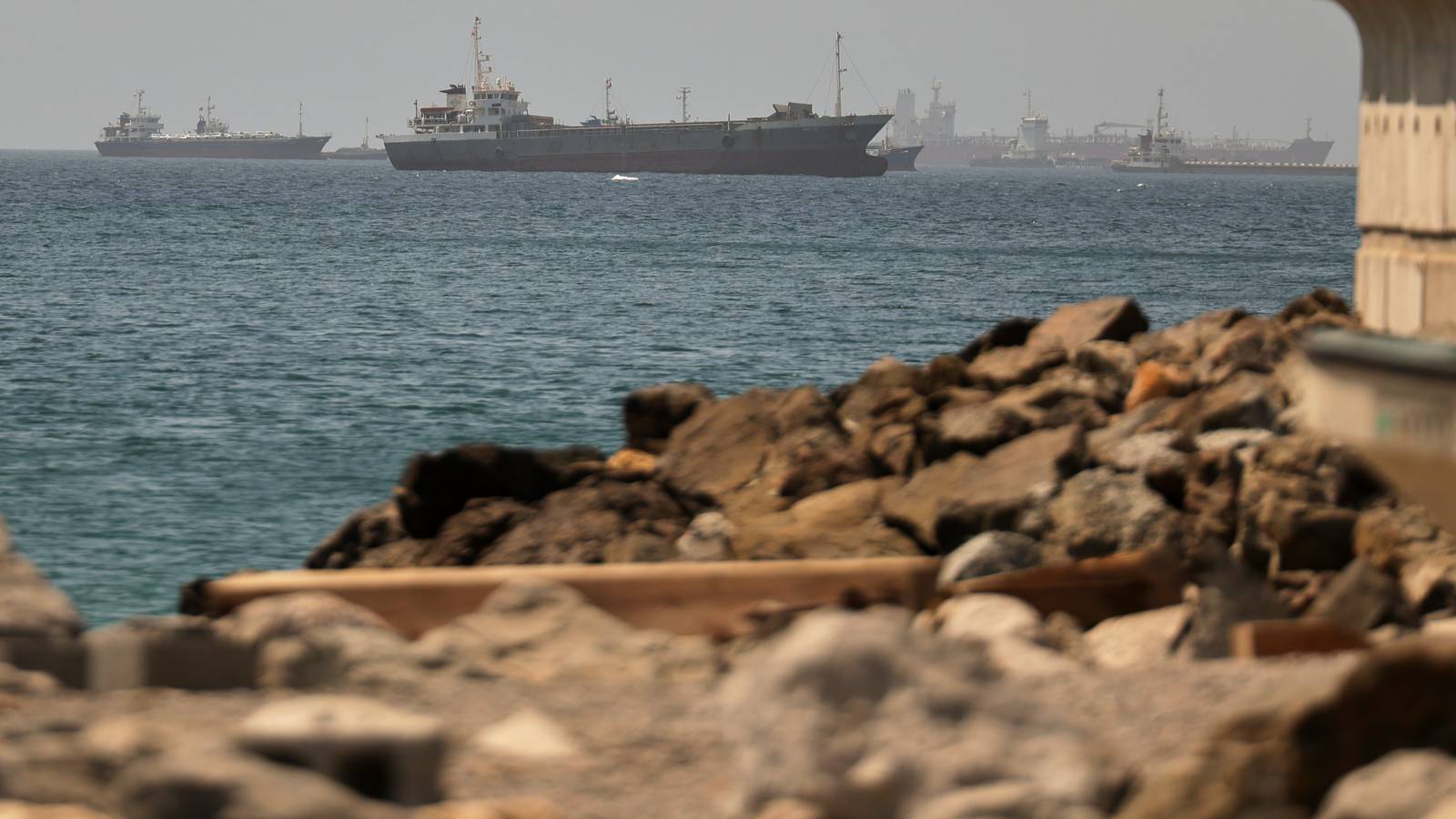
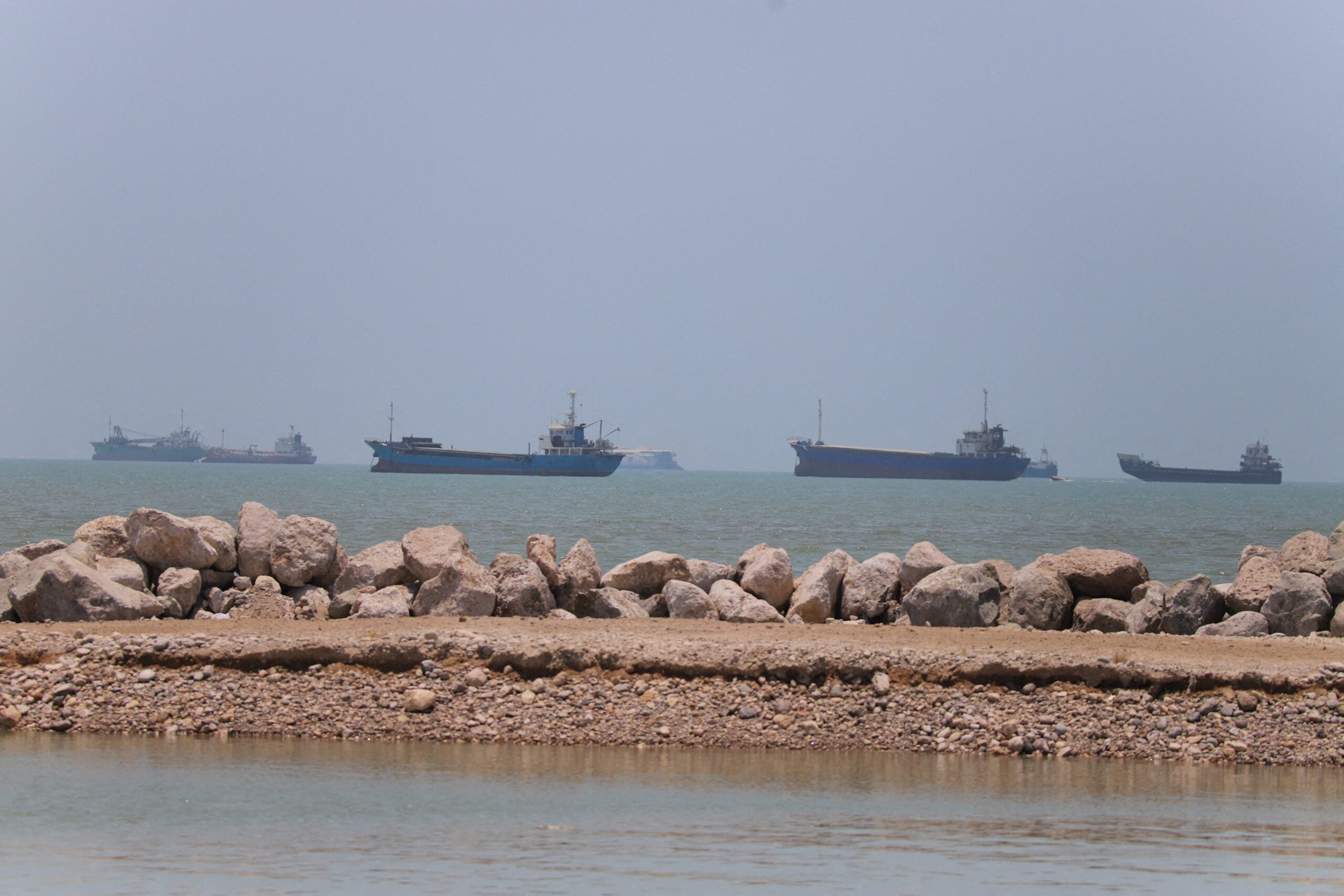
Iran is very likely to keep coercing commercial shipping in and near the Strait of Hormuz despite an interim framework and planned talks, sustaining elevated maritime risk. LNG transits have paused and tankers are backed up even as some traffic resumes via an Oman-IMO route, and tit-for-tat US-Iran strikes raise the risk of fresh incidents in the coming weeks.
Executive summary
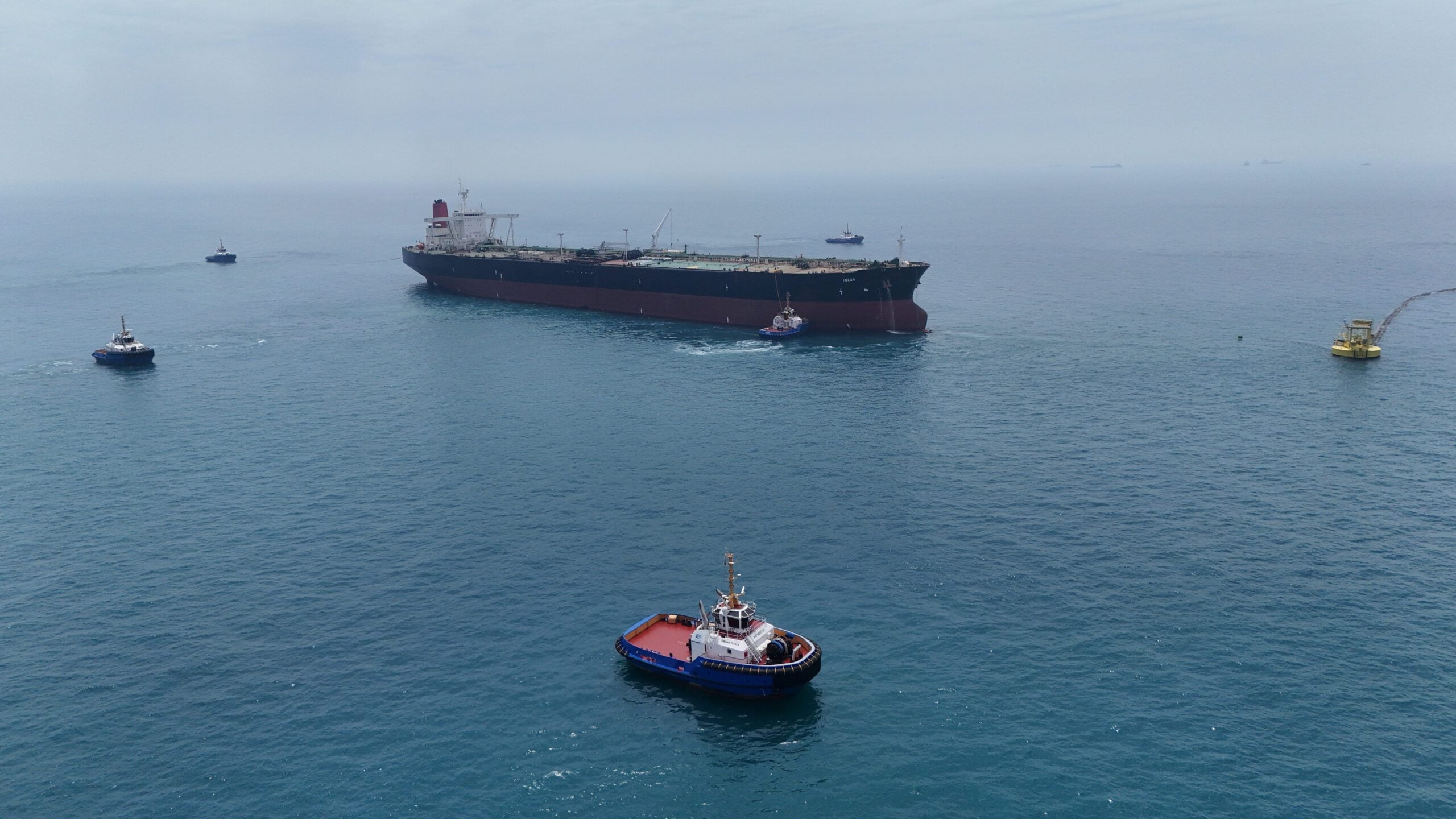
In the last week of June, Iranian forces attacked commercial vessels, including a Panama-flagged tanker struck by an Iranian drone on 28 June, and a container ship attacked earlier in the week. The IRGC fired warning shots toward vessels, threatened a tanker over radio, ordered all ships to coordinate with the Iranian Navy, and issued an angry warning against using a newly promoted route near Oman as Oman and the International Maritime Organization set a new lane. The Joint Maritime Information Center raised the regional threat level to substantial. LNG carrier transits have paused and a large backlog of tankers remains, though some traffic has resumed, with 125 vessels crossing the strait the prior week and individual ships exiting on 24-25 June. The United States conducted air strikes on 10 Iranian military targets on 28 June after the tanker attack, while Iran said it launched defensive attacks on US-linked military targets and Bahrain reported an Iranian drone attack. Diplomacy is running in parallel: Washington and GCC foreign ministers rejected any tolls or attempts to assert control over the strait, while Tehran signalled a 60-day fee-free window and plans to impose ‘service fees’ and unilateral navigation rules thereafter, and technical teams are expected to meet in Doha.
Key judgments
- Iran is very likely using coercive measures, including drone strikes, warning fire and radio threats, to assert control over shipping in and near the Strait of Hormuz and compel vessels to coordinate passage with Iranian authorities. (Confidence: high · ASSESSED)
- I&W: Additional IRGC VHF warnings or warning shots reported against ships transiting outside routes Tehran deems acceptable. (0-14 days)
- I&W: Publication of an Iranian notice reinforcing mandatory coordination with the Iranian Navy for all Hormuz transits. (0-14 days)
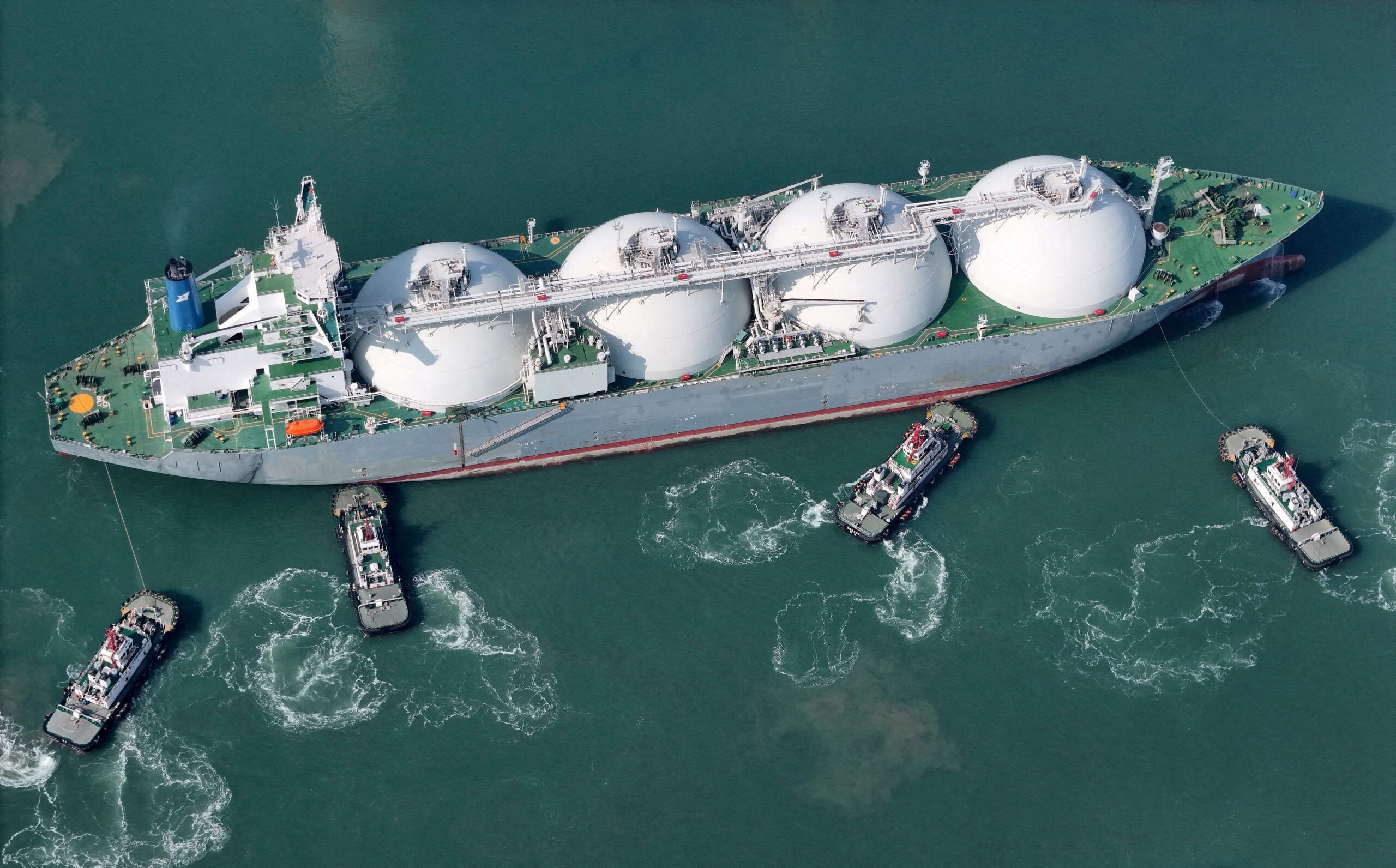
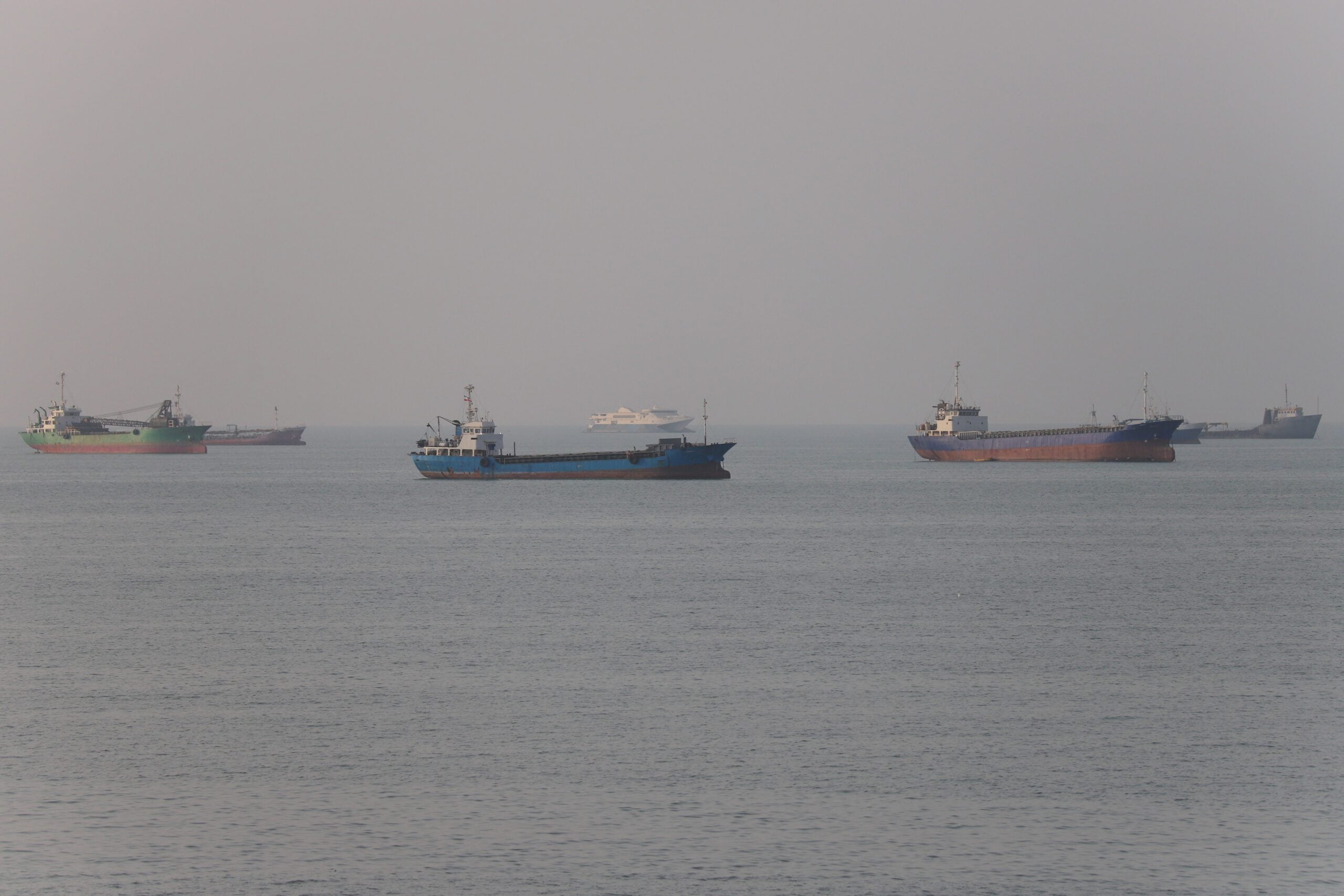
- Disruption to energy shipping is likely to persist in the near term, with LNG transits paused and a backlog of oil tankers, even as overall traffic shows partial recovery via the Oman-IMO temporary lane. (Confidence: medium · ASSESSED)
- I&W: No inbound or outbound LNG carriers recorded transiting Hormuz on public tracking for a continuous 7-day period. (0-14 days)
- I&W: Reported tanker backlog in the Persian Gulf remains at or above roughly 118 laden oil tankers awaiting transit. (0-14 days)
- There is a likely continuation of tit-for-tat US-Iran strikes in the near term, keeping maritime and regional military risk elevated despite an interim framework and planned talks. (Confidence: medium · ASSESSED)
- I&W: Fresh US or Iranian strikes announced by either side tied to shipping incidents around Hormuz. (0-14 days)
- I&W: Official readout from planned Doha technical talks that activates a deconfliction mechanism and coincides with a downgrade in the maritime threat level. (0-14 days)
- Tehran is very likely to pursue a post-60-day regime of ‘service fees’ and unilateral navigation rules in Hormuz, meeting firm opposition from the United States, GCC partners and China, which will sustain legal-diplomatic friction around the waterway. (Confidence: high · ASSESSED)
- I&W: Iran issues a public fee schedule or notice to mariners instituting documentation checks and charging for navigation, patrols or environmental services in Hormuz. (1-3 months)
- I&W: Public statements by GCC states or China rejecting unilateral Iranian rules are followed by coordinated guidance to shipowners to avoid compliance. (0-1 month)
- Maritime threat levels in and near Hormuz are very likely to remain elevated for at least the next month. (Confidence: high · ASSESSED)
- I&W: The Joint Maritime Information Center maintains or raises the threat level from substantial. (0-1 month)
- I&W: No reported attacks or armed IRGC interactions with merchant vessels for a continuous 14-day period. (0-1 month)
- Energy prices are likely to remain volatile, with short-term spikes around attacks and declines on de-escalation signals and partial restoration of flows. (Confidence: medium · ASSESSED)
- I&W: Reported vessel attacks or strike announcements coincide with immediate intraday Brent price moves of 2 percent or more. (0-14 days)
- I&W: Sustained growth in weekly Hormuz crossings and Gulf crude exports alongside easing price volatility. (1-3 months)
Outlook & scenarios
Managed friction: traffic flows via the Oman-IMO lane under persistent IRGC pressure (50%)
Oman’s temporary route and the Oman-IMO lane carry most traffic while Iran continues radio warnings and sporadic harassment. LNG restarts cautiously after a pause, and overall crossings stabilise near recent weekly levels. Diplomacy contains but does not resolve the dispute over rules and fees, and the threat level stays elevated.
Escalation cycle: renewed attacks and retaliatory strikes sustain pauses and backlogs (35%)
Further Iranian attacks on tankers or container ships trigger additional US strikes, and the IRGC hardens enforcement against non-Iranian-approved lanes. LNG transits remain paused, tanker queues grow, and shipowners delay passages. JMIC holds a substantial threat level or raises it.
Short-fuse de-escalation: deconfliction works and risk eases temporarily (25%)
Technical talks in Doha activate a practical deconfliction channel. Reported incidents decline, JMIC downgrades risk, and LNG and crude flows normalise toward prewar levels. Iran defers implementation of fees during the 60-day window while parties wrangle over navigation rules.
Fee enforcement gambit triggers pushback (15%)
Tehran issues a fee schedule and documentation mandate at the end of the fee-free window. The US and GCC reject compliance, some owners re-route or delay, and legal-diplomatic confrontation intensifies. Sporadic at-sea confrontations reoccur until the policy is paused or revised.
Recommendations
- Maintain a daily cross-check of public vessel-tracking for LNG carriers and laden VLCCs through Hormuz, flagging any resumption of LNG transits and changes in tanker backlogs.
- Set up a watch on IRGC maritime communications and public warnings tied to routing near Oman, and log incidents involving warning shots or radio threats against specific hulls.
- Monitor for Iranian notices to mariners, fee schedules or documentation mandates, and compile a compliance posture brief for shipowners and insurers.
- Track the Joint Maritime Information Center threat level and correlate changes with reported attacks and diplomatic milestones, pushing immediate alerts on any upgrade.
- Produce a rolling 14-day incident timeline linking vessel attacks, US or Iranian strikes, and market reactions, to brief decision-makers on escalation triggers.
- Engage with open reporting from Oman and the IMO on the temporary lane’s usage and safety guidance, and assess owner/operator uptake by vessel class.
- Prepare an alternatives analysis on likely shipowner behaviour under a prospective Iranian fee regime, including rerouting, delay, or convoy demand signals.
- Coordinate with economic analysts to model oil and LNG price sensitivity to discrete shipping incidents and report thresholds for material market impact.
Confidence & uncertainty
Overall confidence is medium. Multiple independent, reliable sources report vessel attacks, IRGC coercive actions, US strikes, the Oman-IMO lane, and elevated maritime threat levels. Several elements are corroborated across major media, official statements and think-tank assessments. However, reporting contains timeline and activity contradictions on the pace of reopening and the extent of closures, and some policy details rest on medium-confidence sources. The dynamic environment and single-source elements on shipping status and prospective fees introduce uncertainty.
Alternative analysis (red cell)
Alternative reading: The available reporting is consistent with episodic Iranian coercive actions and retaliatory strikes that have disrupted some transits and elevated near-term risk, but it does not yet demonstrate an institutionalized, consistently enforced regime compelling universal vessel coordination or an inevitable, sustained tit‑for‑tat campaign. Diplomatic measures (the 60‑day interim e20b1bc5 and planned technical talks a7f654f5) and operational mitigations (Oman/IMO lane 76bed6aa/f8351fdb; substantial transit counts e4c1bec5) create plausible pathways for partial normalization. Additional operational, legal, and financial corroboration is required to adjudicate whether Iran will convert intent into sustained enforcement or whether disruptions will prove episodic.
Cited sources
[1] gcaptain.com · US Carries Out Fresh Strikes Against Iran After Tanker Struck In Hormuz, Escalating Hostilities (B) · sha256:97858da48519 [2] The New York Times · 伊朗袭击货船,霍尔木兹海峡航运再次中断 (A) · sha256:a11c1de546c3 [3] military.com · Oil Tankers Navigate the Strait of Hormuz Despite Threats from Iran's Revolutionary Guard (B) · sha256:e57ebca581af [4] gcaptain.com · Hormuz Oil Transits Continue Though Attacks Make Owners Wary (B) · sha256:ae8d2799c132 [5] Institute for the Study of War (ISW) and The Critical Threats Project (CTP) at the American Enterprise Institute · Iran Update Special Report, June 25, 2026 (B) · sha256:b5f433d7cd05 [6] gcaptain.com · Pakistan Urgently Seeks LNG as Hormuz Flare-Up Chokes Supply (B) · sha256:65b5e6ab80a3 [7] sohu.com · 波斯湾航运逐步恢复,油价跌至战争后最低水平 (B) · sha256:7e7b928f3b30 [8] ynetnews.com · Iran’s Hormuz gamble: Tehran fights to keep its most powerful bargaining chip (A) · sha256:d0a63d746fc1 [9] ntdtv.com · 【新闻直击】10万人遇难 日委同步大地震 霍峡水雷消失? (B) · sha256:87c875f03cb6 [10] gcaptain.com · Aramco Helicopter Crash In Ras Tanura Kills All 14 On Board (B) · sha256:599d7c5eac90 [11] U.S. Department of State · United Arab Emirates Travel Advisory (A) · sha256:7a0c71f2991b [12] gcaptain.com · Mediators Set Up De-escalation Channels Ahead of US-Iran Talks (A) · sha256:f252322ae8e2 [13] stcn.com · 霍尔木兹海峡重开但油价体系或已改写 (B) · sha256:a381b1550dc5 [14] 163.com · 伊朗想垄断霍尔木兹海峡?算盘打得震天响,唯独漏算了中国 (B) · sha256:34b5a6312782 [15] anue鉅亨網 · 荷姆茲海峽重新通航!WSJ:伊朗打算從海峽重開中 賺取數十億美元通行服務費 | anue鉅亨網 | LINE TODAY (B) · sha256:f311663bdd40
Source content hashes were computed at collection time; the cited text is preserved unmodified for the life of this product.
Red cell review: PARTIAL DISSENT
TLP:CLEAR