TLP:CLEAR · Disclosure is not limited.
Strait of Hormuz: Iranian drone strikes and coercive warnings keep shipping risk high as ceasefire diplomacy strains
Time window: Last 7 days · Audience: General analyst · Type: Situation report · DTG: 2026-06-28 06:12Z · Overall confidence: MEDIUM
BLUF
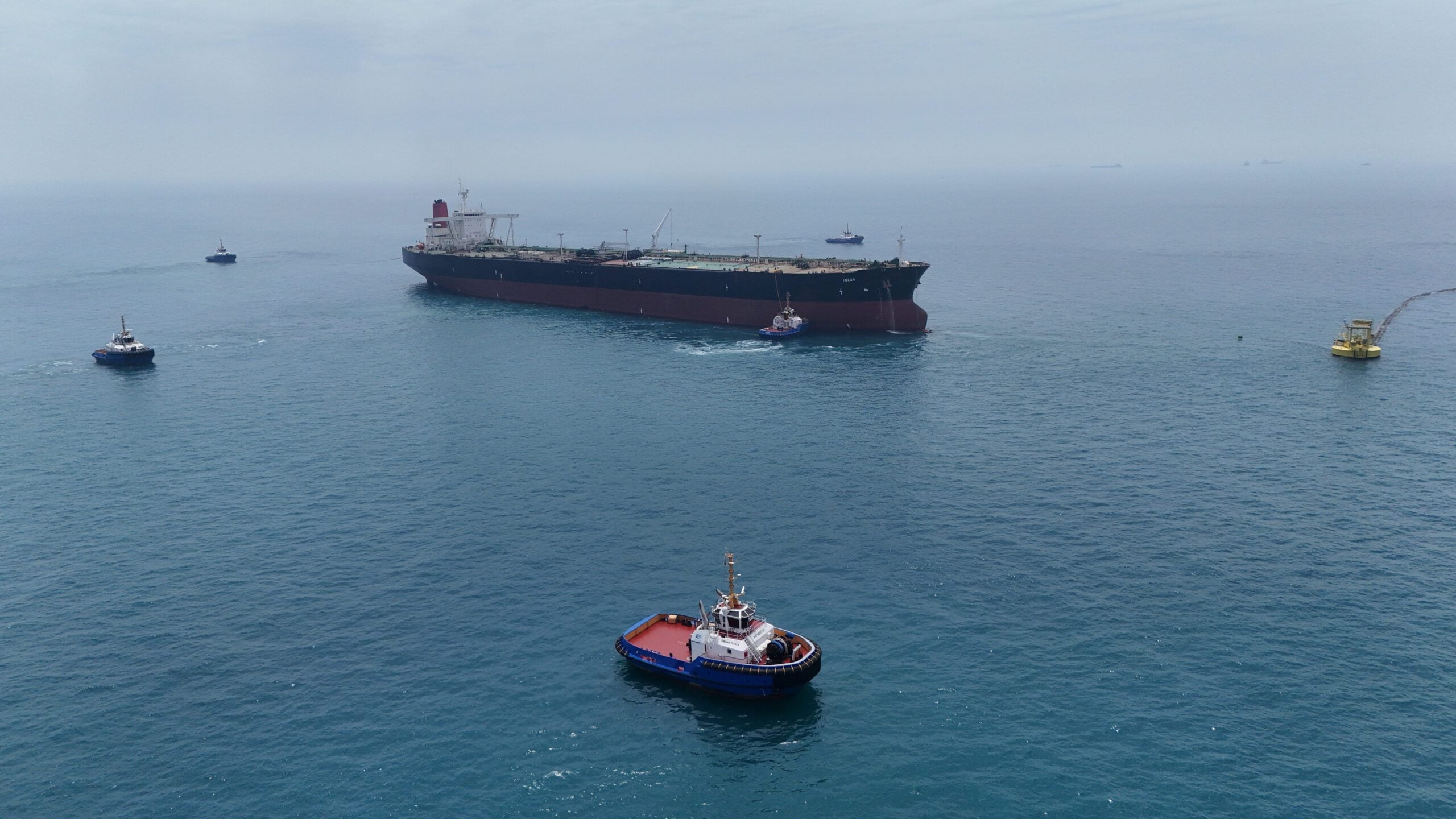
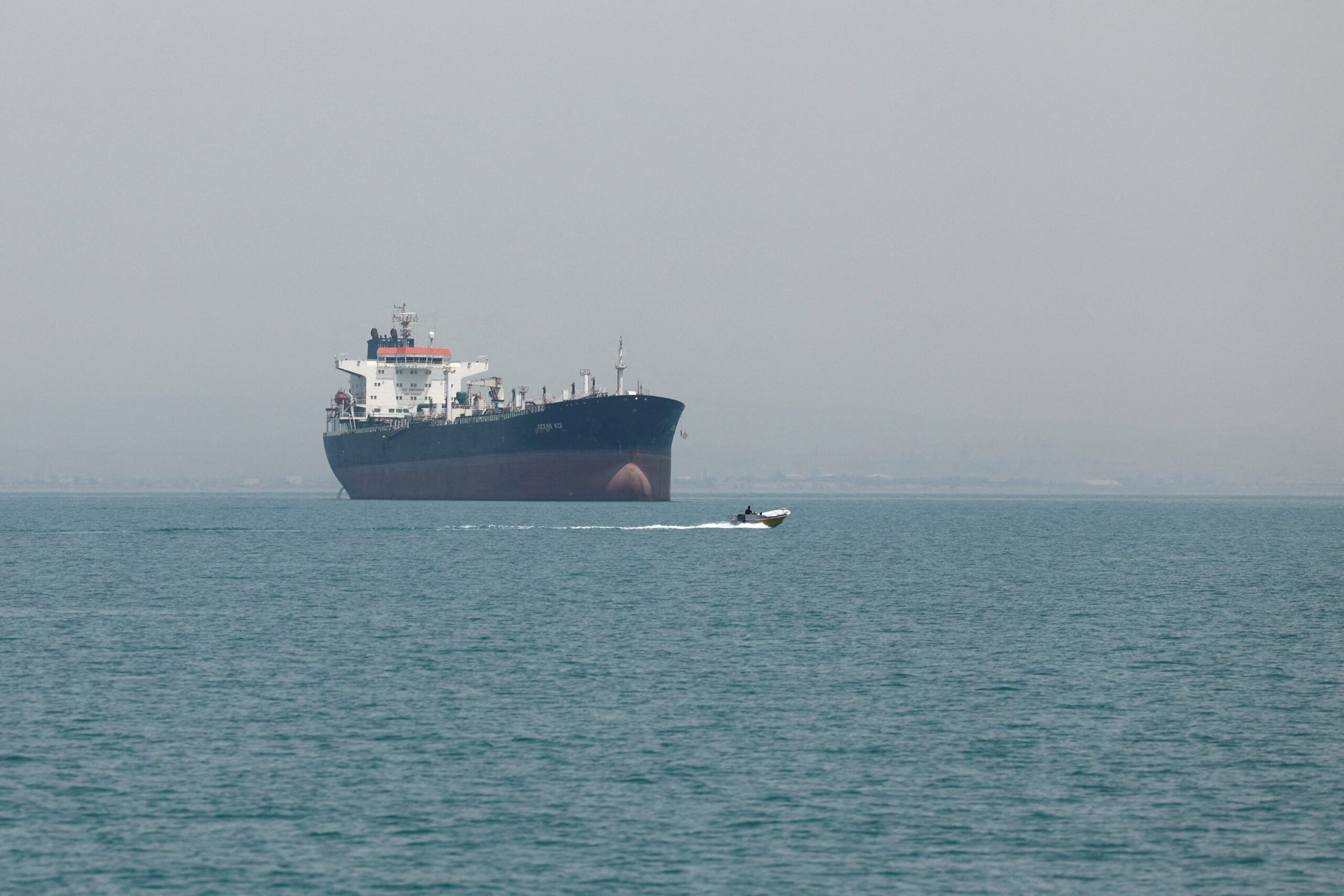
Iranian drones struck merchant shipping and the IRGC fired warning shots on 28 June, triggering U.S. retaliatory strikes on Iranian targets in and near the Strait of Hormuz. Traffic had begun to recover via a southern corridor along Oman, but guidance is conflicting and Iranian authorities are pressing for control, keeping near-term risk to commercial transits high.
Executive summary
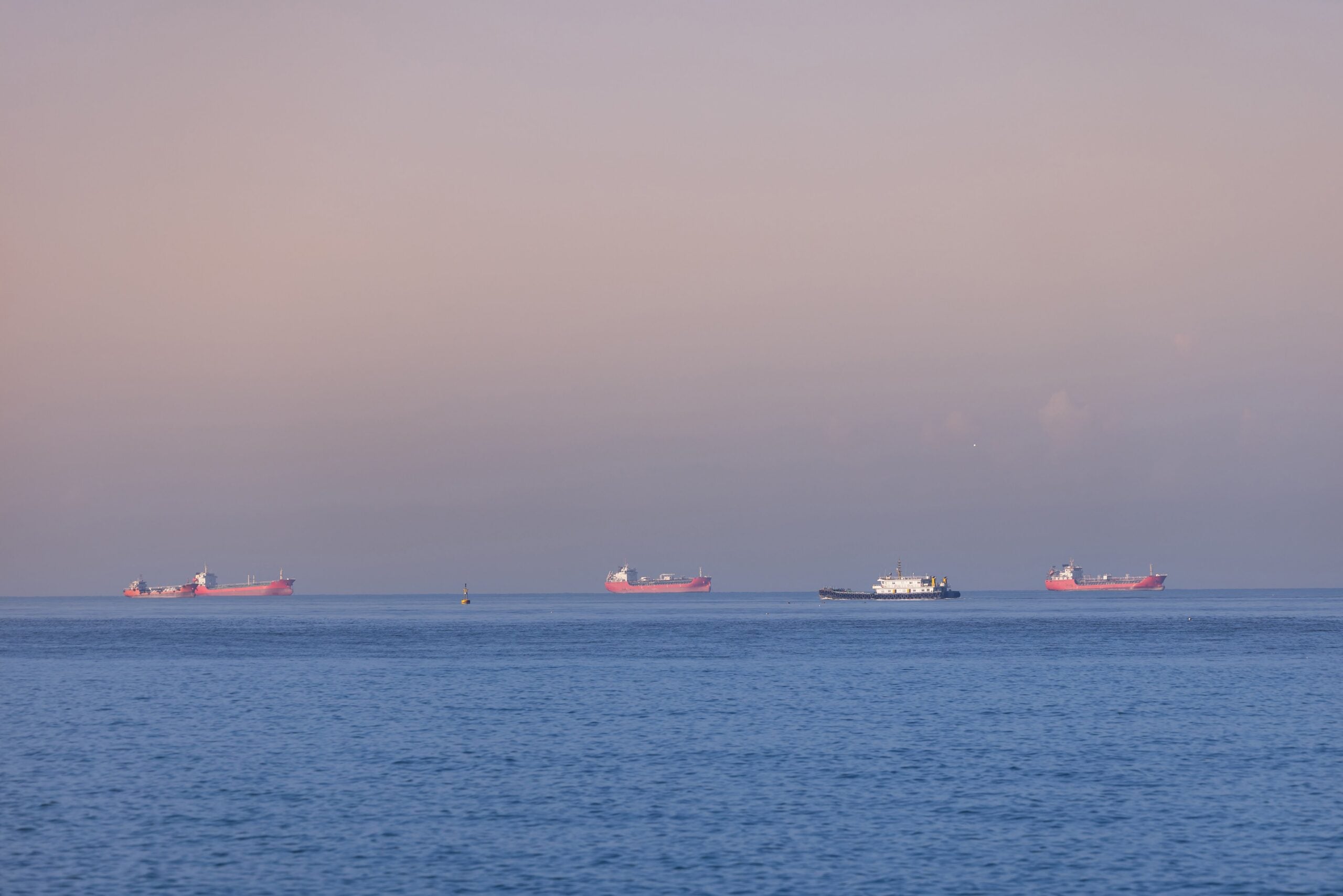
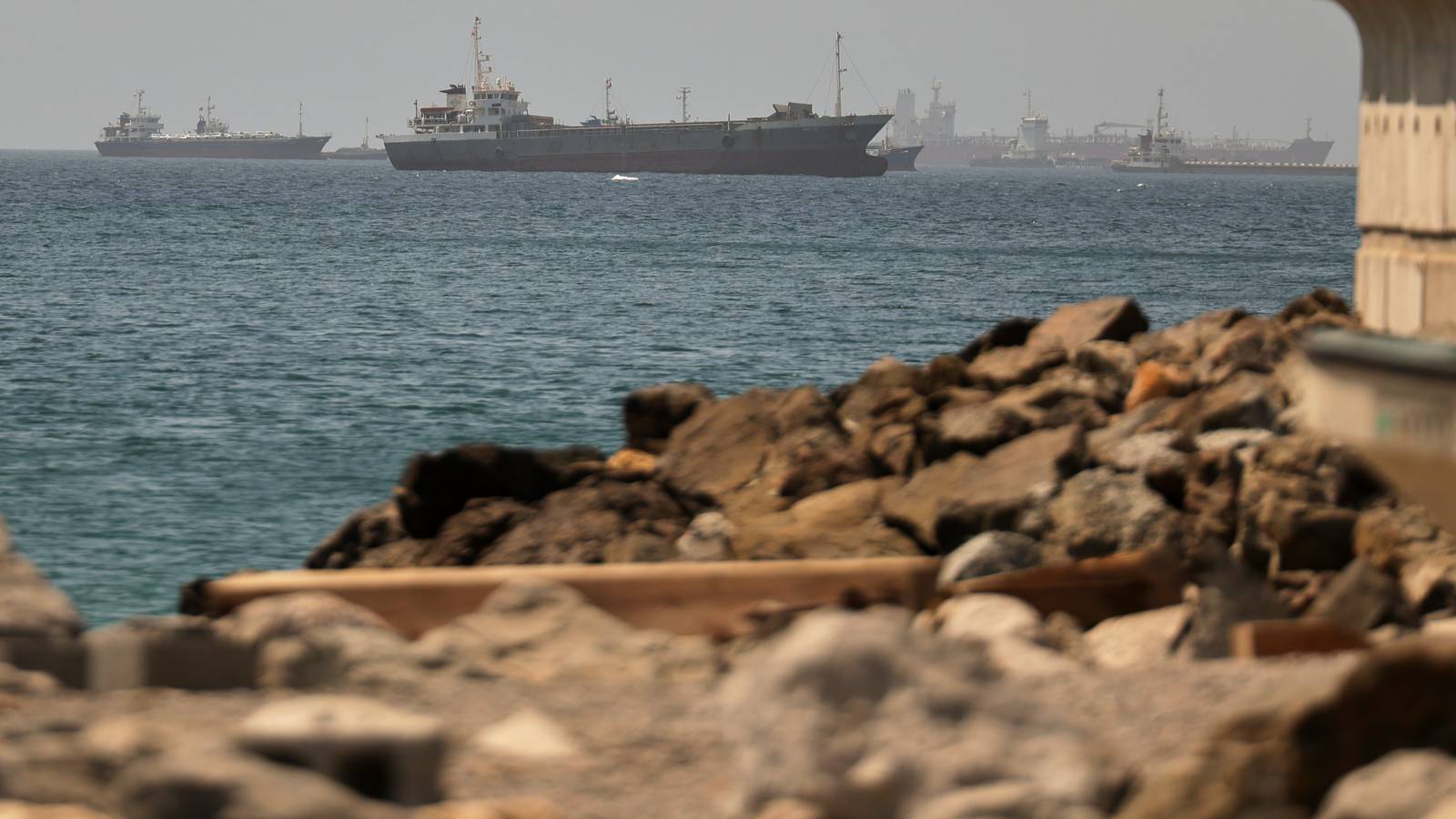
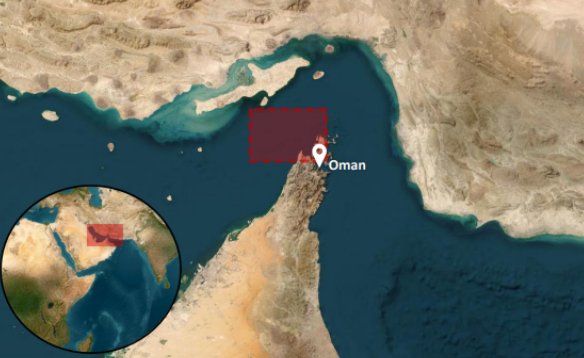
Since mid-June, commercial traffic through the Strait of Hormuz has partially resumed using a southern corridor near Oman, with at least 125 crossings in the week prior to 25 June and 55 merchant ships transiting on 22 June. Iran has challenged that recovery: the IRGC threatened and warned vessels using routes it does not approve, and on 28 June Iranian drones struck the Panama-flagged tanker M/T Kiku and a Singaporean-flagged cargo ship, while Iranian media reported warning shots at vessels. U.S. Navy and Air Force aircraft then struck 10 Iranian military targets at multiple locations in and near the Strait the same day, followed by additional U.S. strikes. Commercial operators continue to receive conflicting navigation guidance as Iran asserts a Persian Gulf Strait Authority regime, including authorisations and Iranian insurance, against a diplomatic backdrop that includes a 17 June Islamabad Memorandum expected to keep the Strait toll-free and U.S.-GCC opposition to fees. Crude prices around 76 to 79 dollars per barrel as of 22 June and reports of Gulf exports at three-quarters of pre-war levels suggest markets are pricing intermittent disruption rather than a persistent supply shock, but further attacks or attempted control measures would likely reverse that calm.
Key judgments
- Iran very likely targeted merchant shipping with drones and coercive warnings around the Strait of Hormuz on 27-28 June, sustaining a high-threat environment for commercial transits. (Confidence: high · REPORTED)
- I&W: Additional UKMTO or JMIC incident reports of drone strikes, missile threats, or IRGC warning shots along the Strait’s southern corridor (0-14 days)
- I&W: Two continuous weeks without UKMTO/JMIC incident reports in the Strait and a formal lowering of the maritime threat level (0-2 months)
- U.S. forces very likely conducted two rounds of retaliatory strikes on Iranian military targets in and near the Strait of Hormuz on 28 June, increasing the risk of further tit-for-tat escalation. (Confidence: high · REPORTED)
- I&W: CENTCOM publishes further strike summaries or battle damage assessments tied to maritime attacks (0-14 days)
- I&W: Public indications of a pause in U.S. strike activity coupled with a shift to persistent escort and surveillance presence without further kinetic action (0-1 month)
- Commercial traffic is likely to remain volatile over the next 1-3 months, with partial flows along Oman’s coast but intermittent dips after high-profile incidents and IRGC challenges to non-approved routes. (Confidence: medium · ASSESSED)
- I&W: Sustained reporting of daily Strait transits near or above late-June levels and routine use of the southern corridor without incident (0-3 months)
- I&W: Analytics firms report a renewed, sustained plunge in transits following further attacks or IRGC enforcement actions (0-3 months)
- Iran is likely to keep asserting control through its Persian Gulf Strait Authority by demanding authorisations and Iranian insurance for transits, but formal tolls are unlikely in the next 1-3 months given opposition by the U.S. and GCC and toll-free language in the Islamabad Memorandum. (Confidence: medium · ASSESSED)
- I&W: Iran issues or enforces PGSA fee schedules or paid insurance requirements for transits, or publishes joint operating rules with Oman that include charges (0-3 months)
- I&W: The U.S. and GCC publicly reaffirm rejection of fees and major carriers confirm transits without Iranian authorisations (0-3 months)
- Energy markets are likely to remain sensitive to further maritime attacks, but as of 22 June spot prices and reported export levels reflect intermittent disruption rather than a prolonged supply shock. (Confidence: medium · ASSESSED)
- I&W: Sustained rise of Brent above 100 dollars per barrel following renewed attacks and associated reporting of export slowdowns (0-1 month)
- I&W: WTI and Brent remain near late-June levels while Gulf export reports hold near three-quarters of pre-war levels (0-1 month)
Outlook & scenarios
Managed friction: traffic limps along the southern corridor under contested rules (50%)
Commercial flows continue via the Oman-coast route with periodic IRGC warnings and isolated strikes that prompt discrete U.S. retaliation. Transit counts fluctuate week to week, but major carriers and bulk operators keep moving cargo when windows allow. Markets treat incidents as episodic, with prices anchored near late-June levels. Iran keeps pressing PGSA authorisation and insurance expectations, and operators navigate conflicting guidance from maritime security advisories.
Escalation cycle: renewed strikes trigger a temporary shipping pause (35%)
Further Iranian drone attacks on tankers or cargo ships and additional U.S. strikes on Iranian military infrastructure push JMIC threat levels higher and deter most commercial operators from attempting the Strait. Transit volumes plunge after new incidents, consistent with earlier post-announcement slowdowns. Price benchmarks jump and insurers tighten terms. Reports of Iranian minelaying capability sustain risk perceptions even if mines are not employed.
Diplomatic stabilisation: interim deal implementation steadies flows (40%)
Parties implement the Islamabad Memorandum’s toll-free principle, the U.S. moves to lift remaining blockade measures within the stated window, and Iran facilitates movement as pledged. Oman aligns publicly with the U.S.-GCC position against fees. Transit counts rise along the southern corridor and through designated safe routes, and Gulf crude exports continue to recover toward pre-war levels.
Control regime and costs: Iran tests fees and insurance to leverage the chokepoint (15%)
Iran formalises PGSA permissions, penalties and Iranian insurance, and floats fee mechanisms, with some coordination language emerging with Oman. Major carriers balk, more voyages reroute around the Cape of Good Hope or idle pending clarity, and traffic again collapses. Diplomatic backlash from the U.S. and GCC follows, but compliance uncertainty persists and risk premia rise sharply.
Recommendations
- Stand up a daily Strait of Hormuz operating picture that fuses CENTCOM transit updates, UKMTO/JMIC advisories, and carrier reporting with AIS-derived movement data to flag route usage, slowdowns and reversals in near real time.
- Task collection for primary-source PGSA material, including any Iranian authorisation forms, insurance requirements or penalty notices, and cross-check with operator advisories to assess practical compliance pressure.
- Maintain close watch on southern-corridor use by named carriers and bulkers, including company notices of route adoption or withdrawal, and correlate with reports of IRGC warnings along that track.
- Coordinate with policy counterparts on enforcing the Islamabad Memorandum’s toll-free clause and the U.S.-GCC position rejecting fees, and engage Oman to clarify any joint operating statements that reference costs.
- Institute price-and-flow tripwires for the energy team using EIA spot benchmarks and reported Gulf export levels to trigger rapid market-impact assessments after maritime incidents.
- Update threat and contingency planning for U.S.-linked personnel and infrastructure in the UAE and Bahrain in light of Iranian intent statements and prior evacuation orders, with clear triggers for drawdown or movement.
Confidence & uncertainty
The core events in late June are well covered by multiple independent sources: Iranian drone strikes on merchant vessels, IRGC coercive warnings, and U.S. retaliatory strikes are consistently reported across major media and official channels, supporting high confidence in those discrete developments. However, there are contradictions and gaps on the overall closure status, traffic volumes and persistence of flows, and on prospective tolls or insurance regimes. Price signals and export data also present mixed pictures, with contemporaneous EIA pricing lower than some narrative accounts. These inconsistencies justify an overall medium confidence in the forward-looking assessments.
Alternative analysis (red cell)
The reporting shows multiple incidents, warnings, and elevated threat reporting, but provenance and content are inconsistent across items (contradictory vessel IDs, mixed admiralty grades, and timeline issues). A more cautious estimate is that episodic drone strikes, radio threats, and enforcement posturing produced temporary spikes in risk and localized retaliatory actions rather than incontrovertible evidence of a coordinated, sustained Iranian campaign or of decisive, large-scale U.S. retaliation. Key analytic gaps — AIS tracks, BDA imagery, primary-source MOU/PGSA texts, and consistent export/load time series — must be filled before high-confidence, long-horizon judgments are justified.
Cited sources
[1] gcaptain.com · US Carries Out Fresh Strikes Against Iran After Tanker Struck In Hormuz, Escalating Hostilities (B) · sha256:1852ca6ca233 [2] dw.com · القوات الأمريكية تعلن شن ضربات على "أهداف متعددة" في إيران (A) · sha256:cf8eb0a07107 [3] Washington Examiner · As Iran strikes a ship, Gulf nations say peace deal must go beyond the strait and nuclear weapons (B) · sha256:b43eaf648c53 [4] The Times of India · 'Direct hit': #Iran bombs #Hormuz ship; #USNavy admits surprise strike | 3 vessels 'reverse course' Tensions in the Strait of Hormuz have surged after a cargo ship was struck near the coast of Oman in one of the world's most strategically important waterways. According to CBS News, a U.S. official said Iran's Islamic Revolutionary Guard Corps (IRGC) was responsible for the attack and that the vessel was hit by an Iranian drone. | The Times of India (B) · sha256:57bf80c8fca6 [5] military.com · Oil Tankers Navigate the Strait of Hormuz Despite Threats from Iran's Revolutionary Guard (B) · sha256:e57ebca581af [6] cryptobriefing.com · IRGC destroys eight US installations, warns of harsher actions in Strait of Hormuz (B) · sha256:2083d05231d1 [7] maritime-executive.com · Tanker Struck by Drone off Oman and the US Again Responds with New Strkes (B) · sha256:b8b2d6d9d5bc [8] The Jerusalem Post · Iran's Hormuz strait rules include enforcing penalties, revoking permissions if ships do not comply (B) · sha256:02ae025eb7ff [9] nypost.com · Nearly 20% of Strait of Hormuz traffic is sanctioned ships linked to Iran, data show (B) · sha256:a24b5c9bd732 [10] Al Jazeera · Shipping stalls in Strait of Hormuz after Iran declares key waterway shut (A) · sha256:03caf0f6310a [11] gcaptain.com · Second Tanker Struck in Strait of Hormuz as U.S.-Iran Shipping Crisis Deepens (B) · sha256:8959adec91e3 [12] gcaptain.com · Oman Tells Allies Ships Going Through Hormuz May Have to Pay (B) · sha256:fb3cbea18c2f [13] Representative Scott Peters · Representative Scott Peters (A) · sha256:5b604873bf1c [14] U.S. Energy Information Administration · EIA crude oil spot prices — 2026-06-22 (A) · sha256:fc0e8841f16c [15] gcaptain.com · Saudi Arabia Is Ramping Up Oil Exports As Gulf Ports Restart (A) · sha256:6a23bc687681 [16] Wikipedia · Economic impact of the 2026 Iran war (B) · sha256:7cb06542dd0e
Source content hashes were computed at collection time; the cited text is preserved unmodified for the life of this product.
Red cell review: PARTIAL DISSENT
TLP:CLEAR