TLP:CLEAR · Disclosure is not limited.
Strait of Hormuz: Tehran’s ‘closure’ claim collides with open-traffic reports as talks move to Switzerland
Time window: Last 7 days · Audience: General analyst · Type: Situation report · DTG: 2026-06-21 06:14Z · Overall confidence: MEDIUM
BLUF
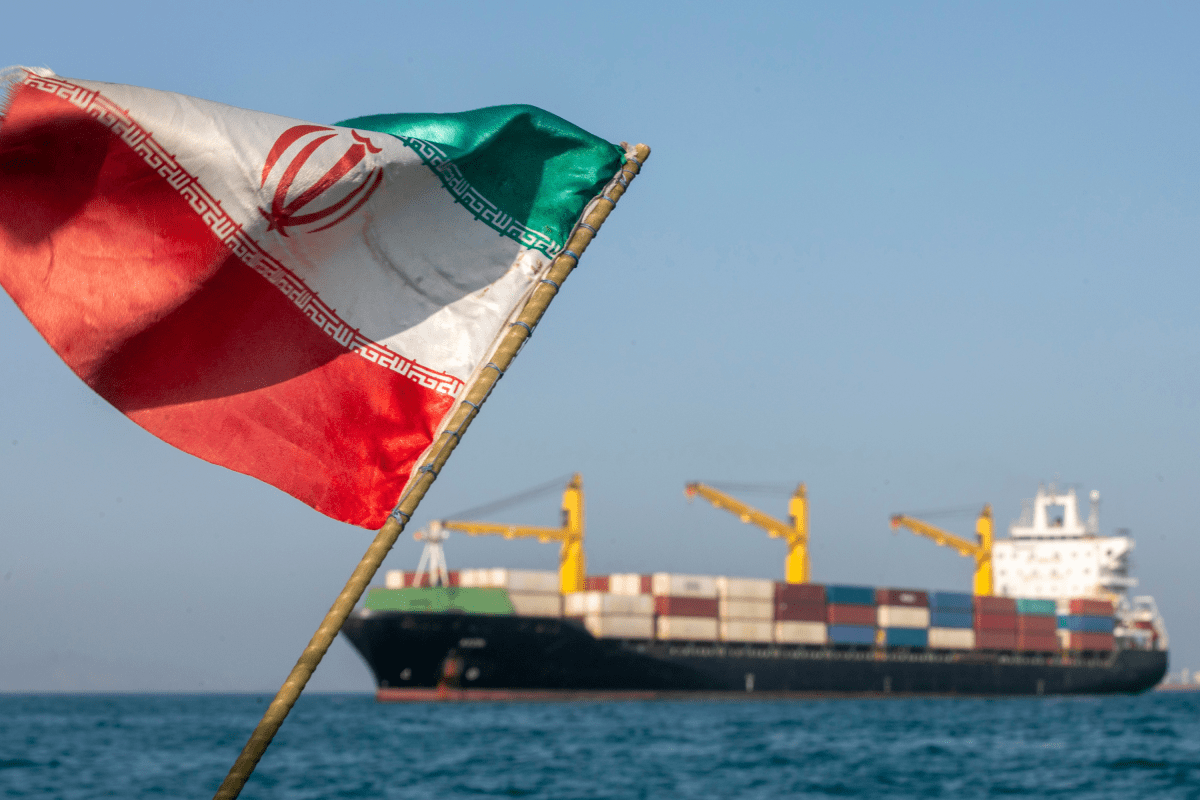
Iran’s military declared the Strait of Hormuz closed on 20 June, yet U.S. officials and Iran’s own foreign ministry reported the waterway open with commercial traffic continuing or increasing. Risk to shipping remains elevated, with Iran signalling a permission regime while U.S., Iran negotiations advance in Switzerland.
Executive summary
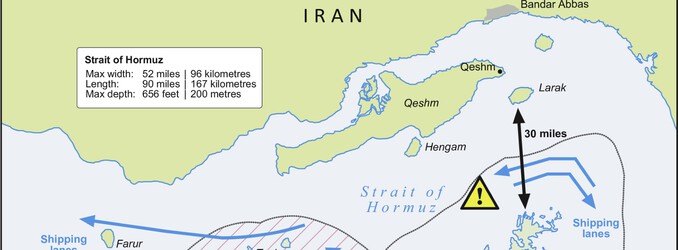
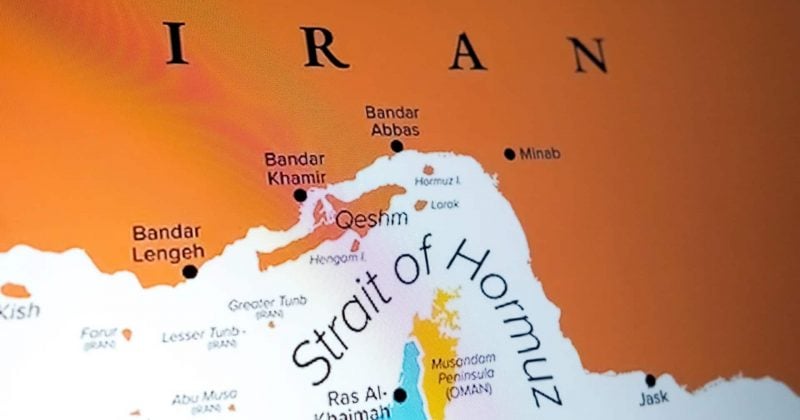
On 20 June, Iran’s military and joint command announced the Strait of Hormuz was closed, tying the move to alleged ceasefire breaches and Israeli strikes in southern Lebanon. U.S. Central Command, the U.S. government, and Vice President JD Vance stated the strait remained open, and reported commercial traffic increased that day; Iran’s foreign ministry also said shipping was operating normally. Maritime guidance points to a workable southern route along Oman with a ‘moderate’ threat posture, while Iranian notices assert vessels require Tehran’s authorisation. In parallel, Washington and Tehran are preparing negotiations in Switzerland. Markets regard crude spot prices as disruption proxies; mid-June WTI and Brent prints sat in the mid‑80s dollars per barrel and commentary suggests participants expect continued disruption risk, but not an immediate price spike within the reporting window.
Key judgments
- It is unlikely the Strait of Hormuz was fully closed to commercial traffic on 20 June, given official denials and evidence of ongoing transits that day. (Confidence: high · ASSESSED)
- I&W: CENTCOM or comparable official updates continue to report day-on-day increases in merchant vessel transits through Hormuz. (0-14 days)
- I&W: Verified interdictions or turn-backs at Hormuz citing lack of Iranian authorisation are publicly reported by named operators or authorities. (0-14 days)
- Iran has very likely shifted to leverage via a permission-based regime and threat signalling, rather than enforcing a blanket physical blockade. (Confidence: medium · ASSESSED)
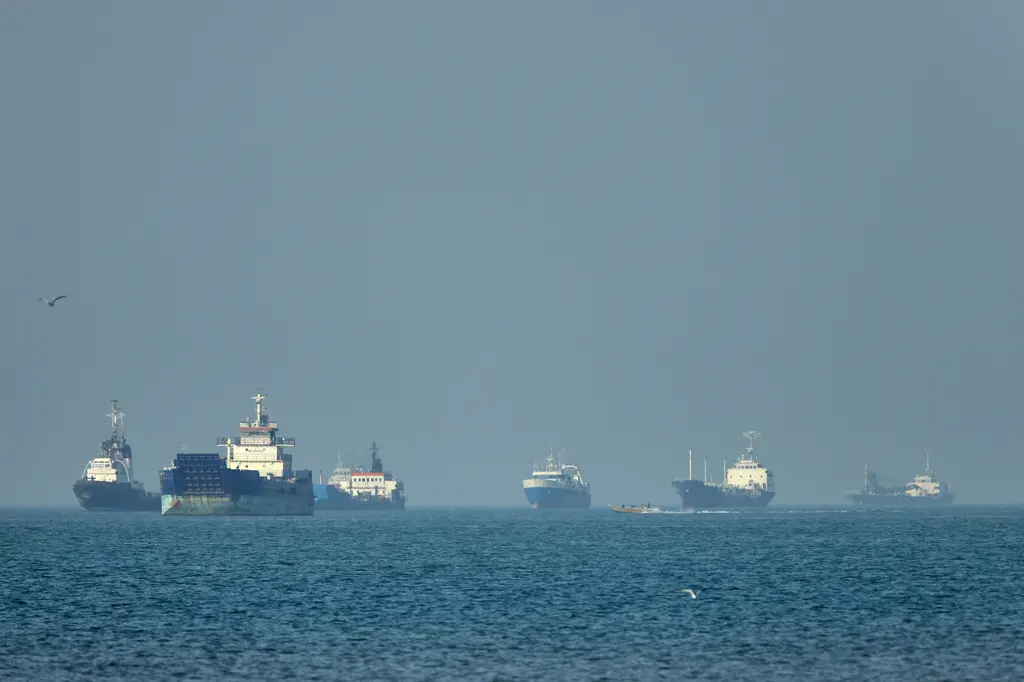
- I&W: Notices to shippers and port agents reference a requirement to obtain Tehran’s permission prior to transit, accompanied by visible queues at the strait approaches. (0-14 days)
- I&W: Official Iranian statements rescind the authorisation requirement and traffic flows increase without reported clearances. (0-14 days)
- Shipping risk is likely elevated but manageable along the Omani coast, with a ‘moderate’ maritime threat posture and a viable southern route when AIS is kept on. (Confidence: medium · ASSESSED)
- I&W: The Joint Maritime Information Center maintains a ‘moderate’ threat level and repeats guidance to use the southern route with AIS signals on. (0-14 days)
- I&W: Credible reports emerge of mines or explosive incidents in or near the traffic separation scheme, or a JMIC shift back to ‘substantial’. (0-14 days)
- Tehran’s closure announcement is likely linked to Israeli operations in southern Lebanon and is being used as bargaining leverage as U.S., Iran talks move to Switzerland. (Confidence: medium · ASSESSED)
- I&W: U.S. and Iranian delegations meet in Switzerland and publicly link Hormuz status to ceasefire implementation in Lebanon. (0-14 days)
- I&W: Iran executes ‘subsequent steps’ beyond the closure announcement, such as interdictions or new restrictions, without parallel diplomatic movement. (0-14 days)
- Markets are likely to continue pricing near‑term disruption risk around Hormuz, but mid‑June spot prices indicate no immediate blow‑out within the reporting window. (Confidence: medium · ASSESSED)
- I&W: EIA spot updates show WTI and Brent rising materially from the 15 June baselines of $84.65 and $84.36 per barrel respectively. (0-14 days)
- I&W: CENTCOM continues to report heavy through‑traffic, coinciding with flat or lower crude prints relative to mid‑June levels. (0-14 days)
- There is a roughly even chance that mixed messaging and patchy implementation will produce further short‑notice disruptions and confusion for shippers. (Confidence: medium · ASSESSED)
- I&W: Alternating official statements on Hormuz status from Tehran, Washington and naval information centres within short timeframes. (0-14 days)
- I&W: Rapid shifts in JMIC threat assessments or routing advice for the strait. (0-14 days)
Outlook & scenarios
Contested but passable corridor (60%)
Iran maintains rhetoric about closure and permission requirements while allowing most commercial transits, especially along the Omani coast with AIS on. U.S. forces continue presence to support freedom of navigation. Shippers face elevated risk management and routing decisions, but throughput remains substantial.
Negotiated stabilisation and normalised flow (40%)
Talks in Switzerland yield reaffirmed understandings on Hormuz passage and de‑escalation around Lebanon. Tehran dials back closure language, traffic metrics remain high, and maritime advisories sustain a ‘moderate’ threat level with broader use of both coastal routes.
Escalation to enforced restrictions (20%)
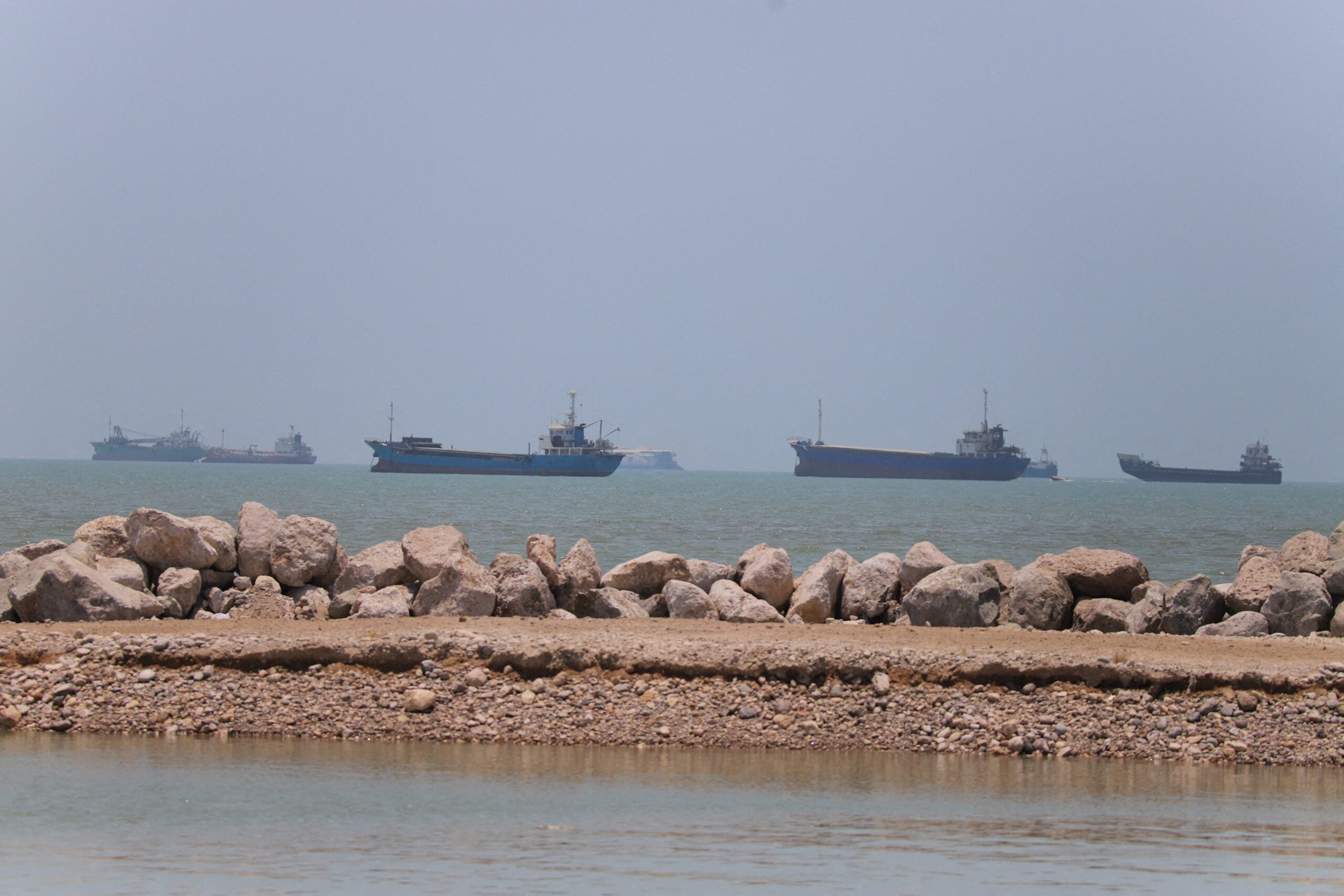
Lebanon front escalates and Tehran enforces authorisation through interdictions or new hazards, producing pauses or diversions. Reports of mines requiring clearance gain traction, insurers tighten, and crude markets price in more severe disruption risk.
Recommendations
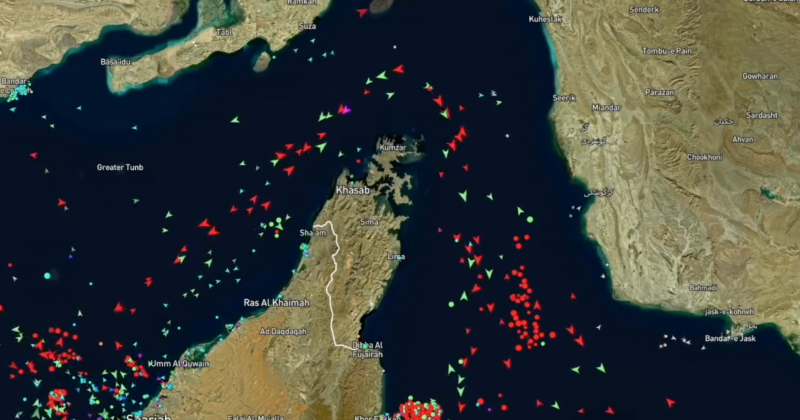
- Maintain a daily integrated maritime picture that fuses CENTCOM posts on Hormuz traffic, JMIC threat levels, and open AIS snapshots for both the Iranian and Omani coastal routes; flag any divergence between official statements and observed flows.
- Task posts covering Switzerland to report schedules, attendance and readouts from the U.S., Iran talks, with special focus on any linkages drawn between Hormuz passage and a Lebanon ceasefire.
- Issue internal guidance summarising the contradictory public narratives on Hormuz to prevent mischaracterisation of the strait’s status in policy communications.
- Advise maritime interlocutors that current guidance supports using the southern route with AIS signals on and no obligation to coordinate with the U.S. Navy along the Omani coast; capture and report any Iranian authorisation demands received by operators.
- Establish triggers on EIA spot prints as disruption proxies using the 15 June WTI and Brent baselines; alert leadership on sustained moves materially above those levels coincident with reported throughput declines.
- Add to the indicator watchlist: fresh Israeli strikes in southern Lebanon, any Iranian ‘subsequent steps’ statements, reported detentions or turn‑backs at Hormuz, and changes in JMIC threat posture.
- Prepare contingency notes on the operational impact of a permission regime, including potential queuing effects at the approaches and the implications for voyage planning and insurance binders.
Confidence & uncertainty
Overall confidence is medium. Multiple independent official sources corroborate that commercial traffic continued or increased on 20 June and that the strait was not fully shut, including statements from U.S. authorities and Iran’s foreign ministry, which strengthens key judgments. However, Tehran’s military and joint command explicitly announced a closure and signalled a permission regime, creating material contradictions. Some market and maritime data points are temporally proximate but not real‑time, and several shipping advisories carry medium confidence. The situation remains fluid, with mixed messaging and evolving diplomatic activity limiting a high‑confidence call.
Alternative analysis (red cell)
The record contains high-confidence Iranian closure declarations concurrent with authoritative denials and reports of resumed traffic, creating substantive ambiguity. A plausible alternative estimate is that Iran issued declaratory or selective measures that were unevenly enforced; observed commercial traffic continued in many cases, and practical disruption was therefore more limited than some closure claims imply. Absent primary-source operational evidence (AIS, boarding/detention reports, or internal diplomatic/military communications), higher-confidence inferences about full closure, systematic permission enforcement, or bargaining intent are premature.
Cited sources
[1] newsweek.com · Iran declares Strait of Hormuz 'closed' over MOU 'breach' (B) · sha256:9b1cd1bd1af4 [2] i-meihua.com · 【伊朗危機】伊朗再宣布關閉荷姆茲海峽!美方稱「未見全面封鎖」 (B) · sha256:b5495906e87d [3] nownews.com · 停火幾天又出事?伊朗稱封鎖荷姆茲海峽 美軍否認:持續監控航行 (B) · sha256:f4a5b0c5a08e [4] worldoil.com · Iran closes Strait of Hormuz again, citing Lebanon ceasefire violations (B) · sha256:d3d88f1c9e73 [5] aol.com · Iran closes Strait of Hormuz over ceasefire violations - MEHR (B) · sha256:ed69d28f6776 [6] gcaptain.com · Iran Says Hormuz Has Been Closed But Sends Team For Swiss Talks (B) · sha256:bfc782349054 [7] gcaptain.com · Ships Told They Can Use South Hormuz Route With Signals On (B) · sha256:7650c853f780 [8] exmoo.com · 霍爾木茲海峽重啟仍待觀察 三井:數周內難恢復正常通航 (B) · sha256:72d3435980c0 [9] cryptobriefing.com · Iran to close Strait of Hormuz, citing US ceasefire agreement failure (B) · sha256:e0389332caf7 [10] U.S. Energy Information Administration · EIA crude oil spot prices — 2026-06-15 (A) · sha256:2e5efbcc0d83 [11] cryptobriefing.com · Strait of Hormuz closure may extend to year's end due to 80 mines: report (B) · sha256:bfd8234ac98c [12] Daily Q&A · Is the Strait of Hormuz Closed? (B) · sha256:0dd2702b4404
Source content hashes were computed at collection time; the cited text is preserved unmodified for the life of this product.
Red cell review: PARTIAL DISSENT
TLP:CLEAR